
As you lovingly tend to your developing cannabis plants, you’ll have your eyes trained on various areas as you look out for signs of quality. Leaves, stems, and soon, bud size and health will be used to determine the status of your grow. These are absolutely valid, but one of the things you want to ensure at the finish line is that your weed is packed with flavor. Modern cannabis strains boast taste profiles as diverse as a spice rack—ranging from creamy desserts to tropical fruits, sharp cheeses, and even gasoline-like pungency. For South African growers and consumers alike, flavor isn’t just a bonus; it’s a hallmark of quality and a source of immense enjoyment. After all, a truly flavorful bud isn’t just smoked—it’s savored, like a sip of fine Cape wine.
But how can growers ensure their cannabis is bursting with flavor? Flavoring marijuana can occur at various stages, such as before harvesting or after, and it's relatively straightforward. Let’s explore the art and science behind creating a flavor-packed harvest, touching on everything from genetics to cultivation techniques. The genetics of the cannabis plant play a crucial role in determining its aromatic and flavor profile.
A World of Flavors: Popular Cannabis Strains Renowned for Their Taste
Cannabis aficionados have their favorites, and many strains are legendary for their unique smell and taste profiles. Among the dessert-inspired varieties, Gelato 41 BX reigns supreme, offering creamy, sweet, and slightly fruity notes. For fruity flavors, Purple Ghost Candy, Lemonchello Haze, and Blueberry deliver unmistakable bursts of berry and tropical tang.
On the more pungent end, strains like Gorilla Gas F1 Fast and Alaskan Diesel Auto offer fuel-like aromas that bite like a Boomslang but remain oddly irresistible. Cheese-based strains, like the aptly named Badazz OG Cheese, bring a savory funk to the table that’s a favorite among connoisseurs.
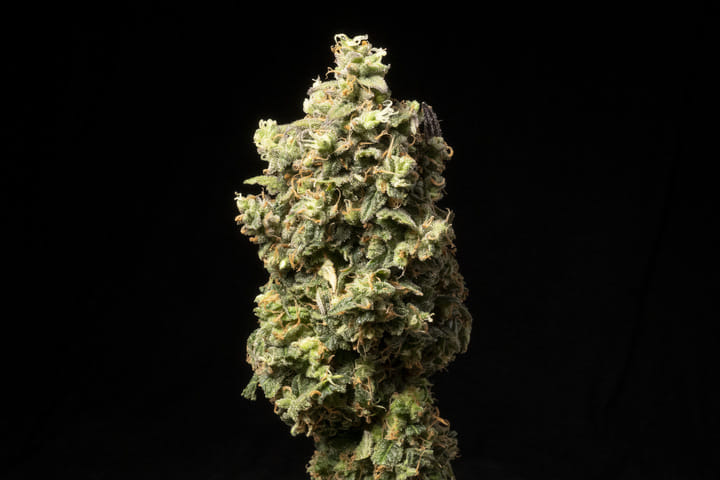
South Africa’s burgeoning cannabis scene is also cultivating its stars. Local landraces like Durban Poison, with its distinct anise and citrus flavors, and hybrid strains inspired by these genetics are proving that South African cannabis can hold its own in the flavor department.
The Role of Genetics: Start Strong for Superior Flavor
Much like a vineyard’s grapes, a cannabis plant’s genetics set the foundation for its flavor potential. Terpene production—the chemical compounds responsible for flavor and aroma—is heavily influenced by a strain’s genetic makeup. Choosing high-quality seeds or clones from reputable breeders is the first step in growing flavorful cannabis. The right genetics can enhance the flavor of cannabis, ultimately appealing to the users' taste buds.

When selecting genetics, consider strains that are known for their robust terpene profiles. For example, if you’re after fruity flavors, opt for strains like Pineapple OG or Tangerine Snow F1 Fast, while those drawn to woody and earthy tones might lean toward OG Kush or Jack Herer.
Additionally, South African growers might explore hybrid strains that incorporate local landrace genetics like Durban Poison to add complexity and unique terpenes to their plants.
Maximizing Terpene Production: The Secret to Bold Flavors
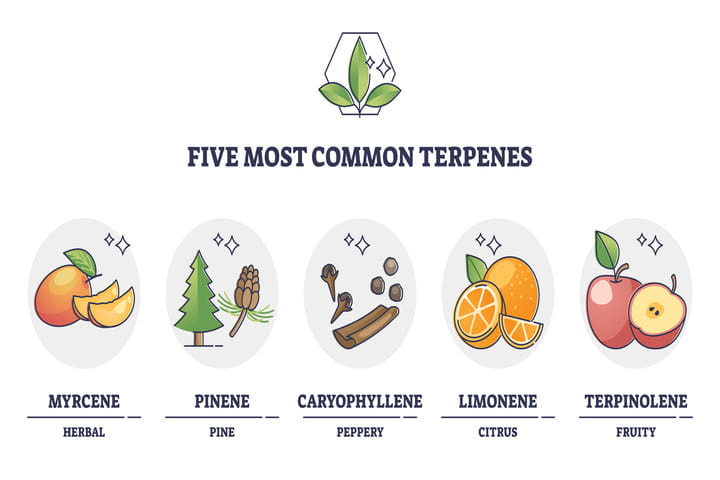
Terpenes are the heroes of cannabis flavor, playing a crucial role in the unique weed taste. These organic compounds are responsible for everything from the citrusy zing of limonene to the piney sharpness of pinene. To grow cannabis that’s as flavorful as a Cape Malay curry, focus on enhancing terpene production throughout the growth cycle.
Optimal Growing Conditions for Cannabis Plants
Marijuana plants are delicate and sensitive to environmental factors like temperature and humidity, which can significantly influence the flavor of cannabis. To ensure maximum production:
- Temperature Control: Maintain temperatures between 20°C and 25°C during the day and slightly cooler at night. Excessive heat can degrade terpenes, leaving your buds bland. Some indoor growers report a nighttime temperature drop over the last two weeks boosts terpene levels via a little light stressing.
- Humidity Levels: Keep humidity between 40% and 60%, adjusting as your plants progress from vegetative to flowering stages.
- Lighting: Full-spectrum lighting, particularly during flowering, supports terpene synthesis. If you’re growing outdoors, the South African sun is a blessing, but timing your harvest to avoid the intense heat of mid-summer can preserve delicate flavors.
Super Soil Mix and Nutrients
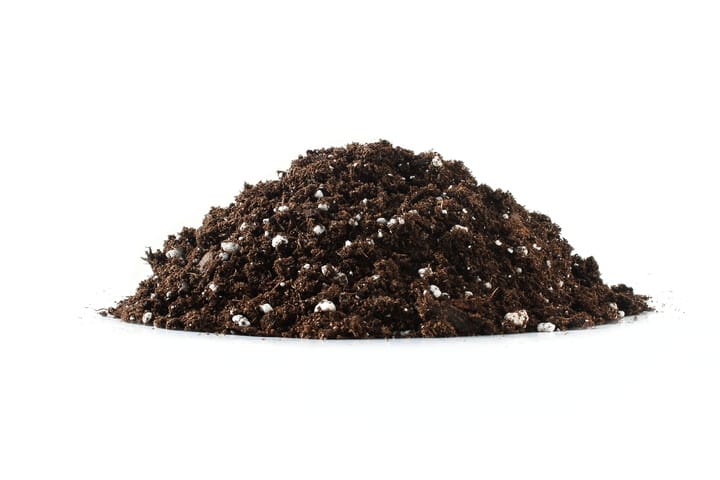
The soil is to cannabis what a potjie pot is to a good beef bredie—it sets the stage for everything. Rich, organic soil enhances terpene production, as does feeding your plants with natural nutrients like compost teas or molasses. Synthetic fertilizers, while effective for growth, can sometimes strip the plants of nuanced flavor. Growing your plants in a super soil mix packed with the right amendments will give them the nutrients they need to maximise terpene production – and that equals flavor. Additionally, using brown sugar as an alternative to molasses in homemade fertilizers can enhance microbial activity and nutrient transport, all leading to a more flavorful end product.
Pruning and Training Techniques for Cannabis Plants
Anything that overly stresses you plants should be avoided, as this causes adverse reactions in terms of growth. However, it may come as a surprise to learn that some lower-stress situations can actually ramp up terpene production without causing damage. Pruning and certain other plant training techniques are considered fairly low-stress, and can be essential for optimizing the growth and development of cannabis plants. By controlling the shape and size of the plant, growers can increase yields, promote healthy growth, and enhance the overall quality of the buds.
Pruning involves selectively removing parts of the plant to encourage it to grow in a desired manner. One common technique is topping, where the main stem is cut to promote the growth of multiple colas instead of a single main cola. This not only increases the number of buds but also allows for better light distribution across the plant.
Another effective method is low-stress training (LST), which involves gently bending and tying down branches to create a more even canopy. This technique improves light penetration and airflow, which are crucial for maximizing terpene production and enhancing the flavor of your cannabis buds.
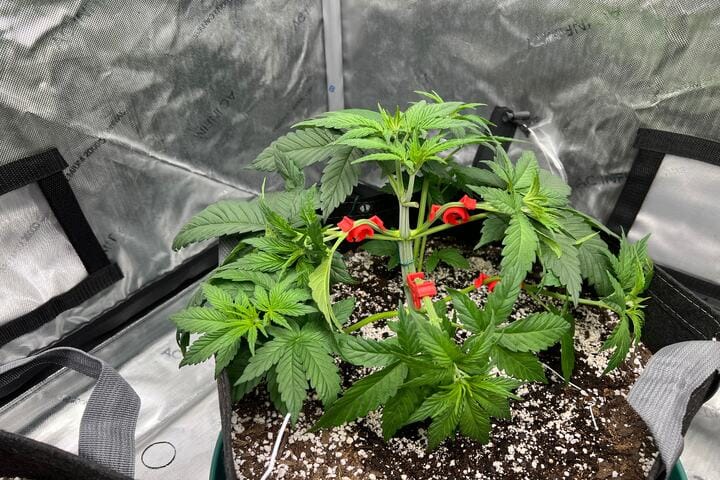
For those looking to take it a step further, the Screen of Green (ScrOG) method can be highly effective. This involves placing a screen above the plants and weaving the branches through the screen as they grow. The result is a flat, even canopy that maximizes light exposure and encourages the development of dense, flavorful buds.
By incorporating these pruning and training techniques, weed cultivators can ensure their cannabis plants are healthy, productive, and bursting with flavor.
Proper Curing and Drying of Cannabis Buds: Where Flavor Comes to Life
Even the most flavorful strain can lose its charm if the marijuana flowers aren’t dried and cured correctly. Think of this process as aging a fine whiskey—it’s where the flavors truly develop.
Drying Tips
After harvest, hang your weed buds upside down in a cool, dark space with good airflow. Aim for a drying period of 7-14 days to prevent mold while preserving terpenes. Check out this superb article from Queen of the Sun Grown for more information.
Curing for Perfection
Once dried, either:
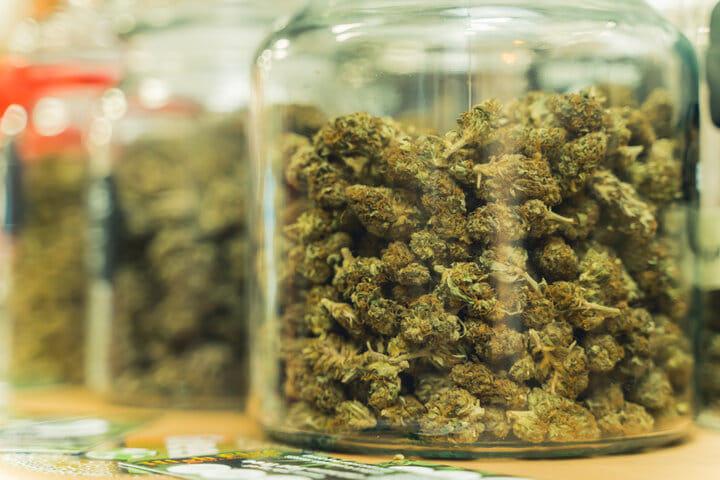
Store the buds in glass jars with airtight lids. Open the jars daily for the first week to release excess moisture (a process called “burping”), then less frequently over the following weeks.
or:
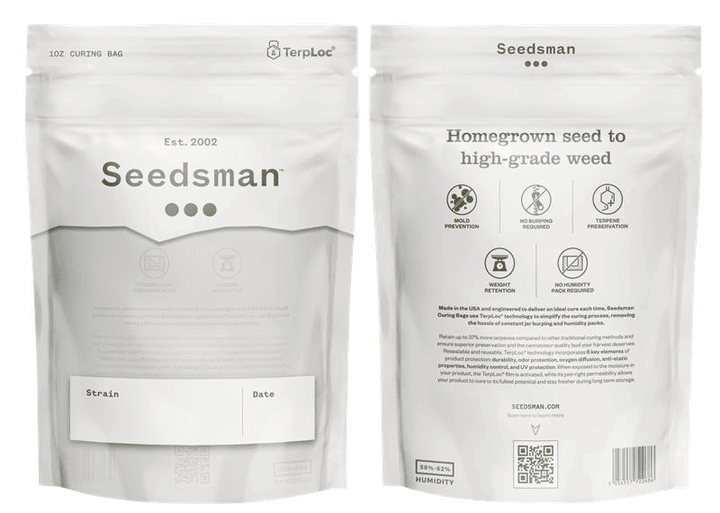
Use curing bags specially designed for cannabis and create an optimal climate, eliminating the need for burping. Proper curing not only enhances flavor but also ensures smoother smoke.
Avoiding Flavor Killers: What Not to Do
Certain practices can sabotage your efforts to grow flavorful cannabis. Here are some pitfalls to avoid:
Overfeeding with Nutrients: Excessive use of fertilizers, especially during the flowering stage, can lead to a harsh taste that masks natural flavors.
Pesticides and Chemicals: Using chemical pesticides can leave unpleasant residues on your buds. Opt for organic pest control methods like neem oil or beneficial insects.
Harvesting Too Early or Too Late: Harvest timing is crucial. Too early, and the terpenes haven’t fully developed; too late, and they start to degrade. Use a magnifying glass to check trichome color—cloudy with a hint of amber is the sweet spot.
Improper Storage: Heat, light, and moisture are the enemies of terpenes. Store your cannabis in a cool, dark place to maintain its flavor.
Pest and Disease Control for Healthy Plants
Pest and disease control is crucial for maintaining healthy cannabis plants. Pests and diseases can damage the plant, reduce yields, and affect the quality of the buds. While not a flavor-enhancing technique, proper pest control shouldn't be overlooked. The reason? It will ultimately protect your buds from losing quality, which inludes that all-important flavor. Here are some common pests and diseases that can affect cannabis plants and how to control them:
Common Pests:
Spider Mites: These tiny pests can cause significant damage by sucking the sap from the leaves. To control them, introduce beneficial insects like ladybugs or use organic sprays such as neem oil.
Aphids: These small, soft-bodied insects can weaken plants by feeding on their sap. Natural predators like lacewings and parasitic wasps can help keep aphid populations in check.
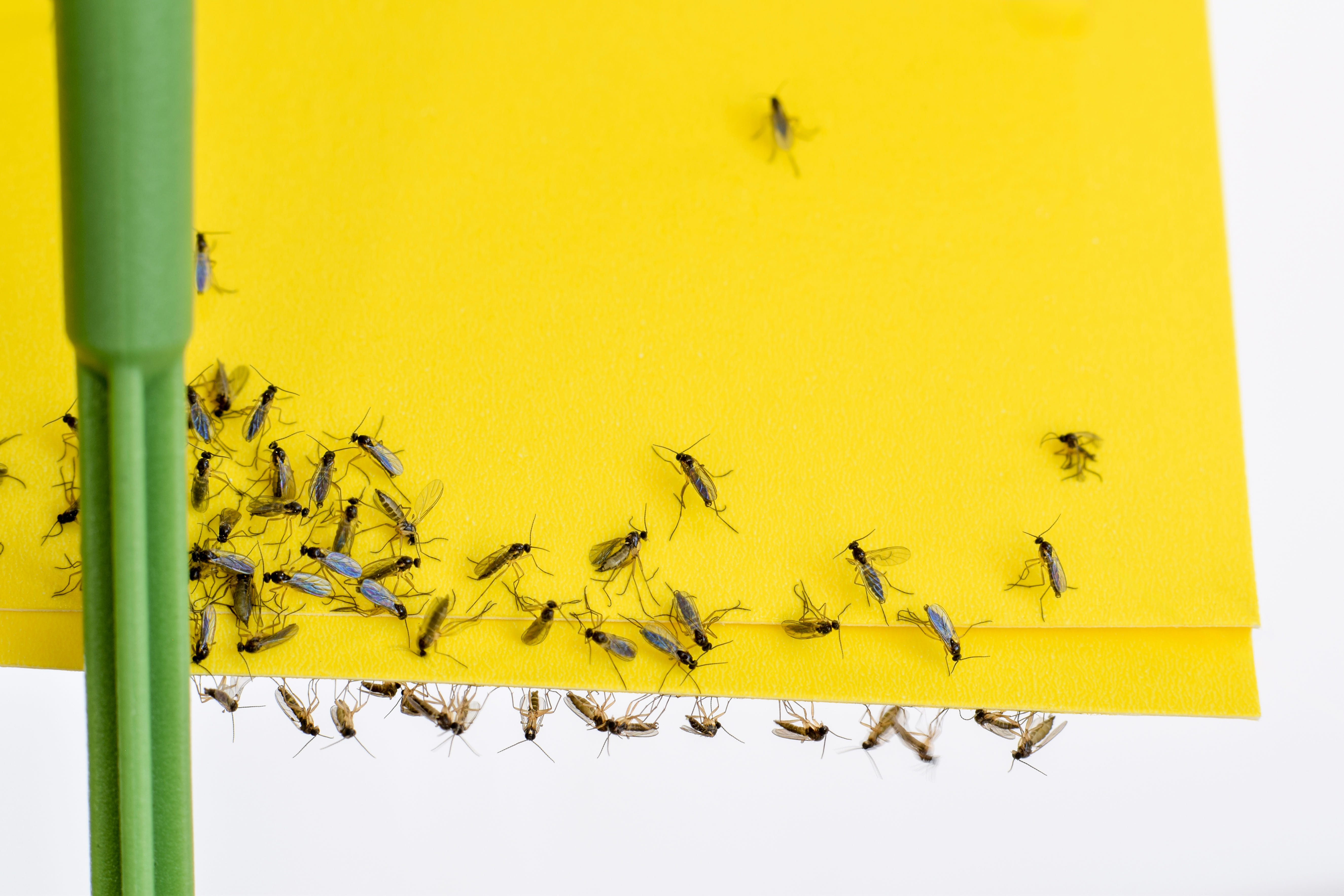
Fungus Gnats: These pests thrive in moist soil and can damage the roots of cannabis plants. Allowing the soil to dry out between waterings and using sticky traps can help control their numbers.
Common Diseases:
- Powdery Mildew: This fungal disease appears as a white, powdery coating on the leaves. To prevent it, ensure good airflow around your plants and avoid excessive humidity. Organic fungicides like potassium bicarbonate can also be effective.
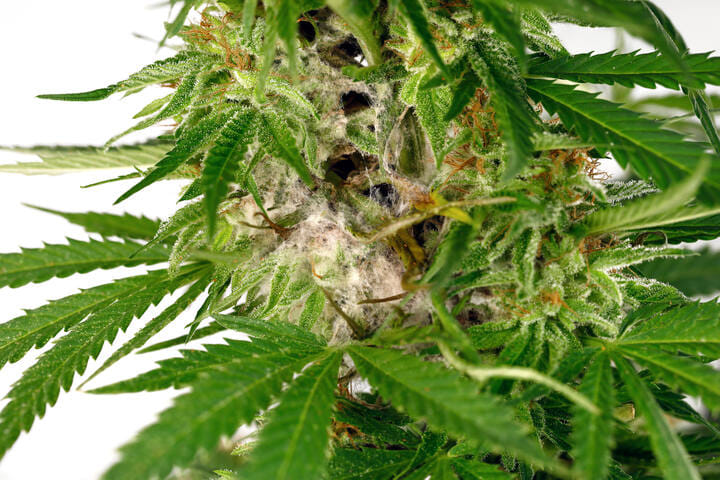
- Botrytis (Bud Rot): This mold can devastate cannabis buds, especially in humid conditions. Prune away affected areas and improve air circulation to prevent its spread. Using a fan to keep the air moving can also help.
- Root Rot: Caused by overwatering and poor drainage, root rot can severely damage the plant’s root system. Ensure your growing medium has good drainage and avoid overwatering to prevent this disease.
By implementing these pest and disease control measures, growers can maintain healthy cannabis plants that produce high-quality, flavorful buds. Organic and sustainable methods not only protect the plants but also ensure that the final product is free from harmful chemicals, preserving the natural taste and aroma of the cannabis flowers.
A Final Word on Passion and Patience
Growing flavorful cannabis isn’t just about following a checklist—it’s an art form that requires passion, patience, and a willingness to experiment. Like brewing the perfect pot of Rooibos tea, the process takes time, care, and a touch of intuition. Using cotton balls soaked in essential oils or extracts during the post-harvest stage can also enhance the flavor of your marijuana.
South African growers, blessed with some of the world’s most favorable conditions for cannabis cultivation, are uniquely positioned to create terpene-rich, flavorful strains. By selecting the right genetics, optimizing growing conditions, and avoiding common mistakes, you can produce buds that are not only potent but a delight to the senses.
As the global cannabis community continues to grow, one thing remains clear: flavorful cannabis isn’t just a trend—it’s the future. So, whether you’re chasing the creamy sweetness of a dessert strain or the tang of tropical fruits, remember that great flavor begins long before you take that first puff. It begins in the soil, the sun, and the hands of a dedicated grower.