
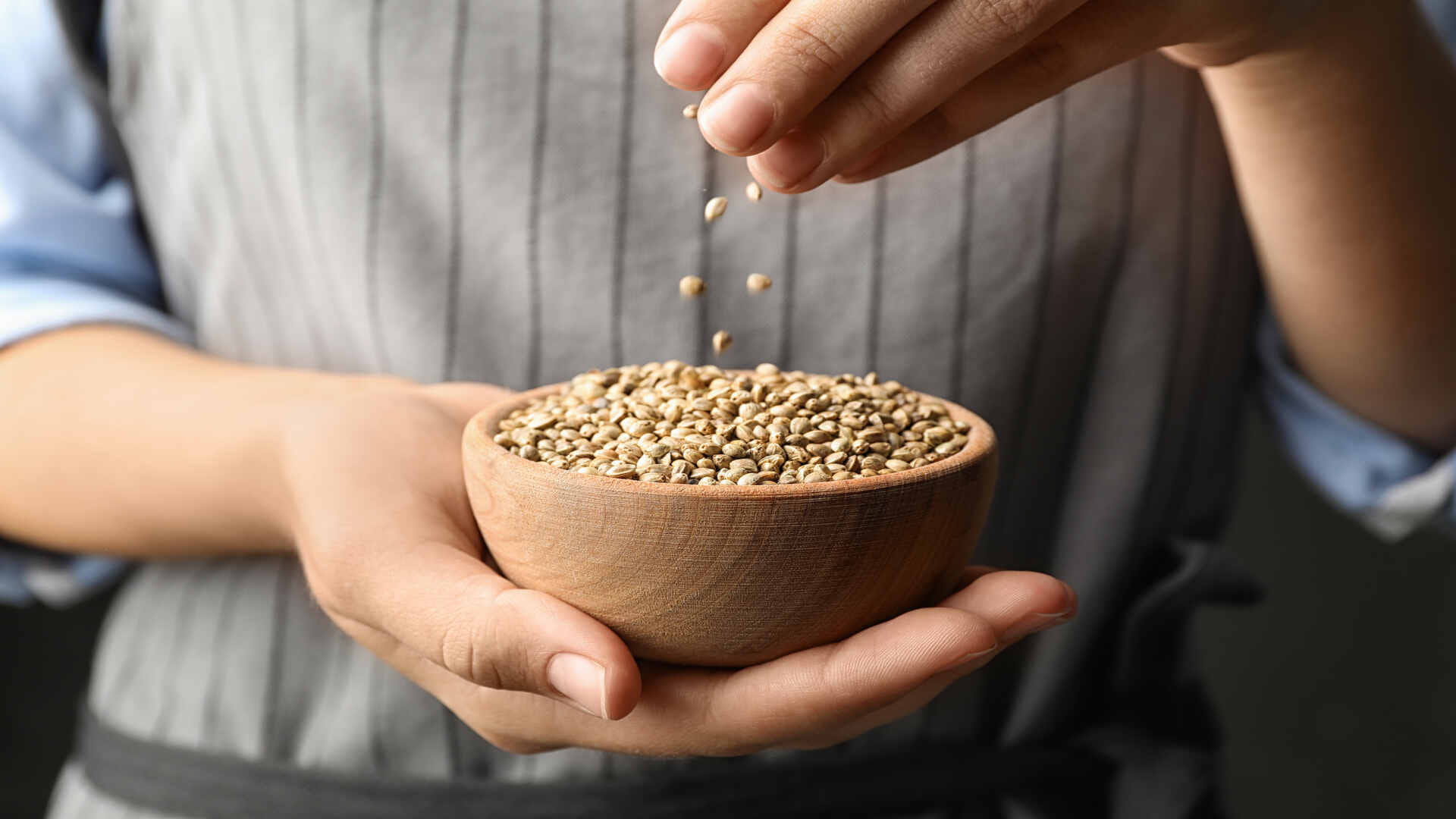

Cannabis has always been something of an enigma—a plant clouded in cultural debate, regulatory complexities, and an astonishing number of uses. Historically cherished as an industrial and medicinal powerhouse, the cannabis plant has gained modern recognition mostly for its psychoactive effects. But what about its seeds? Seeds and nuts have gained attention as a great way to supplement your diet, providing benefits to immune system, digestive function, heart health, and more. So the question is - can you eat cannabis seeds, and should you?
If you’ve ever wondered whether these seeds are worth incorporating into your diet or if they come with any side effects, you're in the right place. Eating cannabis seeds won’t make you high, but it might just improve your health (there's an important caveat, though). This article explores the culinary potential of cannabis seeds, their nutritional value, health benefits, and possible risks. And let’s be clear—these are seeds you could proudly sprinkle over your salad without any raised eyebrows. So, let's dive in and see what science has to say about these tiny treats.
What Are Cannabis Seeds?

Cannabis seeds are the small, oval-shaped seeds of the Cannabis sativa plant. Unlike the buds and leaves that contain the psychoactive compound THC (tetrahydrocannabinol), cannabis seeds are entirely devoid of any psychoactive properties. This is because THC is concentrated primarily in the resinous flowers of the female plant, not in the seeds. Essentially, if you're worried about getting "high" from eating cannabis seeds, fear not; these seeds are more akin to a crunchy snack than a mind-altering substance. The magic happens when you germinate these seeds, plant them in soil or another substrate, and give them water and light. Then, you've got yourself some dagga.
A Quick Note on Hemp Seeds vs. Cannabis Seeds
When discussing edible cannabis seeds, it’s important to note that they are often referred to as hemp seeds, or hemp hearts. Technically, hemp is simply a low-THC variety of Cannabis sativathat has been cultivated for industrial use. So, yes, hemp seeds are cannabis seeds—but from plants with ultra-low THC levels, making them ideal for consumption. In South Africa, something with less that 0.01% THC will qualify as a hemp seed, and is fair game for consumption. Popping open your latest Seedsman order and sprinkling them over your Bobotie is not advisable. We'll cover this later.
Nutritional Composition of Cannabis Seeds
Now that we know cannabis (hemp) seeds are non-psychoactive, what’s in them that makes them worth eating? Nutritionally speaking, cannabis seeds pack punch like Corrie Sanders. They’re loaded with protein, healthy fats, and a variety of vitamins and minerals. Hemp oil, derived from hemp seeds, is also rich in healthy fats and can be used in cooking or applied topically for skin health.
Protein Content of Cannabis Seeds

Hemp seeds are a complete protein source, meaning they contain all nine essential amino acids that the human body can’t produce on its own. They are approximately 25% protein by weight, making them a valuable protein source, particularly for those following plant-based diets. According to a study published in Food Chemistry, the protein in hemp seeds is comparable in quality to egg whites and soy, widely considered two of the best sources of plant-based protein. Hemp seeds are exceptionally high in healthy fats, particularly omega-3 and omega-6 fatty acids. A balanced ratio of omega-6 to omega-3 is crucial for reducing inflammation and promoting heart health, and cannabis seeds hit the sweet spot with a 3:1 ratio, which is considered optimal by many nutrition experts . This makes cannabis seeds a fantastic alternative to other omega-rich foods like salmon or flaxseed.
Not convinced? Former UFC Champion Ronda Rousey is on the record saying that she regularly consumed a spoonful of hemp hearts before her workouts.
Fiber, Vitamins, Minerals, and Essential Fatty Acids in Cannabis Seeds
With both soluble and insoluble fiber, hemp seeds promote digestive health, which could be especially beneficial if you're looking to keep things moving smoothly. Furthermore, they contain a variety of vitamins and minerals, including vitamin E, magnesium, and potassium, which support immune function, muscle health, and cardiovascular well-being. Is there anything this stuff can't do?
Health Benefits of Eating Cannabis Seeds
Given this impressive nutritional profile, it’s hardly surprising that cannabis seeds offer numerous health benefits. Eating hemp seeds can provide a range of health benefits, including improved heart health and overall wellness, without producing a high.
Eating hemp seeds can also promote heart health, aid digestion, and reduce inflammation.
Heart Health
The healthy fats found in cannabis seeds can significantly benefit cardiovascular health. Research indicates that the high levels of arginine—a precursor to nitric oxide found abundantly in cannabis seeds—may help improve blood flow and reduce blood pressure. According to a study in Nutrients, arginine plays a key role in dilating blood vessels, thereby reducing the risk of heart disease .

Skin Health
If you’re looking to keep your skin looking fresh and hydrated, consider adding hemp seeds to your diet. The omega-3 and omega-6 fatty acids help nourish the skin and may even reduce conditions like eczema. A study in The Journal of Dermatological Treatment found that dietary intake of essential fatty acids (EFAs) from sources like hemp seeds reduced skin dryness and itchiness in patients with dermatitis .

Enhanced Digestion
Cannabis seeds are rich in both soluble and insoluble fiber, supporting a healthy digestive system. Soluble fiber helps create a gel-like substance in your stomach that regulates blood sugar and cholesterol, while insoluble fiber provides bulk to stool, promoting regular bowel movements. Regular fiber intake is crucial for preventing digestive issues like constipation, diverticulitis, and irritable bowel syndrome (IBS).
Hormonal Balance
Another surprising benefit of cannabis seeds lies in their potential role in hormonal balance, especially for women. Cannabis seeds contain gamma-linolenic acid (GLA), which has been shown to help regulate hormone fluctuations. A study published in The American Journal of Clinical Nutrition highlights how GLA-rich foods can alleviate symptoms of PMS, such as mood swings and breast tenderness .
Are There Any Risks to Eating Cannabis Seeds?
While cannabis seeds are generally safe and beneficia/ to consumel, not everyone responds the same way. There are some potential risks to consider:

Digestive Discomfort
Eating too many cannabis seeds can cause mild gastrointestinal issues, particularly for those with sensitive stomachs. The high fiber content, while beneficial, may lead to bloating or gas in some individuals, especially if consumed in large amounts. So, if you're going to try it, small doses are recommended.
Interference with Anticoagulant Medications
Because cannabis seeds are rich in omega-3 fatty acids, which have natural blood-thinning properties, they may interfere with anticoagulant medications like warfarin. If you’re on blood-thinning medication, it’s a good idea to consult your doctor before adding a significant amount of cannabis seeds to your diet. Otherwise, the consequences could be scary.
Allergic Reactions
Though rare, some individuals may be allergic to cannabis seeds. If you have allergies to nuts or seeds, it might be best to sit this one out. Allergic relations can be severe, to the point that they can be life-threatening in some cases.
Can Eating Cannabis Seeds Get You High?
If you’re curious whether eating cannabis seeds will get you high, the answer is a resounding no. Unlike smoking cannabis, which involves the psychoactive compound THC, the seeds contain minimal to no THC. This means you won’t experience any mind-altering effects from eating them. Even hemp seeds, a type of cannabis seed, have negligible amounts of CBD and other cannabinoids. So, if you’re looking for a high, traditional methods of consuming cannabis are your go-to. However, eating cannabis seeds can still be incredibly beneficial for your health, offering a wealth of nutritional advantages without any psychoactive effects.
How to Incorporate Cannabis Seeds into Your Diet
If you’re ready to give cannabis seeds a try, there are countless ways to enjoy them. They have a mild, nutty flavor which can be best described as somewhere between sunflower seeds and pine nuts, and can be used in both sweet and savory dishes. Cannabis seeds are an excellent source of protein for those following a vegetarian or vegan diet, providing all essential amino acids. Here are a few ideas:

- Sprinkle them over salads for added crunch and protein.
- Blend them into smoothies to boost the nutritional value.
- Add them to baked goods like bread or muffins for a nutty flavor.
- Use them as a topping for yogurt or oatmeal to make your breakfast more filling.
The possibilities are endless, and since hemp seeds don’t contain any THC, you can enjoy them freely and legally without worrying about any psychoactive effects.
Great. So if you buy a bag of say, White Widow feminized, can you scoff a handful of those?
Good question! In short, no, you wouldn’t want to snack on White Widow feminized seeds—let's explain why.

When people talk about eating cannabis or hemp seeds for nutritional purposes, they’re typically referring to seeds from industrial hemp plants. These seeds are cultivated from varieties bred specifically for low THC content and optimized for high seed production. White Widow, on the other hand, is a famous high-THC cannabis strain, bred to produce potent buds, not nutrient-dense seeds. So while White Widow feminized seeds wouldn’t be harmful in the sense that they’re still just seeds, eating them wouldn’t be practical or beneficial.
Here’s why:
1. Cost and Availability
White Widow feminized seeds are expensive because they’re bred for growing potent cannabis plants, not for snacking. Seeds from cannabis strains like this are usually feminized and specialized, meaning they’re primarily cultivated for planting to grow flowers rather than for eating. A bag of White Widow seeds could cost quite a bit more than a bag of hemp seeds at the grocery store.
2. Nutritional Content
While technically all cannabis seeds contain some nutrients, seeds from industrial hemp plants (those cultivated for consumption) are particularly rich in proteins, essential fatty acids, and other nutrients. Cultivars likeWhite Widow are grown for their flowers, which contain high levels of THC, rather than seed optimization. As a result, seeds from these strains likely won’t offer the same balanced nutritional profile as the seeds bred for food consumption.
3. Limited Quantity
Most THC-rich strains aren’t grown in bulk for their seeds; instead, the seeds are distributed in quantities for growing purposes. A few seeds won’t go very far nutritionally or practically. They also lack the refined processing (such as shell removal) that makes hemp seeds easy to eat.
Bottom Line
If you’re after the health benefits of cannabis seeds, go for a bag of food-grade hemp seeds from a health store. These are nutrient-packed, affordable, and specifically grown for consumption. Save the White Widow feminized seeds for growing, if that’s legal and part of your plan, and leave the snacking to the hemp seeds.
Final Verdict: Should You Eat Cannabis Seeds?
So, can you eat cannabis seeds? If you're talking hemp seeds, absolutely. Not only are they safe, but they also offer an impressive array of health benefits due to their rich protein, fatty acid, and fiber content. Like any dietary addition, moderation is key; a tablespoon or two a day is sufficient to enjoy their benefits without running into potential side effects.
In a world obsessed with kale and quinoa, hemp seeds are a somewhat underappreciated superfood waiting for their time in the spotlight. So, go ahead—embrace the "green" revolution in the least controversial way possible and toss some cannabis seeds into your next meal. Just be prepared for an occasional odd look when you tell people what's topping your salad!
References
Tang, C. H., et al. "Functional properties and in vitro digestibility of hemp protein isolate." Food Chemistry, 2006.
Callaway, J. C. "Hempseed as a nutritional resource: An overview." Euphytica, 2004.
Simopoulos, A. P. "The importance of the omega-6/omega-3 fatty acid ratio in cardiovascular disease and other chronic diseases." Nutrients, 2008.
Wohlrab, J., et al. "Impact of dietary essential fatty acids on skin barrier function in patients with atopic dermatitis." Journal of Dermatological Treatment, 2012.
Horrobin, D. F., et al. "Essential fatty acids and eicosanoids in clinical conditions: An update." The American Journal of Clinical Nutrition, 2000.