
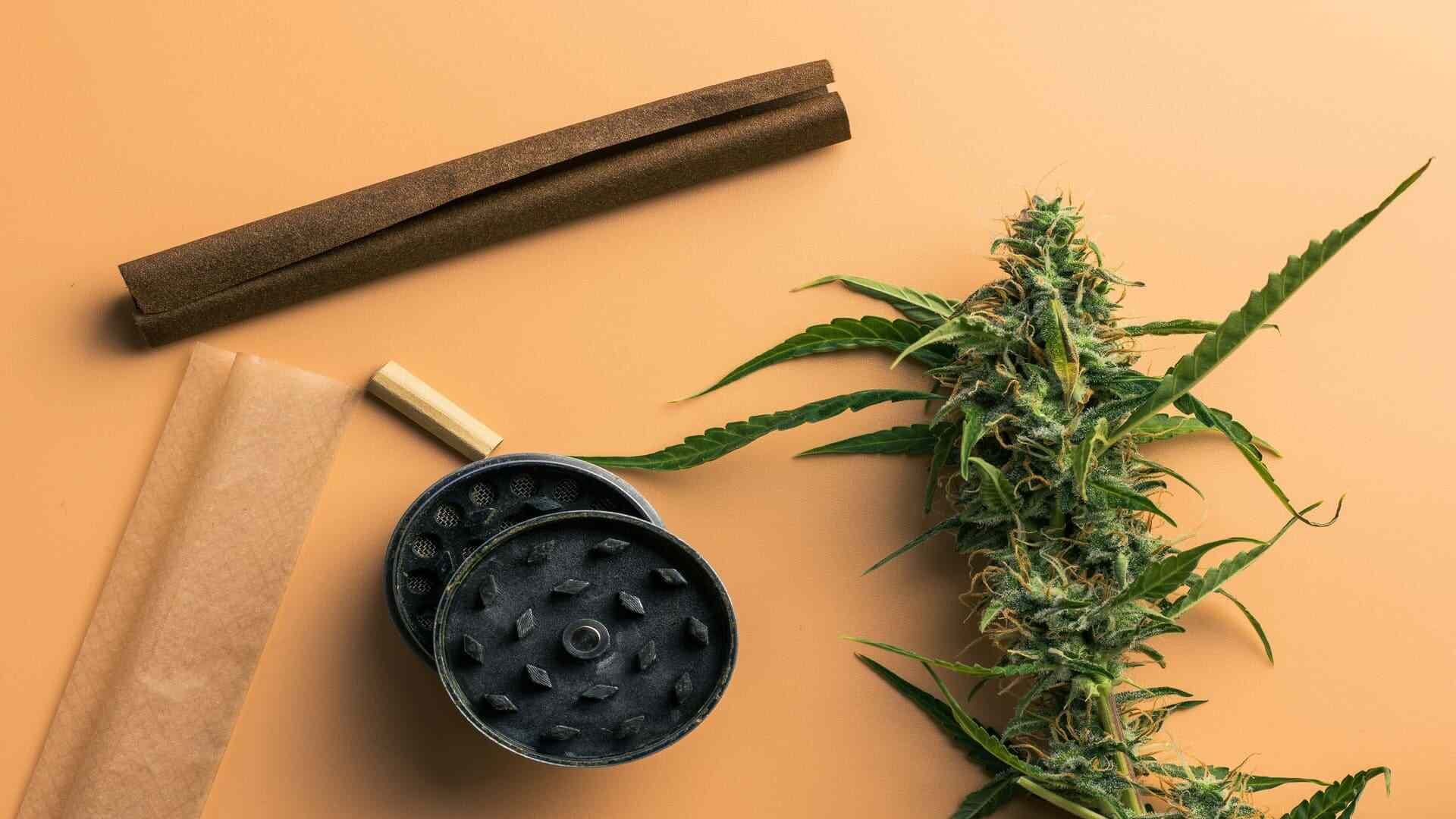

Let’s be honest – cannabis culture has more jargon than a crypto sub-reddit. If you’ve ever nodded along when someone asked you whether you prefer a blunt or a joint while secretly thinking “aren’t they the same thing?” - you’re not alone. Knowing your dagga terminology isn’t just about showing off – it’s also about understanding what you’re putting into your lungs, how it’ll hit you, and how long you’ll be able to pass it around the squad.
When it comes to smoking weed, the methods you choose—like smoking blunts vs joints—offer distinct experiences. Understanding the differences between smoking blunts vs joints is key to making informed choices and enhancing your personal experience within cannabis culture.
Let’s unpack the blunt vs joint debate properly – no fluff, no myths, just the essentials
Blunt vs Joint: What Is A Blunt?

A blunt is the heavyweight of the smoking world – thick, bold, and unapologetically social. It’s made by rolling cannabis inside a blunt wrap, cigar wrappers, often sourced from hollowed-out cigars or cigarillos. The use of these thick papers, typically tobacco-based, is what gives a blunt its distinctive flavor and that slower, steadier burn. You're not strictly tied to cigar wraps here though - there are other tasty alternatives you can use as blunt wraps to make your smoking experience memorable and enjoyable.
Materials Used: Tobacco Leaf
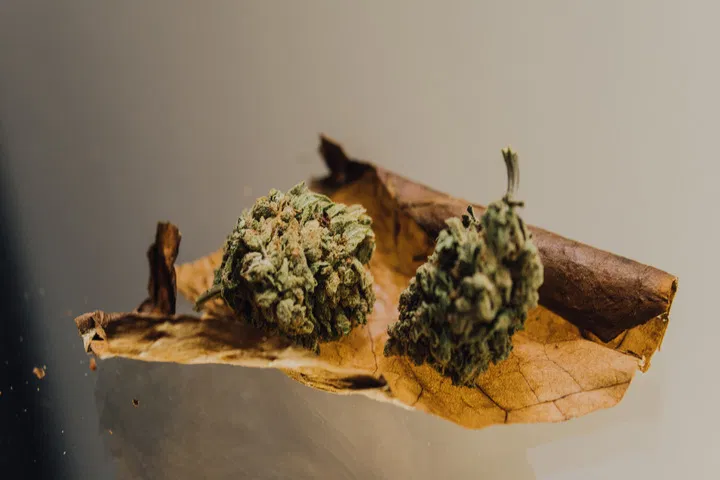
- A cigar or cigarillo: cut open the cigar/tobacco leaf wrapper and empty out the tobacco.
- That wrapper then becomes your paper to fill with cannabis inside, specifically ground weed, before rolling.
- As with a joint, grind up your cannabis flower and pack the ground weed inside the wrapper.
- Since the wrapper has tobacco, you’re getting cannabis plus the additional flavor and nicotine hit.
Blunt Rolling Techniques
Knowing how to roll a blunt takes a bit more skill than rolling a joint, as the process involves opening the cigar, dumping the tobacco, filling with your dagga, rolling, and resealing. Because you’re dealing with a tougher, bulkier wrapper, you’ll need to empty out the original tobacco carefully so not to damage the leaf, hold the wrapper together, fill adequately with weed (not too little, not too much), then roll, seal, and light. The thick papers/wraps can make rolling blunts decidely more challenging, requiring extra care and dexterity to avoid tearing or unevenness. Once you've mastered the art of rolling a blunt, you can go advanced and learn how to roll a backwoods joint like the pros.
Proper rolling technique is important to ensure an even burn throughout the session, but that nice, thick wrapper means it burns slower, lasting longer and making blunts ideal for a shared session.
Typical Blunt Size and Filling
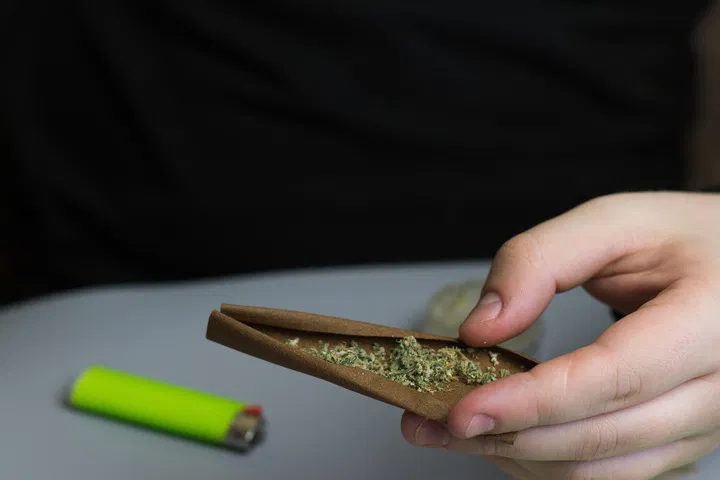
Another clear upside of blunts vs joints is that the larger wrapper can hold much more ground weed than your typical joint. In fact, a blunt might hold anywhere between 4-7 grams of cannabis depending on the size of the wrap. This naturally means not only does it last longer, but everybody partaking gets significantly more high into the bargain. 'Blunt' describes the vessel, but most definitely not the effects - these things are powerful.
Blunt Potency & Effect
Blunts are also known for their potent effects due to the combination of cannabis and tobacco. Potency isn’t only about how much weed you put in, or the THC content; it can be influenced by the inclusion of tobacco. In the case of blunts, the tobacco wrapper adds nicotine (or at least tobacco content) which many smokers say alters the high, often resulting in a stronger, more intense sensation compared to other methods. Some stoners report a sharper, heavier feel because of that extra tobacco element, while others report a more prominent head buzz as a result. The way blunts vs joints work is definitely different—while both deliver similar effects, blunts often provide a more intense experience due to the tobacco content. The flavor will also carry more of the wrapper’s taste (tobacco leaf + cannabis) which gives a much more distinct profile from a plain old joint.
Popularity of Blunts
Blunts are deeply tied to Hip-Hop culture and urban communal smoking scenes., especially stemming back to the 1990s. Artists like Snoop and The Notorious B.I.G practically turned blunt-rolling into an art form. Biggie even rapped “I love it when they call me Big Poppa/ I only smoke blunts if they rolled proper”. That line alone probably sold a thousand boxes of Phillies.
Specific brands of blunt wraps and cigar wrappers are especially popular among enthusiasts, with some smokers preferring the best papers for their durability, burn quality, and ease of rolling. Phillie Blunts and Swisher Sweets are among the favorites of the Hip Hop crowd and have been namechecked plenty in lyrics over the years.
Blunts have also taken center stage in stoner cinema – from How High to Friday, and even Harmony Korine’s highly controversial 1995s movie, Kids, where a step-by-step blunt-rolling scene became iconic for a hot minute. Simply put, the blunt is more than just a smoke – it's a cultural symbol of style. It’s what the big dawgs smoke. The aura around the blunt comes from it being seen as more of a high-roller’s smoke due to the elite cigars wealthy rappers and business types were using as the shell for their blunts. Big, fat, expensive cubans filled with top-shelf weed make a visual statement, even from a distance, that you’re not playing around with your smoke – and that quality matters.
Blunt vs Joint: What Is A Joint?
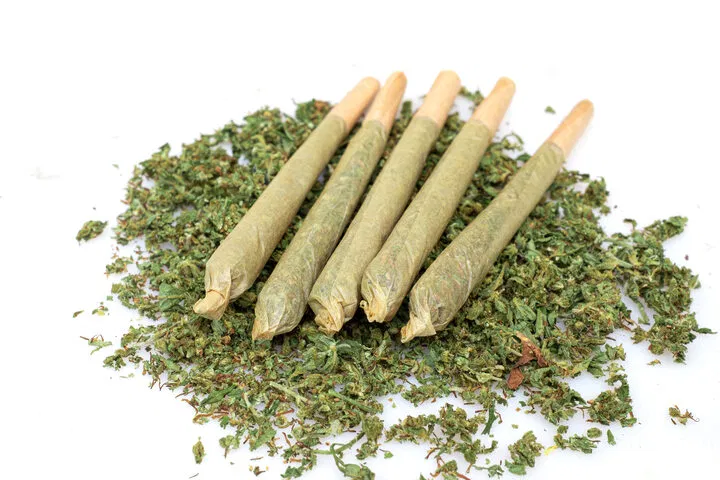
If the blunt is the big hitter, the joint is the everyday companion – quick, clean, and classic. A joint - to the uninitiated - is cannabis rolled in thin rolling paper, typically made from hemp, rice, or flax. Rolling ease is a key advantage of joints compared to blunts, as thin rolling paper makes them easier to handle and seal. For those who prefer a larger joint, king size papers are available to make for easier assembly (gone are the days when you had to stick three Rizlas together to make a big joint). The contents are usually 100% cannabis, and adding tobacco turns it into a spliff.
Further Reading:Spliff vs Joint: What's The Difference?
Joints are the most common and versatile way to smoke. Whether it’s on a 5-minute break or a short walk in the park, a joint is easy to roll, light to smoke, and finished relatively quickly and without any needless ceremony. So - the differences between joints, spliffs, and blunts: joints are cannabis rolled in thin paper, spliffs contain a mix of cannabis and tobacco, and blunts use thicker tobacco leaf wraps for a stronger effect.
Joint Rolling and Thin Rolling Papers
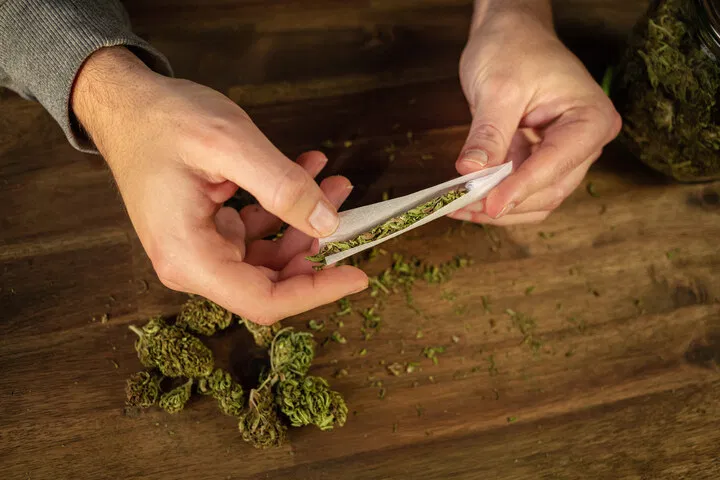
To assemble a joint is fairly straightforward – thin rolling paper (typically used for joints), flower, and if you like to filter your joint, a filter tip (often called a crutch or a roach depending on your area). Sprinkle in the weed, roll, lick, twist – and that’s it. Thin rolling paper offers excellent rolling ease, making it accessible for beginners due to its easy handling and smooth sealing. No major surgery required. With a little practice or good instructions, even a beginner can produce a decent joint in a couple of minutes. Your main concern is really to make sure it's not too tight or baggy, and it won't burn too fast.
Joint Potency and Profile
Because joints don't contain any tobacco, the flavor profile is pure cannabis – nothing but delicious dagga (and maybe a hint of paper). You get the terpenes, not the tobacco. The high is cleaner, lighter, and often more cerebral. Joints produce marijuana smoke that is typically less harsh than the smoke from blunts or spliffs containing tobacco, making them a smoother option for many users. The burn time is a bit shorter than a blunt’s but that’s part of the appeal – it’s quick and efficient, allowing you to get your groove on without delay.
Cultural Roots of The Joint
Joints have long been tied to counterculture – from hippie profests and surf vans in the 1960s to college dorms and the coffee shops of Amsterdam in the 1990s. They’re iconic, of course, appearing in countless films, songs, and even memes. Smoking joints has become an iconic part of cannabis culture, often depicted in media and associated with various subcultures. When most people picture someone blazing up, it’s a joint in their hand, not a cigar wrap.
Blunt vs Joint: The Key Differences
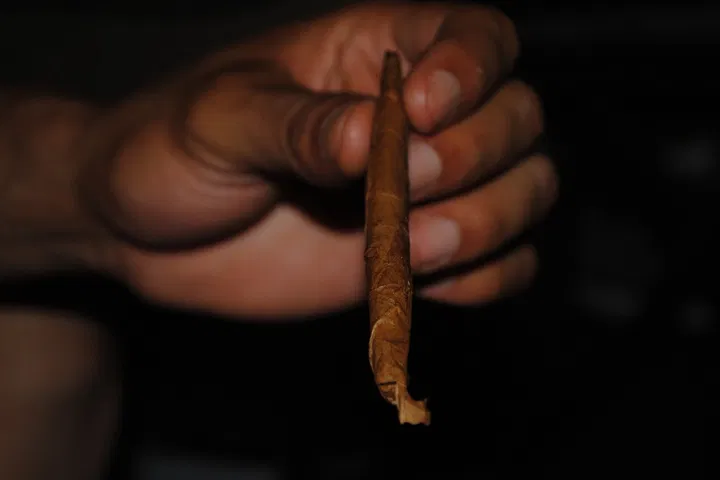
Both blunts and joints deliver cannabis, but they do it in very different ways. Here’s a quick breakdown of the differences between blunt vs joint, focusing on their contents and effects:
Wrapper: Blunts use a tobacco leaf or cigar wrap, with cannabis inside. Joints use rolling papers and also have cannabis inside.
Tobacco content: Every blunt contains tobacco by default from the wrap. Joints are usually pure cannabis.
Size and burn: Blunts are bigger, thicker, hold more flower, and burn slower. Joints are smaller, thinner, and burn faster.
Flavor: Blunts have that earthy tobacco undertone; joints taste purely of whatever cannabis strain you choose.
High: Blunts feel heavier and more sedative. Joints are smoother and a bit more predictable.
Health note: Smoking tobacco and inhaling tobacco smoke, as in blunts and spliffs, carries additional health risks compared to pure cannabis smoke. Consider the health implications of tobacco smoke when choosing your preferred method.
When it comes to choosing between blunt vs joint, it’s not about which is better – it’s about which suits your mood and the occasion. Are you in for a long, social smoke? Go with a blunt. Want a quick clean hit of your favorite dagga? Roll a joint.
Blunt v Joint: Pros and cons
Blunt Pros:
- Slower burn for longer sessions
- Rich, complex flavor profile
- Perfect for group smokes
- Cultural cred and visual impact
Blunt cons:
- Not everyone loves tobacco
- Smoking tobacco in blunts increases health risks due to the presence of tobacco leaf wraps.
- Harder to roll (and often messier)
- Uses more flower per smoke – so you’ll race through your stash quicker
Joint Pros:
- Simple to roll
- Purer cannabis experience
- Quick, discreet
- Cleaner flavor, lighter feel
Joint Cons:
- Burns a lot faster
- Smaller size
- Not as flashy for group use
In short summary of blunts vs joints; blunts are indulgent and more social; joints are practical and pure.
Blunt vs Joint: Health Considerations
No matter how you choose to consume cannabis—choosing from blunt vs joint—health considerations should always be top of mind. Smoking cannabis, especially when mixed with tobacco, exposes your lungs to harmful chemicals produced by combustion, including carcinogens and fine particulate matter. The nicotine content in tobacco leaf wraps and added tobacco can also lead to addiction and other health risks, making it important for cannabis smokers to weigh the pros and cons of their preferred smoking methods.
The cannabis industry has responded to these concerns by offering high-quality rolling papers, filters, and even vaporizers as a convenient alternative to traditional smoking. Using thin rolling papers and avoiding excessive smoking can help reduce some risks, but it’s worth remembering that any form of smoke—whether from cannabis or tobacco—can impact lung health. As cannabis consumption becomes more mainstream, more smokers are exploring other forms of intake, such as edibles or vaping, to minimize health risks while still enjoying the effects of cannabis.
Blunt v Joint: Social Aspects

Smoking cannabis has always been about more than just getting high—it’s a social ritual deeply woven into cannabis culture. Whether you’re passing around a well-rolled joint at a festival or sharing a blunt at a party, joints and blunts are all about connection and community. Hip hop culture, in particular, has elevated blunt smoking to iconic status, with countless artists referencing blunts in their lyrics and videos, making them a symbol of style and camaraderie.
The rise of legal recreational cannabis in some areas has also led to new social spaces, like dispensaries and cannabis lounges, where enthusiasts can gather, share, and celebrate their love of the plant. As the cannabis industry continues to grow, so do the opportunities for socializing and building community around cannabis use. Of course, it’s always important to smoke responsibly and respect local laws, but as attitudes shift and cannabis becomes more accepted, the social side of smoking is only set to get bigger and better. Whether you’re exploring the wonders of blunts vs joints, or bongs vs vapes, the shared experience is what truly sets cannabis culture apart.
Blunt vs Joint: How Many Joints Equal One Blunt?
Here’s a question that often pops up: How many joints are equal to one blunt?
It’s a bit like asking how many pints equal one pitcher – it all depends on the pitcher size and who’s pouring. Generally speaking, a joint will hold no more than a gram of ground weed, while a blunt can pack from 3-4 grams or more of ground weed, depending on the size of the cigar you’re filling.
By that token, one blunt is equal to anywhere from 3-7 joints. The nicotine and longer burn can make it feel even stronger, though. In practical terms, one blunt filled with tightly packed ground weed could easily outlast a handful of joints at a casual smoke-up. Blunts, then, are decidedly more of a handful, and therefore best suited to the group sesh with you and a few friends. If you’re flying solo with one of these bad boys, it should last you a few hours and is definitely not something you want to puff in one sitting. The amount of cannabis flower contained within may guide your decision on whether to smoke a blunt vs a joint.
Blunt vs Joint: In Conclusion
Now that cannabis is finally legal in South Africa, searches for blunt v joint have spiked, and it’s not just about knowing the language. As legal markets grow, new users want clarity about what they’re consuming – and what kind of experience to expect. Knowing the ins and outs of blunt v joint helps you buy the right gear, control your dose, and tailor both your high and your overall experience.
Blunt enthusiasts tend to chase the riual and that premium flavor, while joint fans appreciate the simplicity and the old-school nature that comes with a pure joint. Both methods have a loyal following, and both serve different moods and social setting. That’s why blunt vs joint is such a heavily googled cannabis question – understanding the subtle differences is key for anyone exploring different experiences.
Think of a blunt as a capuccino with whipped cream, chocolate powder and two sugars; while a joint is a clean black Americano with no frills, all flavor. Whichever you choose, roll it right, share it kindly, and remember to enjoy it responsibly.