
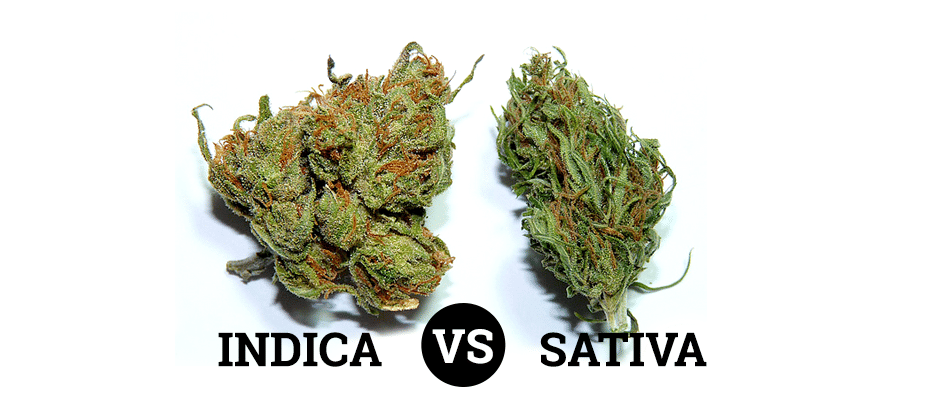
For decades now, cannabis enthusiasts have used the terms indica and sativa to describe different types of cannabis. But what are the differences between indica vs sativa? Ask almost any experienced grower and they'll tell you that indicas are short, bushy plants that deliver a relaxing body effect. They'll likely describe sativas in terms of tall, elegant plants known for more uplifting, cerebral effects. It sounds relatively straightforward.
The reality, though, is a little more complicated.
Modern cannabis research has revealed that while the physical differences between indica and sativa plants are often easy to spot, predicting a strain's effects based solely on those labels is far less reliable than many people once believed [1].
That doesn't mean the terms are useless. Far from it. Indica and sativa still provide growers with a useful way of describing plant structure, growth patterns, flowering times, and to some extent, expected effects. Understanding the differences between indica vs sativa can help you choose the right genetics for your garden and gain a deeper appreciation for the remarkable diversity within the cannabis plant.
What Do Indica and Sativa Actually Mean?
The terms Cannabis indica and Cannabis sativa originated as botanical classifications used to describe cannabis plants from different regions of the world [2].
Traditionally, indica varieties were associated with regions such as Afghanistan, Pakistan, and parts of India, where harsh mountain environments favored compact, resilient plants. Sativas, meanwhile, were linked to equatorial regions including Thailand, Colombia, and parts of Central America, where long growing seasons allowed plants to stretch toward the sun.
Over generations, these environments shaped the characteristics growers still recognize today. However, modern genetic studies have shown that the relationship between a plant's appearance and its chemical profile isn't t always as clear-cut as previously thought [3]. As a result, today's growers will discuss indica vs sativa primarily as descriptions of growth traits rather than strict scientific categories.
Physical Differences Between Indica vs Sativa Plants
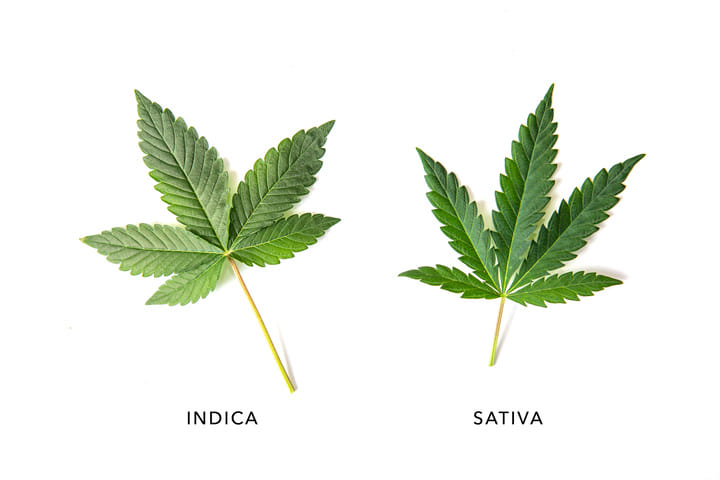
When comparing indica vs sativa, as outlined above, indica varieties can normally be told apart from sativas by their short, bushy stature and broad leaves. Sativas, on the other hand, tend to be much taller with noticeably thinner leaves. And there's more to the the differences than that..
Indica Characteristics
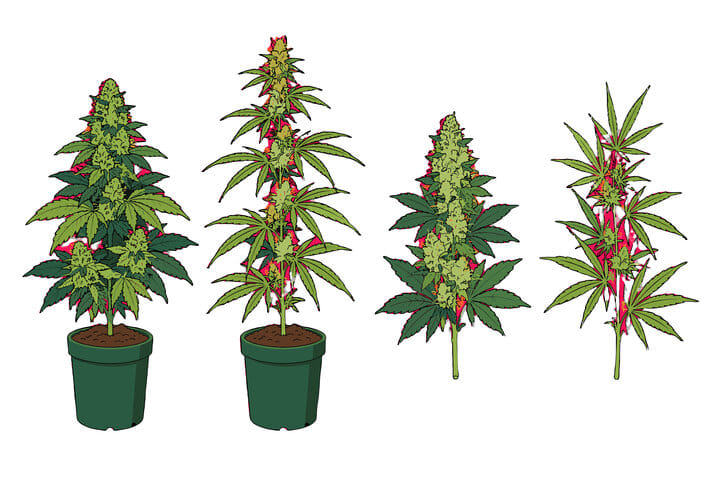
Indica plants typically feature:
- Short, compact growth
- Thick stems with dense branching
- Broad, dark green leaves
- Dense, chunky flowers
- Faster flowering times
Their compact size makes them particularly popular with indoor growers, where space is often limited.
Sativa Characteristics
Sativa plants generally display:
- Tall, vigorous growth
- Longer internodal spacing
- Narrow-fingered leaves
- Airier flower structure
- Longer flowering periods
Given enough room, some pure sativas can grow to impressive heights. In their natural environment, they evolved to thrive in regions with long seasons and abundant sunlight.
For growers, observing these differences between indica vs sativa can become second nature. Spend enough time tending plants and you begin to recognize the subtle signals they give off. Growth patterns, leaf shape, vigor, and flowering behaviour all tell part of the story.
Indica vs Sativa: Do They Produce Different Effects?

When comparing all the attirbutes of indica vs sativa cannabis, one thing is especially true: consuming traditional indica and sativa varieties leads to the conclusion that the effects can feel worlds apart.
Indicas tend to be associated with deeply relaxing physical sensations. They're often linked to the infamous "couch-lock" effect and have long been favored by consumers looking to for help with relaxation or getting a good night's sleep.
Related Article:10 Best Couch-Lock Strains
This is no doubt where the lazy stoner stereotype originates. Most cannabis enthusiasts have experienced that moment after a particularly potent indica session when getting up to grab a snack suddenly feels like a major expedition.
Sativas are often associated with feelings of uplift, creativity, and mental stimulation. Their effects are commonly described as a "head high" because they're perceived as more cerebral than physical.
But here's where things get interesting between indica vs sativa cannabis.
Modern research suggests that these effects may have less to do with whether a strain is labelled indica or sativa and more to do with its unique cannabinoid and terpene profile [1] [4].
Related Article:What Are Terpenes?
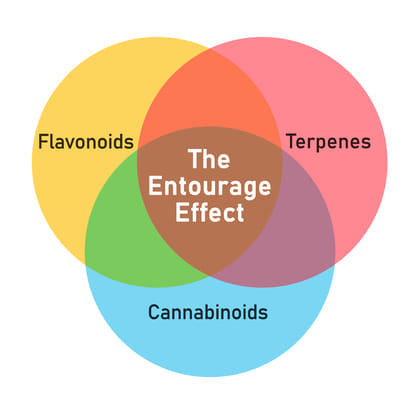
Compounds such as THC, CBD, myrcene, limonene, pinene, and countlesss others interact together to shape the overall experience. This phenomenon is often referred to as the entourage effect, where multiple compounds work together in ways that scientists are still actively striving to understand [5].
In other words, two strains labelled "indica" may produce noticeably different experiences, while a sativa-dominnt hybrid might deliver effects that feel surprisingly relaxing.
Indica vs Sativa: Why Sativas Usually Take Longer To Grow
The other main difference between indica vs sativa is one that growers notice long before harvest.
To put it bluntly (no weed pun intended), sativas generally take much longer to finish flowering than indicas. Many indica varieties average 10-12 weeks of flowering, but some may be ready to harvest in as little as 7-9 weeks, while pure sativas may take 12-16 weeks or even longer [6]. Their tendency to stretch significantly during flowering can also make them challenging for indoor cultivation.
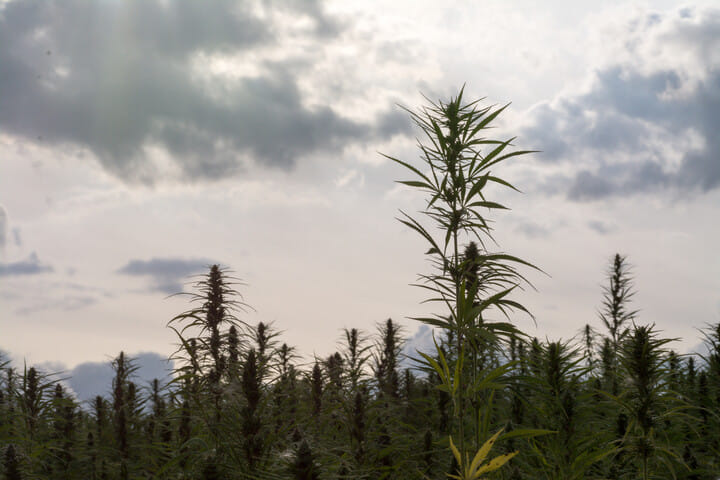
For commercial growers, these factors can translate into higher costs, longer production cycles, and reduced efficiency. As a result of this, many breeders focus on creating hybrid cannabis varieties that preserve desirable sativa traits, but seek to shorten flowering times and improve yields.
Why Hybrid Strains Tend To Dominate
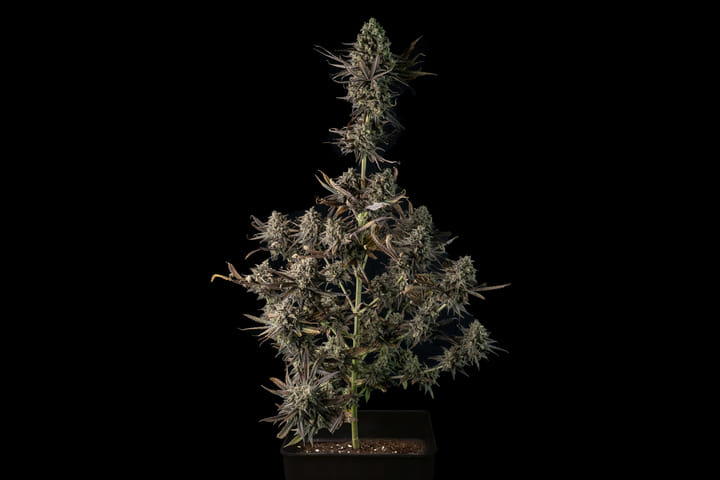
Now that we've covered the traditional differences between indica vs sativa, it's time to throw a spanner in the works. In today's cannabis marketplace, finding a genuinely pure indica or pure sativas is becoming increasingly rare. Most modern cannabis varieties are hybrids.
Through decades of selective breeding work, growers have crossed genetics from around the worlds to create plants that combine desirable characteristics from both indica and sativa lineages [3]. This process has allowed breeders to develop strains with:
- Higher yields
- Enhanced flavor profiles
- Greater resilience against pests and disease
- Faster flowering times
- More balanced effects
- Better suitability for indoor growing
The result is an incredibly diverse cannabis landscape, where less and less strains fit neatly into one category. Thus, we see modern hybrid strains such as Blue Dream, Green Crack, and Sour Diesel enjoying immense popularity.
Indica-dominant vs Sativa Dominant Hybrids
While most strains nowadays are hybrids, the indica and sativa labels haven't completely disappeared. Instead, of simplifying it to indica vs sativa, growers and seed stores now commonly refer to strains with a little more nuance:
- Indica-dominant hybrids
- Sativa-dominant hybrids
- Balanced hybrids (where traits of each are present but neither particularly dominates)
An indica-dominant hybrid may still display shorter growth patterns and relaxing effects, while a sativa-dominant hybrid might stretch more vigorously and deliver a more energetic high.
Think of it less as a strict rulebook and more of a guide. Just as no two gardens are identical, no two cannabis varieties are exactly alike. Every strain represents generations of breeding decisions, environmental influences, and unique chemistry.
For today's cannabis growers, understanding dominance provides some really helpful clues, but in reality, cannabinoid and terpene profile often tells a more complete story.
Indica vs Sativa: Which is Better?
When comparing indica vs sativa, we can observe a number of differences, but as for the question of whether one is 'better' than the other, the honest answer is neither. For consumers, it depends entirely on personal preference. But for growers, it can depend on the environment you have or make available for growing. The beauty of cannabis lies in its diversity. Some growers love cultivating towering sativas that demand patience and reward it with unique aromas and effects. Other prefer compact indicas that fit neatly into compact spaces and finish faster. Many of today's growers find the sweet spot somewhere in the middle with carefully selected hybrids.
Like many aspects of cultivation, choosing genetics is ultimately a personal journey. The more time spent growing, observing, and learning, the more we appreciate that cannabis rarely fits into simple boxes. Every seed carries its own potential, and every harvest teaches something new.
Indica and sativa remain useful concepts, but as part of a much bigger story. Understanding how plant structure, cannabinoids, terpenes, and breeding history all work together offers a far richer understanding of cannabis than labels alone ever could.
Frequently Asked Questions
Is indica stronger than sativa?
Not necessarily. When comparing indica vs sativa, potency is determined primarily by cannabinoid content such as THC percentage, rather than whether a strain is labelled indica or sativa.
Are pure indica and pure sativa strains still available?
They do still exist, but they're far less common than they once were. Most modern cannabis varieties contain genetics from both lineages.
Why do some indica strains feel energising?
Effects are influenced by a strain's full chemical profile, including cannabinoids and terpenes, not simply by classification as indica or sativa.
What is the difference between an indica-dominant and a sativa-dominant hybrid?
An indica-dominant hybrid tends to express more indica-like growth traits and effects, while a sativa-dominant hybrid expresses more characteristics commonly associated with sativas.
---------------------------------------------------
References
[1] Piomelli, D. & Russo, E. B. (2016). The Cannabis Sativa Versus Cannabis Indica Debate: An Interview with Ethan Russo, MD.
[2] Clarke, R. C. & Merlin, M. D. Cannabis: Evolution and Ethnobotany. University of California Press.
[3] Sawler, J. et al. (2015). The Genetic Structure of Marijuana and Hemp. PLOS ONE.
[4] Lewis, M. A. et al. (2018). Cannabinoid and Terpene Data Do Not Support the Classification of Cannabis as Indica and Sativa. Scientific Reports.
[5] Russo, E. B. (2011). Taming THC: Potential Cannabis Synergy and Phytocannabinoid-Terpenoid Entourage Effects. British Journal of Pharmacology.
[6] Clarke, R. C. Marijuana Botany: An Advanced Study. Ronin Publishing.


