


Key Takeaways
- August is a pivotal month for outdoor cannabis growers in the Northern Hemisphere, as many plants enter or progress through flowering.
- Prioritising plant health, airflow, and pest prevention now can significantly improve harvest quality
- Daily inspections help catch problems like bud rot, caterpillars, and nutrient deficiencies before they spread
- Heavy branches often need additional support as flowers develop and gain weight
- Preparing for harvest early makes the final weeks of the growing season less stressful.
- August is the time to protect flowering plants
August is one of the most important months of the outdoor cannabis growing season. After weeks of packing on mass in the vegetative stage, many photoperiod plants are now producing clusters of beautiful aromatic flowers that will continue to swell as harvest approaches. It's an exciting time, but while tempting to stand back and admire things, it's also when growers need to stay extra vigilant and be sure to protect flowering plants.
Late summer brings a unique combination of challenges. Heavy buds become vulnerable to snapping, warm weathers encourage pests, and increasing humidity can create the perfect conditions for mould and bud rot. Small problems that go unnoticed for a few days can quickly become much larger ones.
The good news is that little attention goes a long way. Spending just a few extra minutes with the plants each day gives growers the chance to spot issues early and protect flowering cannabis plants so they finish the season as strong and healthy as possible. This August checklist will help growers stay one step ahead and keep those outdoor cannabis plants on track.
10 Essential Jobs To Protect Flowering Plants
Inspect Your Plants Every Day
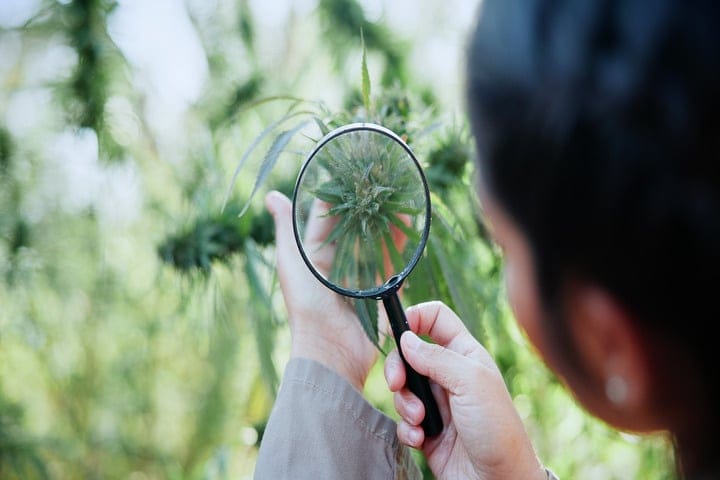
The single most valuable habit you can develop during August to protect flowering plants is a daily inspection. Problems are much easier to solve when they're caught early. A tiny patch of mould, a pocket of aphids, or a broken branch can often be dealt with in minutes. Leave the same issue unchecked for several days, and it may spread throughout the plant, putting your harvest in jeropardy.
During each inspection, check:
- New flower development
- Leaves, for discolouration or unusual spots
- The undersides of leaves for insects and eggs
- Branches for cracks or damage
- Buds for any signs of mould or decay
Take your time and inspect every plant from different angles. Dense flowering sites with clusters of buds can hide problems that aren't immediately visible from above.
2. Support Heavy Branches
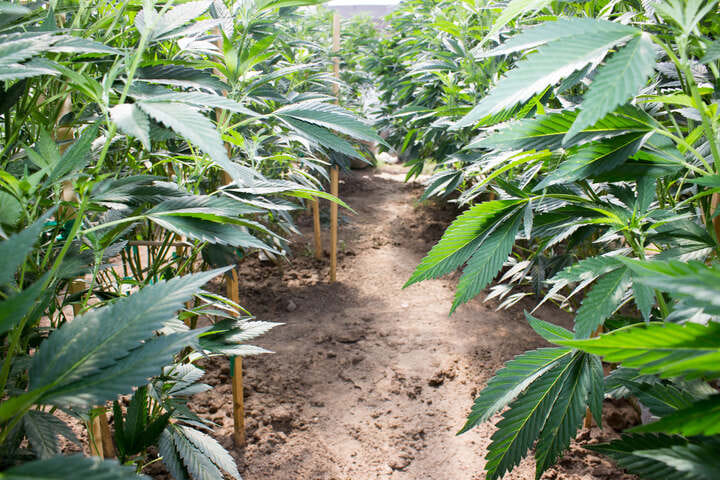
Healthy outdoor cannabis plants can produce surprisingly heavy flowers during late summer. Combined with wind or rainfall, these weighty branches can bend or even snap under pressure.
Supporting branches before they become overloaded is essential if you want to protect flowering plants, and far easier than trying to repair damaged limbs later.
Simple support options include:
- Bamboo canes
- Garden stakes
- Soft plant ties
- Tomato cages
- Trellis netting
When tying branches, avoid pulling them too tightly. Leave enough room for stems to continue thickening throughout flowering without restricting growth.
A few minutes spent adding support now can protect flowering plants and save weeks of growth from being lost further down the line.
3. Stay Ahead of Bud Rot
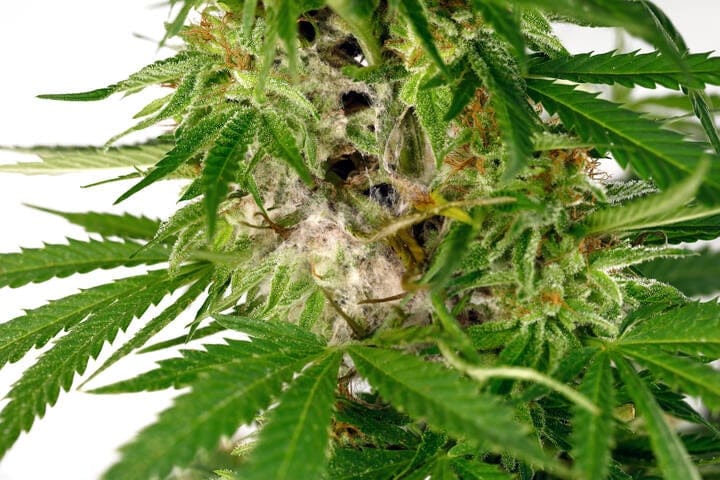
Bud rot is one of the biggest threats facing outdoor growers as flowering progresses through August. Bud rot is caused by fungal pathogens, often forming inside dense flowers where moisture becomes trapped. It's a problem that can be easily missed because the outside of the bud may appear perfectly healthy while decays spreads through the centre.
Risk factors include:
- Frequent rainfall
- Morning dew
- High humidity
- Poor airflow
- Dense flower clusters
Protect flowering plants and reduce the risk of bud rot by encouraging good air circulation around the plants, removing dead foliage, and avoiding overhead watering where possible.
If infected buds are found, remove them immediately using clean scissors. Immediately dispose of the material away from the growing area. Never compost infected flowers, as fungal spores may survive and spread to other plants. Early detection and removal is the best way to protect flowering plants against bud rot and losing large sections of the harvest.
Related Article:How To Prevent Bud Rot
4. Watch Out for Late Season Pests
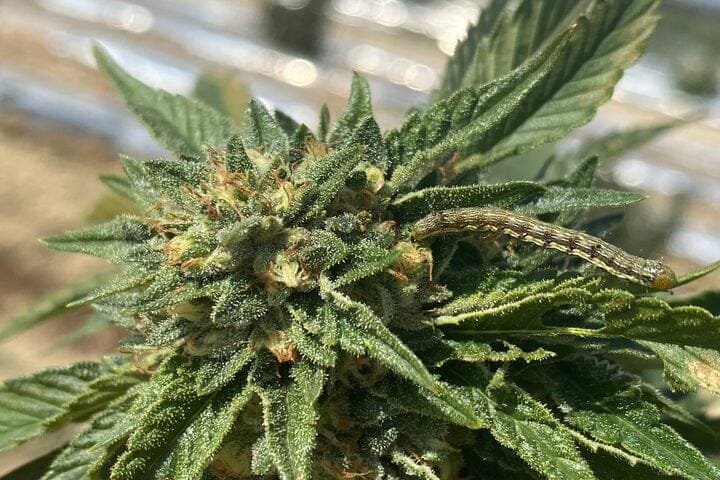
Flowering is underway, but insects haven't disappeared. There's a new banquet for them to feast upon. Several pests remain active throughout August and can damage leaves, flowers and stems if left unchecked. While terpenes can protect flowering plants from certain pests - for example, limonene is toxic to fruit flies and ants - other insects can still make themselves at home on leaves and stems if left unchecked.
Common late-season pests include:
- Caterpillars
- Spider mites
- Aphids
- Whiteflies
- Slugs and snails
Caterpillars deserve particular attention because they often burrow directly into developing buds. Their feeding damage creates entry points for fungal diseases, increasing the llikelihood of bud rot.
Regular inspection serve as a vital first step to protect flowering plants, allowing growers to remove pests before populations become established.
5. Remove Damaged or Diseased Leaves
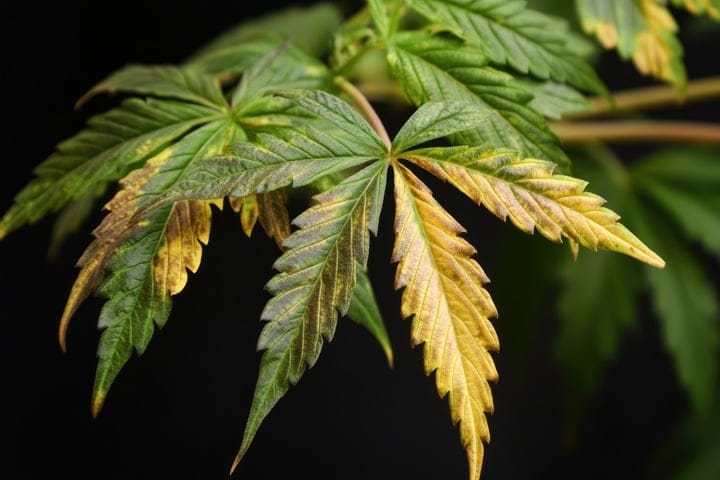
By August, plants have already built most of the foliage they'll need to complete flowering. While selective pruning can improve airflow, this isn't usually the time for aggressive defoliation. Removing too many healthy leaves may reduce the plant's ability to produce energy during one of its most important growth stages.
Instead, protect flowering plants by focusing on removing:
- Yellowing leaves
- Dead foliage
- Any leaves showing disease symptoms
- Damaged material touching the soil
This simple maintenance improves airflow around developing flowers, allowing healthy fan leaves to continue supporting bud production. Always use clean, sanitised pruning tools to reduce the risk of spreading disease between plants.
Related Article:Cannabis Defoliation: When It Helps And When It Hurts
6. Feed for Flowering, Not Foliage
By August, most outdoor photoperiod cannabis plants have shifted their focus from producing leaves and stems to developing flowers. Your feeding routine should reflect this change.
Bloom nutrients are typically lower in nitrogen and contain higher levels of phosphorus and potassium, which support flower development throughout the remainder of the season. However, growers should avoid making sudden or excesive changes. Overfeeding is one of the most common mistakes growers make at this stage, thinking more feed will surely equal more (or bigger) flowers. The reality is that overfeeding cannabis plants during flowering can lead to a condition called nutrient lockout, where plants can't access sufficient nutrients, or reduced plant health.
While going about the daily checks, growers should keep an eye out for signs of deficiency such as unusual yellowing, purple stems, or leaf discolouration. Then, adjust feeding gradually if necessary. Healthy green foliage and steadily swelling buds are usually good indictors that plants are receiving what they need.
Related Article:How Do I Fix Nutrient Lockout In Cannabis Plants?
7. Be Consistent With Watering
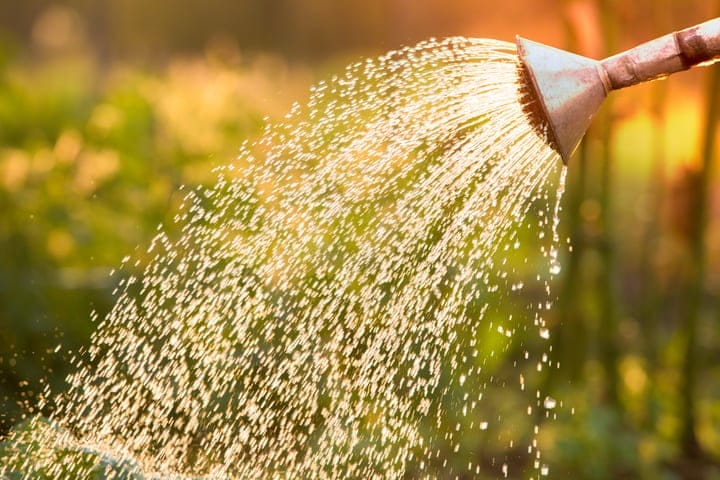
August weather can be unpredictable, with some areas in the Northern Hemisphere experiencing weeks of baking sunshine. Heatwaves can dry containers quickly, while the opposite - prolonged rain - can leave soil saturated for days.
Careful watering habits are a key step to protect flowering plants. Aim to maintain consistent soil moisture without allowing the growing medium to become either bone dry or permanently waterlogged. Deep, thorough watering encourages roots to grow downwards in seach of moisture, helping plants cope better during hot weather.
Watering early in the morning is generally preferable, giving excess moisture time to evaporate before cooler evening temperatures arrive. If heavy rain is forecast, consider moving container-grown plants under termporary shelter where practical, or improve drainage around plants growing in the ground.
Related Article:How To Water Cannabis Plants Using Rainwater
8. Check Plant Security
As plants speed through the lifecycle, they become more noticeable. Taller plants, stronger aromas, and increasingly visible flowers can attract unwanted attention from both people and wildlife. Take a few minutes each week to assess the growing area.
Questions to ask:
- Have recent growth spurts made them more visible?
- Are branches secure enough to withstand strong winds?
- Is fencing still effective at keeping out animals?
These are all questions that have to be asked to make sure you successfully protect flowering plants. If you can answer yes to any of these, your plants are exposed to the elements and pests/predators. Simple precautions can help protect months of hard work.
9. Prepare For Harvest Earlier Than You Need To
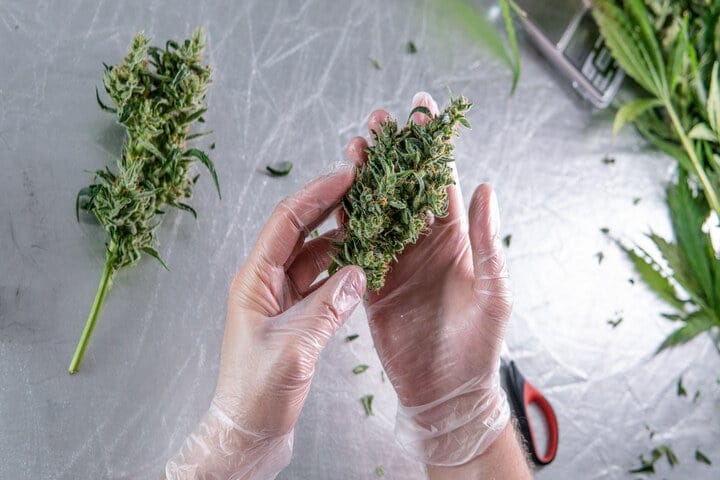
Harvest has a habit of arriving faster than expected, particularly with early-finishing cultivars. Rather than scrambling to find equipment at the last minute, if you prepare everything well in advance, you'll be ready to go when your plants are.
A simple harvest checklist might include:
- Sharp trimming scissors
- Disposable gloves
- Drying lines or racks
- Hygrometer and thermometer
- Glass curing jars
- Cleaning supplies for the drying area
While this is not necessarily a means to protect flowering plants, it's a good planning step to take to ensure everything is ready for harvest ahead of time.
10. Keep A Grow Diary
A grow diary isn't just useful for beginners. Experienced growers also benefit from keeping detailed notes throughout the season. This might not seem like a method to protect flowering plants, but the information growers log in diary can help to track plant behaviour, likes and dislikes around nutrients and watering, and more.
Growers may want to record information such as:
- Feeding schedules
- Watering frequency
- Weather conditions and plant responses
- Pest sightings
- Flower development
- Any problems encountered
- Estimated harvest dates
These records become incredibly valuable when planning future growers. Growers can quickly identify which cultivars best in their local climate and which growing techniques produced the healthiest plants. Even a few notes on your phone can make a big difference next season.
Bonus: 5 Things Not To Do In August
Sometimes knowing what do avoid is just as important as knowing what to do. Growers may wish to avoid these common mistakes:
Don't top your plants. Many growers find major training techniques are best completed during vegetative growth. Topping during flowering can slow development and stress the plant.
Don't transplant. Moving plants into bigger pots this late in the season can shock the root system and interrupt flowering.
Don't ignore small patches of mould. Bud rot spreads quickly. Removing infected material immediately can prevent losing much larger sections of the plant.
Don't overfeed. Being heavy-handed with the nutrients doesn't guarantee bigger harvests. Healthy plants generally perform better with consistent feeding than excessive feeding.
Don't assume every plant witll finish at the same time. Harvest windows vary considerably between cultivars, so monitor each plant individually rather than relying solely on the calendar.
Final Thoughts
August is where patience begins to pay off. The weeks ahead will largely determine the quality of your harvest, making regular inspections and preventative maintenance more important than ever.
Fortunately, success doesn't usually require hours of work each day. Spending a few minutes checking and implementing any necessary measures to protect flowering plants can make a significant difference by harvest time. Support heavy branches, look out for pests and maintain good airflow to keep thinks ticking over without headaches.
Stay observant, respond quickly to any problems, and let the plants do what they've been preparing for all season. With a little care now, you'll give your outdoor cannabis crop the best possible chance of finishing strong.
Protect Flowering Plants FAQS
Should I still prune cannabis plants in August?
Only remove dead, damaged or diseased leaves, or small amounts of foliage if airflow is severely restricted. Heavy pruning during flowering can unnecessarily stress the plant.
How often should I water outdoor cannabis in August?
There's no universal schedule. Water when the growing medium begins to dry rather than following a fixed timetable. Temperature, rainfall, plant size and soil type all influence water requirements.
What's the biggest threat to outdoor cannabis in late summer?
For many growers, bud rot is the greatest concern. Warm temperatures combined with high humidity, rainfall and dense flowers create ideal conditions for fungal diseases.
Is August too late to train cannabis plants?
Major training techniques such as topping are usually best avoided by August. If necessary, gentle branch support or minor adjustments are generally safer than high-stress training.
How do I know when harvest is getting close?
Keep an eye on flower development and trichome maturity. Harvest timing varies between cultivars, so it's important to monitor each plant individually rather than relying on a specific calendar date.
----------------------------------------------------------
References
Potter, D.J. (2014). A review of the cultivation and processing of cannabis. https://doi.org/10.1016/j.drudis.2014.02.002
Caplan, D., Dixon, M., & Zheng, Y. (2017). Optimal rate of organic fertiliser during the flowering stage of cannabis grown in containers. https://www.mdpi.com/2223-7747/6/4/62
Zheng, Y. (University of Guelph). Cannabis Production Resources. https://www.cannabisguelph.ca/
Michigan State University Extension. Botrytis (Grey Mould) Management in Greenhouse and Outdoor Crops.https://www.canr.msu.edu/
University of California Integrated Pest Management Program. Integrated Pest Management Guidelines. https://ipm.ucanr.edu/
