

There's a point where working with cannabis becomes less about quantity, and more about understanding. About refining what you have, and shaping it into something more intentional. For many, that's where extracts come in.
Learning how to make cannabis extracts is, at its simplest, about concentrating what matters - preserving cannabinoids and terpenes while letting go of excess plant material. What remains is a more focused expression of the plant, one that fits differently into daily routines and personal preferences. After all, there are many ways to enjoy the benefits of cannabis without smoking.
Further Reading:What Are Terpenes And How Do Cannabis Plants Produce Them?
Cannabis extracts, often referred to as concentrates, take many forms. Oils, waxes, shatter, rosin - each reflects a slightly different approach but all share the same goals: clarity, consistency, and control.
Understanding How To Make Cannabis Extracts
At the heart of how to make cannabis extracts is a straightforward idea: separate the valuable compounds from the rest of the plant. In other words, take the cannabinoids and discard the leaves and buds.
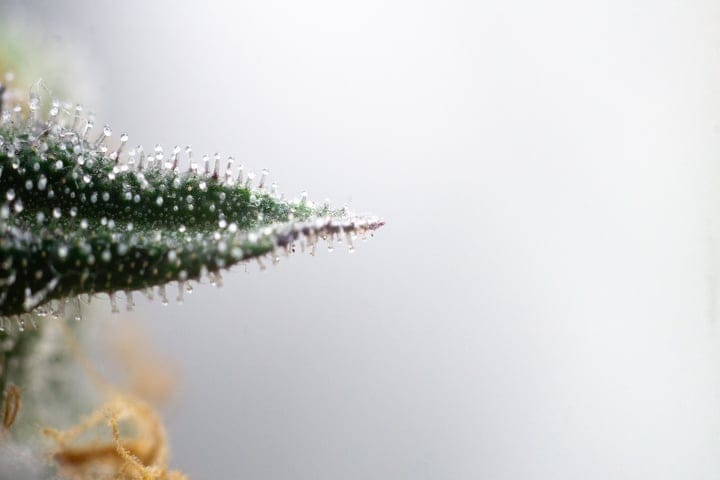
Cannabinoids such as THC and CBD, along with terpenes that shape aroma and character, are found in the resin of the plant's trichomes. Extraction is simply the process of collecting and concentrating these elements. What changes is how that separation happens - and how much control you want over the final result.
Further Reading:Cannabis Trichomes 101: The Uses, Effects, and Purpose
It's also important to choose a suitable cannabis strain for making extracts, as some definitely lend themselves to the process better than others. For making high quality cannabis extracts and concentrates, experienced users often recommend strains known as 'washers' - these are cannabis strains with a high concentration of resin, good resin gland structure, and good mechanical resilience during agitation. In addition, a good washer strain will have a robust terpene profile, meaning the end product will not only be potent, but rich in aroma and flavour, too.
Explore the Best Cannabis Strains For Solventless Extraction
Different Types of Cannabis Extracts: Finding What Fits
When learning how to make cannabis extracts, it's worth taking time to understand the different forms they can take. Each type offers its own balance of texture, potency and experience - and often, the right choice comes down to how it fits into your routine.
Cannabis Oils
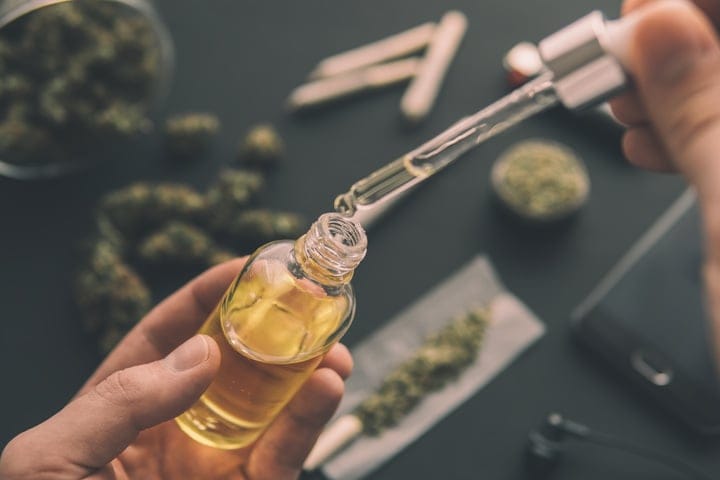
Oils are one of the most accessible forms when exploring how to make cannabis oils at home. Full extract cannabis oil (FECO) is normally made using alcohol or CO2 extraction, and offers a smooth, versatile format that can be used in cooking, taken under the tongue, or measured out with precision.
From a wellness perspective, oils tend to suit those looking for consistency and control, especially where routine and dosing matter.
Rosin
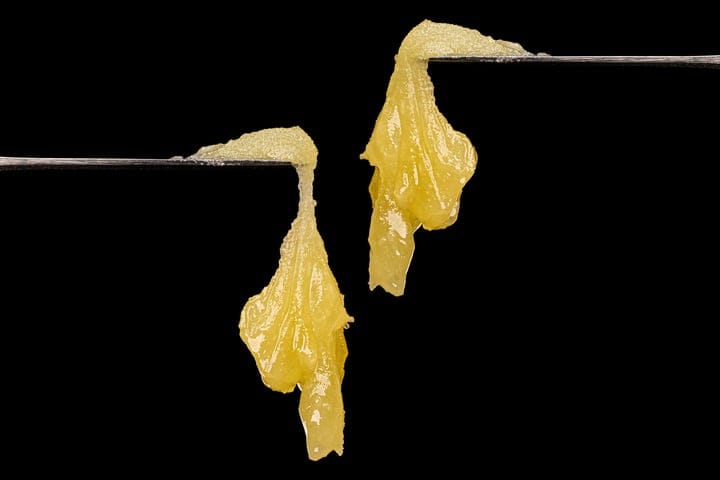
Rosin is a solventless extract created using only heat and pressure. It retains a high level of terpenes, giving it a fuller aroma and character.
For many, rosin represents a more minimal, unprocessed approach, appealing to those who value consistency and a closer connection to the original plant.
Shatter
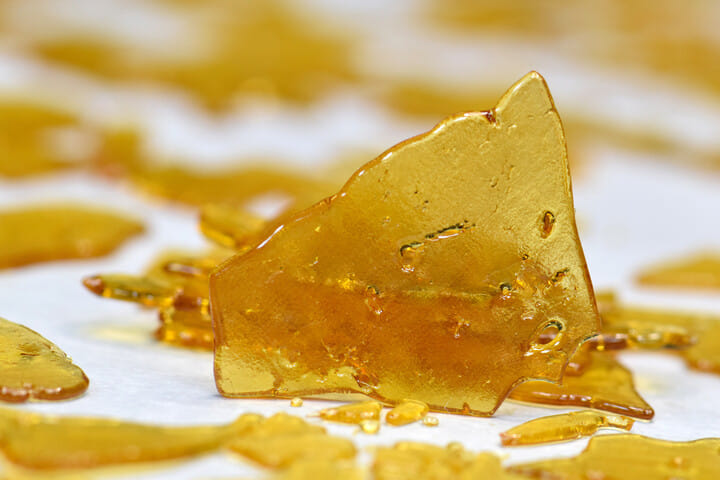
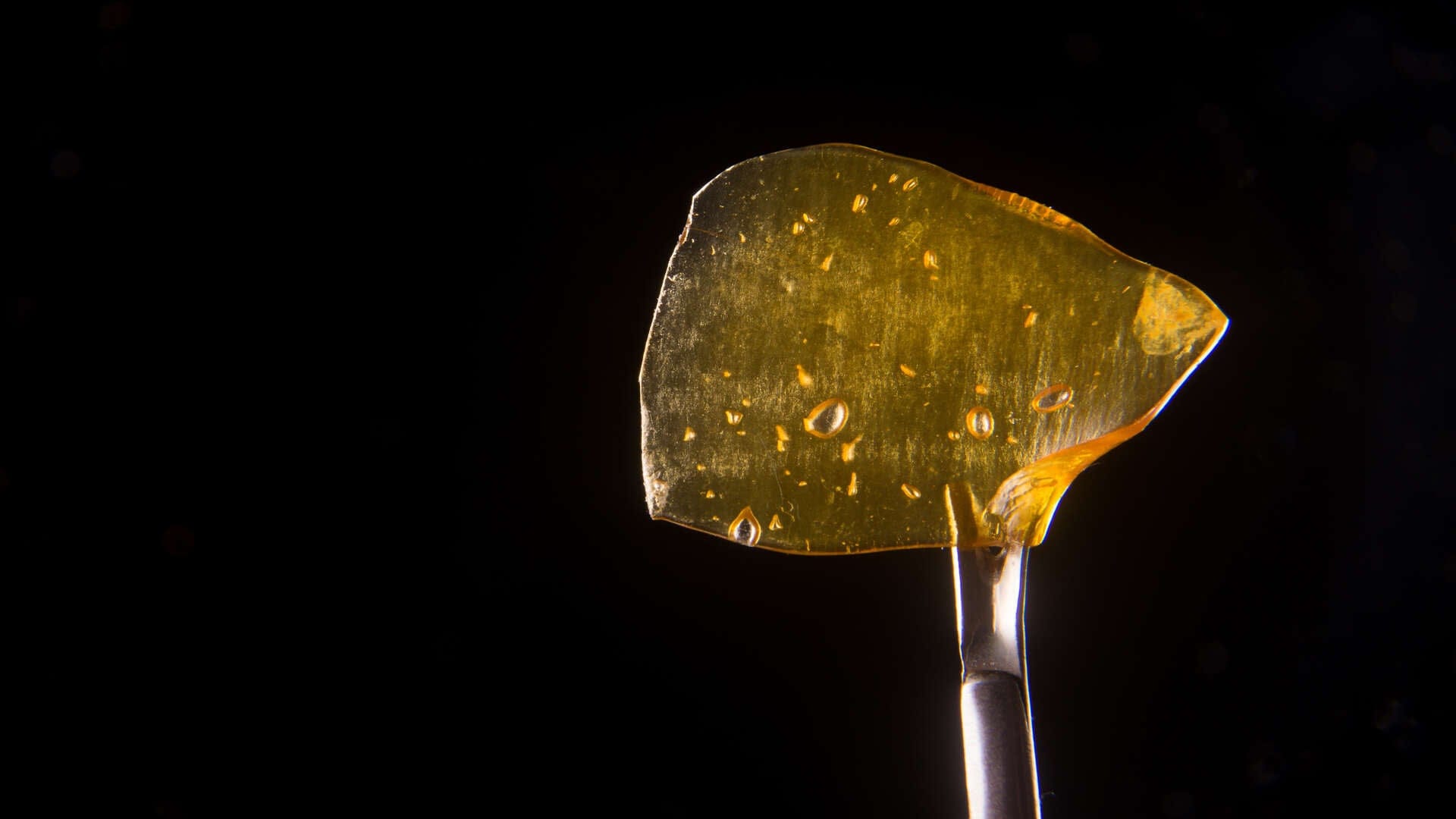
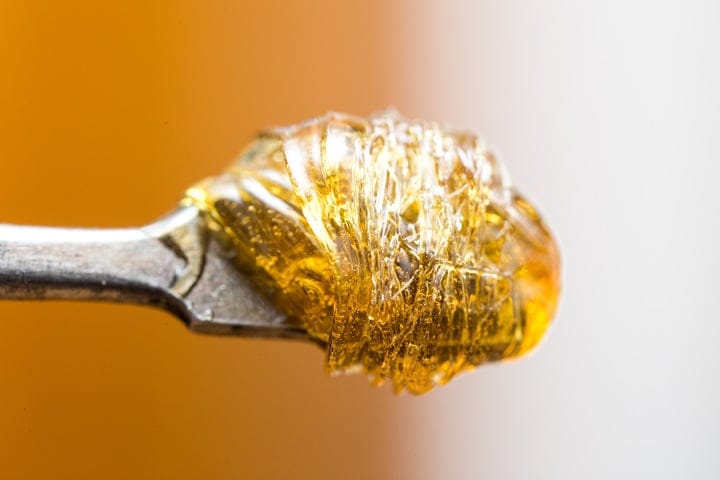
Shatter is a translucent, glass-like extract typically produced using solvent-based methods. It tends to have a stable cannabinoid profile and a firmer texture.
Its appeal often lies in its clarity and consistency, offering a more defined experience that can be portioned accurately.
Wax and Budder
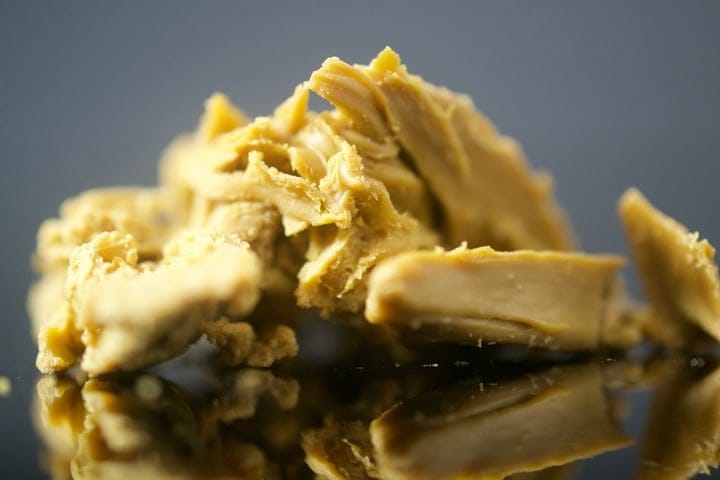
Wax and budder are softer, more textured extracts created by altering the extraction process to introduce air into the final product.
These formats are often chosen for their ease of handling and adaptability, making them a practical option for those still finding their preferred way of working with extracts.
Bubble Hash
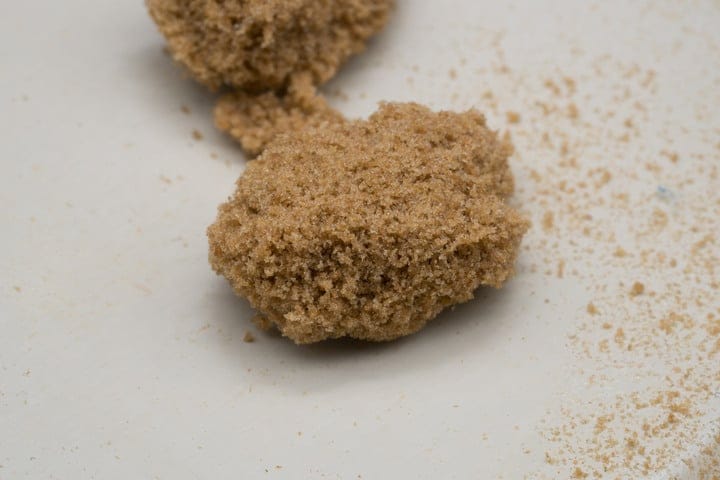
Made using ice water extraction, bubble hash is one of the more traditional forms of cannabis concentrate. It involves separating trichomes from the plant using cold water and filtration.
Bubble Hash is often appreciated for its it simplicity and purity, offering a format that stays close to the plant while still refining its most valuable components.
Further Reading:The Benefits of Bubble Hash and How To Make It
Why People Choose To Learn How To Make Cannabis Extracts
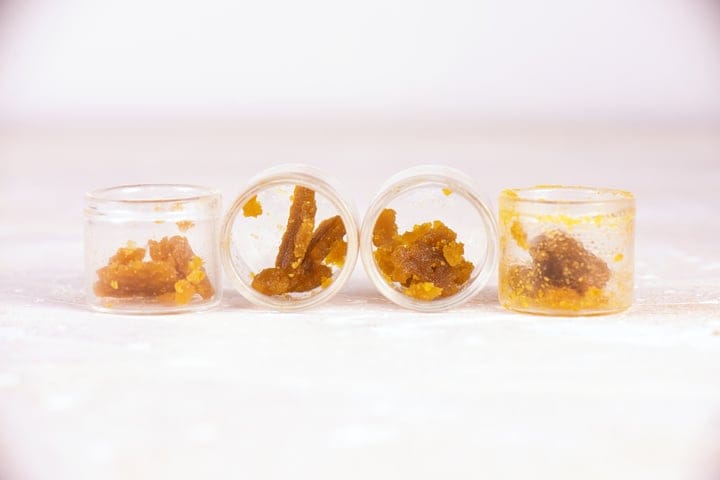
Extracts tend to appeal to those looking for a more measured and adaptable way to engage with cannabis.
Rather than working with the full plant, extracts allow for a more refined format - one that can be adjusted in strength, form, and method of use. For some, that means consistency. For others, it's about reducing plant material or integrating cannabis into a routine in a way that feels more considered.
There's also a practical side, with several aspects that some consider beneficial. Using cannabis extracts allows consumption without the act of smoking. As well as this, extracts can be stored easily, used sparingly, and adapted across different formats - from oils to edibles to vapour.
When exploring how to make cannabis extracts, it helps to understand what sets them apart. Extracts are typically more concentrated than flower, often containing significantly higher levels of cannabinoids. This means smaller amounts are required, and effects can be more pronounced.
They're also versatile. The same extract might be used in cooking, taken sublingually, or used in vapour form, depending on preference.
For many, though, the appeal is simpler than that. Extracts offer a way to work with cannabis that feels more precise - less about excess, and more about intention.
How to Make Cannabis Extracts: Methods Explained
There isn't a single way to approach how to make cannabis extracts. Instead, different methods offer different balances of simplicity, control, and outcome.
Solvent-Based Extraction
Some methods rely on solvents to draw out cannabinoids and terpenes from the plant material. Butane and propane are often used in processes like butane hash oil (BHO), where the solvent passes through the plant, collecting active compounds before being removed. When handled correctly, this can produce highly concentrated extracts.
CO2 extraction takes a more controlled approach, using pressurised carbon dioxide to isolate specific compounds. It's widely used in commercial settings due to its precision and consistency.
Solventless Extraction
For those who prefer a more mechanical approach to how to make cannabis extracts, solventless methods remove the need for chemical solvents entirely. Rosin extraction uses heat and pressure to release resin from the plant, producing a clean, terpene-rich concentrate.
Ice water extraction, often used to make bubble hash, works by agitating cannabis in cold water to separate trichomes. These are then filtered and dried, resulting in a product that stays close to the plant's original profile.
Hybrid Approaches
There are other approaches to how to make cannabis extracts, and hybrid approaches sit somewhere between solvent-based and solventless methods. Ethanol extraction, for example, uses alcohol to draw out cannabinoids before further refinement processes, such as distillation, help remove impurities and concentrate the final product.
Each approach comes with its own considerations, from safety, to flavour, to overall yield.
How To Make Cannabis Extracts At Home
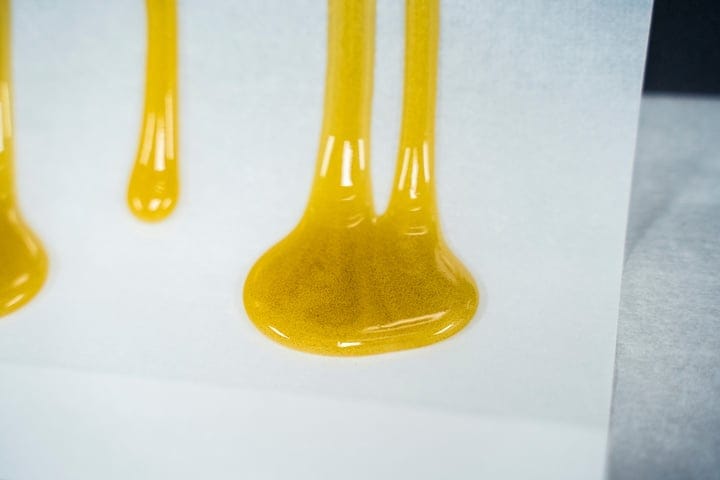
For those interested in how to make cannabis extracts at home, solventless methods offer a straightforward, safe, and considered place to begin. By relying on heat and pressure rather than chemical solvents, the process stays closer to the plant - simple, controlled, and accessible.
Rosin extraction, in particular, has become a popular entry point. It requires minimal equipment, delivers immediate results, and allows for a clear understanding of how the material responds to pressure and temperature.
What You'll Need
- Cannabis flower (well cured)
- Parchment paper
- A hair straightener or flat iron
- Heat-resistant gloves
- A clean tool for collecting the rosin (a dab tool or something similar)
Simple Method for Making Rosin
Place a small amount of cannabis flower between a folded piece of parchment paper. Try to keep it evenly distributed to allow consistent pressure.
Warm your hair straighteners or flat iron to a medium setting (around 150°C). Then, press the parchment paper firmly for a few seconds. As pressure and heat are applied, resin will begin to release from the plant material, appearing as a sticky, golden substance on the parchment.
Remove the parchment and allow it to cool slightly. Then, use your tool to carefully collect the rosin.
Refining Your Approach
When learning how to make cannabis extracts this way, small adjustments can make a difference. For example, a lower temperature will likely preserve more terpenes, making for an even more aromatic and flavourful end product, while a slightly higher heat may increase yield. Over time, you'll find a balance that suits your preference.
Rosin extraction keeps the process grounded - a simple and direct interaction between heat, pressure, and plant material. It's a method that rewards patience and observation, offering a simple way to better understand how cannabis behaves when handled with care.
As with any approach to making cannabis extracts, take your time, work safely, and focus on consistency rather than output.
How to Store Cannabis Extracts Carefully
A well-made extract benefits from careful storage. Light, heat, and air can all easily affect the stability of cannabinoids and terpenes, so it's important to store extracts in a cool, dark place to help preserve their character.
Glass containers with airtight seals are ideal for longer-term storage of oils and liquids. For certain textures such as rosin and shatter, silicone or parchment can be more practical in the short term.
Subtle changes in quality over time are to be expected, but If handled with care, extracts can maintain their quality for months.
Using Cannabis Extracts In Everyday Life
Understanding how to make cannabis extracts naturally leads to how they're used. Their versatility allows them to fit into different routines, depending on individual preference. Extracts can be:
- Added to food or drink as part of cooking
- Taken as tinctures beneath the tongue
- Applied topically in balms or creams
- Used in vape form with correct devices
But dosing correctly and safely becomes important with extracts. Due to their higher concentration of cannabinoids, small amounts are usually sufficient. Effects can vary depending on method of use, particularly with edibles, where onset may take longer and effects can last longer.
Learning how to make cannabis extracts is less about chasing strength and more about developing a clearer understanding of the plant - how it behaves, how it can be shaped, and how it fits into your own lifestyle and rhythm.
Done carefully, it becomes another way of working with cannabis that values balance, process, and intention over excess.


