

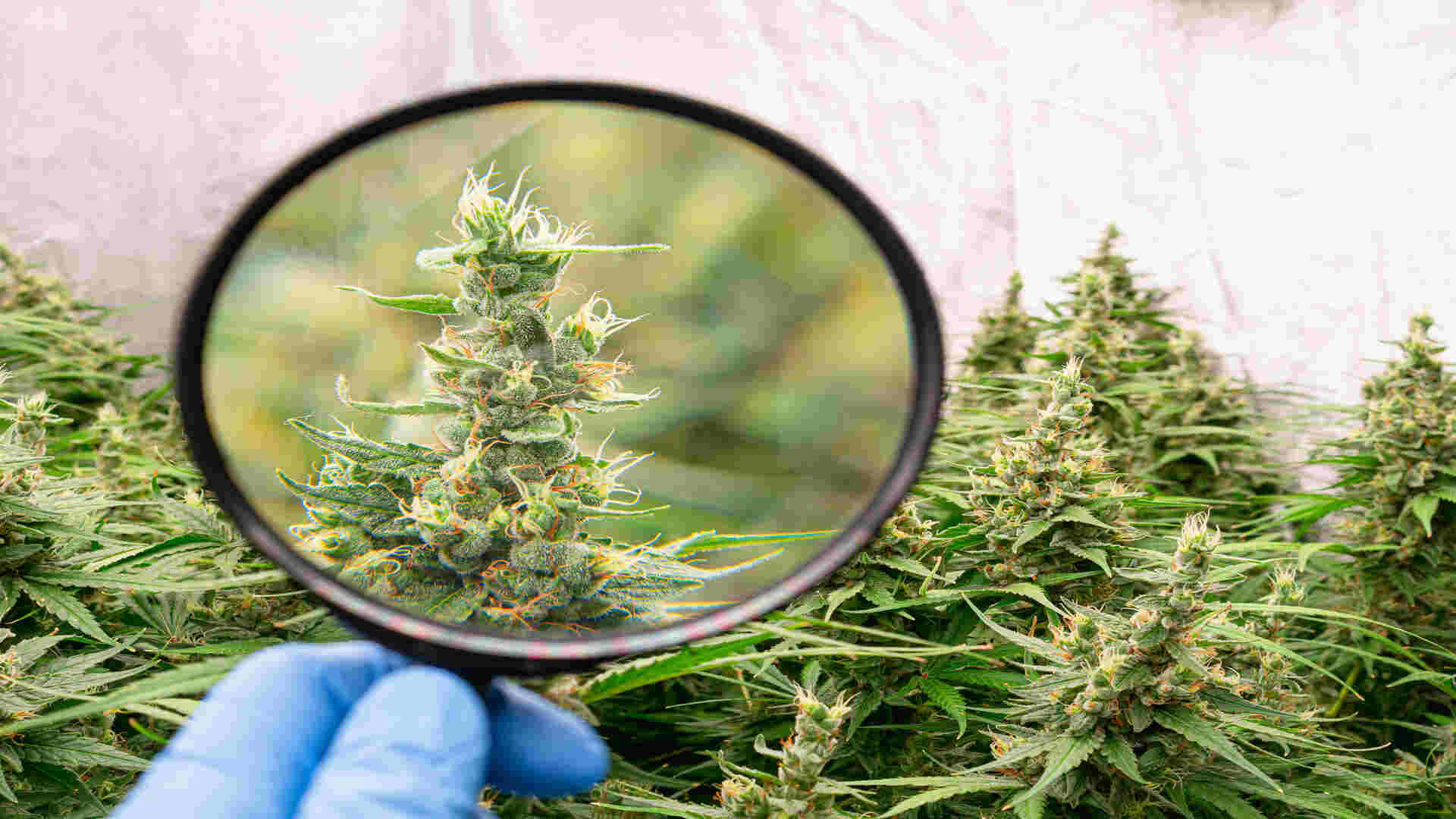
After four decades of cultivating and studying cannabis, I've witnessed the evolution of extraction methods from simple finger rubbing to sophisticated solventless techniques. Among these innovations, ice water extraction stands as one of the most elegant and effective methods for producing premium hashish. This comprehensive guide will teach you everything you need to know about washing cannabis for hash production, from understanding the science to selecting the right strains.
What is Ice Water Extraction?

Ice water extraction, also known as bubble hash making or cannabis washing, is a solventless method that uses ice-cold water and gentle agitation to separate trichome heads from cannabis plant material. Unlike solvent-based extraction methods that use chemicals like butane or CO2, ice water extraction relies purely on physical separation, preserving the full spectrum of cannabinoids and terpenes while maintaining the integrity of the final product.
The process works by exploiting the different physical properties of trichome heads and plant material when exposed to freezing temperatures. Trichome heads become brittle and snap off easily, while the stalks and plant matter remain more flexible. When cannabis is agitated in ice water, these valuable resin glands break away and can be collected through a series of increasingly fine mesh screens, creating what we call "bubble hash."
This method has gained tremendous popularity among both commercial extractors and home cultivators because it produces clean, potent concentrates without the need for dangerous solvents or expensive equipment. The resulting hash can contain THC levels ranging from 45% to over 70%, depending on the quality of starting material and extraction technique.
The Science Behind Washing Cannabis for Hash
Understanding the science behind ice water extraction is crucial for achieving consistent, high-quality results. The process centers around trichomes—those tiny, mushroom-shaped structures covering cannabis flowers that contain the plant's cannabinoids and terpenes.
Trichome Structure and Behavior
Cannabis trichomes consist of three main types: bulbous trichomes (10-15 micrometers), capitate sessile trichomes (25-30 micrometers), and capitate-stalked trichomes (50-100 micrometers). For hash production, we're primarily interested in the capitate-stalked trichomes, which contain the highest concentration of cannabinoids.
These capitate-stalked trichomes have a distinctive structure: a thin stalk topped with a bulbous head containing the resin. The connection point between the stalk and head—what hash makers call the "neck"—is the weak point that allows for clean separation during extraction.
Further Reading:Everything You Need To Know About Cannabis Trichomes

When exposed to freezing temperatures, several physical changes occur:
- Trichome heads become brittle and glass-like
- The neck connection becomes even weaker
- Plant material becomes more rigid but remains flexible
- Water provides lubrication for gentle separation
Temperature Dynamics
The ideal temperature range for ice water extraction is between 32-39°F (0-4°C). At these temperatures, trichome heads reach optimal brittleness without becoming so fragile that they shatter into unusable particles. Water temperature above 40°F reduces separation efficiency, while temperatures below freezing can cause trichomes to become too brittle, leading to lower-quality hash with excessive plant contamination.
Agitation Principles
Gentle, consistent agitation is key to successful extraction. Too little agitation won't separate enough trichomes, while excessive agitation will break plant material and contaminate the final product. The goal is to create enough turbulence to knock trichome heads off their stalks without destroying the delicate structures.
Professional extractors often use a specific agitation pattern: 15 minutes of gentle stirring, followed by 15 minutes of rest, repeated 2-3 times. This allows trichomes to separate gradually while preventing overworking of the material.
Essential Equipment for Cannabis Washing
Success in ice water extraction depends heavily on having the right equipment. While it's possible to create basic bubble hash with minimal tools, investing in quality equipment dramatically improves both yield and quality.
Bubble Bags (Filtration System)

The heart of any ice water extraction setup is a set of bubble bags—mesh bags with different micron ratings that separate trichomes by size. A typical 8-bag set includes the following micron sizes:
- 220 microns: “Work” bag that holds plant material during agitation
- 190 microns: Catches large plant debris and low-quality material
- 160 microns: Collects medium-quality hash with some contamination
- 120 microns: Premium hash grade with excellent quality
- 90 microns: Top-tier hash, often considered "full melt"
- 73 microns: The gold standard—highest quality, full-melt hash
- 45 microns: Fine grade, excellent for pressing into rosin
- 25 microns: Ultra-fine grade, perfect for edibles or topicals
Quality bubble bags should be made from food-grade materials with reinforced seams and strong mesh that won't tear during use. Look for bags with sturdy drawstring closures and clear micron labeling.
Extraction Vessels
The vessel you use for washing affects both efficiency and convenience. Options include:
Food-grade buckets: Most common and affordable option. Use 5-gallon buckets for small batches or 20-gallon containers for larger runs. Ensure they're made from food-grade plastic without any chemical residues.
Stainless steel containers: Professional-grade option that's easy to clean and doesn't retain odors. More expensive but highly durable.
Specialized washing machines: Commercial extractors often use modified washing machines designed specifically for ice water extraction. These provide consistent agitation and can handle large quantities.
Ice and Water Considerations

Ice quality significantly impacts extraction results. Use only pure, filtered water ice free from chlorine and other chemicals. Many extractors prefer dry ice for certain applications, but traditional water ice remains the standard for most home operations.
Calculate approximately 2-3 pounds of ice per pound of fresh frozen cannabis material. The ice serves dual purposes: maintaining low temperatures and providing gentle agitation mass during stirring.
Additional Tools
Stirring implements: Use wooden spoons or stainless steel paddles. Avoid plastic tools that might break and contaminate the hash.
Collection tools: Fine mesh spoons, silicon scrapers, and parchment paper for collecting and handling wet hash.
Drying equipment: Freeze dryer (preferred) or screens and cardboard for air drying.
Work surface: Clean, sanitized stainless steel table or food-grade cutting boards.
Step-by-Step Ice Water Hash Extraction Process
Mastering the ice water extraction process requires attention to detail and patience. Here's the comprehensive method I've developed over decades of hash making:
Preparation Phase
Material preparation: Start with high-quality cannabis, preferably fresh frozen immediately after harvest. If using dried material, ensure it's properly cured and stored. Remove large stems and leaves, keeping only sugar leaves around the buds and buds.
Equipment sterilization: Clean all equipment with isopropyl alcohol and rinse thoroughly with distilled water. Any contamination at this stage will affect final product quality.
Temperature control: Pre-chill all equipment, including buckets, bags, and stirring tools. The work environment should be cool, ideally 60-65°F (15º-18ºC).
Washing Process
Step 1: Set up filtration system Arrange bubble bags in descending micron order inside your extraction vessel, with the 220-micron work bag on top and the finest bags nested below.
Step 2: Add ice and water Fill the work bag with ice, then add cannabis material, followed by more ice. The ratio should be approximately 3:1:3 (ice:cannabis:ice). Add enough cold water to create a slurry consistency.
Step 3: Initial agitation Stir gently for 15 minutes, maintaining consistent motion without being aggressive. The water should turn golden-brown as trichomes separate.
Step 4: Rest period Allow the mixture to sit for 10-15 minutes. This settling time lets trichomes sink while plant material floats.
Step 5: Drain and collect Lift the “work” bag slowly, allowing liquid to drain through the nested bags below. Each bag will capture different grades of hash.
Step 6: Subsequent washes Add fresh ice and water to the plant material for additional extractions. Typically, 3-4 washes yield the best results, with quality decreasing in later runs.
Collection and Processing
Hash collection: Remove each bag carefully and rinse the collected material with ice water to remove plant particles. Use a spoon to gather hash from the bottom of each bag.
Quality assessment: Examine each grade under magnification. Top-quality hash should appear sandy and light-colored, while lower grades may contain more plant material.
Initial drying: Place collected hash on parchment paper or fine screens. Remove excess water by gently pressing with clean towels.
Further Reading:How To Air Dry Bubble Hash
Best Cannabis Strains for Washing
Not all cannabis strains produce excellent hash through ice water extraction. The best "washers" share specific characteristics that make them ideal for this process. Understanding these traits helps you select genetics that will maximize both yield and quality.
Identifying Superior Washer Characteristics
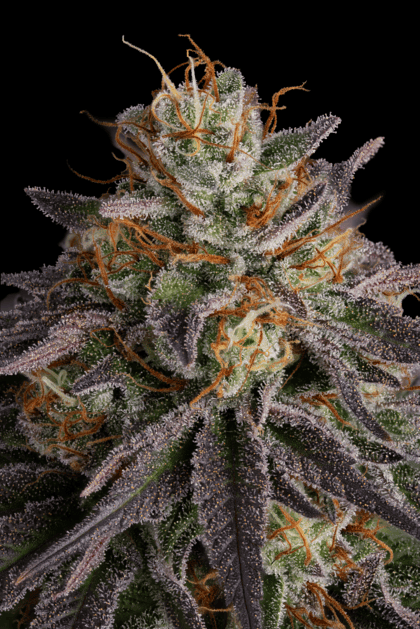
Trichome density: Look for strains that develop heavy trichome coverage, with resin glands visible on both flowers and surrounding leaves. The more surface area covered with trichomes, the higher your potential yield.
Trichome structure: Excellent washers have trichomes with large, bulbous heads connected by thin, weak stalks. This "weak neck trait" allows heads to separate cleanly during agitation. Under magnification, these trichomes appear clear to milky white.
Glandular feel: When you rub quality washing material between your fingers, it should feel gritty or sandy rather than oily or sticky. This texture indicates trichomes that will separate well rather than creating a gummy mess.
Bud structure: Fluffy, loose buds generally wash better than dense, compact ones. Open bud structure allows water to penetrate more effectively, increasing trichome separation.
Terpene profile: Strong aromatic strains often produce superior hash because robust terpene production correlates with healthy trichome development.
Proven Washer Strains
Seedsman now has a line of exceptional cannabis varieties specifically suited to washing. You can view and buy these here. As a rule of thumb, the following genetics typically make for good washers:
Afghan-based genetics: Traditional hash plant varieties like Afghan Kush, Hash Plant, and their derivatives excel at ice water extraction. These strains were specifically bred for resin production in their native regions.
OG Kush lineages: Many OG varieties, particularly those with Afghan influences, produce excellent washing results. Look for phenotypes with heavy trichome coverage and strong fuel aromas.
Cookie genetics: Girl Scout Cookies and related strains often yield well, particularly when grown in optimal conditions. Their dense trichome production translates to good hash yields.
Chemdog lineages: Strains descended from Chemdog genetics frequently wash well, especially those maintaining the characteristic fuel terpene profile.
Northern Lights varieties: This classic strain and its crosses consistently produce quality hash with good yields.
Strain Selection Tips
When selecting strains for washing, consider these factors:
Yield expectations: Quality washers should produce 3-4% return by weight from fresh frozen material. Exceptional strains may yield 6-8% or higher.
Growing conditions: Plants grown for hash production benefit from slightly different cultivation techniques. Focus on maximizing trichome production rather than overall yield.
Harvest timing: For washing, harvest when trichomes are cloudy to slightly amber. Clear trichomes indicate immaturity, while overly amber trichomes suggest degradation.
Post-harvest handling: Immediately freeze freshly harvested material to preserve trichome integrity. Proper handling from plant to extraction significantly impacts final quality.
Plant Characteristics That Make Good Washers
Beyond strain selection, specific plant characteristics indicate superior washing potential. Learning to identify these traits allows you to optimize your cultivation specifically for hash production.
Visual Inspection Techniques

Trichome coverage assessment: Examine plants under bright light or with a jeweler's loupe. Superior washers display heavy trichome coverage extending from main colas to smaller branches and even fan leaves near flowers.
Color evaluation: Prime washing material shows clear to cloudy trichomes with minimal amber coloration. The overall appearance should be frosty white rather than yellowed or brown.
Structural examination: Look for trichomes that appear to "stand off" the plant surface rather than lying flat. This indicates the weak neck trait essential for good separation.
Physical Testing Methods
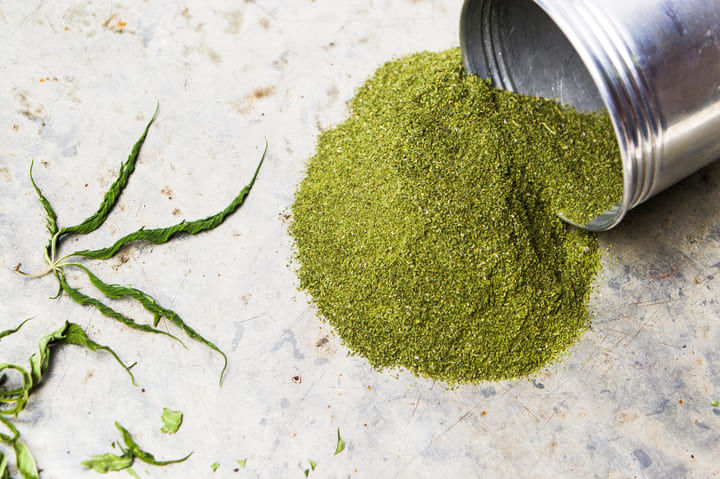
Tactile assessment: Gently rub flowers between clean fingers. Good washing material feels sandy or gritty rather than sticky or oily. This texture indicates trichomes that will separate cleanly.
Shake test: Gently shake branches over a clean surface. Quality washing plants will drop visible amounts of trichomes with minimal agitation.
Jar test preview: For final assessment, perform a small-scale wash using 14-28 grams of material in a glass mason jar with ice and water. Shake vigorously for 5 minutes and examine the results. This test provides accurate yield predictions.
Environmental Factors Affecting Washer Quality
Temperature stress: Moderate temperature fluctuations during late flowering can increase trichome production. Maintain nighttime temperatures 10-15°F cooler than daytime peaks.
Light intensity: High-intensity lighting during the final weeks increases trichome density. However, avoid excessive heat that can degrade existing resin.
Humidity control: Lower humidity (40-50%) during late flowering encourages trichome production while preventing mold issues.
Nutrient management: Reduce nitrogen and increase phosphorus and potassium during flowering to encourage resin production over vegetative growth.
Harvest timing: Monitor trichomes daily during the harvest window. Peak washing material is harvested when 70-80% of trichomes are cloudy with minimal amber coloration.
Advanced Techniques and Quality Optimization
Mastering basic ice water extraction is just the beginning. Advanced techniques can significantly improve both yield and quality of your final product.
Temperature Gradient Method
This advanced technique uses multiple temperature stages to maximize extraction efficiency:
- Stage 1: Begin washing at 35-38°F (1.6º-3.3ºC) to remove easily separated trichomes.
- Stage 2: Increase to 40-42°F (4.4º-5.5ºC) for intermediate extraction.
- Stage 3: Return to 32-35°F (0º-1.6ºC) for final collection.
This method often increases total yield while maintaining quality separation between grades.
Multi-Wash Protocols
Professional extractors often perform 4-6 separate washes on the same material:
Wash 1: Highest quality, full-melt material,
Wash 2-3: Premium smoking hash,
Wash 4-5: Good quality for pressing or edibles,
Wash 6+: Lower grade suitable for cooking applications
Drying and Curing Optimization
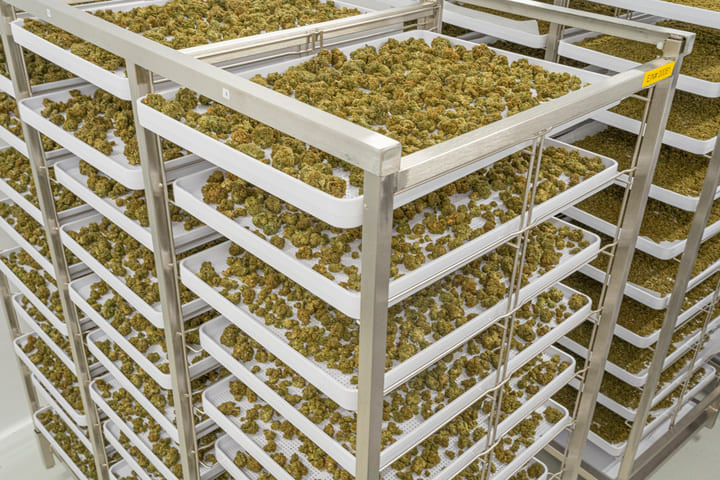
Proper drying is crucial for final product quality:
Freeze drying: Professional method that preserves terpenes and prevents degradation. Expensive but produces superior results.
Air drying: More accessible method requiring careful humidity and temperature control. Use screens in a cool, dry environment with gentle air circulation.
Microplaning: Technique for breaking up wet hash during drying to prevent mold and ensure even moisture removal.
Curing process: Properly dried hash benefits from 2-4 weeks of curing in airtight containers, similar to cannabis flowers.
Further Reading:How To Dry Buds Safely For Optimal Terpene Preservation
Troubleshooting Common Issues
Even experienced extractors encounter challenges. Here are solutions to common problems:
Low Yield Issues
Insufficient agitation: Increase stirring intensity or duration
Wrong temperature: Verify water temperature stays below 40°F
Poor starting material: Evaluate strain selection and growing conditions
Equipment problems: Check bag integrity and micron accuracy
Quality Problems
Green contamination: Reduce agitation intensity and duration
Poor melt quality: Examine starting material trichome structure
Harsh taste: Improve drying conditions and reduce plant matter contamination
Inconsistent results: Standardize process timing and temperatures
Safety and Sanitation
Contamination prevention: Maintain sterile conditions throughout the process,
Mold prevention: Ensure proper drying and storage conditions,
Equipment maintenance: Regular cleaning and inspection of all tools
Storage and Preservation
Proper storage preserves hash quality and potency over extended periods:
Short-term storage: Parchment paper in cool, dry conditions for up to 30 days
Long-term storage: Vacuum-sealed containers in freezer for 1-2 years
Container selection: Glass jars or food-grade containers that don't affect flavor
Environment control: Maintain consistent temperature and humidity levels
Conclusion
Ice water extraction represents the pinnacle of solventless hash production, combining traditional techniques with modern understanding of cannabis chemistry. Success requires quality starting material, proper equipment, precise technique, and patience to master the craft.
The key to excellent ice water hash lies in understanding that you're not just extracting resin—you're preserving the full expression of the cannabis plant in concentrated form. Every step, from strain selection through final storage, affects the quality of your end product.
Whether you're a home cultivator looking to maximize your harvest or a commercial producer seeking premium concentrates, ice water extraction offers a path to creating world-class hashish. Start with quality genetics, invest in proper equipment, and dedicate time to perfecting your technique. The rewards—pure, potent, flavorful hash that captures the essence of your favorite strains—make the effort worthwhile.
Remember, cannabis cultivation and extraction laws vary by location. Always ensure compliance with local regulations and prioritize safety in all aspects of production. With proper knowledge, equipment, and dedication, ice water extraction can elevate your cannabis experience to new heights.
Jorge Cervantes has been educating cannabis cultivators for more than four decades. His comprehensive resources, including the free Cannabis Encyclopedia and We Grow Cannabis guide, are available at marijuanagrowing.com. For premium genetics perfect for hash production, explore Seedsman's extensive collection of washer strains.


