
Introduction to Outdoor Cannabis Cultivation
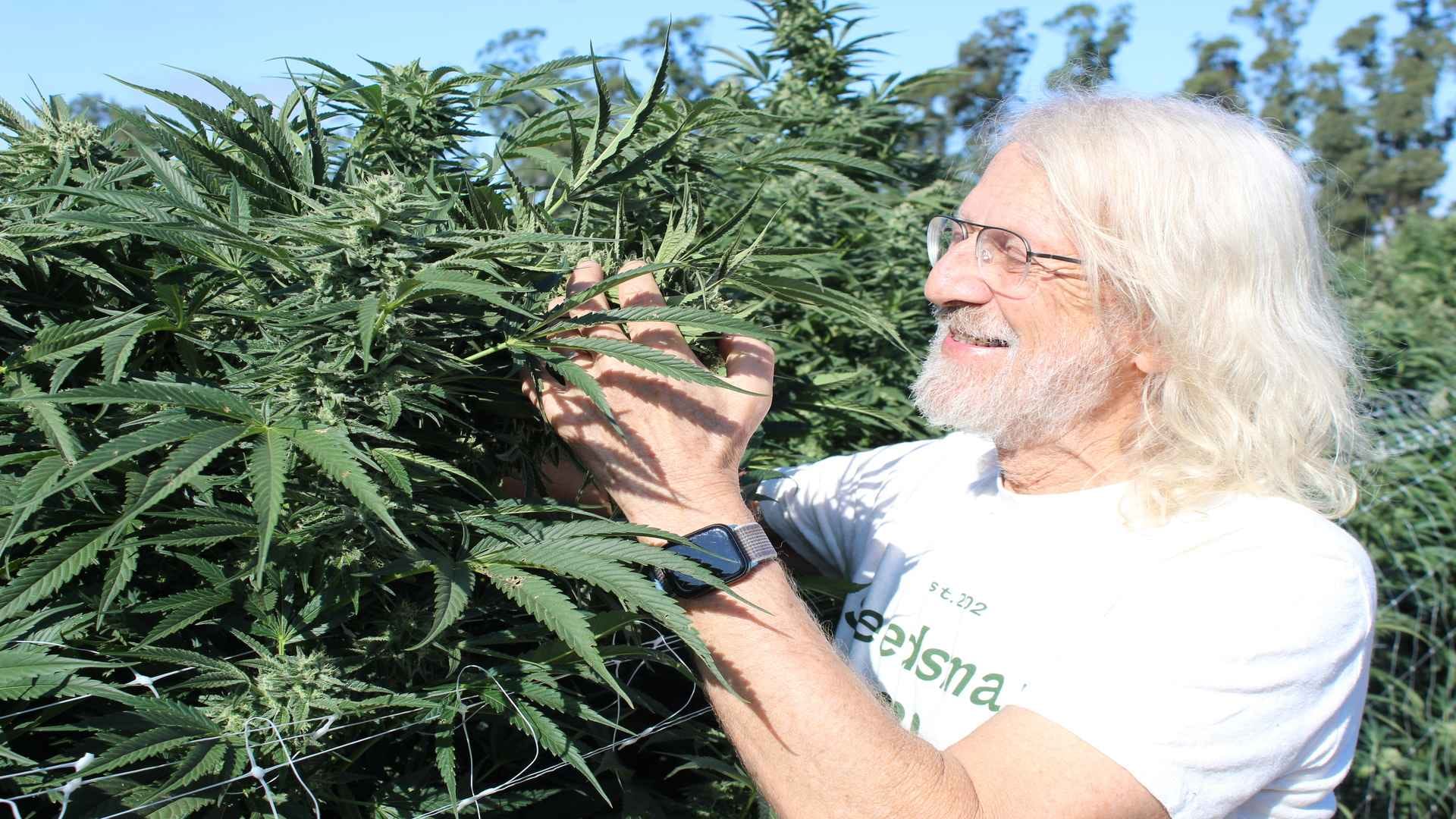
After more than four decades of growing cannabis and helping others cultivate more and better harvests, I've found that growing cannabis outdoors can be one of the most rewarding experiences for any gardener. When growing cannabis outdoors, you work harmoniously with nature, using free sunlight, rainwater, and natural soil ecosystems that promote robust plant growth.
Many new growers ask me, "Is weed easy to grow outside?" The answer is yes—with the proper knowledge and preparation. Outdoor cannabis cultivation can yield impressive harvests with minimal equipment compared to indoor growing. Plus, cannabis outdoors often develops complex terpene profiles that create rich aromas and flavors that indoor growing can't match.
In this guide, I'll share my most important tips for growing cannabis outdoors successfully, from selecting the right seeds to harvesting and curing your crop. Whether you're a beginner or an experienced grower looking to refine your techniques, these insights will help you grow cannabis that reaches its full potential under the sun.
Choosing the Right Cannabis Seeds for Outdoor Growing
Selecting appropriate genetics is perhaps the most critical decision when growing cannabis outdoors. Your choice of seeds will determine how well your plants adapt to your local climate and how successfully they'll complete their life cycle before the weather turns.

Best Cannabis Varieties for Outdoor Growing
When planning your outdoor grow, consider these factors:
Your local climate and growing season length: In northern latitudes with shorter summers, choose fast-flowering varieties that can finish before fall rains and cold temperatures arrive.
Pest and disease resistance: Outdoor cannabis plants face many challenges from insects and pathogens. Some strains have naturally higher resistance.
Size considerations: Some cannabis plants can grow 12+ feet (3.5+m) tall outdoors! Ensure you have enough space for the varieties you choose.
For most outdoor growers, I recommend:
Photoperiod strains like Northern Lights, Critical, or Durban Poison for regions with longer growing seasons
Autoflowering strains for shorter seasons or stealthy growing, as they remain smaller and finish faster regardless of light cycles
Regular vs. Feminized Seeds
When growing cannabis outdoors for consumption, feminized seeds are often preferred as they produce female cannabis plants about 99% of the time. Regular seeds will give you approximately 50% male plants and 50% female plants. Male plants produce pollen that will fertilize your females and cause them to produce seeds rather than focusing energy on flower production.
If you specifically want to produce seeds, you'll need both male and female plants. Otherwise, you'll want to identify and remove the males before they release pollen.
Understanding Climate and Growing Season

Successful outdoor cannabis cultivation begins with understanding your local climate. Cannabis plants are adaptable, but their preferences and genetic needs affect their growth cycles.
Temperature and Light Exposure
Cannabis thrives in daytime temperatures between 55°F–86°F (13°C–30°C). Intense sunlight during the vegetative stage fuels rapid growth, but sudden drops below 50°F (10°C) can stunt plant health. The growing season typically spans April to October in the northern hemisphere, while the southern hemisphere follows an inverted cycle.
Photoperiod Sensitivity
When growing cannabis outdoors, understanding the light cycle is crucial:
Photoperiod plants rely on changing day length to trigger the flowering stage. Typically, plants start to flower as nights grow longer, to 12+ hours to begin flowering.
Autoflowering strains don't depend on light changes. They will transition to flowering based on age (typically 3-4 weeks after sprouting), making them ideal for regions with shorter summers or unpredictable weather patterns.
Planning Your Outdoor Cannabis Garden
Location Requirements
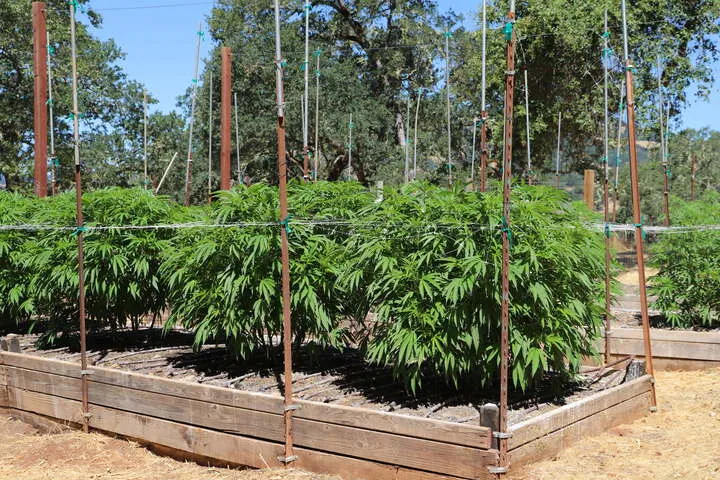
Successful outdoor cannabis cultivation begins with finding the optimal growing location. Cannabis plants thrive with:
Direct sunlight: At least 6 hours daily, preferably 8+ hours for maximum yields
Good drainage: Cannabis roots don't like to stay wet, which can lead to root rot
Air circulation: Prevents mold and many pest issues during humid periods
Privacy: Consider legal requirements in your region and unwanted visibility
Protection: From strong winds, heavy rains, and potential thieves
Soil Preparation and Drainage
Healthy cannabis cultivation begins with loamy, well-aerated soil rich in organic matter. Test soil pH (5.8–6.5) and amend with compost, perlite, or coco coir for good drainage. Raised beds prevent root rot in rainy climates, while sunken beds conserve moisture in arid zones.
- For high-quality cannabis, create a rich growing medium:
- Mix quality garden soil with well-aged compost
- Add up to 20% perlite or river sand for improved drainage
- Consider mycorrhizal fungi additions to enhance root development
- For containers, high-quality organic potting soils work well
Starting Seeds Indoors for a Head Start
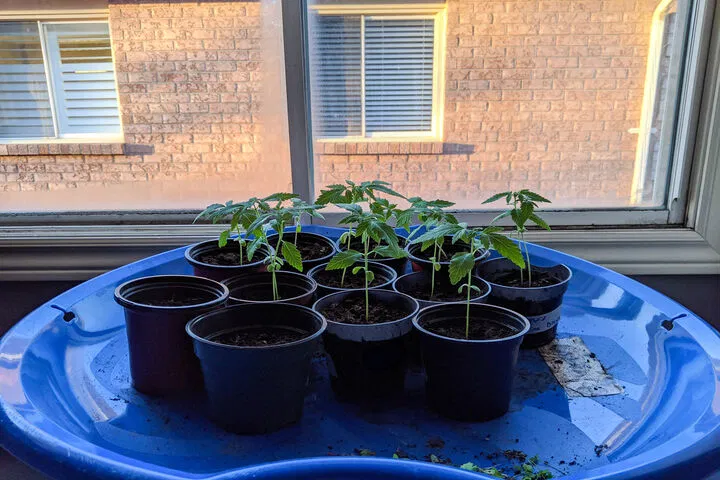
One technique I strongly recommend when growing cannabis outdoors is starting your seeds indoors under artificial light 4-6 weeks before the outdoor growing season begins. This process gives your plants a significant head start and extends your growing season.
When transplanting outdoors, gradually "harden off" your plants by exposing them to outdoor conditions for extended periods each day over a week. The process prevents transplant shock and helps ensure plant health after moving outdoors.
Container vs. In-Ground Growing
Both methods have advantages when growing cannabis outdoors:
In-ground growing:
- Allows plants to develop extensive root systems
- Provides natural soil biology
- Requires less watering
- Produces larger plants
Container growing:
- Offers more control over soil composition
- Makes it easier to move plants as needed
- Helps limit final plant size
- Provides better protection from ground pests
If using containers outdoors, choose air-pruning fabric pots or containers with a capacity of at least 15-20 gallons for full-sized plants. Smaller 5-7 gallon containers can work for auto-flowering varieties.
The Vegetative Stage: Building Strong Cannabis Plants
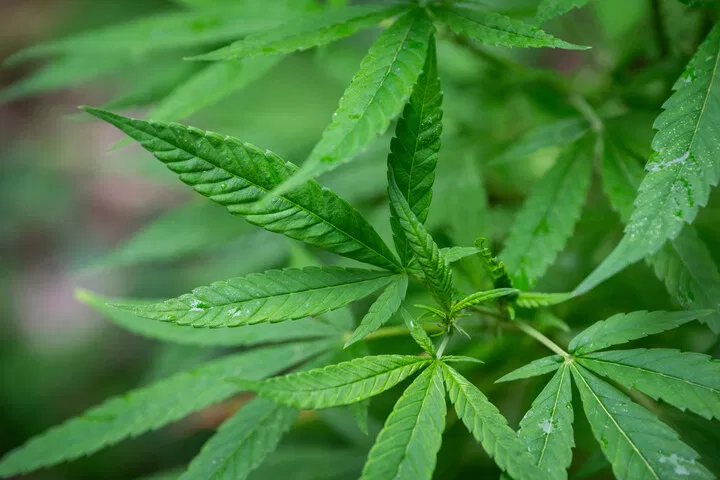
The vegetative stage is when cannabis plants build their structure, developing strong stems and abundant foliage. When growing cannabis outdoors, this stage typically occurs from spring into early summer in the northern hemisphere.
Nutrient Management
During the vegetative stage, cannabis plants need higher nitrogen levels. You can provide this through:
- Organic fertilizers like fish emulsion or blood meal
- Compost tea applications every 1-2 weeks
- Commercial cannabis fertilizers (follow package directions)
Remember that outdoor cannabis plants require 5–10 gallons (20-40 litres) of water weekly per plant during peak growth. Use drip systems or soaker hoses to maintain consistent moisture without waterlogging.
Training Techniques for Outdoor Plants
Training your outdoor cannabis plants can significantly increase yields by creating more bud sites and better light exposure throughout the canopy:
Low-Stress Training (LST): Gently bend and secure branches to create a more horizontal growth pattern
Topping: Remove the main growing tip to encourage bushier growth
Pruning: Remove lower branches that receive minimal sunlight
When growing outdoors, training should be completed well before the flowering stage begins, as plants need time to recover before focusing energy on flower production.
Understanding the Flowering Stage Outdoors
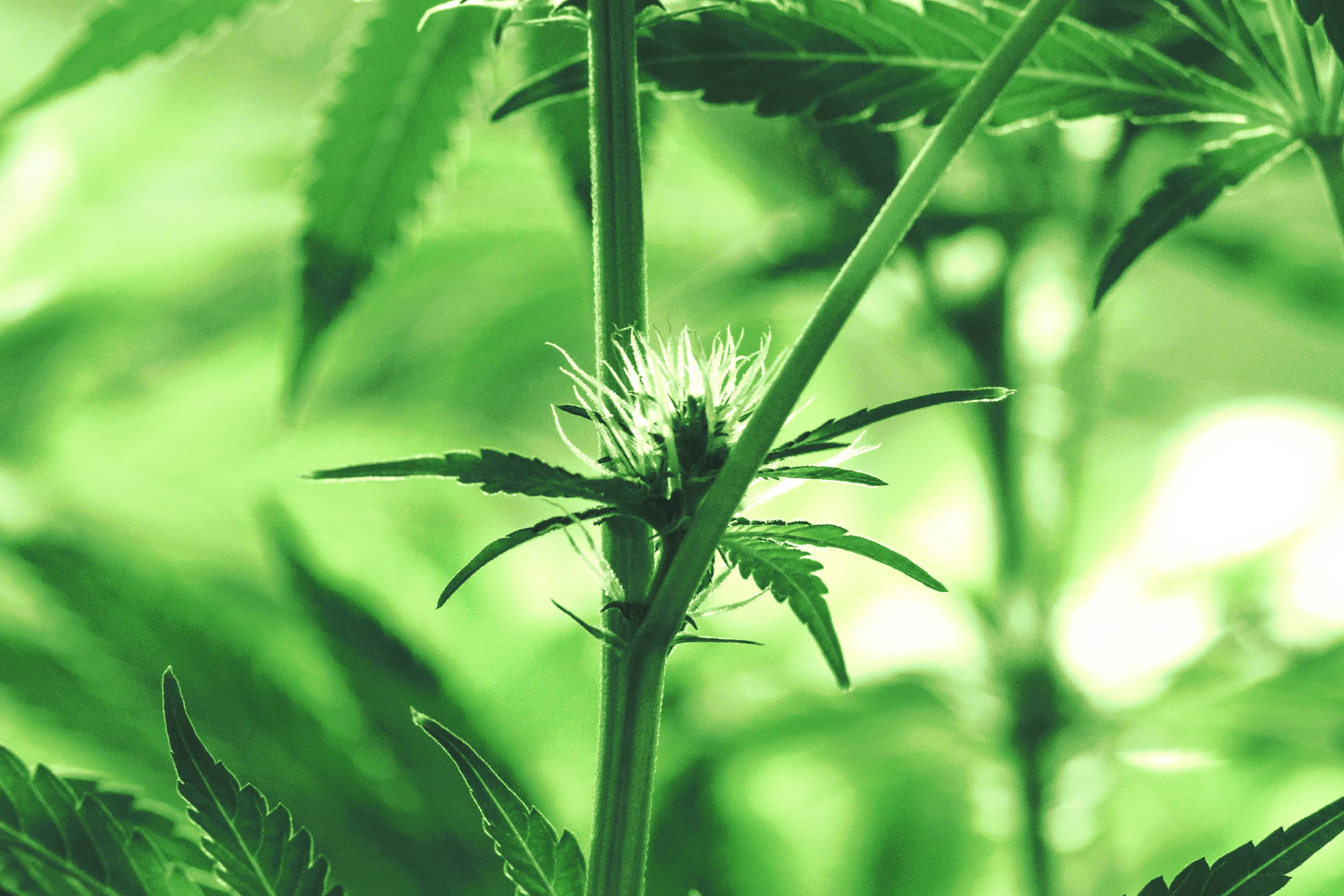
Unlike indoor growing, where you control the light cycle, understanding the flowering process is crucial for outdoor cannabis cultivation, as it follows natural light patterns. In the northern hemisphere, the flowering stage typically begins after the summer solstice (June 21st), when daylight hours decrease.
How Outdoor Flowering Works
Photoperiod cannabis plants begin flowering when they receive approximately 12-14 hours of light and 10-12 hours of darkness. This phenomenon naturally occurs outdoors as summer transitions to fall. Different cannabis varieties react differently to this light change:
Indica-dominant strains often begin flowering when days shorten to 14-15 hours
Sativa-dominant strains may need shorter days (13 hours or less) to trigger flowering
Autoflowering strains will transition to flowering based on age, typically 3-4 weeks after sprouting, regardless of light conditions
Recognizing Early Flowering Signs
In the early flowering stage, you'll notice:
1. Female cannabis plants develop tiny white pistils at nodes where branches meet the main stem
2. Growth patterns change, with more vertical stretching
3. Male plants form small pollen sacs that look like tiny balls
The early flowering stage is critical for identifying and removing male plants unless you want to produce seeds. Just one male can pollinate an entire garden!
Week-by-Week Flowering Guide

When growing cannabis outdoors, understanding the progression of the flowering stage helps with proper care:
Weeks 1–3 (Pre-flowering stage): Plants stretch significantly; increase phosphorus
Week 4 of flowering: Buds form dense clusters; pistils begin darkening
Weeks 5–8: Trichomes transition from clear to cloudy; reduce nitrogen
Nutrient Adjustments During Flowering
As your plants enter the flowering stage, their nutrient needs shift:
- Reduce nitrogen to prevent excessive leaf growth
- Increase phosphorus and potassium to support flower development
- Consider bloom-specific nutrients or amendments
- Continue feeding regularly until 2-3 weeks before harvest
When to switch to bloom nutrients outdoors? Transition when the pre-flowering stage begins, usually 1–2 weeks after the summer solstice, when you notice the first signs of flowering starting outdoors.
Managing Pests and Diseases Outdoors
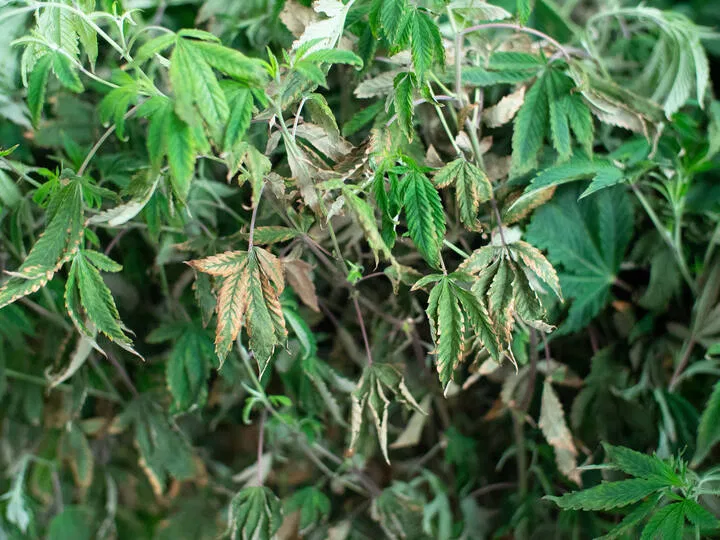
Outdoor cannabis cultivation faces many more pest and disease challenges than controlled-environment growing. Regular monitoring is essential—inspect your plants at least twice weekly.
Common Outdoor Cannabis Pests
Watch for these common invaders:
Spider mites: Create stippling on leaves and fine webbing
Caterpillars: Can burrow into buds, causing rot
Aphids: Cluster on new growth and under leaves
Grasshoppers and leaf-eating insects: Create holes in foliage
Organic Pest Management
- I prefer organic methods for pest control, including:
- Introducing beneficial insects like ladybugs or predatory mites
- Neem oil applications during vegetative stage (never during flowering)
- Insecticidal soaps for soft-bodied pests
- Bacillus thuringiensis (BT) for caterpillar control
Preventing and Managing Diseases
Common diseases in outdoor cannabis include:
Powdery mildew: Appears as white powder on leaves
Botrytis (bud rot): Causes buds to rot from the inside out
Root rot: Caused by overwatering or poor drainage
Prevention strategies include:
- Proper plant spacing for good air circulation
- Avoiding overhead watering incredibly late in the day
- Removing affected plant material immediately
- Using preventative organic fungicides like potassium bicarbonate
Weather Challenges When Growing Cannabis Outdoors
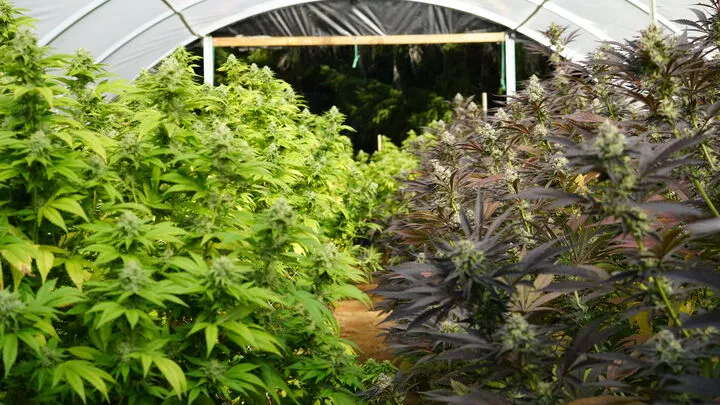
Weather patterns directly impact outdoor cannabis cultivation. Here are strategies for common challenges:
Rain and Humidity
Excessive moisture during the flowering stage can cause devastating bud rot. If your region experiences fall rains during harvest time:
- Consider growing in containers that can be moved under cover
- Create temporary shelters with clear plastic
- Choose mold-resistant strains
- Harvest earlier if necessary to avoid prolonged wet periods
Heat and Drought
During intense summer heat:
- Provide morning and evening watering
- Use mulch to maintain soil moisture and moderate temperature
- Consider shade cloth during extreme heat waves
- Choose heat-resistant strains for hot climates
Wind Protection
Strong winds can break branches, especially when plants are heavy with flowers:
- Install windbreaks around your garden
- Use stakes and soft plant ties for support
- Consider growing in locations with natural wind protection
The Harvest Process for Outdoor Cannabis
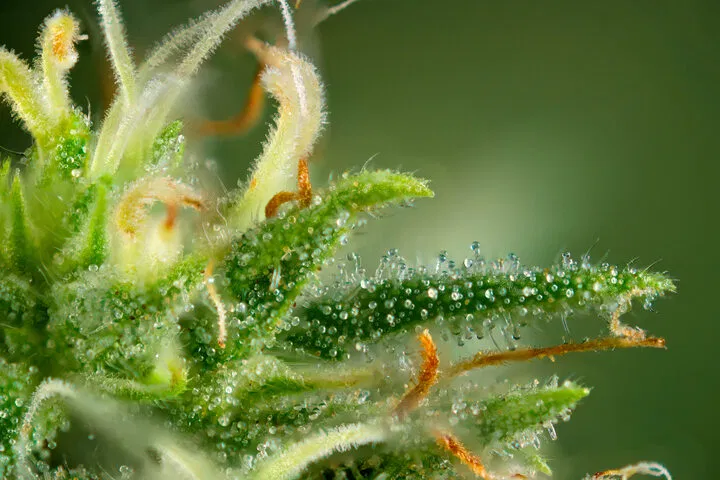
Knowing when and how to harvest is crucial for cannabis quality. The flowering times for outdoor cannabis vary by strain and your specific location, but most plants are ready for cannabis harvest between September and November in the northern hemisphere.
When to Harvest Outdoor Cannabis
Look for these signals that your plants are reaching peak harvest time:
Pistil color change: White pistils darken to orange, red, or brown
Trichome development: Use a magnifying glass to examine trichomes:
- Clear trichomes = immature
- Cloudy trichomes = peak THC
- Amber trichomes = more sedative effects
Leaf color changes: Fan leaves may turn yellow and fall as the plant redirects energy to flowers
Bud firmness: Buds feel firm when gently squeezed
Most growers harvest when 70-90% of the pistils have darkened and the trichomes are mostly cloudy, with a few turning amber.
Harvesting Techniques
For the best cannabis harvest:
- Harvest in the morning after the dew has dried but before the heat of the day
- Cut entire plants or individual branches, depending on your drying setup
- Remove large fan leaves before hanging to dry
- Handle buds gently to preserve trichomes
Drying and Curing Outdoor Cannabis
Proper drying and curing are essential for quality:
- Hang branches in a dark room at 60-70°F (15-21°C) with 50-55% humidity
- Allow 7-14 days for proper drying until stems snap rather than bend
- Trim flowers when dry and place in glass jars for curing
- Open jars daily for the first two weeks to release moisture
- Continue curing for 2-8 weeks for optimal flavor and smoothness
Special Techniques for Outdoor Cannabis Growing
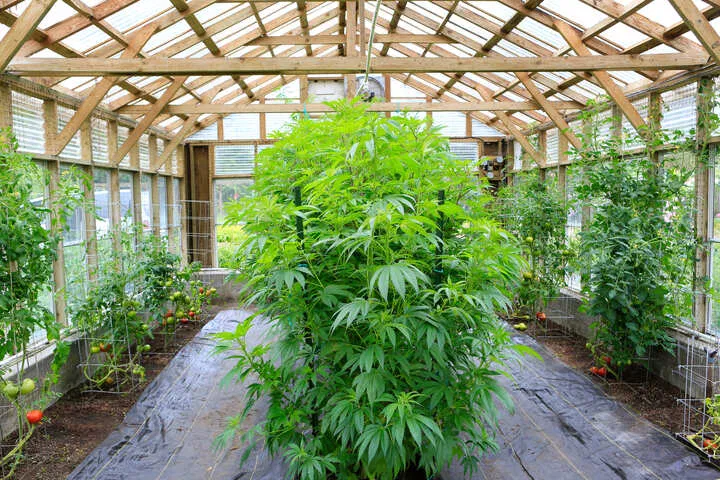
Here are some advanced techniques that experienced growers use to maximize their outdoor cannabis cultivation:
Light Deprivation Techniques
If you want greater control over when your plants flower outdoors, light deprivation (often referred to as "light dep") lets you force flowering by covering the foliage to extend nighttime periods:
- Build a lightproof structure or use a lightproof tarp
- Cover plants daily to ensure they receive 12 hours of uninterrupted darkness
- Remove the covering during daylight hours
- Continue until harvest
This technique allows for earlier harvests and sometimes multiple harvests per season.
Supplemental Lighting
In regions with shorter growing seasons, you can extend the growing period by:
- Add supplemental lighting in early spring to prevent early flowering
- Using low-power LED lights to extend daylight hours
- Creating a light schedule that mimics mid-summer conditions
Greenhouse Growing
A greenhouse provides the benefits of outdoor growing with more control:
- Natural sunlight with protection from rain and wind
- Extended growing seasons
- Better pest management
- Light deprivation options
A simple hoop house can be an affordable way to get these benefits without significant investment.
Regional Considerations for Growing Cannabis Outdoors
Northern Hemisphere Growing
In the northern hemisphere:
- Start seeds indoors in March-April
- Move outdoors after the last frost (usually May)
- Expect flowering to begin in late July-August
- Harvest between September and November, depending on strain
Southern Hemisphere Growing
In the southern hemisphere:
- Start seeds indoors in September-October
- Move outdoors after the last frost (usually November)
- Expect flowering to begin in late January-February
- Harvest between March and May, depending on strain
Altitude Considerations
Higher altitudes present unique challenges and opportunities:
- Stronger UV light can increase resin production
- Cooler temperatures may slow growth
- Greater temperature fluctuations between day and night
- Choose cold-resistant strains with shorter flowering times
Troubleshooting Common Problems in Outdoor Cannabis
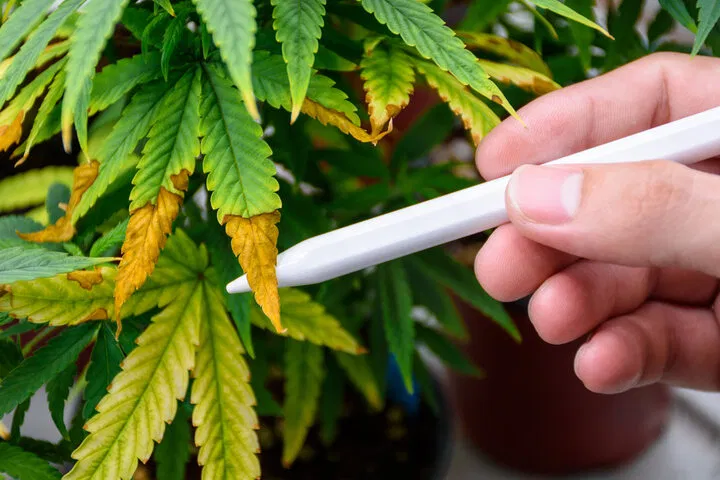
Even with proper planning, outdoor cannabis cultivation can face challenges. Here are solutions to common problems:
Poor Bud Development
If your plants aren't developing dense buds during the flowering stage:
- Ensure they're receiving enough direct sunlight (minimum 6 hours)
- Check for nutrient deficiencies, especially phosphorus and potassium
- Look for signs of stress that might be diverting the plant's energy
- Consider that genetics play a significant role in bud density
Slow Growth
If plants aren't thriving:
- Check soil quality and drainage
- Ensure proper watering (not too much, not too little)
- Look for signs of root binding in containers
- Consider temperature—cannabis grows best between 70-85°F (21-29°C)
Nutrient Issues
Yellow leaves, spotted foliage, or other discoloration often indicate nutrient problems:
- Nitrogen deficiency: Older leaves turn yellow from the bottom up
- Phosphorus deficiency: Dark green leaves with purple stems
- Potassium deficiency: Yellow leaf edges and brown spots
- Calcium deficiency: New growth appears twisted or stunted
Debunking Myths: Outdoor vs. Indoor Quality
Is outdoor cannabis lower quality? This assumption is a common misconception. While controlled environments offer more control, outdoor cannabis benefits from full-spectrum sunlight, often yielding higher terpene profiles and more complex effects. The challenges of pests or weather patterns demand vigilance but reward growers with unparalleled complexity and character in their flowers.
Frequently Asked Questions About Growing Weed Outdoors
How Long Does It Take to Grow Outdoor Weed?
Autoflowering strains mature in 10-14 weeks from seedling to harvest, while photoperiod plants require 14–22 weeks, depending on strain and climate. The entire process from seed to dried and cured buds typically takes:
- 3-4 months for autoflowering varieties
- 4-7 months for photoperiod varieties
What is Needed to Grow Weed Outdoors?
The essentials include:
- Quality seeds or clones
- Nutrient-rich soil with good drainage
- At least 6 hours of direct sunlight daily
- Reliable water source
- Basic gardening tools
- Privacy and security measures
- Patience and regular monitoring
Can You Plant Weed in Your Backyard?
Yes, provided local laws permit it. Ensure good drainage, adequate sunlight, and privacy. Many successful growers cultivate cannabis in their backyard vegetable gardens, often integrating them with companion plants for pest control and discretion.
When to Remove Fan Leaves During Flowering?
Remove fan leaves strategically during the flowering stage:
- Large leaves shading bud sites
- Leaves more than 50% damaged yellow or discoloured
- Lower leaves receive minimal light
- During weeks 2-3 of flowering for improved airflow
However, avoid excessive defoliation, as leaves are the plant's energy factories.
Final Tips for Growing Cannabis Outdoors Successfully
After decades of growing cannabis and helping others with their gardens, here are my most important tips for outdoor cannabis cultivation:
Start with quality genetics from reputable seed banks that match your climate
Prepare your site thoroughly before planting
Keep it simple your first season—master the basics before trying advanced techniques
Be patient and observant—daily observation is your best tool
Take notes on what works and what doesn't for future growing seasons
Build healthy soil as the foundation of plant health
Harvest at the right time—it's better to harvest a little early than too late if bad weather is coming
Remember that outdoor cannabis plants are resilient and want to grow. Even if you make mistakes, you can still achieve a successful harvest with the basic knowledge outlined in this guide.
Conclusion: Embracing the Joy of Growing Cannabis Outdoors
Growing cannabis outdoors profoundly connects you with nature. There's something deeply satisfying about nurturing plants from tiny seeds through their complete life cycle to harvest. The experience teaches patience, observation, and appreciation for the subtle rhythms of the natural world.
Whether growing a few plants in containers on your patio or cultivating a more extensive garden, the principles remain the same. Provide your plants with good soil, adequate water, plenty of sunlight, and protection from extreme conditions, and they will reward you with beautiful, aromatic flowers.
I hope these tips help you on your journey to growing high-quality cannabis outdoors. Remember that each growing season brings new learning opportunities and chances to refine your approach. With practice, you'll intuitively understand your plants' needs and how to bring out their best qualities.
Happy growing!
Jorge Cervantes has been cultivating and writing about cannabis for over four decades. His books, including the internationally renowned "Marijuana Horticulture: The Indoor/Outdoor Medical Grower's Bible," have helped countless growers worldwide produce more and better cannabis.