
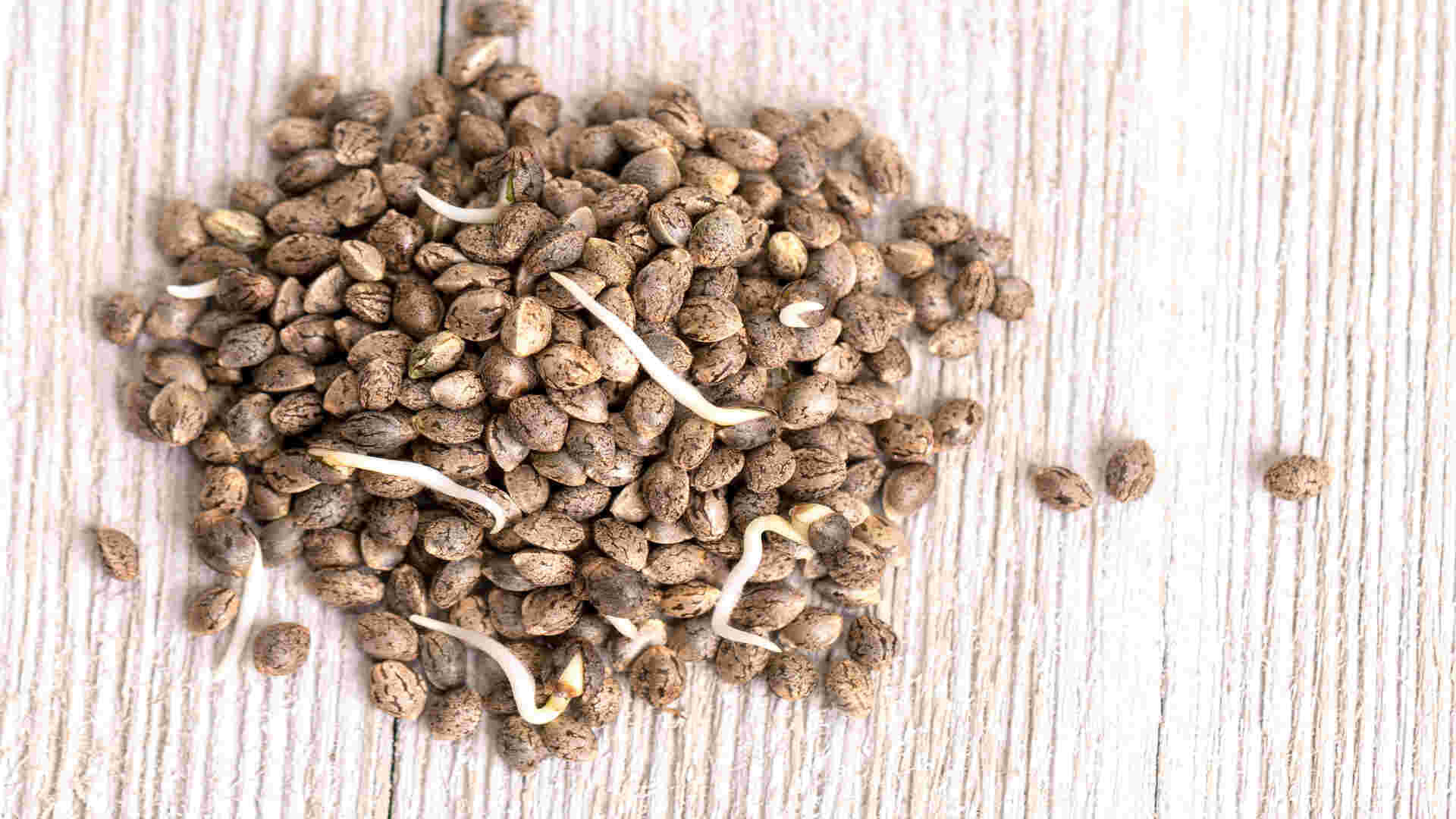
Everything we know and love about cannabis plants starts with a single seed. These tiny, hard-shelled, striped, dark green and brown capsules of life contain millions of pairs of base genes that determine everything from plant size and structure to aroma, yield, and trichome formation. Some seeds display exceptional vigour, sprouting in compost piles or unexpected places, while others—especially aged or improperly stored seeds—require more precise conditions to germinate. This article will explore the science behind seed germination and how to optimize the process to ensure healthy cannabis plants from the very start.
How Does Germination Begin?
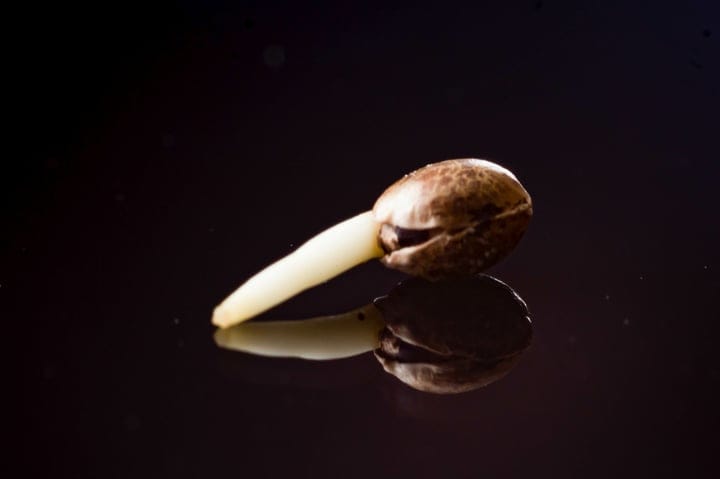
Seed germination is triggered by specific environmental conditions that activate phytohormones and enzymes, signalling the start of life. Temperature, humidity, and oxygen availability create a cascade of biochemical reactions that break seed dormancy and initiate growth.
Cannabis seeds remain dormant due to abscisic acid (ABA), a plant hormone that prevents premature germination. ABA maintains seed dormancy by inhibiting metabolic activity and water uptake. Over time, ABA levels decline naturally, but storage conditions play a critical role in preserving or reducing dormancy. High humidity and fluctuating temperatures can prolong dormancy by increasing ABA retention, while cool, dry conditions help maintain seed viability.
Once optimal germination conditions are met, the seed absorbs water in a process called imbibition. This water uptake rehydrates enzymes and activates metabolic processes that convert stored nutrients into energy. The key enzymes involved in this process include amylase, which breaks down starches into simple sugars to provide energy for growth; protease, which hydrolyzes stored proteins into amino acids for new cellular structures; and lipase, which converts stored lipids into fatty acids, which are used for energy production. These enzymes fuel the emerging embryo, supporting cellular expansion and the growth of the radicle (taproot), the first structure to break through the seed coat.
Why Do Older Seeds Struggle to Germinate?
As seeds age, they naturally lose vigour and become less likely to germinate due to physical, biochemical, and genetic changes. One of the main culprits is oxidative stress, which builds up over time and damages the seed at a cellular level. This happens because of reactive oxygen species (ROS)—unstable molecules that break down essential cellular components like DNA, proteins, and membranes. As these structures degrade, it becomes harder for the seed to "wake up" and activate the growth processes needed for germination.
Another key factor is lipid peroxidation, which affects the seed's stored fats. Seeds store energy in the form of oils, but over time, these oils break down and become rancid, making them less effective as an energy source for germination. This process happens faster when seeds are exposed to heat, humidity, and oxygen, accelerating the breakdown of lipids and other vital compounds.
Hormonal changes also play a role in seed ageing. While abscisic acid (ABA), the hormone responsible for keeping seeds dormant should naturally decrease over time, aged seeds often struggle to break dormancy fully. Their metabolic activity slows down, making it harder to produce gibberellic acid (GA), the hormone that triggers germination. Some aged seeds become less responsive to GA, meaning that even if present, it doesn’t effectively signal the seed to start growing. Over time, DNA damage and chromosomal mutations can also occur, disrupting normal cell division and reducing the seed’s ability to develop into a healthy plant.
The Best Way to Store Seeds for Long-Term Viability
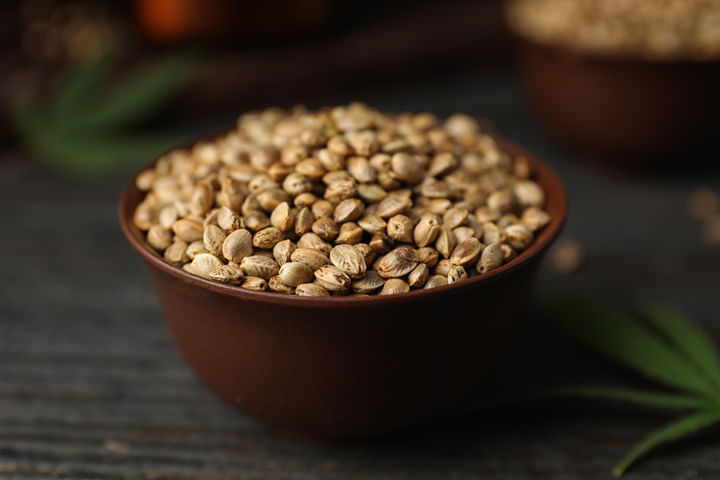
Proper storage is essential to slow down the ageing process and keep seeds viable for as long as possible. The best conditions for seed storage are:
- Cool Temperatures: Store seeds at 32-41°F (0-5°C), such as in a refrigerator. Avoid temperature fluctuations, as they can speed up deterioration.
- Low Humidity: Keep humidity levels below 10% to prevent moisture absorption, activating premature metabolic activity and promoting mould growth.
- Darkness: Some seeds can trigger metabolic changes when exposed to light, so store them in a dark container.
- Airtight Containers: Oxygen exposure accelerates oxidation and lipid breakdown. To keep air and moisture out, use vacuum-sealed bags, mason jars, or mylar bags with desiccant packs.
- Freezing for Long-Term Storage: Seeds frozen at -4°F (-20°C) can preserve viability for decades, but they must be thoroughly dried beforehand to prevent ice crystal formation, which can damage cellular structures.
By storing seeds properly, growers can significantly extend their lifespan and improve germination success, even years later.
How to Start an Old Seed
To encourage germination in aged seeds, growers can use techniques that reduce ABA levels and enhance gibberellin signalling.
One method involves soaking seeds in a diluted hydrogen peroxide solution (3% H₂O₂, mixed 1:10 with water), which helps break down ABA while also disinfecting the seed surface.
Another effective technique is treating seeds with gibberellic acid (GA₃) at a concentration of 100-250 ppm for 12-24 hours, which helps stimulate germination by compensating for the seed's reduced ability to produce GA naturally.
Since GA₃ does not dissolve easily in water, it is often first dissolved in a small amount of ethanol before being diluted in water. A standard method is to dissolve GA₃ powder in a few drops of ethanol (around 95%), then dilute the solution in distilled water to reach the desired concentration. However, high concentrations of ethanol (above 0.5-1%) can negatively affect germination, so it’s very important to keep ethanol content low in the final solution.
The Best Way to Start a Cannabis Seed
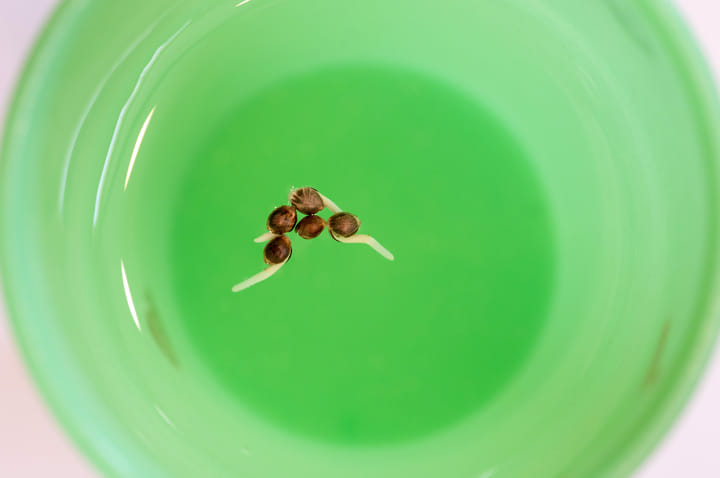
Follow these steps for optimal germination:
- Choose a Germination Method: Soaking in distilled water, using the paper towel method, or planting directly into a light, well-aerated seed-starting mix.
- Use Proper Temperature & Humidity: Maintain a temperature of 70-85°F (21-29°C) and humidity levels around 70-90%.
- Provide Darkness: Cannabis seeds do not require light to germinate and prefer a dark environment for optimal enzyme activation.
- Ensure Oxygenation: Avoid overwatering, as excessive moisture can lead to oxygen deprivation and fungal growth.
- Monitor Daily: Check for the emergence of the taproot and transplant promptly to avoid damaging the delicate root.
Microbes and Hydrogen Peroxide: Friend or Foe?
Hydrogen peroxide is often used as a seed treatment because it reduces ABA and disinfectant properties, but it can also disrupt beneficial microbes that support plant health. While H₂O₂ breaks down into water and oxygen, creating an oxygen-rich environment that can be beneficial for germination, it also acts as a broad-spectrum antimicrobial agent, killing harmful pathogens and beneficial microbes. While it may help prevent damping-off disease and other fungal infections, it also eliminates microbial allies contributing to root and seedling health.
After using hydrogen peroxide, it is beneficial to reintroduce beneficial microbes to restore a healthy rhizosphere. Some of the most valuable microbes for cannabis seedlings include Rhizobacteria like Bacillus subtilis and Pseudomonas fluorescens, which help protect roots from pathogens while promoting root growth. Mycorrhizal fungi, such as Glomus intraradices, form symbiotic relationships with plant roots, enhancing nutrient uptake and improving overall seedling vigor. Trichoderma species, a type of beneficial fungus, can also outcompete harmful fungi, reducing the risk of damping-off and other seedling diseases.
The Life of a Seedling: From Taproot to True Leaves
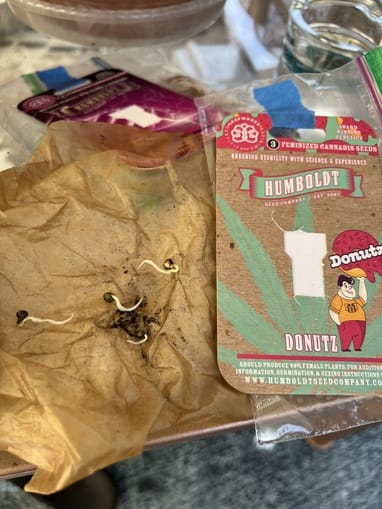
Once the taproot appears, the young plant starts growing and changing quickly. The taproot, or main root, grows downward into the soil, helping to anchor the plant in place while soaking up water and nutrients. At the same time, the stem (called the hypocotyl at this stage) stretches upward, pushing the plant above the soil.
The first leaves to show up are called cotyledons. These special leaves don’t look like the plant’s usual leaves, but they are packed with stored nutrients to give the seedling energy to grow. After a short time, the true leaves begin to appear. These look like the leaves the plant will have as it matures. Once the true leaves develop, the plant can start photosynthesis—the process of turning sunlight into energy—so it can continue growing strong.
Cotyledons vs. True Leaves
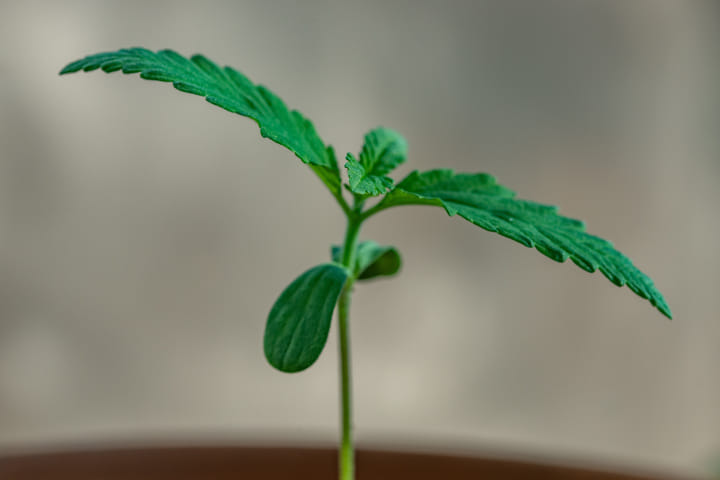
Cotyledons are the first leaves that appear when a seed sprouts. These seed leaves don’t resemble the mature cannabis plant’s leaves but act as a built-in food supply, providing stored nutrients to help the young seedlings grow. After a short time, the true leaves begin to form. These are the first leaves that look like the plant’s mature foliage. Unlike cotyledons, true leaves do not rely on stored nutrients—instead, they start photosynthesis, using light to create energy, allowing the plant to feed itself and grow stronger.
To help seedlings develop healthy roots and reduce the risk of damping off (a fungal disease that kills young plants), it’s best to use a sterile seed-starting mix that does not contain organic material or nutrients. A great option is a simple, nutrient-free mix made of equal parts coco coir (or peat moss) and vermiculite.
- Coco coir or peat moss provides a light, airy texture for easy root expansion.
- Vermiculite is especially useful because it stores water while keeping the mix well-aerated. This ensures the seed has consistent moisture without becoming too wet, helping prevent fungal issues like damping off.
Since young seedlings don’t need extra nutrients until their true leaves develop, this mix gives them a safe, clean environment to germinate and grow strong roots before being transplanted into nutrient-rich soil.
Check out this video on Seed Starting Potting Mix.
Common Seed Germination Problems and How to Fix Them
- Damping Off (Fungal Rot) → Improve air circulation, avoid overwatering, and use sterile media.
- Temperature Too Cold → Keep between 70-85°F (21-29°C) for optimal germination.
- Overwatering Leads to Oxygen Deprivation → Keep the medium moist but not soggy.
- Old Seeds Not Germinating → Treat with gibberellic acid or hydrogen peroxide to reduce ABA and promote germination.
Start Seeds with BLAZE

If you want to start seeds alongside fellow citizen scientists worldwide, consider joiningBLAZE - Botanical Latitude And Zone Evaluation. This project aims to gather data on seed-grown cannabis plants across different climates and latitudes. Whether you germinate your seeds using hydrogen peroxide, a damp paper towel, or another method like the cannakan, we want to hear from you! By answering survey questions and sharing your results, you can help advance cannabis science in this first-of-its-kind global citizen science project.