
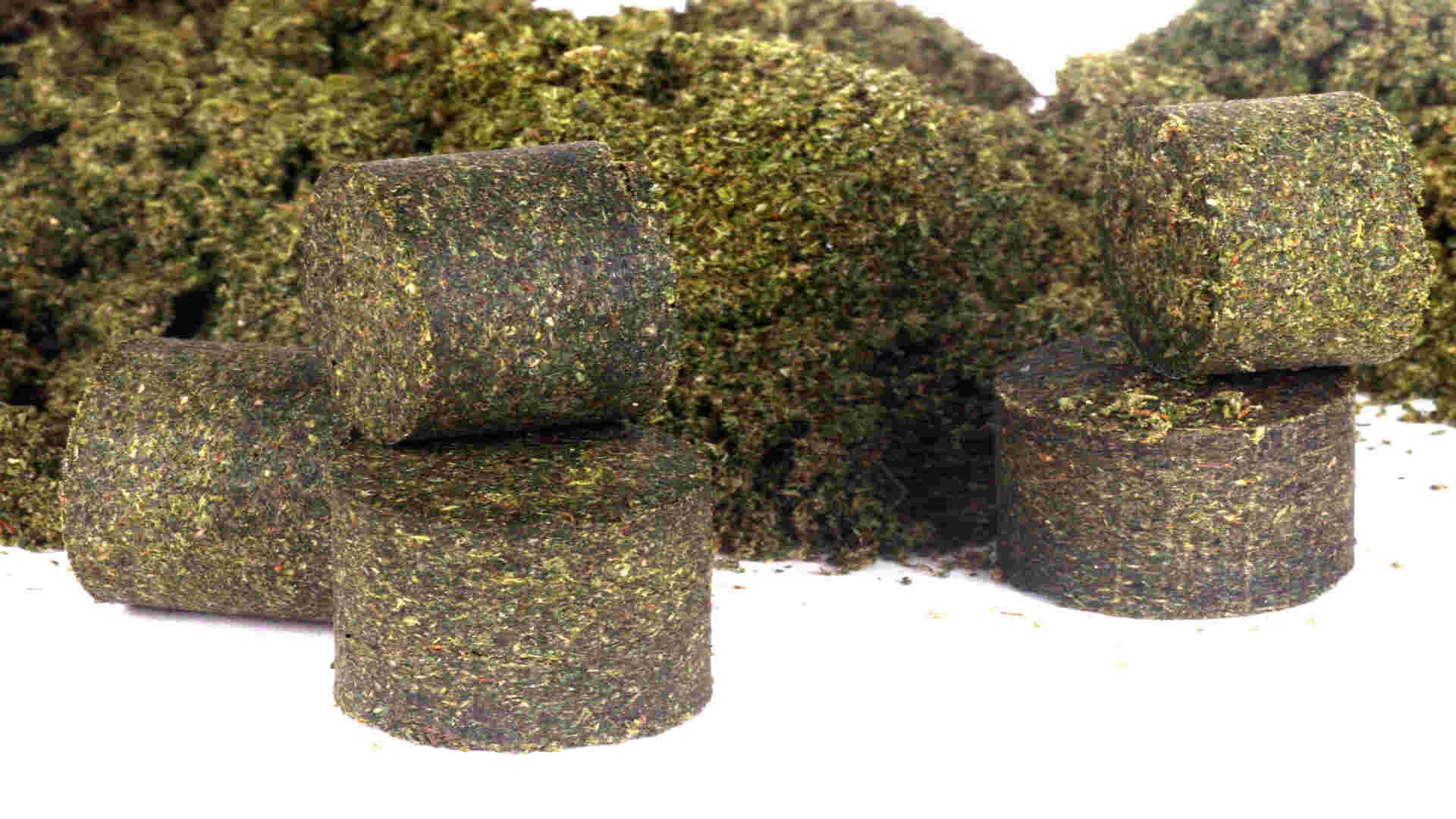

If you’ve ever looked at the bottom of your grinder and seen that golden dust sparkling back at you, you may have wondered: Is hash the same as kief? These two cannabis concentrates might share a source – trichomes – but they’re far from identical in texture, potency, preparation, and use. As concentrate culture grows and consumers become more discerning, the hash vs kief debate has taken on new relevance. The hash vs kief discussion is important for anyone interested in understanding the unique qualities and uses of these cannabis concentrates. Both kief and hash are derived from trichomes and share similarities in their potency and production process.
Here, we’ll explain the real differences of hash vs kief, show how each is made, and explain why you might prefer one over the other. Whether you’re new to cannabis or already pressing your own rosin, understanding these differences will help you get more from every gram. The hash vs kief decision can help consumers choose the right concentrate for their preferences and needs.
Introduction to Cannabis Concentrates
Cannabis concentrates have become a staple for weed lovers seeking a more potent and versatile cannabis experience. Unlike regular cannabis flower, concentrates like kief and hash are derived from the most cannabinoid-rich parts of the cannabis plant: the trichomes. These tiny, crystal-like structures cover the cannabis flowers and are packed with cannabinoids such as THC and CBD, as well as aromatic terpenes.
Kief and hash are two of the oldest and most popular cannabis concentrates, each offering a unique way to enjoy the plant’s high concentration of active compounds. The production methods for these concentrates vary, but both start with collecting trichomes from the flowers. Whether you’re interested in the pure, powdery kief or the refined, compressed hash, understanding the basics of cannabis concentrates can help you make the most of your cannabis experience.
Further Reading:Cannabis Trichomes 101 - The Uses, Effects, And Purpose
Hash vs Kief: What Is Kief?
Kief is the unprocessed trichome resin that naturally collects during the handling or grinding of dried cannabis flower. You can find it in the lower chamber of your grinder – typically pale gold to light green in color. This powder is actually made up of thousands of microscopic resin glands, where the bulk of cannabinoids and terpenes are stored on the cannabis plant. Marijuana buds, cannabis bud, and sugar leaves are all rich sources of trichomes that can be used to produce kief.

Since kief is purely glandular with minimal plant matter, it’s substantially more potent than the cannabis it comes from. While a high-quality flower might contain around 20-30% THC, kief can easily reach 50-70%, depending on how cleanly it’s sifted. Pure kief is especially potent due to its high concentration of the plant's cannabinoids and the absence of excess plant material.
Kief is incredibly versatile. It can be:
- Sprinkled over bowls or joints to boost potency
- Pressed into hash
- Vaporized for quick, terpene-rich hits
- Infused into edibles (after decarboxylation)
One of kief’s biggest advantages is how easy it is to collect. With nothing more than a three-chamber grinder and a bit of patience, anyone can start harvesting this potent powder. A multi chamber grinder, equipped with a kief catcher, is specifically designed to separate and collect kief efficiently during the grinding process. The kief catcher collects the trichomes that fall through the mesh screen as you grind your cannabis bud, making kief collection straightforward and effective. The grinding process, especially when using a mesh screen, helps to collect kief by sifting trichomes from the plant material. Collecting kief and efficient kief collection are essential steps for anyone looking to maximize the potency and versatility of their cannabis products.
Further Reading:What Is Kief? Everything You Need To Know
Hash vs Kief: What is Hash?
Hash, short for hashish, is the compressed form of trichomes – often using heat, pressure, or agitation (like in water extraction). Hash requires a more involved process than kief, including heating and pressing to achieve its concentrated and refined state. Processing kief is a key step in making hash, as the raw trichome-rich material is transformed into a more potent product. It’s a more refined and concentrated cousin of kief, with a history dating back centuries. Hash originated in the Middle East and Asia, where cultivators would hand-rub fresh cannabis buds until they accumulated a sticky resin on their palms, which was then shaped into balls known as charas.
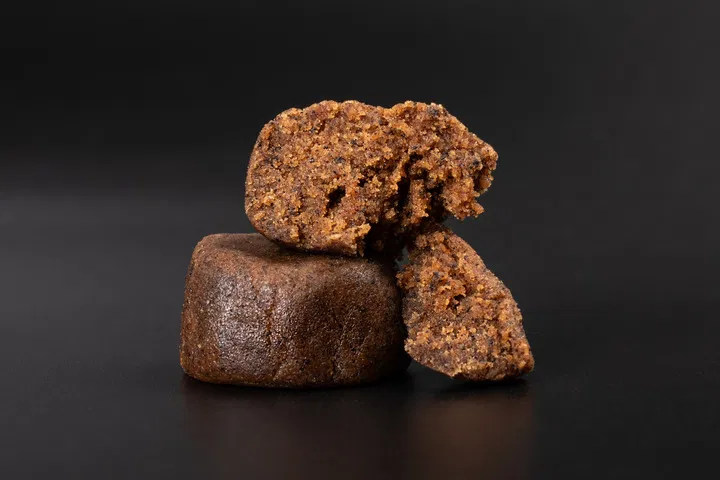
Modern hash can be made through several methods:
- Dry-sift hash: Pressing clean kief using pressure and heat
- Bubble hash: Using ice water to agitate trichomes of frozen cannabis and filtering through micron bags.
- Rosin hash: Extracted using heat and hydraulic pressure without solvents.
- Hash is a concentrated form and solid form of cannabis trichomes, resulting in a tangible, manageable product.
Good hash is pliable, aromatic, and extremely potent. The concentrated nature of hash gives it higher potency compared to kief. Bubble hash, for example, can exceed 80-90% THC when made with high-quality source material and correct technique. Potency levels can vary depending on the production method used.
Hash tends to produce a deeper, longer-lasting high. Hash products come in various forms, such as blocks, balls, or slabs, and traditional consumption often involves a hash pipe. The effect is typically more body-centered, with complex layers of flavor – earthy, spicy, even slightly sweet depending on the strain and method used, resulting in a high-quality final product.
Further Reading:How To Make Hash At Home
Hash vs Kief Explained: Types of Hash

Hash is a versatile cannabis concentrate that comes in several distinct forms, each created through different processing methods. Traditional hash is made by compressing kief or resin from the cannabis plant using heat and pressure, resulting in a dense, solid block or a pliable paste. This method has been used for centuries and is still popular for its simplicity and rich, earthy flavor.
Bubble hash takes a different approach, using ice water extraction to separate trichomes from the plant material. By agitating cannabis plant material in ice water, the trichomes become brittle and break off, then are filtered through fine mesh bags. The result is a clean, potent hash that preserves much of the plant’s original terpene profile.
Further Reading: The Benefits Of Bubble Hash And How To Make It
Rosin hash is another popular type, created by applying heat and pressure directly to cannabis plant material or kief. This solventless extraction method produces a sticky, resinous concentrate that’s prized for its purity and potency.
Each type of hash offers a unique combination of potency, flavor, and texture, making them suitable for different consumption methods and personal preferences. Whether you prefer the traditional approach or modern techniques like bubble hash and rosin, there’s a hash product to match every cannabis enthusiast’s taste.
Hash vs Kief: Differences at a Glance
| Feature | Kief | Hash |
| Texture | Powdery, loose | Solid, often sticky or pliable |
| Processing | None (sifted) | Pressed or water-extracted |
| Potency | 50-70% THC | 60-90% THC |
| Flavor | Bright, strain-specific | Deeper, complex, earthy, spicy |
| Ease of Use | Very easy - grinder accessible | Requires tools or pressing techniques |
| Consumption | Joints, bowls, vapes, edibles | Pipes, vapes, dab rigs, edibles, joints |
| Shelf Life | Can dry out or degrade | More stable if stored well |
While both come from trichomes, the key difference in hash vs kief lies in transformation. Hash and kief are not at the same level of potency or processing complexity—hash typically requires more equipment and expertise to produce. Both are considered types of cannabis extract, and the characteristics of these cannabis extracts can vary depending on the strain, extraction method, or processing technique used. Kief is unaltered resin; hash is refined and shaped, often preserving potency and flavor better over time.
Hash vs Kief: Physical Characteristics, Flavor, and Aroma Profiles
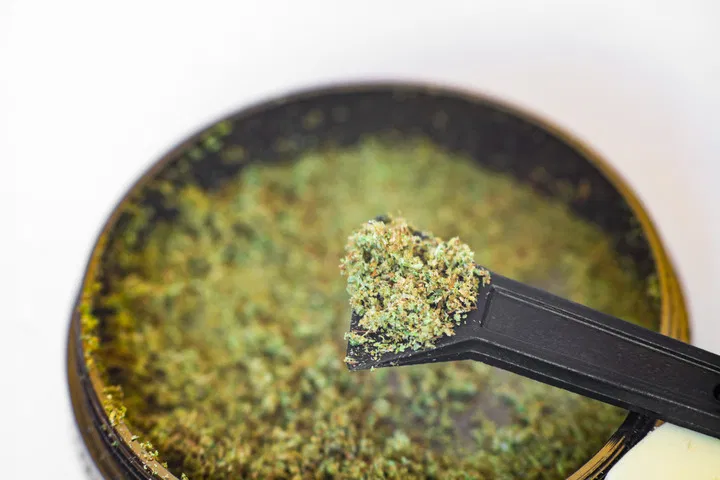
Kief and hash are pretty easy to distinguish by their appearance and texture. Kief is a fine, powdery substance that ranges in color from pale gold to light green, depending on the specific strain and how it’s collected. Its loose, almost sandy consistency makes it convenient to use, into the bargain; its easy to sprinkle over bowls or joints, and its subtle, earthy flavor reflects the natural essence of the cannabis plant.
Hash, on the other hand, is typically found in a solid or paste-like form, with a darker color that can range from deep brown to almost black. The flavors and aromas of hash are often more complex than kief, with sweet, spicy, or even floral notes that develop during the compression and processing of the trichomes. The specific strain of cannabis and the production methods used play a big role in shaping the final product’s taste and smell.
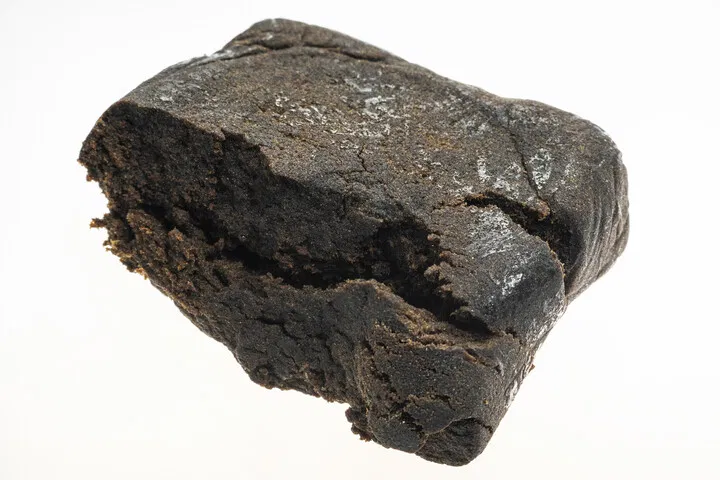
When you're debating how to choose between hash vs kief, flavor and aroma can go a long way to shaping your preference.
Hash vs Kief: How the High Compares
Now to the business end of things! The effects of hash vs kief arguably differ in duration and depth more than intensity. Kief tends to hit faster due to its loose structure, while hash typically has a slower onset but longer-lasting, more sedating effects. Kief highs can be uplifting and energetic, while hash tends to be more immersive and body-heavy – particularly when smoked in larger amounts. Hash generally offers a more potent experience due to its higher potency and concentrated cannabinoids.
The difference comes partly from how terpenes and cannabinoids are preserved. Heat-pressed hash and bubble hash often retain more of their terpene profile than aged or exposed kief. According to a 2021 study on solventless extracts, solventless hash (like rosin) can have a terpene content nearly double that of dry-sift kief[1].
Further Reading: How To Air Dry Bubble Hash
That makes hash more attractive to those looking for a full-spectrum cannabis experience – the famed “entourage effect” where cannabinoids and terpenes work synergistically. Ultimately, the choice between hash and kief comes down to personal preference and the type of cannabis experience you seek.
Further Reading: Cannabis Chemistry: Exploring The Entourage
Hash vs Kief: Which Should You Choose?
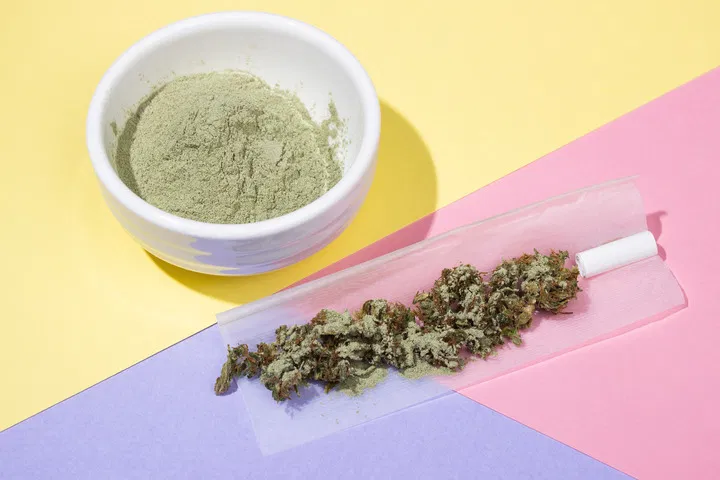
If you’re new to concentrates, kief offers a low-barrier way to explore cannabis enhancement. It’s easy to gather, store, and use without extra tools or compliavted processes. Just sprinkle some on your bowl or mix it into a joint, and enjoy an extra to kick to youre smoke (kick is the operative word here!).
Hash will appeal to more experienced users, especially those who:
- Appreciate terpene-rich flavor and aroma
- Want full-bodied effects that last
- Enjoy the process and ceremony of traditional consumption methods (pipes, chillums, dab rigs), as hash is typically enjoyed through these methods. Many users also smoke hash, either on its own or by crumbling it into joints or bowls.
- Prefer solventless, artisanal concentrates
Ultimately, choosing between hash vs kief comes down to your goals and how involved you want to be in the process. Kief is conveient; hash is a craft.
Making Hash at Home From Kief
If you’ve already collected a decent amount of kief, making your own hash is simpler than you might think. One common technique is the hot water bottle press.
- Wrap your kief in parchment paper
- Heat a water bottle to around 60-70°C
- Roll it over the parchment for 19-20 minutes with pressure
- Flip and repeat until resin darkens and forms a sticky, compact block of hash.
For those looking to scale up or improve efficiency, specialized equipment like hash washers, rosin presses, or kief kits can make the process easier and more consistent.
More advanced users may prefer bubble bags and freeze-drying for a cleaner extract. If you’re serious about quality, investing in a manual rosin press gives you control over heat and pressure – ideal for extracting potent solventless hash rosin. Processing kief in these ways is often the first step toward making more refined products.
Some home hash makers even process their concentrates further to produce cannabis oil as a final product.
Further Reading: How To Get Kief Out The Jar
Hash vs Kief: Best Cannabis Strains For Hash Making
Not all strains are created equal when it comes to trichome production. For hash and kief, you’ll want cultivars with:
- Dense trichome coverage
- High resin output
- Distinct terpene profiles that survive extraction
The marijuana plant is the source of these valuable trichomes, which coat the buds and are essential for producing potent extracts like kief and hash.
Here are some top Seedsman picks for hash production:
The choice of strain from the marijuana plant directly impacts the potency and flavor of the final product, making strain selection a crucial step in achieving high-quality hash and kief.
White Widow
A resilient, high-resin classic perfect for beginners. Its abundant trichomes make it ideal for producing pure kief, which is highly potent and contains minimal plant material. Great for dry sift kief and easy hand-rolling into charas-style hash.
Buy Seedsman White Widow Seeds



Peyote Wi-Fi
With high THC levels and superb resin production, this indica-dominant strain perfect for making hash and other extracts.
Buy Seedsman Peyote Wi-Fi Seeds


Ricky's Hash Plant
As the name suggests, this Trailer Park Boys exclusive from a collaboration with Brothers Grimm is superb for hash making. Strong, sticky, and sedating – perfect for hash, pressed rosin, and a range of concentrates.
Buy Ricky's Hash Plant Cannabis Seeds
 No reviews yetBrothers Grimm Seeds
Ricky's Hash Plant (Trailer Park Boys Collab)
Feminised
SeedsOut of stock

Guava Root GMO
Modern strain with massive trichome output, and a superb washer via the fresh frozen method. This potent variety is fast flowering, high-yielding, and tailor-made for producing hash.
Buy Seedsman Guava Root GMO Cannabis Seeds


Hash vs Kief: Purchasing and Storage Tips
When shopping for kief or hash, quality should be your top priority. Look for products made from premium cannabis flowers, as these will yield a more potent and flavorful concentrate. Check for a high THC content and if possible, try to opt for products processed using solventless extraction methods to ensure purity and safety. If you're buying hash from a legal vendor as opposed to making your own, it helps to know how to spot low-quality hash.
Proper storage is essential to maintain the potency and flavor of your kief and hash. Store your concentrates in airtight glass jars or containers with tight-fitting lids, and keep them in a cool, dry place away from direct light and moisture. This helps preserve the cannabinoids and terpenes, ensuring your kief and hash stay fresh and effective. Always keep these potent cannabis products out of reach of children and pets to prevent accidental ingestion.
Hash vs Kief: Safety and Precautions

Enjoying kief and hash can be a rewarding part of your cannabis experience, but it’s important to use these potent concentrates responsibly. Start with a small dose, especially if you’re new to cannabis concentrates, and gradually increase as you become familiar with their effects. Because kief and hash are much stronger than regular cannabis flower, a little goes a long way.
Consume kief and hash in a well-ventilated area, as the smoke can be dense and may irritate your lungs. Avoid driving or operating heavy machinery after use, as these concentrates can significantly impair your coordination and judgment. Finally, always stay informed about the cannabis laws in your area, as regulations around hash and kief can vary. By following these safety tips, you can enjoy a potent and enjoyable cannabis experience with confidence.
Hash vs Kief: Final Thoughts
So – is hash the same as kief? Not quite. They share a starting point, but they end up offering very different cannabis experiences. Both hash and kief are types of cannabis extracts, each with unique characteristics and uses.
When it comes to hash vs kief:
- Kief is the simple essence – ready to sprinkle or vape without much fuss
- Hash is kief reformed – more potent, more flavorful, and made for those who love the ceremony as much as the effect.
Whether you’re crafting your own or buying artisan-made, concentrates offer depth, variety, and creativity. Start with what you enjoy, experiment with what intrigues you, and choose strains that can enhance the final product. Seedsman’s collection of trichome-rich cultivars is a great place to begin.
Ultimately, the choice between hash vs kief comes down to personal preference and the cannabis experience you seek.
--------------------------------------------------------------------------------------------------------------
References:
1. Advancing the study on cannabis concentrates and behavioural health