
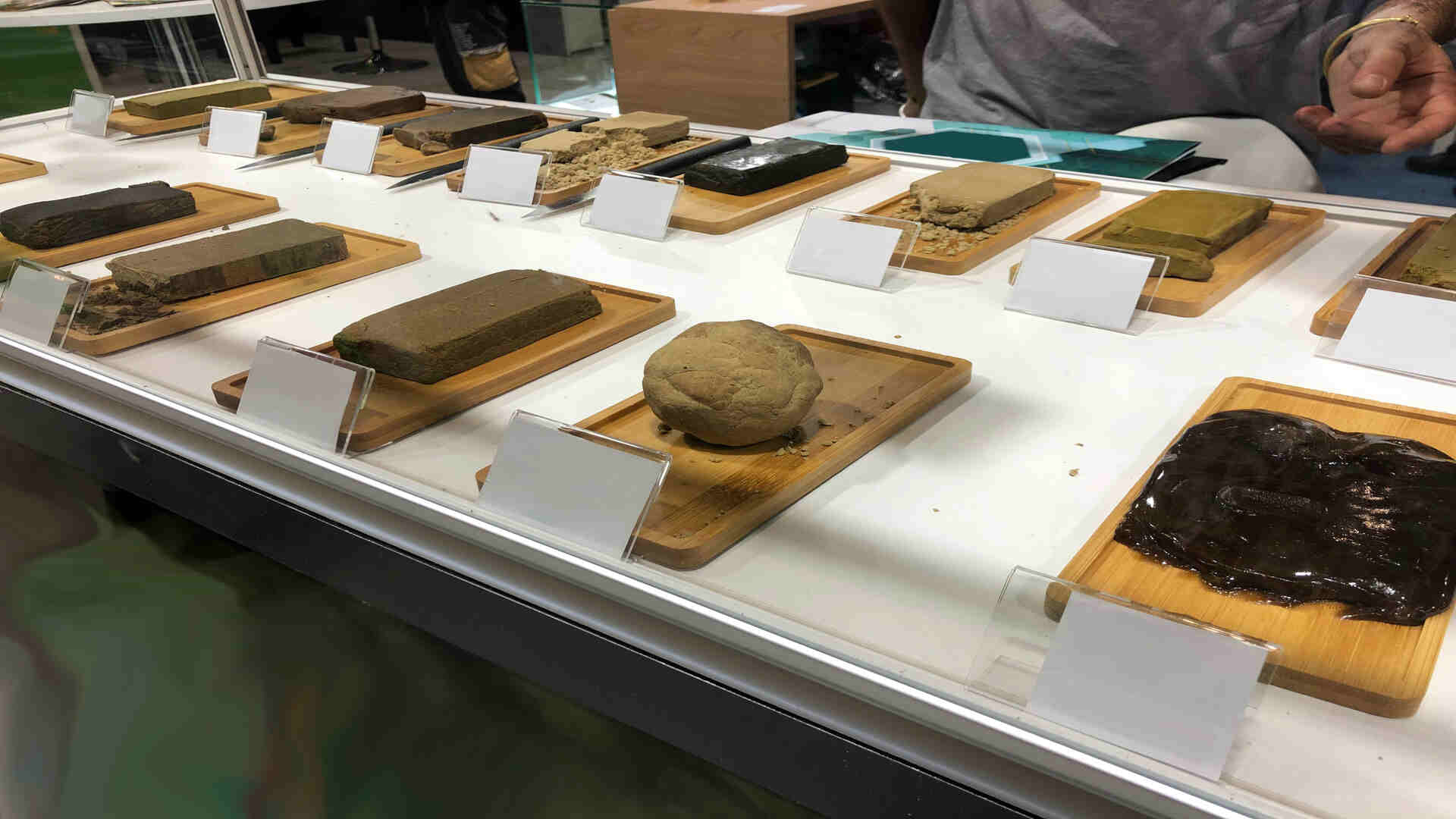

Hashish, commonly known as hash, is a potent cannabis concentrate celebrated for its rich history and powerful effects. However, not all hash is created equal. The quality of hash can vary significantly, and discerning between high and low-quality hash is crucial for ensuring a good experience. Hashish varies widely in terms of quality, appearance, and effects, with differences in color, texture, and consistency among types such as dry-sift, hand-rubbed, and ice-o-lator. In this guide, we will walk you through the telltale signs of low-quality hash, so you can avoid disappointment and enjoy only the finest.
How To Spot Low-Quality Hash by Appearance: Not All That Glitters is Gold
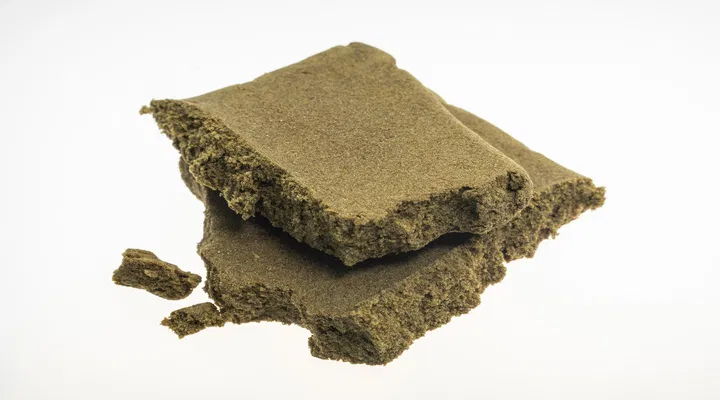
When it comes to hash, appearances do matter. High-quality hash should have a uniform color and a consistent texture. It can range from golden brown to dark brown, but should always look appetizing. Dry sift hash, a common form found in coffee shops, is produced by sieving dried buds to remove trichomes, resulting in a powder known as 'kief' or 'kif', which is then compressed into hash. Good-quality dry sift hash should have a consistent color, a slightly grainy texture, and a clean appearance when cut open.
Good-quality hand-rubbed hash should be slightly sticky to the touch.
Color
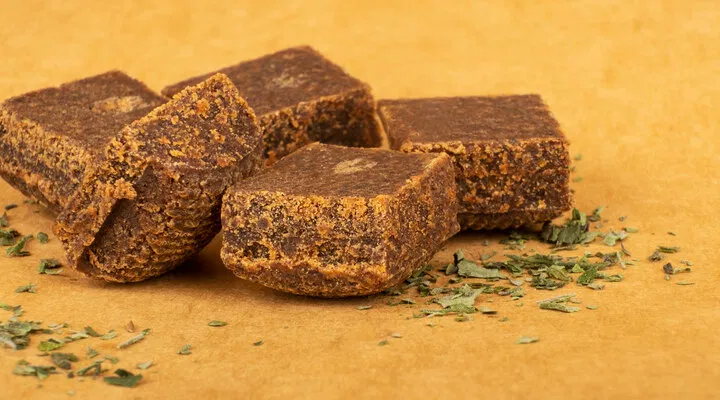
Hash comes in different forms and, as the image below illustrates, can vary in color from light brown to dark brown to black. Going by color alone is not a bulletproof means of assessing the quality, but it can be a step on a bigger checklist to help you identify issues. Low-quality hash often appears too dark, almost black, or too light, suggesting poor processing or contamination. If it looks like something you scraped off the bottom of your shoe, and ticks some of the other boxes below, it’s best to steer clear. Most notably, the color of a piece of hash should be fairly uniform. If it's six different shades of brown, that might be a red flag.

Texture
Quality hash is usually pliable and soft. It should break apart easily without putting up too much resistance, but also without crumbling into dust. If your hash feels overly moist, dry, brittle, tough, or is powdery, it’s likely not the best quality.
How To Spot Low-Quality Hash by Aroma: The Nose Knows
Trust your nose when it comes to evaluating hash. A strong, pleasant aroma is a hallmark of high-quality hash, typically indicative of the strain it was derived from. While cannabis flowers have distinct aroma and crystal coverage, hashish may lack these obvious clues, making aroma an important indicator of quality. If you're an experienced hash-lover, you'll recognize the familiar scent (or scents) of a good hash before burning. If not, then take a lighter to a corner of your hash and you'll soon know what you're dealing with. Another tell is the how the hash reacts when burned; it should turn grey and release a pleasant aroma. If it turns black and smells like chemicals, you've got the bad stuff.
Scent Profile
Good hash will smell rich and fragrant, often spicy, earthy, or even sweet. Fresh hashish should have a somewhat fragrant scent. If it smells musty, acrid, chemical-like, or lacks any noticeable scent, it could be a sign of poor quality or contamination.
Consistency of Scent
Hash that smells different every time you take a whiff is suspect. Consistency in aroma indicates proper curing and storage.
Identify Low-Quality Has by Feel: The Touch Test
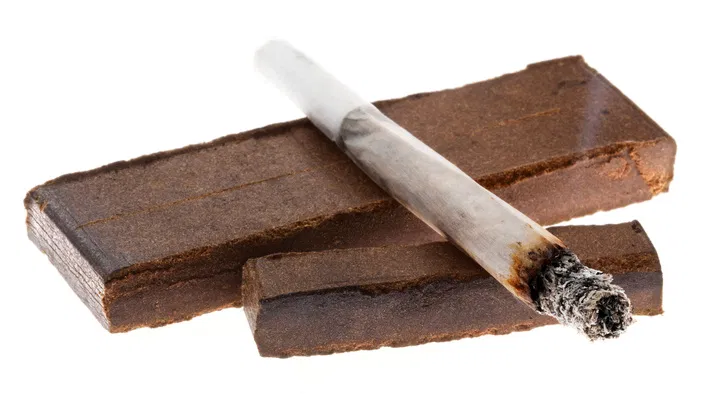
Your sense of touch can also help you identify low-quality hash. High-quality hash should feel sticky but not overly greasy or wet. Good quality hashish should be smooth and pliable, with a noticeable bubble when a flame is applied. The visual characteristics of good quality hashish include a consistent color, a slightly shiny surface, and a texture that is neither too hard nor too soft.
Tactile Experience
When you touch high-quality hash, it should leave a slight residue on your fingers, indicating the presence of THC. If it feels gritty or sandy, it may contain unwanted plant material.
Firmness
Good hash is firm but malleable. If it crumbles too easily or is rock hard, it might be old, improperly stored, or just poor quality.
Spot Low-Quality Hash by Taste: More Than Just a Buzz
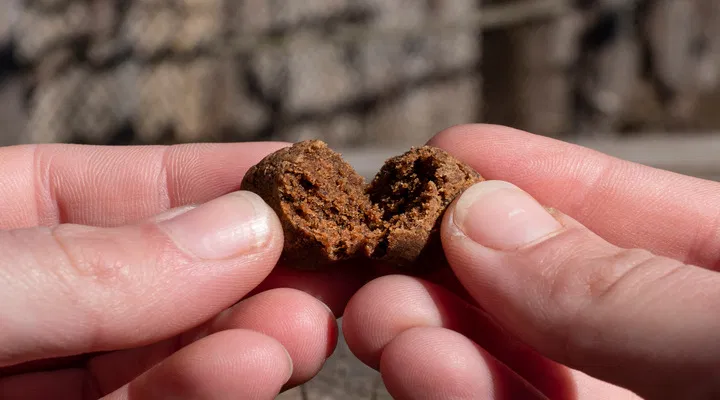
Tasting hash can reveal a lot about its quality. While it might not always be practical to sample before purchasing, when you do get the chance, pay attention to the flavors. Good quality hash should have a rich, full-bodied taste that mirrors its aroma.
Flavor Profile
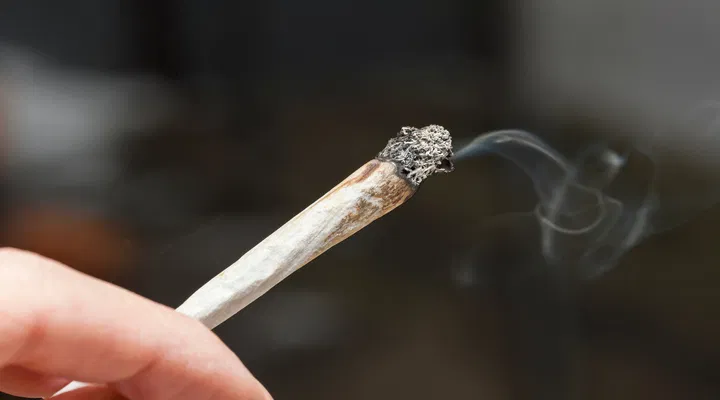
High-quality hash will have a rich, full-bodied taste that mirrors its aroma. It should be smooth on the inhale and exhale, and you'll experience flavors such as fruit, pine, berries, citrus and even earthiness. If it tastes harsh, chemical, or burnt, it’s likely low-quality.
Aftertaste
Good hash should leave a pleasant aftertaste. A harsh, bitter, or metallic aftertaste is a red flag for contaminants or poor processing.
Effects of Low-Quality Hash: The Proof is in the Puff
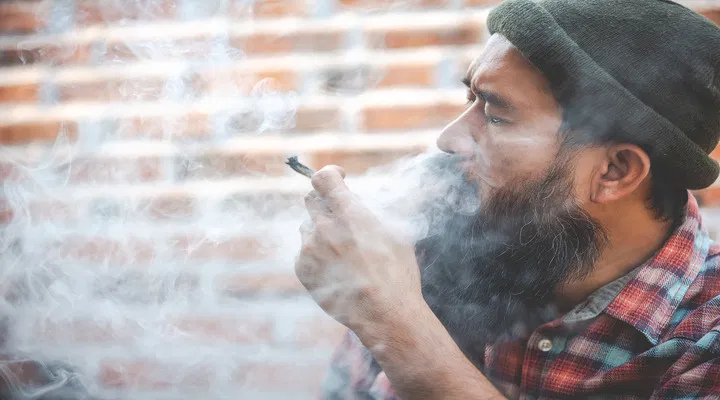
Ultimately, the effects of hash are the most telling indicator of its quality. High-quality hash will deliver a potent, clean high without any unpleasant side effects. Full melt hash, in particular, provides a potent, clean high without any unpleasant side effects.
Onset and Duration
Quality hash provides a fast onset and long-lasting effects. If you find the high weak, short-lived, or accompanied by a headache, you’ve got yourself some subpar hash.
Clarity of Effects
The high from good hash should be clear and pleasant, enhancing your experience. Poor-quality hash might lead to a foggy, uncomfortable high, or induce anxiety and paranoia.
Purity: No Room for Additives
Purity is a crucial factor in determining the quality of hash. High-quality hash should be free from contaminants and additives. In the 'Foreign Materials' subsection, it is important to note that both bubble hash and ice water hash are known for their purity and lack of contaminants. In the 'Additives' subsection, high-quality ice water hash should be free from any additives or solvents.
Foreign Materials
Be wary of hash that has visible plant matter, dust, or other foreign substances. Good hash should be clean and free of impurities. Some black market hash can contain materials added to bulk out the weight of your brick, and can include shocking hidden extras from brick dust, to rabbit droppings, to plastics. These are obviously incredibly dangerous to ingest, and could cause serious health issues. When you break open a block of hash, some of these additives may be visible, but others are almost impossible to identify by eye.
Additives
Some unscrupulous producers might add oils, solvents, or other substances to increase weight or improve appearance. These additives can be extremely harmful and are a clear sign of low-quality product.
The Bubble Test: Science Meets Simplicity for Full Melt Bubble Hash
The bubble test is a quick and easy way to check the quality of your hash. Simply apply a flame to a small piece of hash and observe the reaction. Quality bubble hash should bubble and melt cleanly when exposed to flame.
Full melt bubble hash should leave absolutely no residue when vaporized.
Bubbles and Burns
High-quality hash will bubble and melt when exposed to flame, indicating a high concentration of trichomes. If it burns with a crackling sound, it likely contains impurities.
Residue
After the flame test, good hash should leave minimal residue. If a significant amount of residue remains, it’s a sign of poor quality or added contaminants.
Conclusion: Hash It Out Like a Pro
Spotting low-quality hash may require some practice, but with these tips, you’re well on your way to becoming a hash connoisseur. Always trust your senses—appearance, aroma, feel, taste, and effects are your best guides. When in doubt, remember the golden rule: if it looks, smells, feels, tastes, and smokes like quality hash, it probably is. And if you want to remove any doubt? Why, you can always make your own.
So next time you're faced with a selection of hash, use these pointers to make an informed choice. After all, life’s too short for bad hash. Enjoy responsibly and may your highs be ever satisfying. Happy toking!