
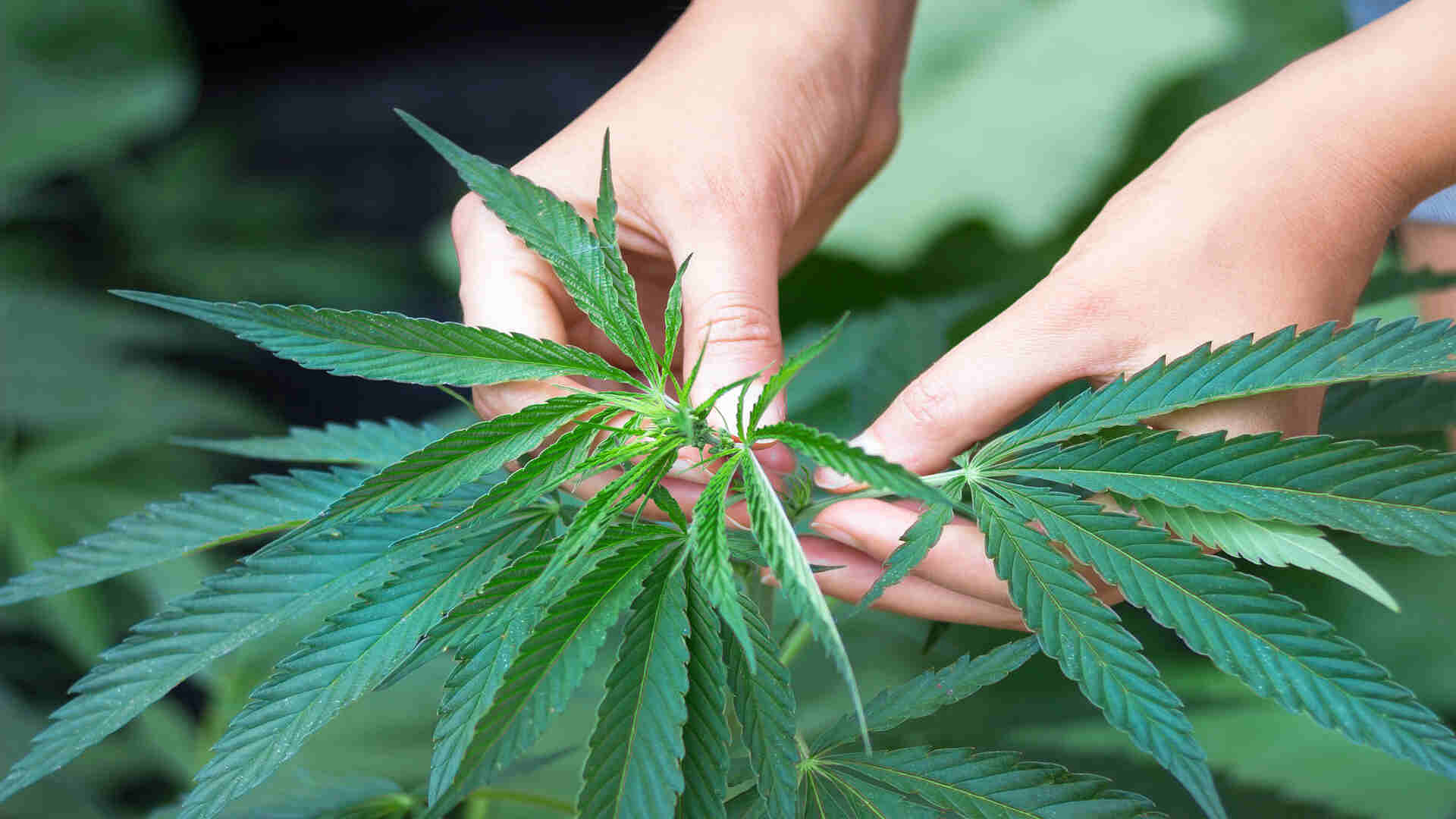

The vegetative stage of cannabis growth can be crucial, especially if the period for vegetative growth is less than six weeks. Longer vegetation periods may allow for mistakes and corrections to be made before entering flowering. However, establishing a robust and healthy plant all starts with good vegetation. Issues that develop in this phase can be hard to notice early enough and can significantly impact the plant's outputs. Here, we explore some of the more common problems the vegetative stage throws up, and provide some pointers to help manage the vegetative growth.
Seedling Establishment: Early Growth Challenges
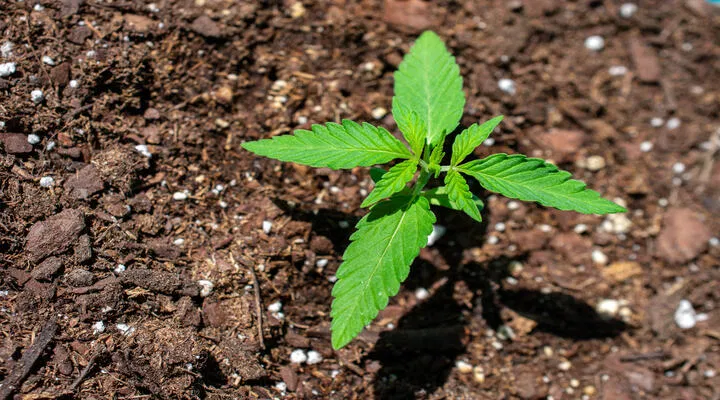
The initial germination stage is covered in this article, however, seedlings often face early challenges leading to issues like damping-off, root rot, or over-stretching. Some of this can be avoided by providing adequate light, good watering and preventing pests. Good light should be a constant for cannabis growing. If in an outdoor area with poor weather, i.e. lots of overcast days, the plants are really going to struggle to be well-established early on. This is why springtime can be hard for an outdoor grower to navigate, especially in some regions over others. If indoors, avoid using lights with too much red spectrum at this stage, as blue light is more beneficial for early growth and reduces the risk of stunting the plants due to over-stretching.

Proper watering practices are essential for good plant health, too, with volume and frequencies being essential dials to tune in the perfect root conditions. Additionally, humidity levels around 60% and good air circulation, reducing the risk of issues. It is also important to constantly monitor for any signs of pest infestations. At this early stage, pests can attack plantlets directly and be vectors (carriers) for other issues like fungus and bacterial infection.
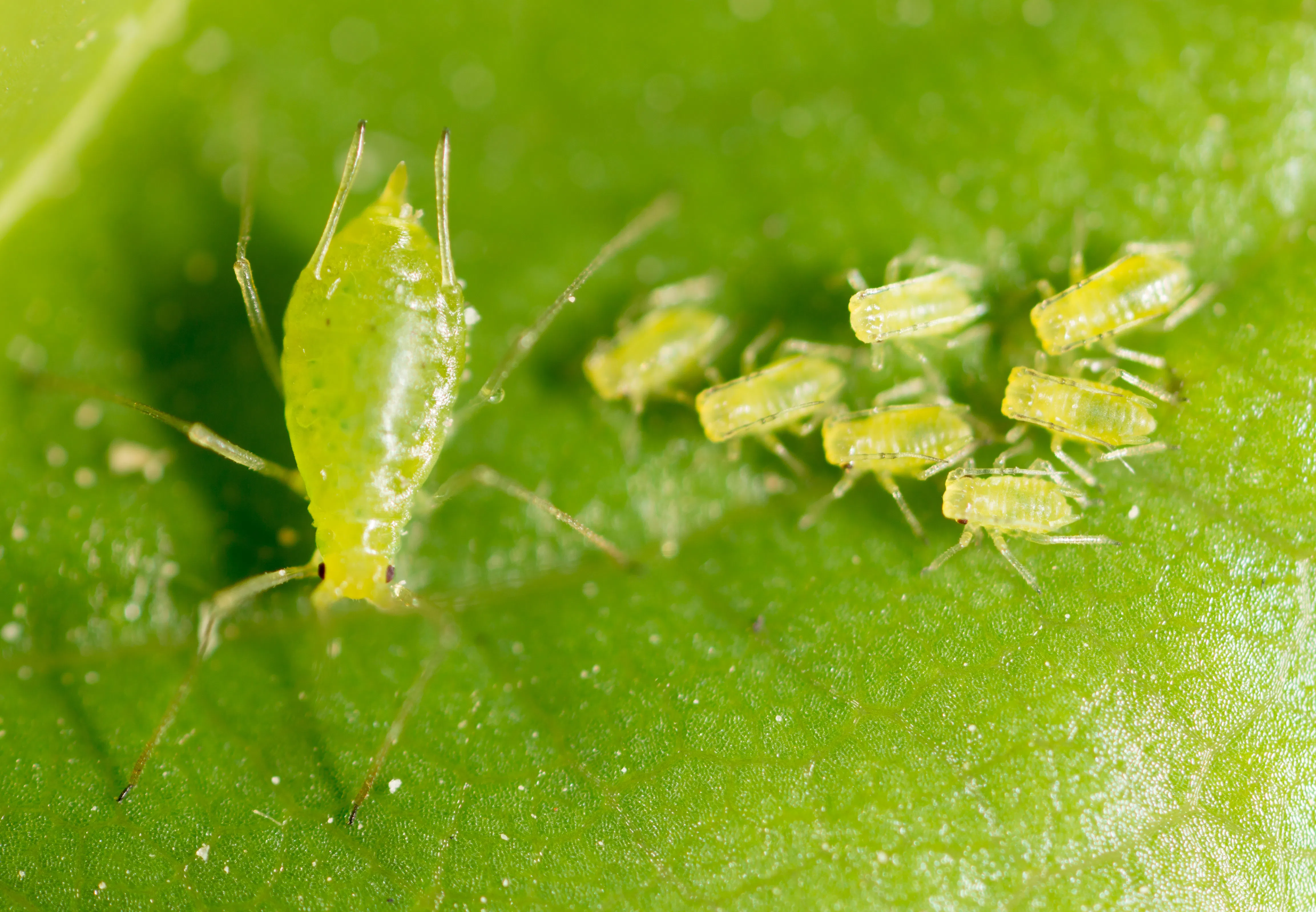
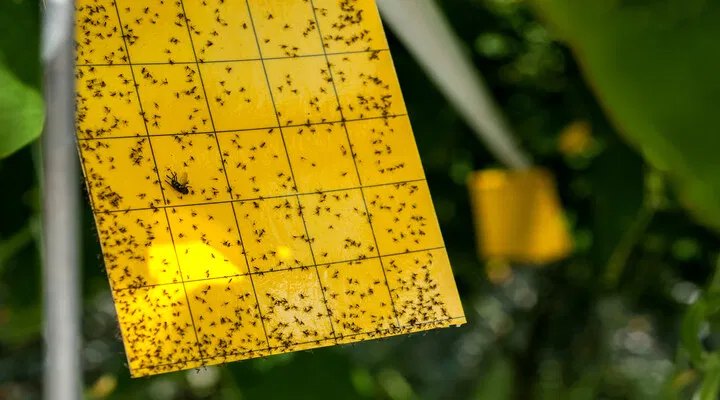
Pay attention to the underside of leaves, the nodes, and any other shady places where insects typically munch or lay eggs. Remember that these insects and their eggs can be less than half a millimetre in size, making them difficult to see. Using insect traps around the seedlings can help identify and reduce the presence of these pests. Various sticky and chemotaxis-based (chemical attracting) traps can be helpful in preventing and identifying pests. Furthermore, the upkeep of a clean and sterile environment can not only prevent harmful pests and diseases but also help growers spot the often elusive bugs that munch or infest plants.
Maximizing Photosynthesis – Early Leaf Development
After germination, the seedling grows, and the first true leaves emerge, replacing the cotyledons. These leaves, which are young fan leaves, will increase in number as well as size as the plant grows. These leaves have a large surface area and, like most leaves, are highly phototropic (moving towards light), maximizing the plant's ability to capture light for photosynthesis. Sufficient light intensity is key, and if growing outdoors, at least 5 hours of direct sunlight is required.
If growing indoors, adjust the distance of the lights or the intensity to match the stage of life. – less intense early on and building over time. This utilization of light will promote healthy leaf development. Air movement, i.e. wind or fans, will aid the development of the plant's main stock, strengthening the seedling's stems and allowing a more robust vasculature. The timing of the potting up at this stage is crucial for encouraging rapid root growth.
Maintaining proper nutrient levels is vitally important during this stage. Deficiencies in essential nutrients like nitrogen, phosphorus, and potassium can manifest as yellowing leaves, stunted growth, or spots. The pH levels of your media need to be maintained to ensure good root health. Nutrient lockout can occur if the pH is out of range, preventing the plant from absorbing necessary elements. All these issues will affect leaf development and function during vegetation; preventing them ensures a robust and vigorous plant will enter flowering.
Rapid Growth – Vegetation Proper
Most plants have a rapid elongation phase where, in the natural environment, they have to compete for light with other plants. Cannabis is one of the fastest-growing crop plants on the planet, and executing the early life stage will no doubt result in rapid elongation and development. Excessive stretching, likely when plants do not receive enough light, can lead to lodging and excessive tying up to canes, etc. High-intensity light is what the plant is looking for when it stretches; therefore, ensure good light distribution and intensity to prevent stretching. If the plants are over-stretching or have not been exposed to sufficient airflow, growers should provide support, such as stakes/canes or trellis netting, to prevent plants from bending and falling. Techniques encouraging lateral growth, such as pinching and topping, can help promote a bushier plant structure.
The environmental conditions should be closely monitored and, if possible, controlled. Too-high temperatures can cause rapid elongation, resulting in overstretching, while humidity issues can affect the strength of the stock. Keep temperatures between 70-80°F (21-27°C) and humidity around 50-70% to promote healthy growth during vegetation. Although using low-stress training techniques can also help manage overstretching, the techniques work better if the plants have had a healthy early stage with good light and good conditions.
Bulking up – Canopy development
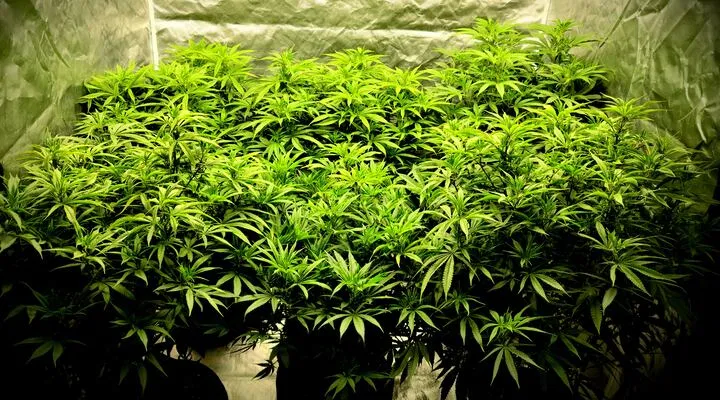
A dense canopy will help to maximize light capture. Along with maintaining the range of optimal conditions, this will supercharge the rate of photosynthesis. Having employed pinching or topping techniques, growers can remove the apical dominance of a plant and replace 1 with 2, and 2 with 4, etc. This is a way to have more consistency and better yields. Maintaining a good and reasonable canopy depth is key, therefore, lower foliage removal and overlapping fan leaf removal can really help kick the plant along at this stage. The low-stress training techniques mentioned will encourage horizontal growth and widen the spread of the plant and canopy. Although largely advised, defoliation can be overdone very easily. Do only a small amount at a time and do it frequently; this way, it is easier to gauge the plant's response to the defoliation. If the plant seems to stall, stop immediately to let it recover.
Troubleshooting: Leaf Symptoms
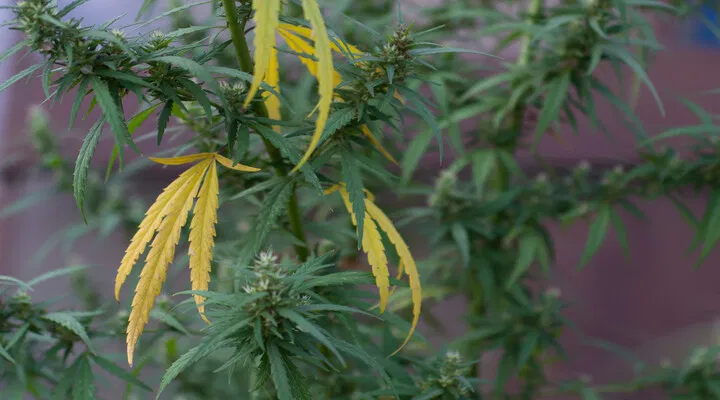
Identifying and addressing problems based on leaf symptoms can be challenging due to the similarities in symptoms caused by various stressors. Yellowing leaves, for example, can result from nutrient deficiencies, pest infestations, disease or watering issues. Observing the pattern and progression of yellowing is key for diagnosis. An example is nitrogen deficiency, which typically starts with yellowing on the lower leaves, while iron deficiency tends to show first on newer, higher leaves. Necrotic spots on leaves can indicate various things, from nutrient excesses and deficiency to fungal infections and pest damage. Where these spots are and how they look will be the major clue as to what the issue is.
Troubleshooting: Nutrients
Nutrient imbalance is one of the most common issues in cannabis cultivation. These issues can manifest as a spectrum of leaf symptoms. Deficiencies in nitrogen, phosphorus, potassium, magnesium, manganese, boron, copper, and iron each have distinct signs, such as yellowing, browning, stunted growth, or necrotic spots. Excesses of these nutrients can also cause similar issues, highlighting the importance of balanced nutrition and regular monitoring. Excess nutrients can be alleviated by flushing the roots with pH-controlled water. This will help take the sting out of the excess and help the plant recover. In the opposite direction, fixing deficiencies can be a problem as so many symptoms overlap. Therefore, accurate diagnosis is the hard part, and fixing it is usually then easy as you simply supply a reasonable amount of said nutrient in the feed water.
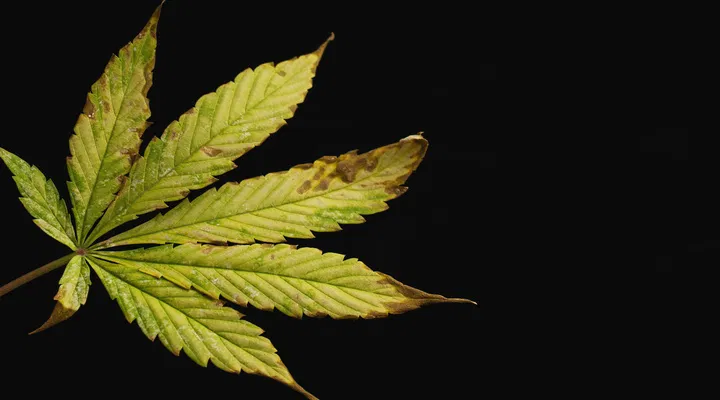
The time between the nutrient issue and the visual symptoms manifesting is again on a spectrum, depending on the severity. From days to weeks, the symptoms, in some cases, can appear far too late to fix and may lead to disappointing results in the harvest. Maintaining good nutrient levels throughout is the way to bypass these issues. Keeping pH and EC levels at optimal essentially conquers this issue.
Troubleshooting: Pests
Pests pose a significant threat to growers all over the world. Cannabis is commonly infested with spider mites, aphids, thrips, and fungus gnats that will cause symptoms with distinctive patterning, such as a specific yellowing or curling in one direction over the other – covered in more detail in this article. Preventative measures are best for pests, including using sticky traps, chemical traps and, of course, introducing predatory insects, whichcan help manage pest establishment.
Of course, a clean and well-inspected grow area will provide a proactive first line of defence. There are chemical treatments for severe cases, but these are essentially substances which do not come with safety tests on cannabis nor on combustion, which can lead to more serious issues for the consumer. However, this may be mitigated largely within the vegetative stage, as it would be assumed the time before harvest will allow the plant to purge the toxins. However, growers are encourage to be cautious with the use of all purpose insecticides on cannabis plants.
Troubleshooting: Disease
Common cannabis pathogens include powdery mildew, grey mold (botrytis), and fusarium, which can cause severe symptoms that impact plant health and can lead to crop destruction. Powdery mildew looks devastating, with leaves covered in a distinct white grainy coating. However, it is relatively easy to get rid of it if caught early. Even a direct spray of cow's milk on the infected areas can be a remedy for powdery mildew. It is a pathogen, like most, which is dependent on certain conditions to thrive. Usually, this does not overlap with the ideal condition for cannabis. Therefore, pathogens are best kept quiet by regular environmental monitoring and a clean working area.
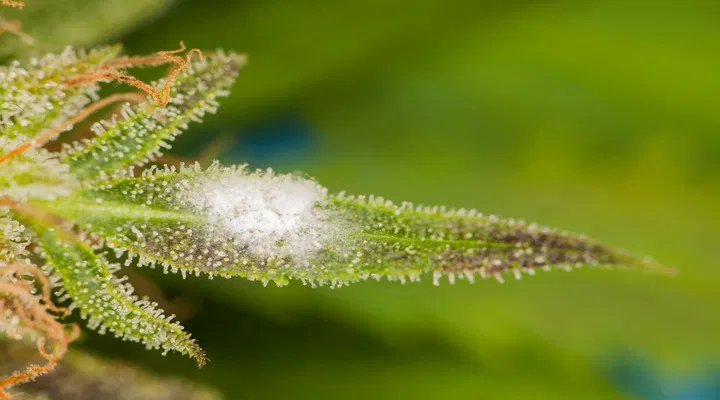
Although it is more associated with flowering cannabis, grey mold can infect leaves in vegetation as well. The signature brownish-grey spots found in late-season flowers are obviously not present in veg. Instead, the leaves may have brown spots or water-soaked black spots. It can even look light blight, with blackening of the stems, etc. Early detection through regular leaf surveys and, again, maintaining optimal environmental conditions are crucial for preventing the spread of these diseases.
Troubleshoot: Environmental Stress
Environmental stress can come from many areas, including temperature, humidity, light, rhizosphere, water and even airflow, which can significantly impact plant health. Depending on whether grows are outdoors or indoors, and whether the location is known for a particular atmospheric issue, will determine how the grower should attack any one issue. If a grow situation is badly affected by multiple issues, and is, for example, outdoor, the first step is to find the right genetics to deal with the extreme conditions. Most severe and accumulated issues will be hard to rectify without well-adapted genetics. Find the right genetics and invest in the right equipment.
Again, if outdoors, you are primarily at the mercy of the local weather, but there are some things which can help. Overheating can be partly solved by providing shading. Low humidity can be countered with regular watering at the base of the plant and planting with cover crops. Windbreaks can prevent windburn and prevent wind from snapping branches, and microbe teas can help restore the rhizospheric balance in favour of promoting plant growth. However, if indoor, AC units for cooling, dehumidifiers and humidifiers for moisture control, and proper placement of fans can all be game-changing for a problematic grow.
Conclusion
One perspective on the vegetative stage of cannabis growth is that it is designed to establish a robust and healthy growth trajectory. This can be hampered by many issues, from grower mistakes to environmental problems. One of the best defences against these issues is identifying the problem early and implementing solutions which can save the plant. An optimized vegetative plant will show vigorous growth and deliver a successful transition into flowering. Sanitation, pest and disease control, nutrient balance, and environmental management will further enhance the plant's ability to reach its genetic potential.
Having a part of the grower's routine dedicated to monitoring and implementing solutions to problems is a good way to prevent the issues from becoming tragedies. Although a lot can go wrong after the vegetative stage, this is the launchpad for future success. If not managed correctly, it is very unlikely that a good flowering stage can compensate for a poor vegetative stage. Therefore, whether vegetating for 2 weeks or 2 months, managing good early growth will set up the plant for a great finish and flowering onset.