

Key Takeaways
- Yes, you can still grow autoflowers outdoors, even in late July or early August, if your local climate provides enough warm, frost-free weeks.
- Unlike photoperiod cannabis, autoflowers flower according to age rather than daylight hours.
- Fast-finishing genetics (around 8-10 weeks) offer the best chance of a late-season harvest
- Expect smaller yields than a spring or early summer grow, but healthy plants can still produce quality flowers
- Autumn weather increases the risk of bud rot, making airflow, shelter, and cultivar choice especially important.
- A sunny location and careful plant care can make all the difference when growing later in the season
Can You Grow Autoflowers Outside In Late Summer?
As the month of July draws to a close and August waits in the wings, growers would be forgiven for thinking that the window to plant cannabis is firmly closed.
Not necessarily.
While it's certainly true for photoperiod cannabis, it's not the case for speedy autoflowers. One of the biggest advantages of autoflowering cannabis is that it follows its own schedule rather than being beholden to daylight hours. Photoperiod cultivars wait for shorter day before entering bloom, but autos begin flowering according to ages. They also don't spend long in the vegetative stage, so you can start them later in the growing season than many people realise.
So can you grow autoflowers outside, even in late July? Absolutely. Whether planting is in spring, midsummer, or even later July, autos don't care how many hours of daylight they're receiving. They simply grow until their internal clock tells them it's time to produce flowers. But the real question isn't can you grow autoflowers outdoors in late summer? It's whether the local climate gives them enough time to finish before cold, wet weather arrives.
Let's take a closer look.
Why Autoflowers Don't Follow The Same Rules As Photoperiods
Traditional cannabs varieties are known as photoperiod plants. They remain in vegetative growth while days are long, then begin flowering as daylight hours start to shorten towards autumn. Autoflowers are different.
Thanks to genetics inherited from Cannabis ruderalis, they automatically transition from vegetative growth into flowering after just a few weeks, regardless of day length. This opens up opportunities that simply don't exist with photoperiod cultivars.
Growers can:
- Start multiple outdoor crops during one season
- Harvest earlier to avoid poor autumn weather
- Fit plants into smaller gardens
- Begin a grow even after summer is well underway
For growers in northern Europe, that flexibility is often one of the biggest reasons people choose autoflowering genetics.
Related Article:Why You Should Grow Autoflowers
Is Late July Too Late To Plant Autoflowers?
This is where expectations become important. A modern autoflower with an 8-10 week life cycle planted during the last week of July will usually finish around early October. A 12-week cultivar may continue into late October. The question shifts from can you grow autoflowers outdoors in later summer to how can you grow autoflowers outdoors in late summer.
Whether success is achievable depends largely on the climate.
Across many areas, August still offers reasonably warm temperatures and plenty of sunshine. September can remain productive, although growth naturally slows down as temperatures begin to fall and daylight decreases.
October is where conditions become less hospitable. Heavy rain, prolonged damp weather, morning dew and cooler nights all increase disease pressure. Bud rot becomes a geniune concern, particularly for dense, compact flowers.
Does that mean it's a waste of time trying? Not at all.
Many growers successfully harvest autumn autoflowers every year. They simply accept that plants won't become enormous and that weather management becomes increasingly important.
Think of it as a bonus crop rather than trying to compete with a plant that's already enjoyed five months outdoors.
If you've only just discovered the joy of cannabis and are looking to enrich life further through cultivation, the article How To Grow Autoflower Cannabis From Seed by renowned author Jorge Cervantes will walk you through the process, step by step.
What Kind Of Yield To Expect From Late Autos
Yield depends on several factors:
- Genetics
- Temperature
- Hours of direct sunlight
- Pot size
- Nutrition
- Weather
Since a late-starting plant has fewer weeks of strong sunlight available, it usually remains smaller than one started in May. But that doesn't mean disappointing results. Healthy autoflowers can still produce dense, resin-rich flowers with excellent cannabinoid and terpene profiles if environmental conditions remain favourable.
Quality is often affected far less than quantity. The trade off is usually a slightly smaller harvest, but another successful outdoor crop before winter arrives.
Choosing The Right Genetics
Selecting the right genetics is a big ticket to success. Not every autoflower is equally suited to a late-season grow. Growers starting a grow in late uly or early August should prioritise cultivars that:
- Finish within 8-10 weeks
- Show good resistance to mould
- Produce open-well-aerated flower structures
- Perform well in cooler outdoor conditions
Autos tend to be fairly resilient thanks to those ruderalis genetics, but something with good mould resistance increases the odds of success. Large, long-flowering varieties bred for maximum yield are better suited to spring planting.
The aim is different when starting late in season. It's not about growing the biggest plant possible. It's about getting a healthy plant safely across the finish line.
At Seedsman, we offer a wide range of autoflowering seeds, and many of those are well suited to a late grow. Here's a few recommendations:
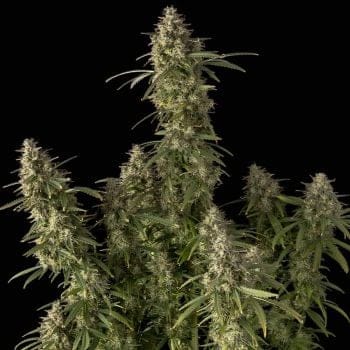
Sour Diesel Auto
With a seed to harvest time around 8-10 weeks and a temperature suitability for dry, hot, humid, temperate, and warm conditions, Seedsman's autoflowering take on a classic strain is ideal for late season planting. Sour Diesel Auto's sativa dominance means a more open, airy bud structure that works well for reducing mould risks. Classic sour citrus and gassy notes pair with a THC content around 25% - just the thing for an uplifting experience as the nights start to get darker.

Pineapple OG Auto
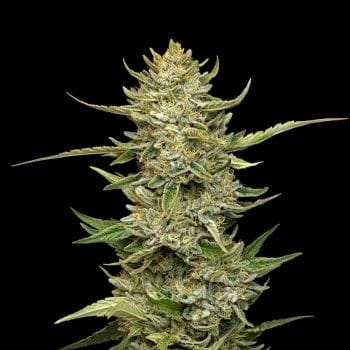
Summer might be over by the time harvest comes, but Pineapple OG Auto's sweet pineapple, mango, and guava notes will transport you somewhere tropical. More suitable for areas where late summer is still relatively warm, this balanced hybrid's 8-10 week lifecycle will see harvest early-mid October. THC is in the 25%+ range, and the resinous flowers are fantastic for making bubble hash.
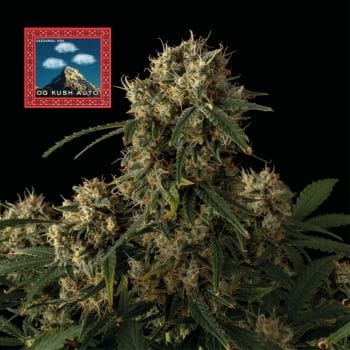
OG Kush Auto
If late summer brings rain, OG Kush Auto may well be the answer. Featuring the resillient genetics that make OG Kush the backbone of many modern breeding projects, this indica dominat auto does call for regular, thorough checks for mould, but it rewards growers with superb flowers and an authentic kush flavour. Better still, OG Kush Auto is a beginner-friendly strain, meaning that with a little diligence and care, even a newcomer can cultivate great buds.
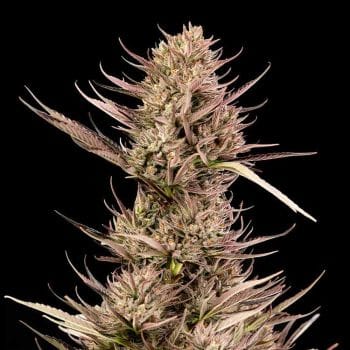
Alaskan Bananaberry Auto
With a great tolerance to a wide range of climates and conditions, Alaskan Bananaberry Auto boasts key attributes desirable in a late-starting strain. Whether it's hot, cold, dry, or wet, Alaskan Bananaberry Auto has the capacity to thrive, and as a balanced hybrid with a deliciious fruity flavour profile, careful growers can harvest something memorable.
Explore Seedsman Alaskan Bananaberry Auto Feminised

Garlic Muffin F1 Auto
For growers who love all things potent and pungent, Garlic Muffin F1 Auto is a strain worth exploring. Aromas and flavours are a blend of garlic, skunk, gas, and sweet candy, making for an intriguing experience. It's a balanced hybrid with an 8-10 week lifecycle making it an ideal choice for late summer growing. What sets it apart, however, is its resistance to pests, pathogens, and mould.
Give Plants Every Advantage
When time is so limited, every day of healthy growth counts. Choose the sunniest position available for the grow area, ideally somewhere receiving six to eight hours of direct sunlight. Use a quality growng medium with excellent drainageavoiding waterlogged soil after heavy rain. If prolonged rain is forecast, temporarily moving container-grown plants beneath a simple shelter of greenhouse can significantly reduce moisture sitting on developing flowers.
Large containers allow stronger root development, although excessively large pots won't compensate for reduced daylight later in the year.
As flowering progresses, pay close attention to airflow around the canopy. Humid, stagnant conditions dramatically increase the likelihood of fungal diseases.
Feed consistently without overdoing it. Healthy, steady growth is much more valuable than trying to force rapid development through excessive feeding.
Sometimes the smallest adjustments have the biggest impact.
Watch for Autumn Challenges
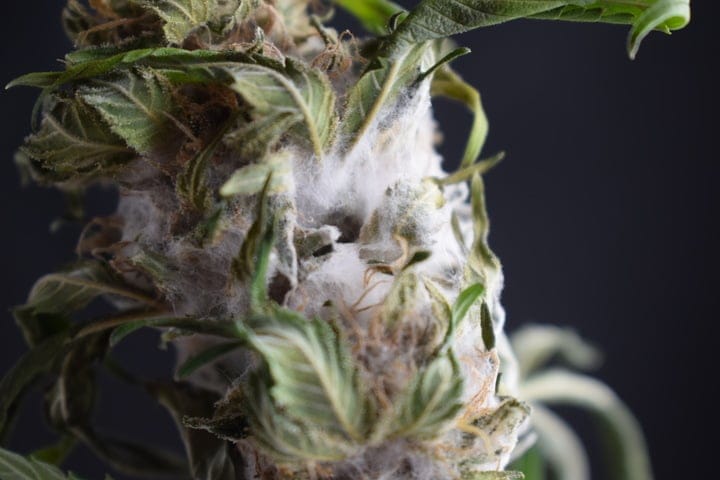
Late-season growing introduces a few extra obstacles. Bud rot is the obvious one. Inspect flowers regularly, particularly after wet weather. Any soft, grey, or brown material developing inside buds should be removed immediately to prevent further spread. Powdery mildew may also appear as humidity increases. Fortunate, there are preventative measures growers can take to reduce risks.
Good spacing between plants, regular air movement, and avoiding unnecessary wetting of foliage all help to reduce disease pressure.
Related Article:How To Prevent Bud Rot
Growth naturally slows during cooler weather. so as time goes by, don't panic if plants suddenly appear less vigorous than they did during August. That's simply the season changing.
Why Some Growers Prefer Late-Season Autos
Growing later in the year isn't just about squeezing in one last harvest. There are genuine advantages. Summer heatwaves become less of a concern. Water requirements often decrease. Many insects and pests become less active as the temperature cools. In some regions, slightly cooler flowering temperatures even help preserve aromatic terpenes responsible for flavour and aroma.
Autumn certainly presents new risks, but it isn't automatically an inferior time to grow. It simply requires a different approach
So, Can You Grow Autoflowers Outside In Late Summer?
The short answer is yes. Autoflowers give growers flexibility that photoperiod simply can't match. Starting outdoors in late uly won't produce towering plants loaded with massive colas, but that's not the point. A well-grown autoflower started later in the season can still reward you with healthy flowers, satisfying yields, and another successful harvest before winter arrives.
Success comes down to realistic expectations. Choose fast genetics. Provide plenty of sunlight. Protect plants from prolonged spells of wet weather, and keep an eye out for fungal diseases.
Do those things well and there's every chance that "late" grow was actually right on time.
Frequently Asked Questions
Can you grow autoflower outside in late summer?
Yes. Success depends on how much warm, frost-free weather remains in your area. Fast-finishing cultivars generally perform best when started this late.
Do autoflowers need shorter days to flower?
No. Autoflowers flower according to age rather than daylight hours, allowing them to bloom throughout the growing season.
Will late-season autoflowers produce less?
Usually, yes. Later planting generally means smaller plants and lower overall yields, although flower quality can still be excellent.
How many hours of sunlight do outdoor autoflowers need?
Aim for at least six to eight hours of direct sunlight each day. More sunlight generally supports stronger growth and better yields.
What's the biggest risk when growing late outdoors?
Bud rot caused by prolonged damp weather is often the greatest challenge during autumn flowering.
-----------------------------------------------
References:
Small, E., & Naraine, S. G. (2016). Cannabis: Evolution and Ethnobotany. University of California Press. https://www.ucpress.edu
Punja, Z. K., & Collyer, D. (2021). Diseases of cannabis and their management. Canadian Journal of Plant Pathology. https://doi.org/10.1080/07060661.2021.1873440
Potter, D. J. (2014). The propagation, characterisation and optimisation of Cannabis sativa L. King's College London. https://kclpure.kcl.ac.uk
Caplan, D., Dixon, M., & Zheng, Y. (2017). Optimal practices for cannabis cultivation under controlled environments. HortScience. https://journals.ashs.org/hortsci
