


Right now you can score some fantastic deals on Autoflowering seeds with Seedsman. Head over to our promotions page for more details, and shop for your favorites, or see our recommendations here.
When Seedsman first commercialized autoflowering cannabis strains in 2005, it represented a massive moment in growing culture. Fast-flowering, with no need to adjust the light cycle, autoflowering cannabis plants start growing buds just a few weeks after germinating, marking a new dawn for cultivators everywhere. But early auto strains had their downsides, too. Lower yield was one of the most significant disadvantages, and for that reason many poo-pooed this breakthrough initially. However, autoflowering strains quickly evolved thanks to innovative breeders, and the market soon caught fire as growers realized the advantages outweighed the drawbacks. Fast forward 20 years, and autos have come a long way. Don't believe us? Check out our new F1 Autos for proof.
There’s a compelling argument gaining momentum in favor of autoflowering cannabis plants. These fast-growing, resilient varieties offer a host of benefits that cater to the needs of cultivators. From convenience and speed to pest and pathogen resistance, and ease of cultivation, autoflowering strains present a tantalizing proposition for those seeking efficiency without compromising quality. But even though the advantages of autofowering cannabis strains are numerous, a lot of seasoned growers still have their doubts. So, why should you choose autoflowering cannabis strains? Let’s weigh the ingredients.
Autoflowering Strains Bring Convenience
Imagine a scenario where you can cultivate cannabis without the hassle of meticulously managing light schedules. No investing in automation equipment, and no racing back to the tent to flip the switch. Autoflowering plants offer precisely that luxury. Unlike their photoperiod counterparts, which necessitate careful manipulation of light cycles to induce flowering, autoflowering strains bloom based on age. This means you can bid farewell to the rigidity of traditional cultivation methods and embrace a more relaxed approach without the worry of timers or strict schedules. Starting with autoflowering seeds enhances this convenience, offering adaptability and ease of cultivation especially beneficial for inexperienced growers, thanks to their quick growth cycle and resilience. .A few common headaches are removed, and a few others are kept in some degree of check. This doesn't guarantee growing autoflowering cannabis is simple, or that maintenance is not required, but it does mean you'll likely have less to worry about.

Sidestep Light Cycle Pollution Concerns with Autoflowering Plants
There's another advantage to not having to worry about light cycles - autoflowering plants thriving without the need for a strict dark cycle means they can't be derailed by unwanted light. Something as simple as a light leak in your grow tent, or if growing outdoors, a streetlight, can harm a photoperiod grow, where a strict blackout is necessary to initiate flowering. This will never be an issue with autos as they flower regardless in their own sweet time. You can feasibly produce your buds in 24 hours of light. This isn't necessarily recommended, because if you're growing indoors, you have to think about your energy bills - but what it means is, you don't risk stressing the plants or diminishing returns by over-exposing your plants to light.
These fascinating and advantageous traits result from environmental conditioning that took place over years and years. Cannabis sativa and cannabis indica are well known to most people who’ve dabbled in weed, with many casual tokers aware of these delineations – usually due to their purported effects (sativa uplifting/indica relaxing – but it’s far more nuanced than that). A third subspecies, 6-, was classified in 1924 by the Russian botanist Dmitrij Janischewsky. Ruderalis plants adapted to the harsh climates of Eastern Europe, Central Asia, and Russia. Over time, they evolved to flower before the temperatures dropped in these climates, and also survived in longer or limited light. Today, we refer to plants with this trait as autoflowering.

Autoflowering Seeds Mean Superior Speeds
For most people, this is what choosing autoflowering cannabis seeds is all about. Turnover rate is often key in the fast-paced world of cannabis cultivation, and for some outdoor cultivators in less forgiving climates, time is of the essence. Autoflowering cannabis seeds play a pivotal role in this context, enabling the swift growth cycle of autoflowering plants that allows for harvesting throughout the year, even for novice growers. Autoflowering strains excel in this department, boasting remarkably short growth cycles compared to photoperiod varieties. With an average turnaround time of 8 to 10 weeks from seed to harvest, these plants offer a quick and satisfying cultivation experience. This is an incredible lifecycle, on par with just the flowering time of many photoperiod cannabis strains. Whether you’re a commercial grower seeking rapid results or an enthusiast eager to enjoy your harvest sooner, autoflowering cannabis plants deliver results with remarkable efficiency.
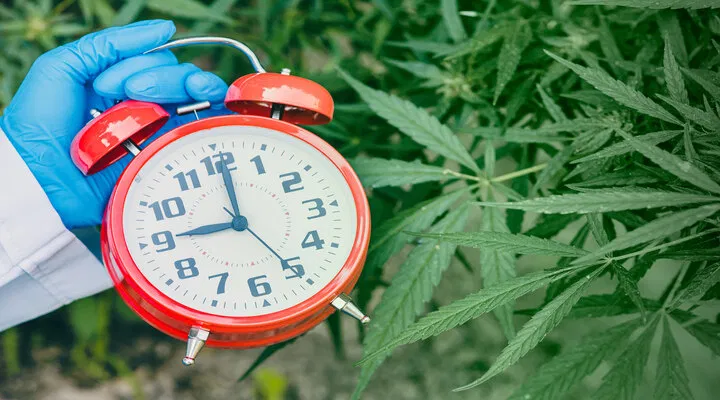
Choose these seeds for speed
Choose these seeds for speed





Ruderalis Equals Resilience
Nature has a way of endowing certain plants with survival traits that enable them to thrive in challenging environments, and autoflowering cannabis is no exception. Thanks to their genetic lineage, which includes ruderalis ancestry, these plants exhibit impressive resilience to adverse conditions. Whether extreme temperatures, erratic weather patterns, or pest infestations, autoflowering strains can persevere and produce quality yields in less-than-ideal circumstances. Ruderalis genetics are the unsung heroes behind the success of autoflowering cannabis, offering cultivators a valuable tool for overcoming common cultivation challenges. Compared to photoperiod plants, autoflowering strains are not only typically more resilient to diseases and adverse weather but also require fewer nutrients, highlighting their efficiency and the potential for higher turnover with multiple harvests per season.
Seedsman F1 Autos have incredible resilience


Autoflowers are Ideal for Covert Growing
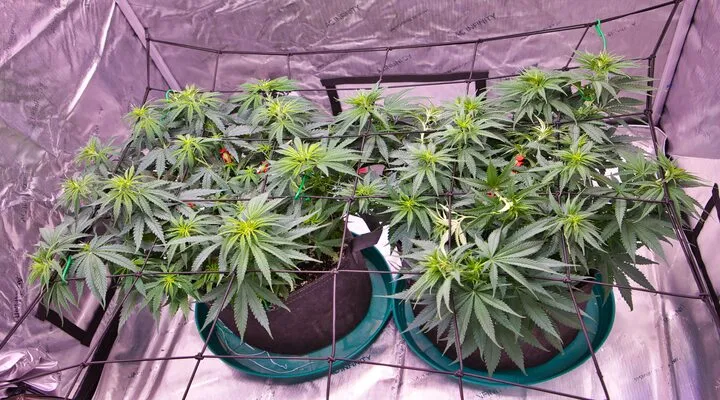
Autoflowering cannabis strains are naturally shorter than their traditional photoperiod counterparts, often topping out at an absolute maximum of four feet. This trait was once seen as an issue, as smaller plants likely meant fewer flowers. However, it soon became apparent that there were advantages to growing cannabis plants of a smaller stature. Smaller plants can be discreetly cultivated on balconies or smaller areas in your garden – you can even take it to extremes and produce autos in an extremely confined space like a closet. The lower profile of autoflowering cannabis plants is, therefore, ideal for avoiding unwanted attention from nosey neighbours or potential thieves. They’re easier to move on short notice, and when these attributes are coupled with that all-important short lifecycle, a grow can be carried out quickly and in relative stealth. Compared to a seven-foot photoperiod sativa, a compact auto will be much less likely to attract attention!

Three short autos for stealthy growing
Three short autos for stealthy growing


Lower Maintenance with Autoflowering Cannabis
Cultivating cannabis can be a time-consuming endeavor, often requiring meticulous attention to detail and consistent maintenance. Autoflowering strains alleviate much of this burden by simplifying the cultivation process. With reduced reliance on light schedules and short vegetative stages, these plants require less hands-on intervention, making them ideal for busy cultivators or those seeking a more hands-off approach to gardening. By streamlining the cultivation process, autoflowering strains offer a welcome respite from the demands of traditional growing methods. These attributes make them a preferred choice for those looking to simplify their cultivation efforts even further.

Easier Feeding
Unlike photoperiod cannabis strains, autoflowering varieties grow and thrive without much need for nutrients. They can fend for themselves in a simpler soil, such as a mix of compost, perlite and cooco coir, and they require less feeding and in lower quantities than photoperiod strains. Autos will typically respond well to half or less than half the nutrients of a photo strain, and don’t demand the same meticulous adjustments to feeding as photoperiod cannabis., saving you time, money, and potential headaches when it comes to adjust your feed regimens.
No Need For Transplanting, Less Need For Training
If you’re a relative newcomer to growing cannabis, it can be intimidating to read about the various methods of plant training that many strains require to get the best from them. As autos have a short lifecycle, they don’t have the time to recover from techniques that involve cutting, e.g. topping. There are exceptions to this, of course, but they are risky. While it would be remiss to say you can plant autoflowering strains and let them be, it’s not a million miles from the truth. You can generally afford to be less hands-on with autos and still do well. The key is not to over-fuss with autos,. Around week three, you can start some LST to assist yields. Some tucking and tying may be required and won't go amiss, but keep it simple for best results and avoid any natural stressors.
Unlike photoperiod cannabis strains, autoflowers do not require transplanting, or potting up. Doing so would actually cause the plants stress they simply don't have the time to fully recover from, which ultimately stunts growth - and since autos are already smaller, you really want to avoid any stunting. Start your plants in their final homes, and be sure to keep them adequately fed and watered to help them to the finish line.
The Historical Drawbacks Are Surmountable
The early days of autoflowering cannabis strains saw cultivators sow doubt upon them as inferior, lower-yielding, and lower in THC. Thanks to innovations in breeding, modern hybridization has put most of these fears to bed once and for all. Yes, autos still tend to yield less bud than photos. Still, the gap continues to narrow, and cunning cultivators have devised ingenious ways to ensure bumper harvests from autoflowering plants. From employing a sea of green method to pack as many plants in a grow space as possible to staggered planting to ensure continuous harvests, you can still fill a wheelbarrow come harvest time.

Crossbreeding has completely nullified the early days of lower-THC autoflowering strains. With autoflowering strains such as Seedsman’s Sour Diesel Auto packing a herculean 28% THC—that's lab-verified, by the way—it's safe to say any fears of a lower potency from autoflowering strains have been allayed emphatically.
Three autos for very high THC content


Conclusion
Autoflowering cannabis plants represent a compelling option for cultivators seeking convenience, speed, and resilience without compromising on quality. With their unique genetic makeup and streamlined growth characteristics, these plants offer a welcome alternative to traditional cultivation methods. Whether you’re a seasoned grower looking to optimize your workflow or a novice seeking an accessible entry point into cannabis cultivation, autoflowering strains provide a pathway to success and with some easy tips, you can produce fantastic cannabis.. Embracing the benefits of the autoflowering strain, with its diverse genetics, rapid growth, high THC levels, varied terpene profiles, and ease of cultivation, cultivators can unlock new opportunities for efficiency, productivity, and enjoyment in their gardening endeavors. Check out our pick of the best right here, and start growing autoflowering cannabis now!