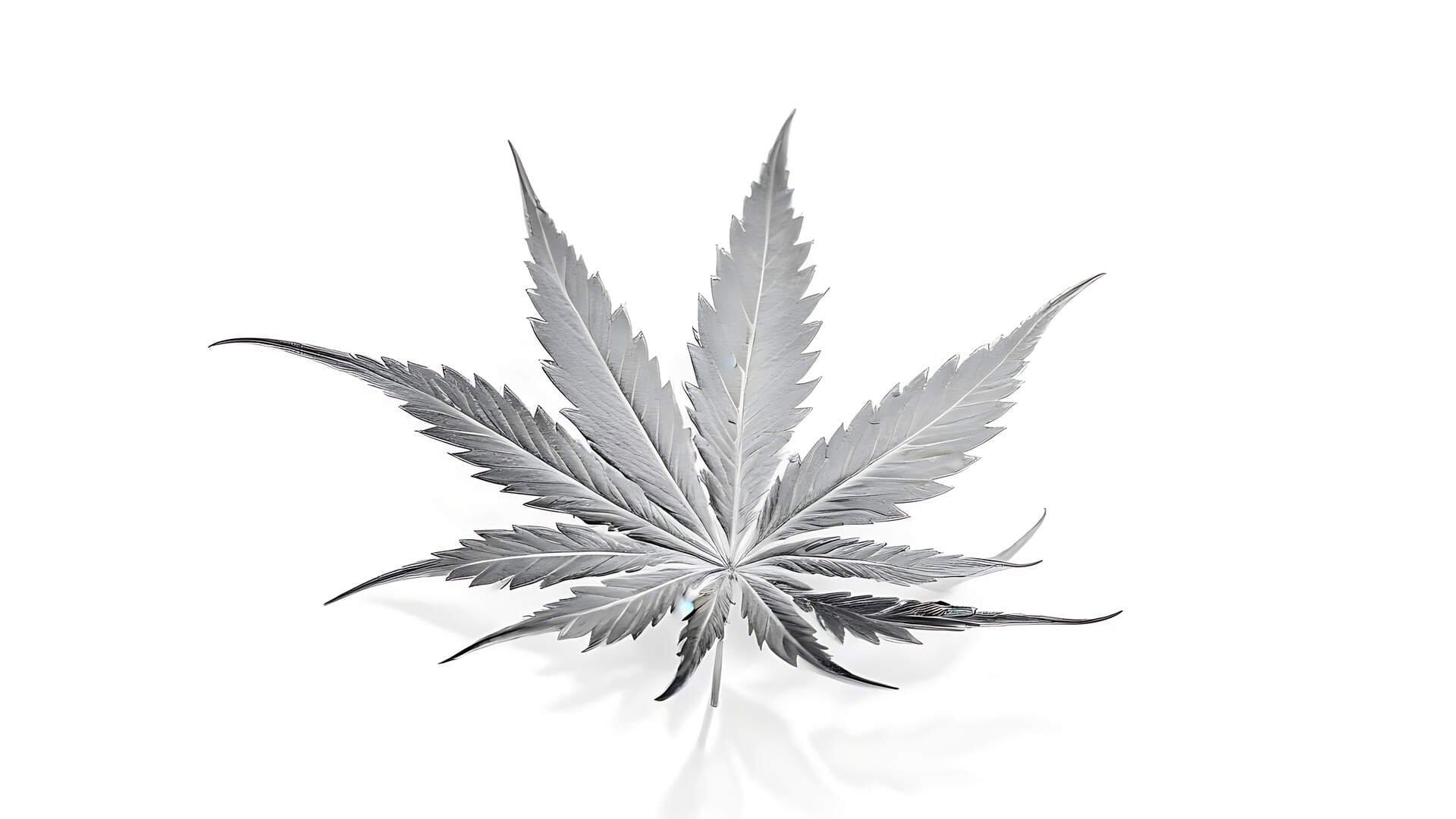
For cannabis growers, maintaining the health and appearance of your plants is crucial to achieving a high-quality harvest. One common issue that can cause concern is the sudden or gradual whitening of cannabis leaves. While this can make for some incredible aesthetics, it more likely indicates a need for action – and in some extreme cases, prayer.
To the untrained eye, it can be hard to determine what's causing white cannabis leaves. But before you hit the panic button or start reaching for the prayer beads, read this article. In it, we break down three main reasons for leaf whitening: albinism, light bleaching, and variegation. By understanding the differences, you can better manage your plants and ensure optimal growth and potency.

Each of these conditions has distinct characteristics, impacts on plant health, and implications for your grow operation, which we will explore in detail.
Caveat: In this article, we'll stick to the three conditions outlined above; albinism, light bleaching, and variegation. White cannabis could also be caused by other issues, including pathogens like powdery mildew. You can read more about powdery mildew here.
White Cannabis Leaves: Understanding Albinism in Cannabis
Albinism in cannabis is a rare genetic mutation where the plant lacks chlorophyll, the pigment responsible for the green color in plants. This mutation results in leaves, and sometimes entire plants, appearing completely white or having large white patches. Chlorophyll is crucial for photosynthesis, the process by which plants convert light into energy, and its absence poses significant challenges for plant health and development. It’s one of the most incredible aesthetics you’ll ever see in a plant, but it almost certainly spells bad news for your hopes of a usable harvest.

Appearance
Full Albinism: In cases of full albinism, the entire plant may appear ghostly white. These plants are striking in appearance but are easily identified by their lack of green pigmentation.
Partial Albinism: More commonly, albinism manifests as large white patches or streaks on leaves. These areas are completely devoid of green and can appear almost translucent under intense light.
Effects on Plant Quality
A case of albinism in a cannabis plant is never a good thing – unless you know of a contest for best plant photos. The problems caused by albinism are multiple and affect the key aspects of the plant that growers and consumers value the most. Among these are:
Photosynthesis Issues: Without chlorophyll, albino parts of the plant cannot photosynthesize. This leads to stunted growth because the plant cannot produce the energy it needs for development. No mass? No bueno.
Plant Health: The overall health of an albino plant is compromised as it struggles to produce enough energy to sustain its growth and reproductive functions. This often results in weaker, less vigorous plants.
Potency and Yield
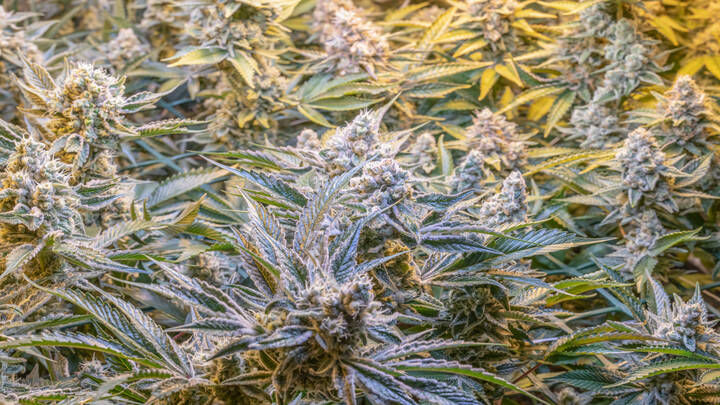
Lower Potency: Albino plants often have lower THC and CBD levels due to reduced energy production and overall stress. The lack of chlorophyll affects the plant’s ability to synthesize these important compounds.
Reduced Yield: Growth is slower and less vigorous, leading to smaller yields. Albino plants typically produce fewer flowers, and the flowers they do produce are often less dense and less potent.
It’s a no-win situation.
Occurrence
Albinism is genetic and cannot be induced by environmental factors. It is often identified early in the plant's life cycle, typically appearing in seedlings or young plants. There is no way to cure albinism, as it is embedded in the plant’s genetic code. However, recognizing and removing albino plants early can help conserve resources for healthier plants. There’s no way to tell if a plant will develop albinism until it develops albinism.
Light Bleaching in Cannabis
Light bleaching occurs when cannabis plants are exposed to excessive light, causing the chlorophyll to break down and leaves to turn white or pale yellow. This is a common issue in indoor grow operations where artificial lights can be too intense or placed too close to the plants. It can occur due to sudden rapid growth of the plant, and if you don’t quickly adjust your lights – I.E. pull them away from your plants - you’ll end up stressing your ladies and that could lead to all sorts of issues.
Humidity fluctuations can exacerbate light bleaching issues by increasing plant stress. Monitoring and controlling humidity levels is crucial to prevent light bleaching and other related problems.
Appearance
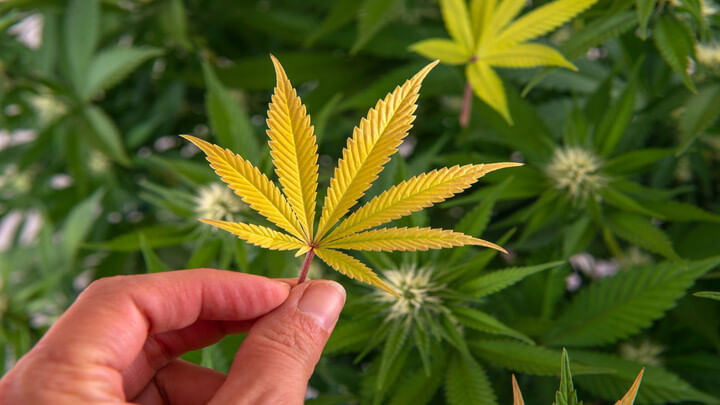
Topmost Leaves: Bleaching typically affects the uppermost leaves that are closest to the light source. These leaves receive the highest light intensity and are the first to show signs of stress. If your plants are displaying white cannabis leaves in the upper areas closest to the lights, there’s a fairly good chance that this is a case of light bleaching rather than variegation or albinism.
Pale Yellowing: Leaves may initially turn yellow before becoming white. This progression from yellow to white indicates a worsening of the condition as the chlorophyll breaks down completely.
Effects on Plant Quality
If you’ve ever lay too long outdoors in the hot sun, you’ll have some idea what your plant’s going through. You probably lacked energy or felt tired, a bit stiff, uncomfortable. Your plants go through some of that, too. Here’s some of the problems light bleaching can casue:
Photosynthesis Issues: Similar to albinism, bleached leaves cannot photosynthesize effectively. This impairs the plant’s ability to produce energy and can lead to stunted growth.
Burn Damage: Severe light exposure can cause actual burns, leading to crispy, brown edges on the leaves. These burns are not only unsightly but can also further inhibit the plant’s ability to photosynthesize and grow.
Potency and Yield
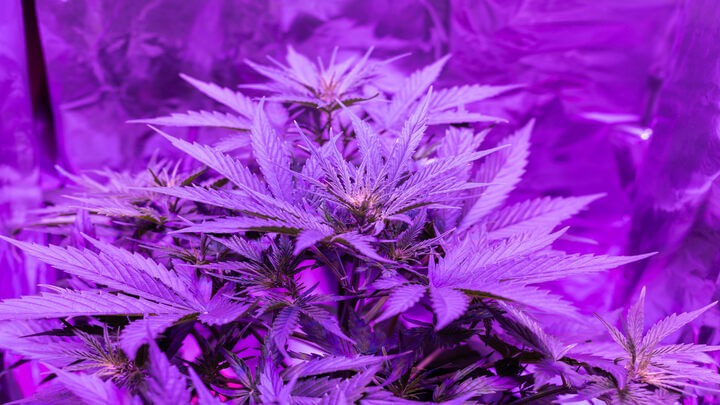
Stress Response: Plants under light stress may produce less THC and CBD. The stress of excessive light exposure can divert the plant’s energy away from cannabinoid production and toward survival mechanisms.
Yield Reduction: Prolonged light bleaching can significantly reduce yields due to impaired growth. Plants that are consistently exposed to too much light may become stunted and produce fewer, smaller flowers. Not only that, but buds could also experience terpene damage, leading to a loss of that fabulous aroma we all know and love.
Occurrence and Prevention of Humidity Fluctuations
Light Intensity: Ensure lights are at the correct distance from the canopy. Using a light meter can help gauge the appropriate intensity and prevent light bleaching. Fan leaves play a crucial role in nutrient absorption and photosynthesis, and light bleaching can severely affect their health and functionality.
Heat Management: Maintain proper ventilation and cooling to prevent overheating. Excessive heat from grow lights can exacerbate light bleaching and cause additional stress to the plants.
Light Schedules: Adhere to appropriate light cycles and avoid overexposure. Following recommended light schedules for the specific strain you are growing can help prevent light bleaching.
To avoid light bleaching, growers should regularly monitor their light setup and make adjustments as needed. This includes raising lights as plants grow taller and ensuring even light distribution across the canopy. Additionally, using reflectors and diffusers can help manage light intensity and prevent hot spots – an often-overlooked problem that can occur when growing under artificial lighting.
Variegation In Cannabis Plants
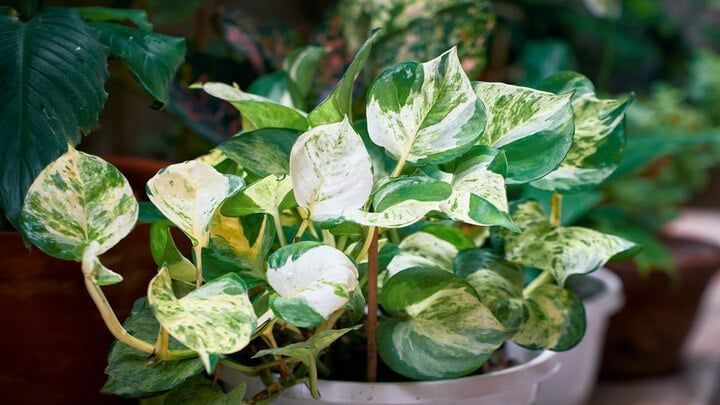
Variegation refers to the presence of differently colored zones on leaves, which can include white patches. This can be due to genetic factors or environmental conditions. Unlike albinism and light bleaching, variegation is often seen as a natural and sometimes desirable trait. Damage is often minimal, and while variegation may hinder your crops a little, the end product’s quality typically won’t suffer greatly.
It is important to monitor the affected area of the plant, as variegation can impact specific areas differently.
Appearance
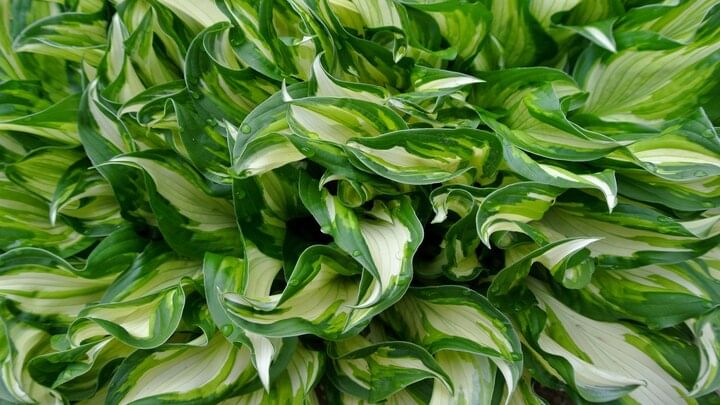
Patterned Leaves: Leaves exhibit distinct patterns of green and white. These patterns can vary widely, from speckles and stripes to large patches.
Random Distribution: White patches are randomly distributed and often have clear boundaries. The variegation pattern is usually stable and consistent, not changing drastically over time.
Effects on Plant Quality
Mild Photosynthesis Impact: Variegated leaves still contain some chlorophyll, so photosynthesis is only partially impaired. The plant can still produce energy, though perhaps not as efficiently as fully green leaves.
Aesthetic Appeal: Some growers find variegation desirable for its unique appearance. Variegated plants can be a striking addition to a grow operation, adding visual interest and diversity.
Potency and Yield
Slight Reduction: Potency might be slightly lower if the variegation is extensive, but the impact is usually minimal. The presence of some green tissue allows the plant to continue producing cannabinoids.
Normal Yield: Most variegated plants can still produce normal yields if well cared for. The key is to ensure that the plant’s overall health is maintained, despite the presence of variegation.
Occurrence of Powdery Mildew
Genetics: Variegation is often inherited and can be selected for through breeding. Some strains are known for their variegated patterns and are bred specifically for this trait.
Environmental Factors: Occasionally, stress conditions can induce variegation. However, this is less common and usually not as pronounced as genetically driven variegation. Using baking soda mixed with water and spraying the leaves can be a DIY remedy for treating environmental stressors like powdery mildew, which can sometimes induce variegation.
To maintain the health of variegated plants, growers should ensure that the plants receive adequate light and nutrients. While variegated leaves may be less efficient at photosynthesis, the overall health of the plant can be supported through careful management of environmental conditions.
Conclusion
Understanding the differences between albinism, light bleaching, and variegation is essential for cannabis growers to properly diagnose and treat whitening in leaves. Albinism is a genetic mutation that significantly impairs growth and potency, making it a challenge for growers to manage. Light bleaching is preventable through proper light management and can severely impact plant health and yield if not addressed. Variegation, while primarily genetic, usually has minimal impact on plant health and can even be a sought-after trait for its unique appearance.
By recognizing the signs and understanding the causes of these conditions, you can take appropriate measures to maintain the health and productivity of your cannabis plants – or know whether or when to throw in the towel altogether. Proper care and attention to environmental factors can help you avoid issues like light bleaching, while embracing and managing genetic traits such as variegation can lead to a more diverse and aesthetically pleasing crop.
The key to successful cannabis cultivation lies in vigilant observation and proactive management. By staying informed about the various conditions that can affect your plants, you can ensure that they remain healthy, vigorous, and productive. Whether you are dealing with genetic mutations, environmental stressors, or natural variations, a well-informed approach will help you achieve the best possible results in your grow operation.