
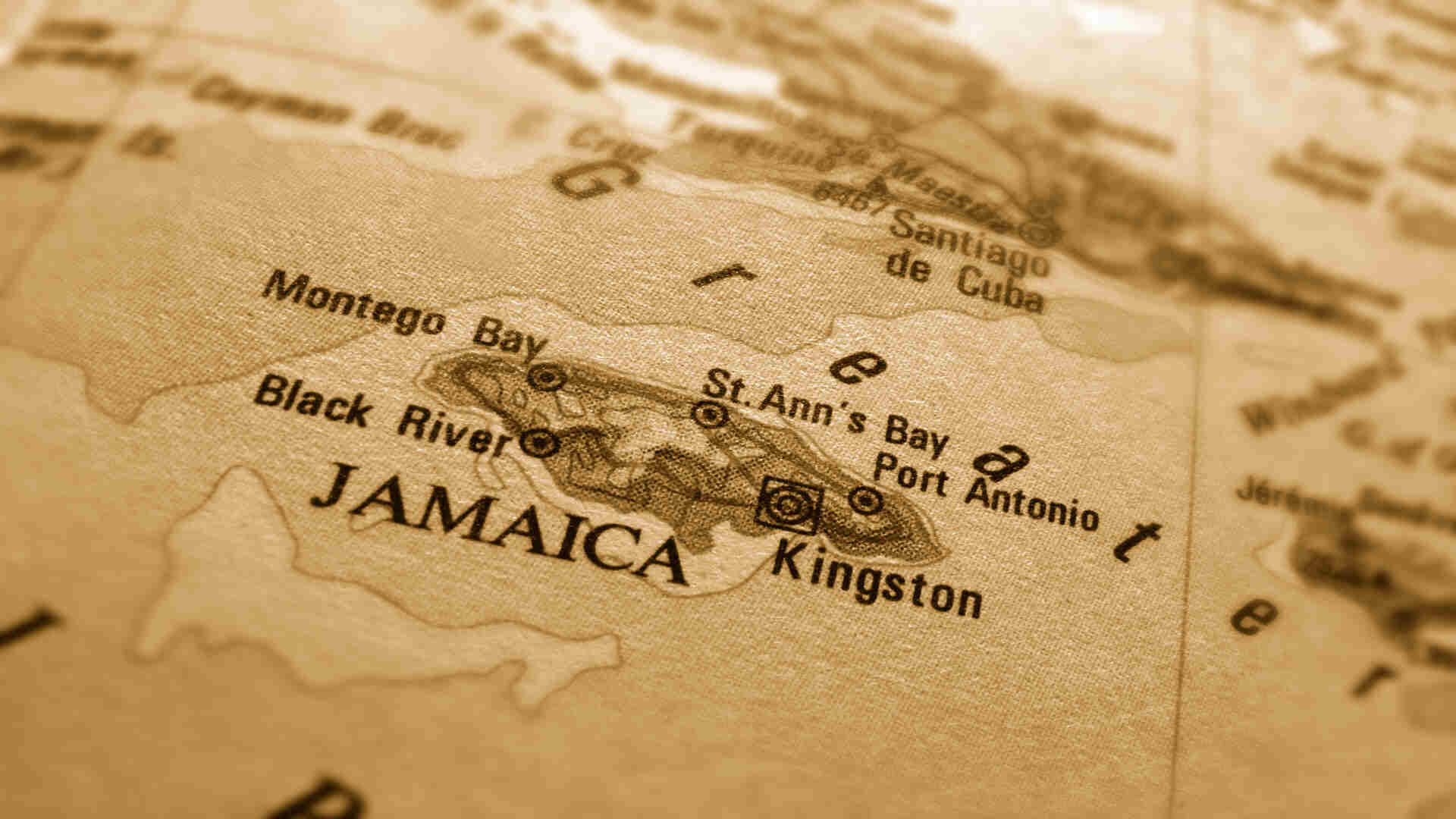

When many people hear the word "ganja," they often conjure images of reggae, Rastafari, chill smoke circles, and sun-kissed tropical islands. But behind that evocative term lies a deeply rooted linguistic, cultural, and historical journey – one that stretches from ancient India through colonial history, suppression and resistance, to modern cannabis conversations. In other words, ganja is far more than a casual nickname for weed: it’s a story of migration, identity, appropriation, and language.
Here, Seedsman traces how ganja evolved, what it has meant in different cultures, and why it still matters today as both a symbolic and functional term in cannabis discourse.
What Are The Roots OfThe Word Ganja?

To begin, ganja doesn’t originate in the Caribbean or in the Rastafari movement – it hails from the Indian subcontinent. The Hindi/Urdu word gaja/ganja is a borrowing from Sanskrit, referring to a potent preparation made from Cannabis sativa[1].
In Sanskrit and early Indian texts, ganja (and cognate forms) refers specifically to the flowers or buds of the cannabis plant, distinguishing them from bhang (the leaves or seeds) or charas(the resin) in traditional classification systems.So, even at its origin, ganja was not a casual, catch-all term – it had precision in Ayurvedic, folk, or local usage.Linguistic scholars have speculated about even older roots. Some propose that ganja may tie into older Sumerian terms (.e.g.ganzigunnu) or the word 'qaneh' (a Semitic word for hemp) - though this hypothesis is somewhat speculative.
What’s clear is that ganja is not a modern invention – its lineage is centuries older, or possibly millennia.
How Ganja Travelled East To West
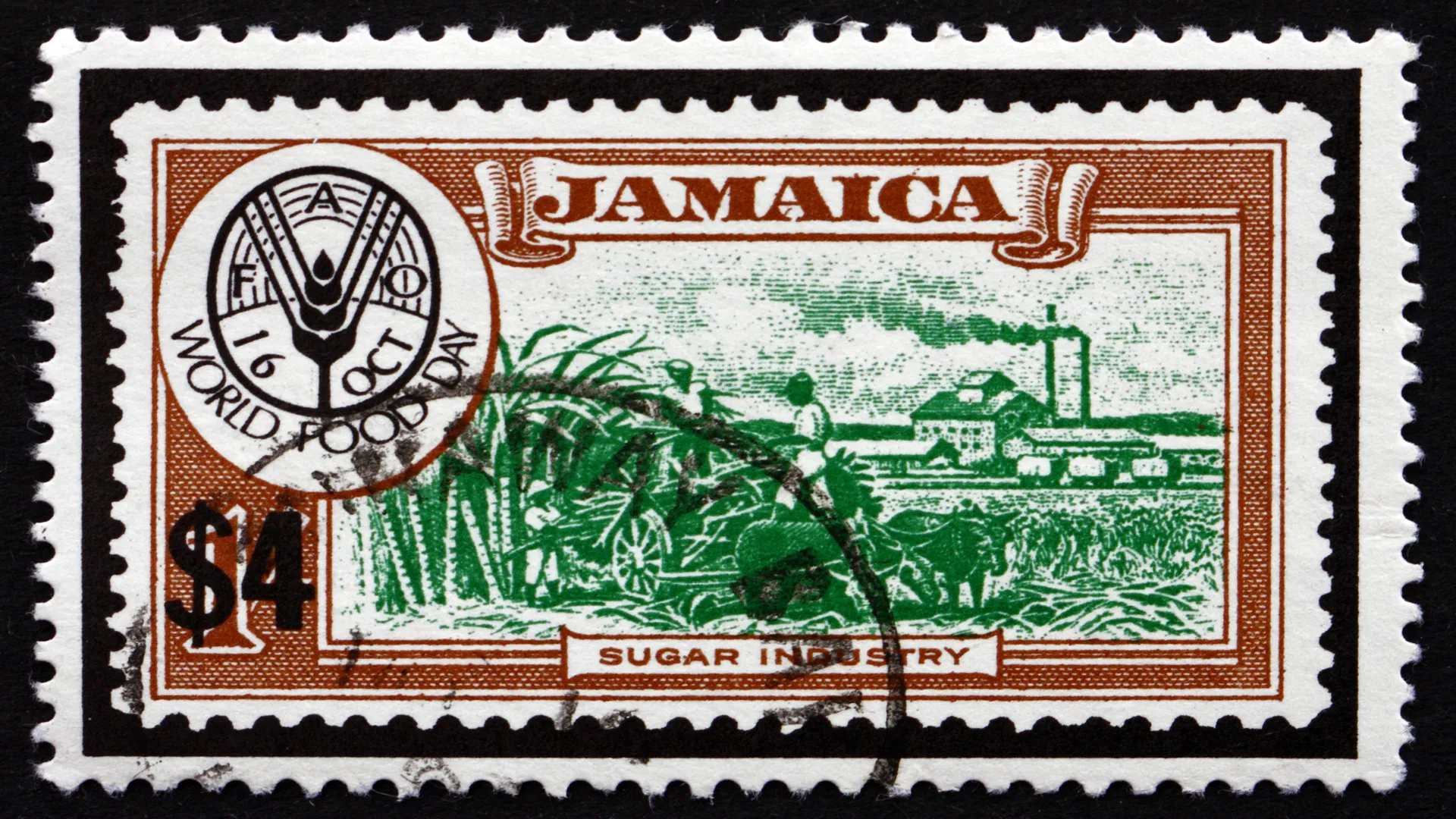
How did a Sanskrit-derived word come to define Jamaican and wider Caribbean cannabis culture? The key lies in migration during the British Empire’s waning years. After the abolition of slavery in the British Empire (1833), colonial plantation economies still needed labour. Between 1845 and 1917, the British brought tens of thousands of Indian indentured labourers to Jamaica and other Caribbean colonies to work on sugar, bauxite, and other plantations.These workers brough their customs, religious beliefs, and – especially relevant here – their linguistic and botanical knowledge, including the use of ganja [2].
Over time, ganja became woven into Jamaican Creole and everyday speech, eventually merging with Afro-Caribbean cultural practices.
Further Reading:Afro-Americans, Cannabis, and India: Entangled Histories
How Ganja Travelled From Jamaica ToThe World
By the mid-19th century, English authorities in Britain had already recognised ganja in its colonial territories. In fact, a tax on the “ganja trade” was recorded in Europe as early as 1856.
In Jamaica, ganja was criminalised under the Ganja Law in 1913 (a piece of legislation passed under pressure from colonial regimes, perhaps motivated by racial and social control rather than science).From Jamaica, the word and its associations spread through reggae music, Rastafari ideology, and Caribbean diaspora communities to the UK, the US, and beyond. As reggae and Rastafari became global cultural forces in the 1960s and 1970s, so did ganja. Thus, ganja entered the lexicon of global cannabis discourse – as both slang and as a term laden with cultural resonance.
Ganja in Culture, Identity, And Resistance

In Jamaica, the Rastafari movement (emerging in the 1930s) embraced ganja as more than a recreational herb: it is considered a sacrament, a tool for meditation, and a spritual aid.Rastafari teachings sometimes refer to ganja as a “wisdom weed” or a gift from Jah (God), encouraging reflection, unity, and healing.But by embedding ganja in religious ritual, Rastafari uplifted the word (and the plant) above mere slang, turning it into a symbol of resistance, identity, and cultural affirmation [3].
Ganja’s Influence on Reggae Music
Celebrated reggae artists like Bob Marley, Peter Tosh, and others openly referenced ganja in their music. Those mentions carried both literal and figurative weight – tying cannabis use to freedom, resistance, identity, and spiritual practice. It wasn’t about getting high and having a laugh - it was about connecting with the maker.
When reggae toured Britain and spread globally, ganja came with it. In many UK reggae, dub, ska, and sound system circles, the word became common parlance. Over decades, “ganja” in popular music and cultural control carried layers: not just “weed,” but a coded expression of struggle, heritage, and countercultural identity[4].
Ganja’s Place in Slang, Symbolism, and Identity
Slang always carries nuance. To call cannabis ganja often signals more than consumption: it may imply connection to Rastafari or reggae culture, an affinity for roots traditions, or an alternative identity compared to more generic weed names from around the world.In this way, ganja often functions as a cultural signifier. Using it can evoke solidarity, or even resistance to mainstream norms. For many consumers around the world, ganja is more evocative and historically loaded than neutral botanical labels.
Many slang terms for cannabis are playful, transient, or coded (e.g. weed, pot, reefer, and bud). But ganja is different: it’s a shared, cross-cultural, historically anchored term. It doesn’t feel like a throwaway nickname but like a word with weight.While marijuana has its own tangled history (particularly in the United States, where’s it’s tied to racial politics and prohibitionism), ganja often carries a less Americanised and more transnational resonance. Moreover, because ganja derives from an existing and venerable linguistic tradition (Sanskrit – Hindi – Creole), it comes with an embedded legacy that mere slang terms rarely have.
Further Reading:Where Cannabis Slang Comes From
Across many countries and languages, ganja has been adopted (or adapted) as a term for cannabis. In parts of Southeast Asia (Indonesia, Malaysia), the word ganja is widely used (though often in contexts of prohibition).Its transnational spread is a reminder that cannabis culture is not monolithic: ganja carries different resonances in Jamaica, London, Delhi, or Jakarta – yet often retains a shared sense of roots, resistance, or alternatve identity.
Because ganja is intertwined with spirituality, colonial histories, identity politics, and diasporic migration, it is more than just playful slang. It invites stories – stories of suppressed traditions, reclaimed identities, and cross-cultural dialogue. So when someone titles an article “ganja,” it’s rarely neutral. It signals intention to evoke roots, to connect with cultural memory, or to assert a worldview.
The Contemporary Relevance of Ganja
In many cannabis reform debates, ganja appears as a rhetoric signifier. For example, activists may invoke “legalising ganja” rather than “legalising marijuana” to shift discourse toward cultural legitimacy, rather than criminal framing.In Jamaica itself, the Ganja Law of 2015 decriminalised small possession (2oz or less) and introduced regulatory frameworks for industrial hemp and medical cannabis, while also providing certain accommodations for Rastafarian religious use.This shows how ganja remains embedded in policy, identity, and reform – not just counterculture.
In the UK, cannabis remains illegal for recreational use. Yet ganja is still used in music, protest, street vernacular, and online cannabis discourse.However, it’s worth noting that the term’s cultural meanings may shift – or even be contested – especially as mainstream cannabis language leans toward more medical, clinical phrasing like THC and CBD. Some traditional consumers may even balk at purely botanical or sanitised language, feeling it creates a disconnect from culture. Just as reggae aesthetic often gets commercialised without properly respecting its origins, ganja might be commodified and reduced to a catchy slang term without showing true respect to its lineage. Responsible usage means acknowledging where ganja comes from – not just using it for branding without respecting its history.
Ganja: So Much More Than A Synonym For Cannabis
Ganja isn’t just a nickname for weed. It’s a vessel carrying centuries of linguistic history, spiritual traditions, colonial movement and modern reform politics to name only a few. But by using the term ganja, we invoke so much more than the great green leaf. We invoke stories of Indian labourers, of Jamaican Creole, of Rastafari spirituality, of identity reclamation. In that single word, multiple worlds converge.
------------------------------------------------------------
References:
[1] https://www.etymonline.com/word/ganja
[2] https://en.wikipedia.org/wiki/Ganja
[3] https://www.reonline.org.uk/knowledge/rastafari/religious-ritual-practice/
[4] https://www.academia.edu/115973351/The_Art_of_Cannabis_Advocacy_in_Reggae_Music