

When choosing cannabis seeds, THC content is one of many factors that people consider. For many, the higher the THC content, the more appealing the strain, as for many cannabis users, THC content is a benchmark of a strain's quality. There's a lot more to it than that, of course. But what is tetrahydrocannabinol?
Tetrahydrocannabinol (THC) is one of the most well-known and extensively studied compounds found in the cannabis plant. Arguably the life of the party among cannabinoids, THC is the primary psychoactive ingredient in cannabis, responsible for the euphoric “high” that users commonly experience. But THC is much more than just a fun companion—it’s a compound of immense scientific and medical importance. THC interacts with cannabinoid receptors in our bodies, primarily CB1 and CB2, to produce varied physiological effects such as pain relief, appetite modulation - and many others.

THC is ultimately what gets you high, but its role extends beyond just recreational use. It's one of over 80 cannabinoids present in the cannabis plant, and the most well-studied and widely recognized. This multifaceted compound is a cornerstone of both recreational and medical cannabis use, offering a variety of benefits that continue to be explored by researchers.
The Basics of THC
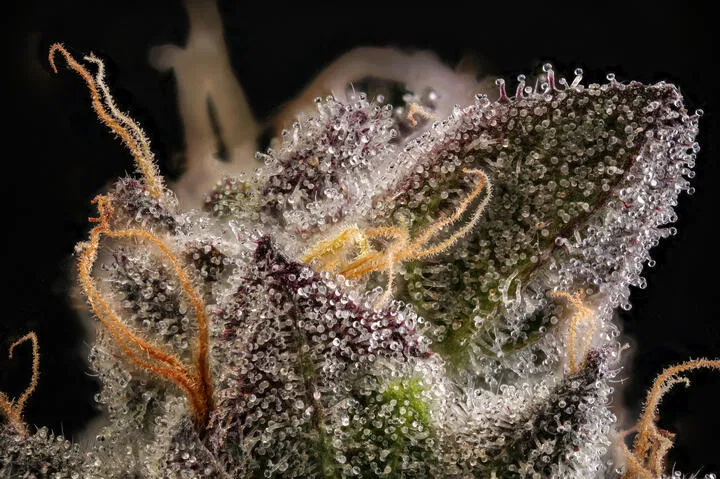
Tetrahydrocannabinol resides primarily in the resin secreted by trichomes—the tiny, hairlike structures that blanket the surface of cannabis flowers, giving it a frosty or sugar-coated appearance. These trichomes are like microscopic treasure chests, housing not only THC but also terpenes (essential oils that give cannabis its distinctive aroma) and other cannabinoids.
How Was THC Discovered?
Our knowledge of THC is mainly thanks to one key figure in cannabis research history. In 1964, Israeli chemist Dr. Raphael Mechoulam, often dubbed the “father of cannabis research,” successfully isolated and synthesized THC. Mechoulam and his team’s pioneering work was instrumental in identifying THC as the psychoactive compound in cannabis, forever altering our understanding of the plant. His research also paved the way for the discovery of the endocannabinoid system (ECS), a major milestone in medical science. (Source)
What Are Cannabinoid Receptors and the Endocannabinoid System (ECS)?
The endocannabinoid system (ECS) is responsible for ensuring that various physiological and cognitive functions stay in harmony. Found in all vertebrates, the ECS plays a crucial role in maintaining homeostasis—a state of balance and stability in the body. It regulates mood, memory, appetite, pain, sleep, and immune responses, to name but a few.
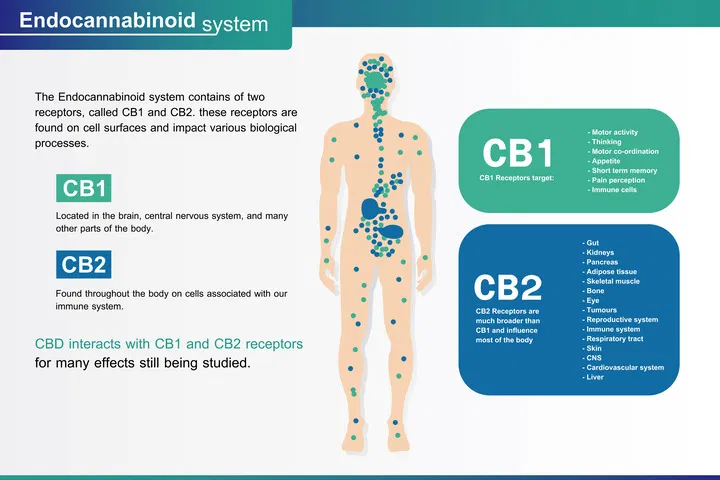
The ECS consists of three main components:
Endocannabinoids: These are signaling molecules produced naturally by the body, such as anandamide (often called the "bliss molecule") and 2-AG. They act as messengers to help the body maintain balance.
Receptors: CB1 receptors, primarily located in the brain and central nervous system, and CB2 receptors, found in the immune system and peripheral tissues, act as docking stations for cannabinoids.
Enzymes: Specialized enzymes break down endocannabinoids once they’ve done their job, ensuring the system stays efficient and precise.
THC binds primarily to CB1 receptors in the brain, acting like a master key that unlocks various effects, from euphoria to altered sensory perception.
How THC Works in the Body
When consumed, THC mimics the body’s natural endocannabinoids and interacts with CB1 receptors, especially those in areas of the brain responsible for mood, memory, and sensory perception. This interaction increases the release of dopamine, the “feel-good” neurotransmitter, which is why THC is so effective at inducing euphoria and relaxation.
THC doesn’t just alter mood - users report that it can make colors seem brighter, food taste better, and music sound more immersive. THC also activates the hypothalamus, which controls hunger, explaining the infamous “munchies” that many experience following cannabis use.
Beyond the recreational joys that accompany cannabis use, researchers have found that THC provides numerous medical benefits, one of the most valuable being its ability to reduce pain. By interacting with CB1 and CB2 receptors, THC dulls pain signals sent to the brain, making it a popular choice for those suffering from chronic pain.
The Psychoactive Effects of THC on the Body and Mind
THC produces a variety of effects that can be as diverse as the people who use it. The effects depend on dosage, consumption method, individual tolerance, and even the specific cannabis strain. Mentally, THC often induces euphoria, heightened sensory awareness, and relaxation.
Physically, THC can lead to dry mouth, red eyes, and increased heart rate. Interestingly, some users find it energizing, while others experience couch-lock—a state of deep relaxation that makes getting up feel like scaling a mountain.
THC in Cannabis Sativa Strains
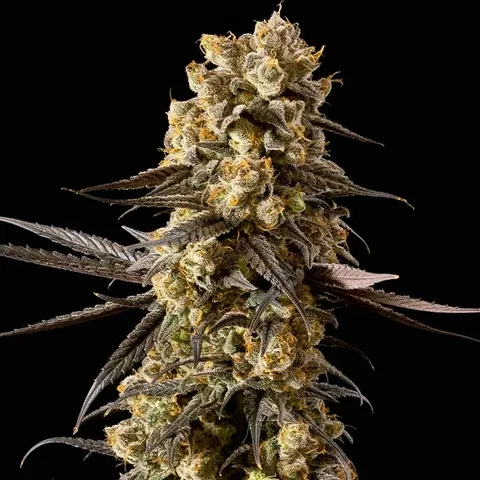
Cannabis plants are incredibly diverse, and their THC content varies widely. Some strains are mild, while others hit with the intensity of a storm. Here’s how they differ:
Low-THC strains: These strains contain around 0.3% to 5% THC and are often used for therapeutic purposes as they have higher concentrations of non-psychoactive cannabinoids like CBD. Low-THC strains like Pink Kush CBD 1:1 Auto provide mild effects and are ideal for beginners or those seeking relief without a strong high.
High-THC strains: With THC levels often exceeding 20%, strains like Gelato 41BX, Banana Biscotti F1, and Purple Ghost Candy are renowned for their potent effects. High-THC strains are popular among recreational users and those seeking powerful relief from pain or insomnia.
Balanced strains: Strains like Cream & Cheese CBD 1:1, which feature a near-equal ratio of THC to CBD, offer a more balanced experience. Balanced strains ideal for those who want therapeutic benefits without overwhelming psychoactivity.
Different strains are also used in medical marijuana to treat various conditions, highlighting the therapeutic potential of cannabis.
The THC content in a strain is influenced by its genetics, cultivation methods, and environmental factors like light and temperature. Additionally, terpenes and other cannabinoids play a supporting role, amplifying THC’s effects through what's known as the entourage effect.
Ways of Consuming THC
Cannabis offers an impressive variety of consumption methods, each with its unique advantages and quirks. Here are some of the most popular ways to enjoy THC:
Smoking and Vaping
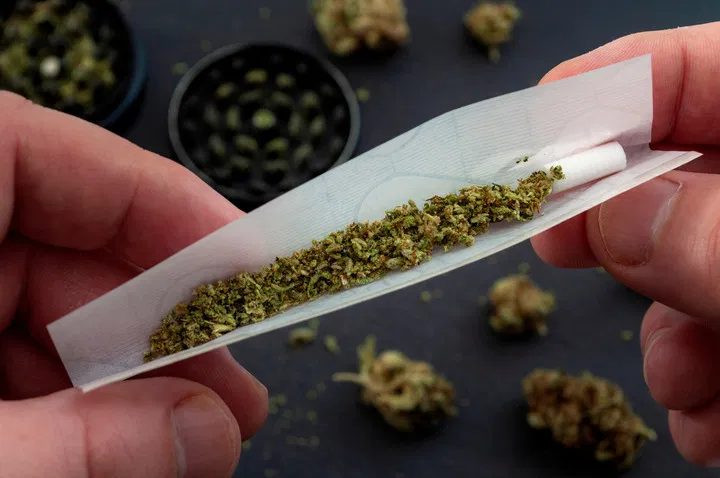
Smoking cannabis is perhaps the most traditional method, involving the inhalation of combusted flower (aka bud). Effects are felt almost immediately, making it a popular choice for those seeking quick relief. Vaping, on the other hand, heats cannabis without combustion, offering a smoother experience with fewer harmful byproducts.
Edibles
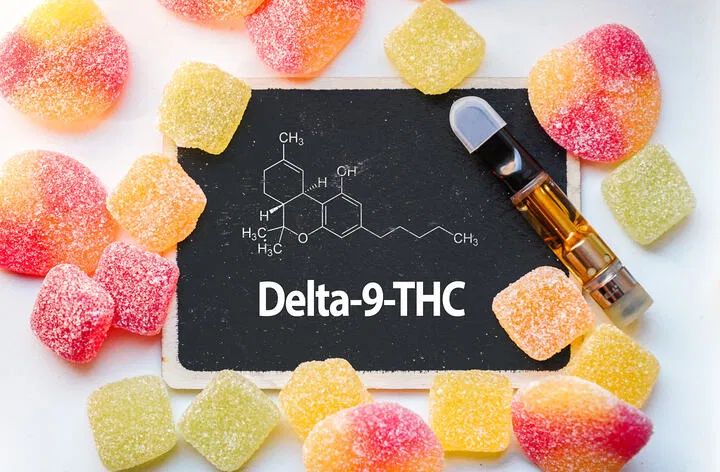
Edibles, such as THC-infused gummies, brownies, and beverages, provide a discreet and flavorful way to consume cannabis. However, because THC must pass through the digestive system and liver, the effects take longer to kick in (usually 30 minutes to 2 hours) but last much longer. This method can feel like a "slow burn," where patience is key to avoid overconsumption.
Tinctures and Oils

Tinctures are liquid cannabis extracts often administered under the tongue for rapid absorption. This method combines the immediacy of smoking with the discretion of edibles. Oils, meanwhile, can be ingested or added to food, offering versatility and precise dosing.
Topicals

THC-infused creams, balms, and patches are designed for localized application. Topicals are great for relieving muscle pain or inflammation without inducing psychoactive effects—though transdermal patches can deliver THC into the bloodstream for a more systemic effect.
Concentrates
Concentrates like wax, shatter, and resin are highly potent products favored by experienced users. Consuming them often involves a dab rig or vape pen, providing intense effects in small doses.
Capsules and Pills
For those who prefer precision and convenience, THC capsules and pills are a reliable option. They function similarly to edibles, with effects that last for hours.
The Benefits of THC
THC’s potential benefits extend far beyond its recreational appeal. It has been studied extensively for its therapeutic properties:
Pain Relief: THC is a go-to option for managing chronic pain, from arthritis to neuropathy, by altering how the brain perceives pain signals. (Source)
Nausea and Vomiting: THC is particularly effective in alleviating chemotherapy-induced nausea. Synthetic THC medications like dronabinol are used for this purpose. (Source)
Appetite Stimulation: THC can counteract appetite loss, helping to maintain weight and strength. (Source)
Improved Sleep: By promoting relaxation, THC can make it easier to fall asleep and stay asleep, aiding those with insomnia. (Source)
Neuroprotective Potential: Emerging research suggests that THC may protect brain cells and benefit conditions like Alzheimer’s. (Source)
Risks of THC Use
While THC offers numerous benefits, it’s not without risks. High doses can lead to anxiety, paranoia, and cognitive impairments. Long-term use may increase the likelihood of dependency or exacerbate symptoms of certain psychiatric disorders. Common side effects include dry mouth, red eyes, and in some cases, dizziness.
What is Tetrahydrocannabinol's Role In Healthcare?

Today, THC plays a significant role in healthcare, particularly in treating conditions such as chemotherapy-induced nausea and vomiting, chronic pain, and other conditions. It also stimulates appetite in patients with AIDS-related anorexia, helping them maintain weight and strength. Additionally, THC’s analgesic and anti-inflammatory properties make it a potential treatment option for chronic pain and inflammatory conditions. However, the use of THC in healthcare is subject to laws and regulations, and its acceptance and approval vary widely. Further research is needed to fully understand the benefits and risks of THC in healthcare, but its potential is undeniable. As science continues to explore this compound, its role in medical treatments is likely to expand, offering new hope for patients with various conditions.
The Future of THC Research
The growing acceptance of cannabis is fueling exciting advancements in THC research. From exploring its potential in personalized medicine to developing innovative delivery methods like nanoemulsions, the future looks bright. As science uncovers new ways to harness THC’s power, its role in medicine and recreation will only continue to expand.
Conclusion
Tetrahydrocannabinol (THC) is a remarkable compound that sits at the intersection of science, medicine, and culture. From its discovery by Dr. Raphael Mechoulam to its profound effects on the endocannabinoid system, THC has revolutionized our understanding of cannabis. Whether you’re drawn to its therapeutic benefits or curious about its recreational effects, THC remains a cornerstone of cannabis research and use. As with any powerful substance, the key to enjoying its benefits lies in responsible use and a deeper understanding of how it interacts with the body.