

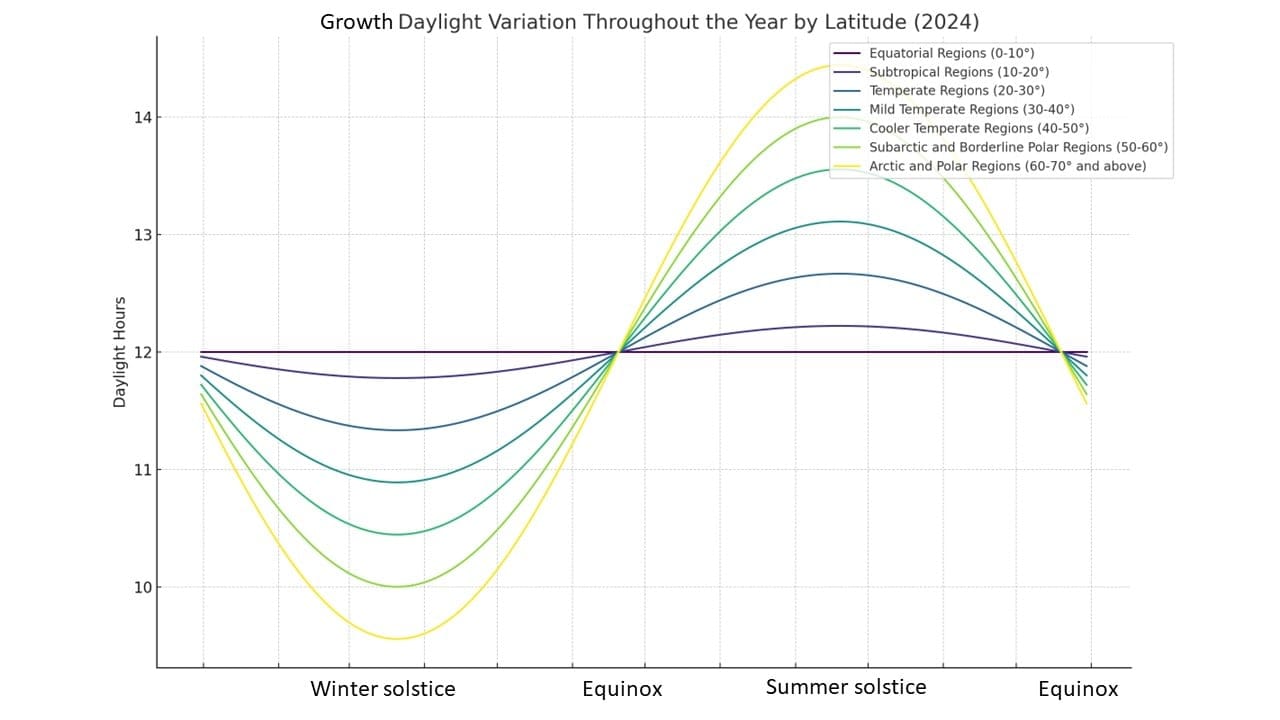
Knowing when to plant cannabis outdoors is integral to the success of your grow. Rather than a hard and fast rule, i.e. "It's April 2nd, let's get planting!", the best time to plant outdoors will be dictated by your location and your specific climate. As not all zones have the same amount of daylight and conditions at the same time of year, this can present challenges. Seasonal weather anomalies often denote good and bad times to plant cannabis outdoors. This article aims to shed some light on considerations surrounding when to plant outdoors, by location.
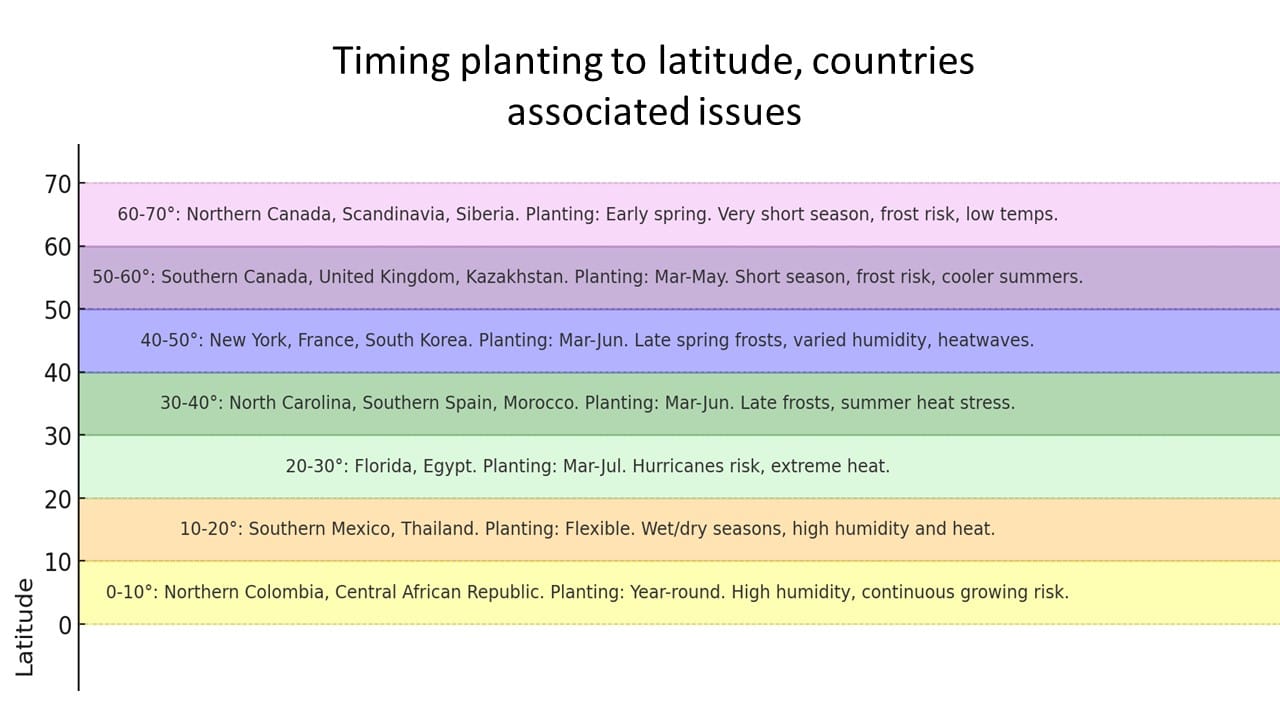
Although there are many variables affecting the suitability of certain regions to planting cannabis seeds, one thing is clear - getting it wrong can be disastrous. From local geography affecting the weather, to the very unpredictable last frost, when to plant outdoors is a question with several answers. Here we have a generalized look at some of the regions and how to time the planting of cannabis seeds outdoors to avoid issues. One good thing about outdoor cannabis growing is that in most regions, the planting window is long, making it easier to avoid issues. With that said, which type of genetics used can make or break the harvest's success.
For those with experience in outdoor growing, you will probably gain little from this information as you have the specifics of your area, but if you are new to planting cannabis outdoors, this guide will help give you an idea of what to plant and when. One caveat is that elevation (altitude), like other factors (proximity to the coast etc), will have a massive influence on the climate of that latitude, making a one-size-fits-all approach quite difficult. Please, use your mobile phone, or maps app, to find the exact details of your growing situation, and then seek further information based on what you find.
When To Plant Cannabis Seeds Outdoors
In equatorial countries like Northern Colombia, Central African Republic, Indonesia, and Ecuador, the planting of cannabis seeds outdoors can occur year-round. In countries with climates like Southern Mexico and Thailand, which include Vietnam and the Philippines, the planting times are more distinct to avoid the wet season, and to utilize the dry seasons. In subtropical zones such as Florida, Egypt, Southern China and Northern Australia, the planting window generally falls between March and early June. This timing is to avoid extreme weather conditions later in the year as often the wet season comes a little before Fall starts. Temperate areas like North Carolina, Southern Spain, and similar climates in Italy and Northern China, typically see planting from March to June. This timing aims to evade frosts and benefit from favorable summer conditions. In New York, France, Japan and Germany, planting usually occurs from March to early June, with full-terms going off earlier, and Autos best later in that window. Further north, in places like Southern Canada, the United Kingdom, and similar climates in Poland and Northern Japan, the window is between March and May, considering the shorter growing season and frost risks. Early/Fast strains are better off in the middle of that window, with Autos in the later part and full-terms as early as possible.
Genetic Types and Variations in Agriculture

In equatorial regions, Northern Colombia, Central African Republic, Indonesia and Ecuador, Autoflowers can be planted all year round. This choice is due to the year-round growing conditions these equatorial regions offer. Similarly, in Southern Mexico, Thailand, Vietnam and the Philippines, the mixture of Autoflowers and Early/Fast genetic types works well with the flexible wet and dry seasonal patterns. Some Autoflowering varieties, however, can underperform in these conditions due to short days. Alternatively, if you can supplement the light to keep the Early/Fasts in vegetation, then the results will be better than the Autoflowers in general.
Moving to subtropical zones like Florida (USA), Southern China and Northern Australia, a broader range of genetic types can be grown. This diversity caters to the varying climate conditions, from heavy rainfall to extreme heat. Depending on exactly where you are, you might find one option is better than the other, or that Autoflowers work best earlier in the season, finishing before the wet season begins. Early/Fasts work better than full-terms, for example. If you can start the plants off indoors then you have more options to timing the planting with the seasonal variation in mind.
In warm, temperate areas such as North Carolina (USA), Southern Spain, and similar climates, farmers will use Autoflowers, Early/Fasts, or full-term genetic types. The decision will be to counter challenges like late frosts and summer heat stress. Full-term genetics will shine through here, and usually provide massive plants if you can fit them into the growing season.

Further north to places like New York (USA), France, and similar latitudes, the Early/Fasts and full-terms work great, especially if the flowering is less than 11 weeks. It is crucial to adapt to late spring frosts, varying humidity, and potential summer heatwaves. Further north in cooler climates such as Southern Canada, the United Kingdom, and parts of Poland and Northern Japan, a combination of Autoflowers, Early/Fasts, and some full-term types helps manage the shorter growing seasons and frost risks. Again, starting the outdoor plants indoors can be hugely beneficial to lengthen the growing season especially in cooler regions. In Northern Canada, Scandinavia, and similar latitudes in Russia, the focus is primarily on Autos and Early/Fasts. These genetic types are more resilient in very short growing seasons and colder temperatures.
Potential Agricultural Issues By Region
Equatorial areas like Northern Colombia, Central African Republic, and similar climates in countries like Malaysia face challenges like high humidity and continuous growth without a dormant period. This is often a microbial festival housing all sorts of blights, molds, and pathogenic microbes. A major consideration here is mold resistant plants. Even in regions like Southern Mexico, Thailand, Cambodia and Laos, the primary concern is managing the high humidity and heat in the wet season, and the associated higher microbial count that usually accompanies that. In subtropical areas like Florida, Egypt, and parts of India and Argentina, the risks include extreme weather, tropical storms, and high heat. Planting outdoors in these regions is best done to avoid these phenomena if possible. Alternatively building supports and structural buffers is important. In temperate zones such as North Carolina, Southern Spain, parts of Turkey and South Korea, early frosts and summer heat stress are major concerns. Plants need plenty of water in high heat and if that’s not possible, maybe even offer them shading for a few hours in the peak of the heat. Once it gets too hot, plants often slow their metabolism down to reduce water loss and therefore don’t grow as vigorously.
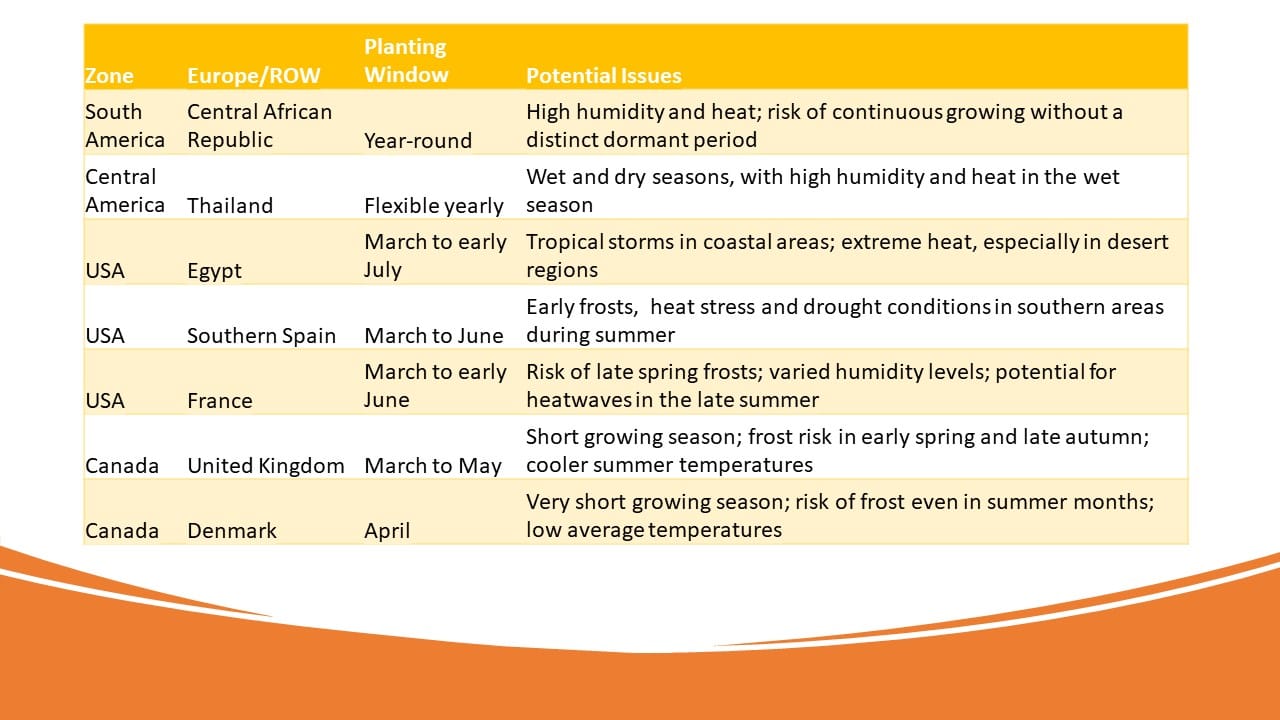
Further north, in New York, France, etc, farmers must prepare for late spring frosts and varied humidity levels. High temperatures in summer are possible and most genetics do okay in this region. In cooler regions like Southern Canada, the United Kingdom, and comparable areas in Germany and Sweden, the short growing season and frost risks are the predominant challenges. High humidity in the late season and even wet mid-seasons are also probable, so genetics with good resistance to these outdoor challenges are ideal.
Conclusion
Choosing the correct genetics and optimizing the timing of planting for your cannabis genetics is key to successful outdoor growing. If weather issues can be avoided by using a genetic type that is quicker or flowers automatically, this is the best option. However, if you live in a nice, warm place with a long season, then you have the option to grow whatever you feel like. Growing cannabis outdoors can be super easy, but if the weather and seasonal variation works against you, there is very little that can be done to remedy that situation. So use local expert knowledge if you can access it, to find the best time to plant outdoors. Choose the correct type of genetic and make sure they finish on time.


