

In the world of cannabis cultivation, the term "sinsemilla" holds a significant place, often touted for its quality and potency. In this article, we explore what sinsemilla means, trace its origins, and shed light on why it matters to cannabis enthusiasts and growers alike.
Unraveling The Term: Sinsemilla's Spanish Roots
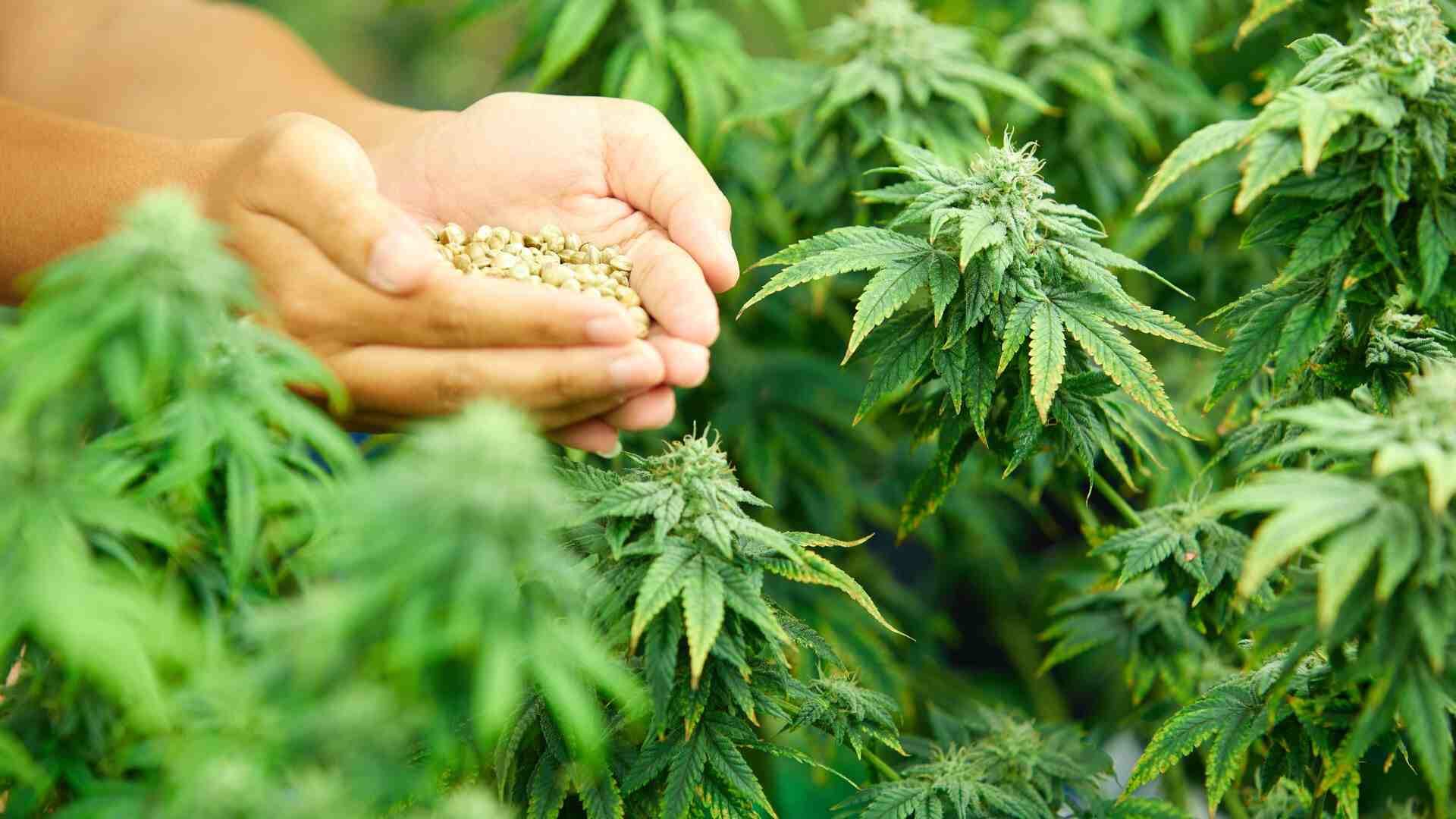
There’s a misunderstanding in some quarters about what the term sinsemilla actually means. Some use the term sinsemilla, or sensimilla, to refer to quality bud - and that’s not entirely wrong, but it is linguistically inaccurate. The word "sinsemilla" originates from Spanish and is a portmanteau of two Spanish words, with "sin" meaning without and "semilla" translating to seed. Therefore, sinsemilla quite literally means "without seeds." This term is used exclusively in the context of cannabis cultivation to describe female plants that have not been pollinated, resulting in seedless cannabis flowers.
The History of Sinsemilla Cultivation
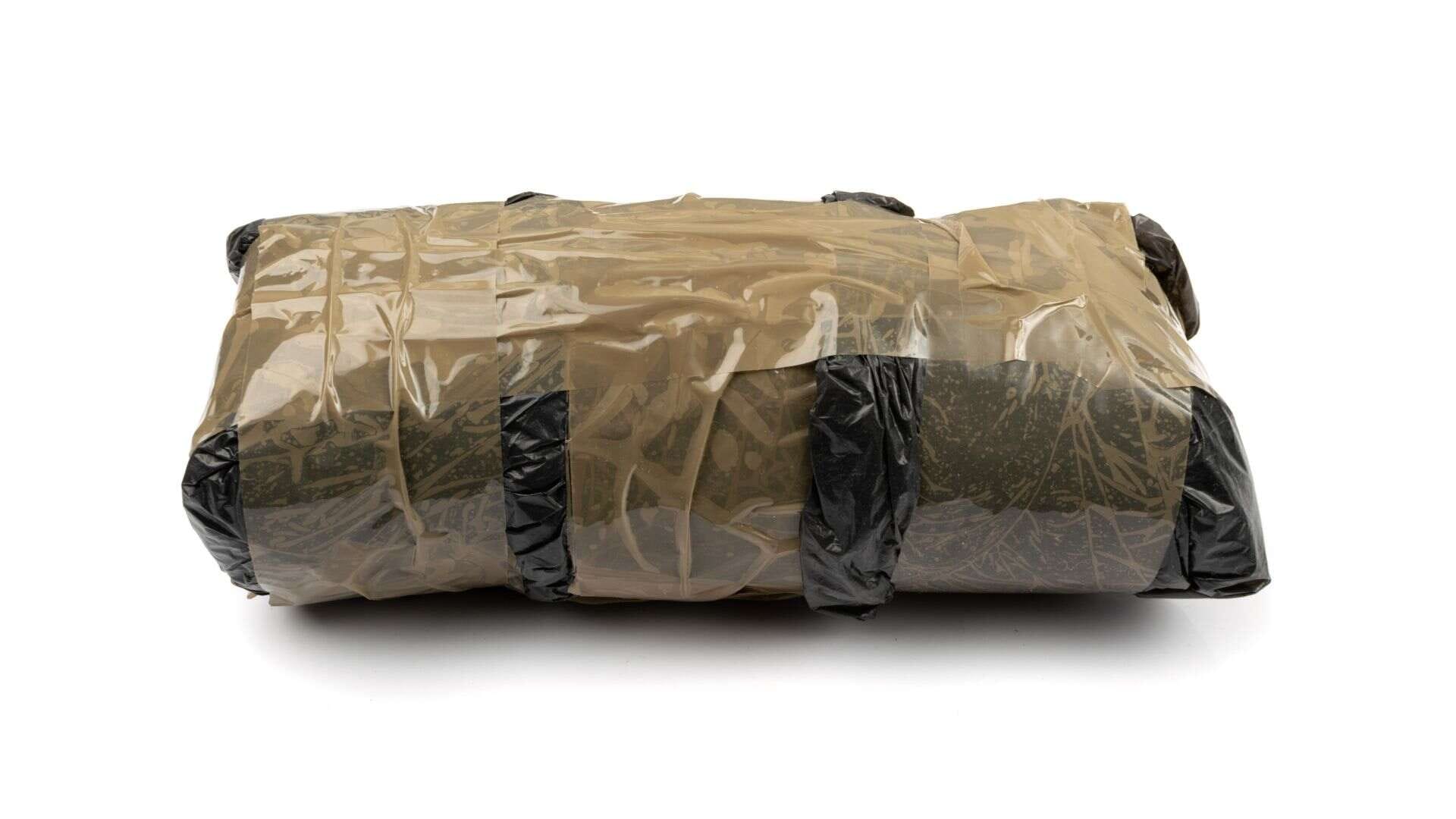
The cultivation of sinsemilla cannabis has deep historical roots, with its popularity surging during the 1970s. Once upon a time, cannabis was imported from Mexico in the form of a compressed block, known as ‘brick weed’. This type of cannabis was grown in the wild without much care or attention, and rather than the cannabis buds we’re familiar with today, weed would be compressed into blocks before being sent over the border. Smokers didn’t know exactly what they were getting, and quality control was practically non-existent in many of these operations.
As cultivation standards and practices improved in the USA and Europe, breeders realized that separating males from females resulted in much higher quality buds - seedless buds - and the rest is history. It’s from this new, higher quality cannabis that the name sinsemilla most likely became used as a byword for better, more potent cannabis. Sinsemilla cannabis strains were a jump up in every regard, and, much like the term 'Skunk' has been bastardized by some to denote any potent cannabis, the word sinsemilla was co-opted in the same way. Cannabis enthusiasts and cultivators began to recognize the advantages of cultivating sinsemilla plants. This gave rise to a meticulous process of ensuring plants remained unpollinated. This evolution marked a turning point in the cannabis industry, paving the way for a market that prioritizes potent, resinous buds over seed-laden varieties.
Why Sinsemilla Matters: Quality Over Quantity
Sinsemilla has become synonymous with top-shelf cannabis due to several key advantages. First and foremost, seedless flowers allow the plant to channel its energy and resources into resin production rather than seed development. This heightened resin production results in higher concentrations of cannabinoids, notably the coveted THC (tetrahydrocannabinol) and CBD (cannabidiol). Sinsemilla also has a stronger concentration of terpenes. As a consequence, sinsemilla weed tends to boast those sought-after higher THC levels, as well as a more potent and flavorful profile compared to seeded varieties. From that alone, you can see why sinsemilla is immediately going to be the most sought-after form of weed. It's like the 'sliced bread' of the cannabis world!
Uses of Sinsemilla: A Preference Among Connoisseurs
Sinsemilla's appeal extends beyond its potency; it is highly sought after by cannabis connoisseurs for its refined taste and smooth smoke. The absence of seeds ensures a smoother burn, contributing to a more enjoyable, higher-quality, and less harsh smoking experience. This characteristic has made sinsemilla the preferred choice for both recreational and medicinal users looking for a clean, consistent, and potent product. Given the benefits of sensimilla, the extra effort of separating the plants proved to be more than worth it.
Tips for Cultivating Sinsemilla
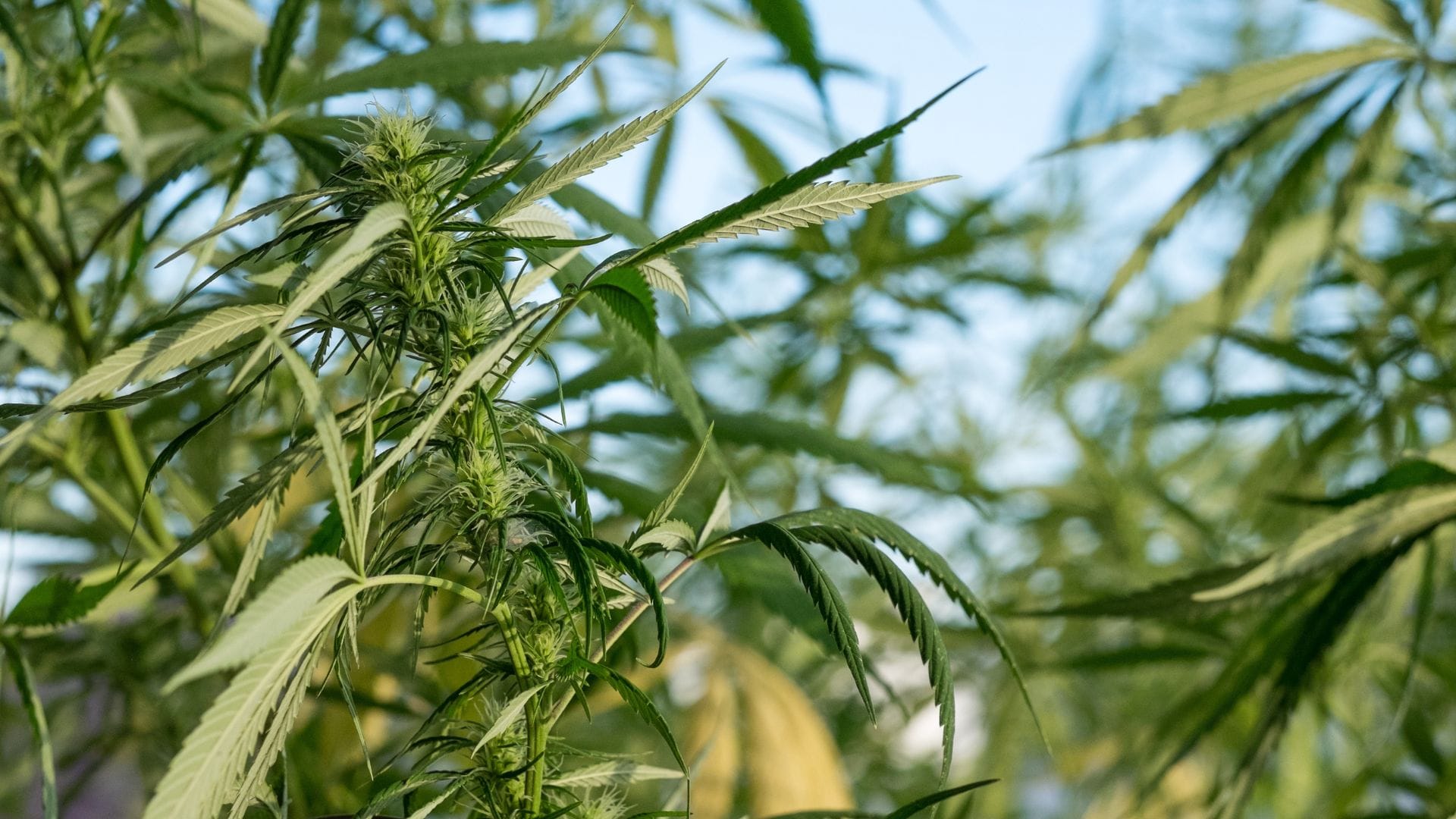
Cultivating sinsemilla requires careful attention to detail and a commitment to maintaining a controlled environment. The real forward leap in sinsemilla cultivation undoubtedly took place in the 1990s with the advent of feminized seeds. Before that breakthrough, male cannabis plants had to be identified and removed quickly, lest fertilization occur. Here are some tips for cultivators seeking to produce high-quality sinsemilla:
Isolation is Key: To prevent pollination, isolate female plants from male plants. This can be achieved by growing sinsemilla in a separate space or utilizing feminized cannabis seeds.
Regular Inspection: Monitor plants closely for any signs of hermaphroditism, which can lead to accidental pollination. Prompt removal of any male flowers is crucial to maintaining a seedless crop.
Optimal Growing Conditions: Provide a stable and optimal plant environment, including proper lighting, nutrient levels, and humidity control. A stress-free environment promotes resin production and enhances the overall quality of sinsemilla.
Historical Significance: Sinsemilla in Cannabis Culture
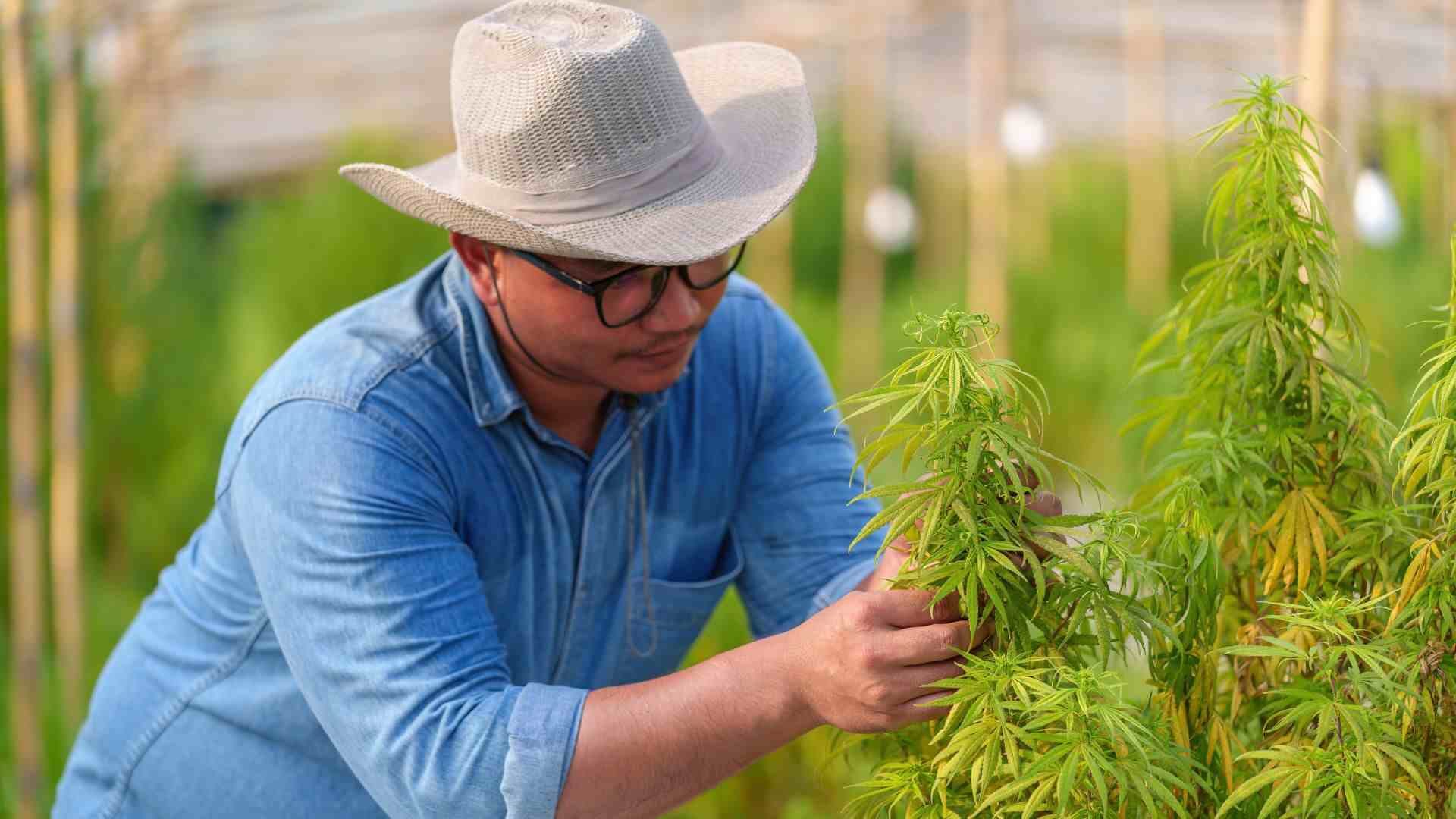
The rise of sinsemilla cultivation parallels the evolution of cannabis culture. From its humble beginnings in clandestine operations to the forefront of legal and regulated markets, sinsemilla has played a pivotal role in shaping the preferences of cannabis enthusiasts worldwide. Understanding its historical significance adds depth to the appreciation of this exceptional cultivation technique. Having become popular as far back as the 1970s, it became clear where the magic was; indeed, cannabis culture wasn't long in making the distinction between marijuana and sinsemilla. Even though the two are obviously closely related, the term 'sensimilla' became regularly namechecked in music, with the reggae scene in particular quick to embrace sensimilla in its lyrics.
Conclusion
SInsemilla represents a pinnacle of cannabis cultivation, emphasizing quality over quantity. The term, rooted in Spanish, has evolved to signify a cultivation method that caters to the discerning tastes of cannabis enthusiasts. Whether for recreational or medicinal purposes, the allure of sinsemilla - seedless marijuana - is a more potent weed with greater flavor, and a smoother smoking experience. As the cannabis industry continues to flourish, sinsemilla stands as a testament to the art and science of cultivating the finest cannabis flowers, with feminized seeds making growing prime senismilla easier than ever.


