
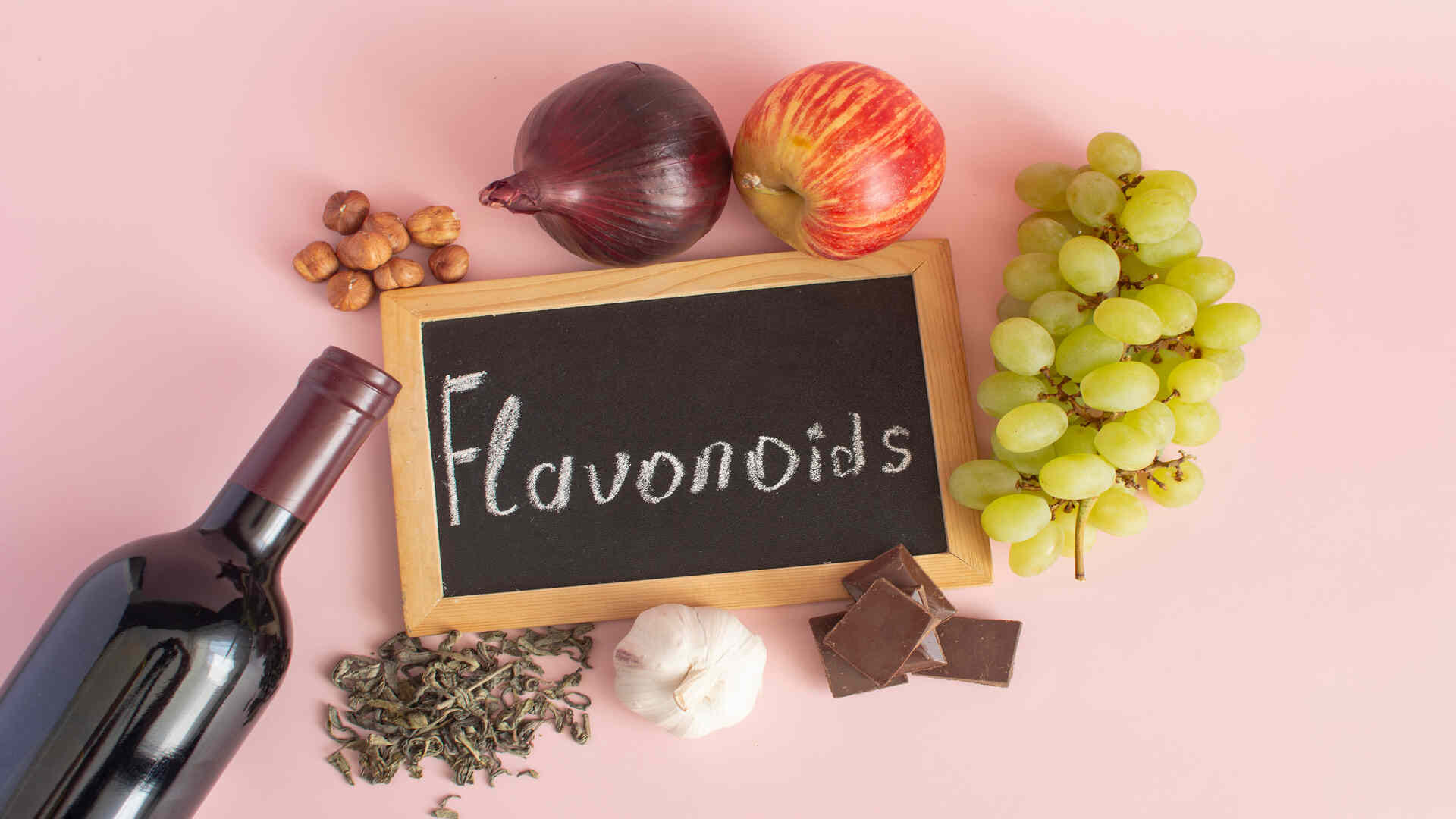

Eavesdrop on any conversation between cannabis aficionados or surf into any online weed chat and the talk usually centres on the same familiar things. Cannabinoids usually take centre stage, and the importance of terpenes gets the attention when the subject turns to flavours. Yet there's another, less talked-about group of compounds waiting patiently for their moment in the spotlight - flavonoids. Often overlooked, but highly influential, flavonoids are doing plenty of the heavy lifting behind your cannabis experience. In cannabis, flavonoids may play a far more meaningful role than many growers or consumers realise. So what are flavonoids, and why are they becoming an increasingly important part of cannabis science? Let's take a closer look.
What Are Flavonoids?

You may have come across the term before, and wondered, what are flavonoids? In simple terms, flavonoids are a vast group of plant secondary metabolites. Natural compounds plants don't produce just to survive, but to actually thrive. Flavonoids serve many useful purposes in the plant kingdom, helping plants manage environmental stress, fend off pests and pathogens, and interact with the natural world around them.
On a more scientific level, flavonoids share a common carbon framework - a C6-C3-C6 backbone that forms a three-ring molecular structure. From this basic template comes an impressive diversity of subclasses, including flavones, flavanones, and anthocyanins. If you've ever gone down the rabbit hole of shopping for the best purple cannabis strains on Seedsman, you've probably already brushed shoulders with anthocyanins. They're responsible for the striking deep purples, reds, and blue colours in plants.
Across the wider plant kingdom, flavonoids are everywhere. You'll find them in numerous plants you're familiar with and may regularly consume. You'll find key flavonoids such as catechin in tea, quercetin in onions, and those colourful anthocyanins in foods like berries, aubergines, and red cabbage.. In movie terms, if cannabinoids are the lead actors, flavonoids are the lighting crew and set designers. You might not see them directly, but you'll know when they've done their job.
What Are Flavonoids in Cannabis?
This is where things get particularly interesting. Cannabis doesn't only contain the flavonoids common to many plants - it also produces a small group of around twenty or so flavonoids that appear to be unique to the speciedsThese are known as cannaflavins, and they've been attracting growing scientific attention.
In fact, research conducted at South Africa's prestigious Stellenbosch University revealed a surprisingly broad spectrum of flavonoids and related phenolic compounds in cannabis, including rare molecules known as flavoalkaloids. These compounds had not been previously documented in cannabis, so the Stellenbosch team's findings reinforced just how chemically complex this amazing plant really is, and how much is still left to explore.
When asking what are flavonoids in cannabis specifically, the answer is no longer a footnote. They're an integral part of the plant's chemistry, with potential implications for flavour, appearance, resilience, and therapeutic value.
Where Are Flavonoids Found In Cannabis?
You'll find flavonoids present throughout the cannabis plant, although their concentrations vary depending on the tissue. Here's a quick look at some specifics:
Leaves: Often richer in flavonoids than the flowers, particularly when exposed to environmental stressors.
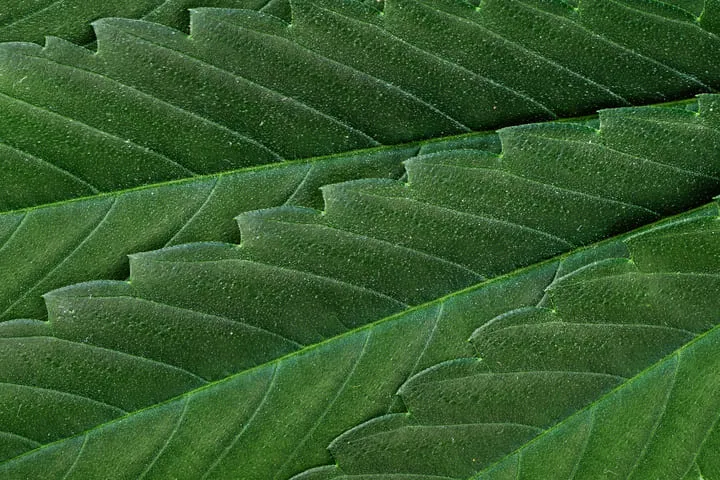
Flowers: While terpene content dominates aroma, flavonoids are still present in the buds and contribute to colour, flavour, nuance, and potential effects. You'll definitely see the presence of anthocyanins in some strains.

Stems and seeds: Yes, even the often-discarded plant matter contains some degree of flavonoid, but this is typically in much lower concentrations.
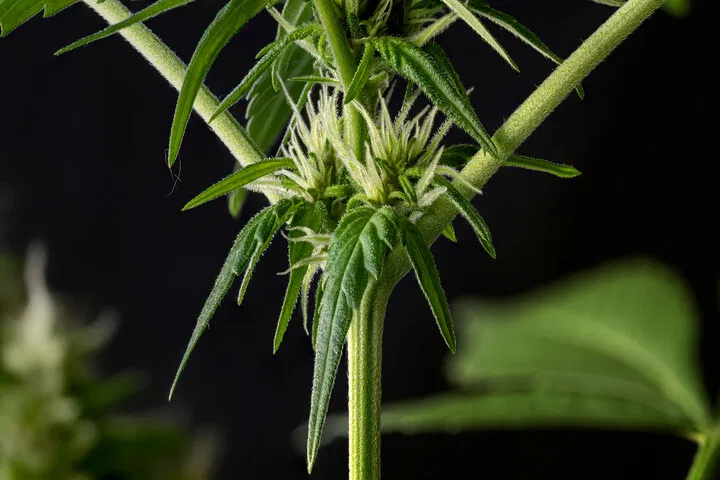
Terpenes grab the headlines when it comes to aroma and flavour, but flavonoids subtly influence the overall sensory profile. Sometimes that shows up as a mild bitterness, sometimes as visual intensity, and sometimes it shows up as a subtle shift in how aromas are perceived. It's not always obvious - but it's there.
Why do Flavonoids Matter For Cannabis Consumers?
Seaasoned cannabis users may be familiar with exploring the entourage effect - the idea that cannabinoids work best in concert with other compounds rather than in isolation. Increasingly, flavonoids are being recognised as part of that ensemble. Some flavonoids may influence how cannabinoids behave in the body, potentially modulating therapeutic effects. Cannaflavin A, for example, which is exclusive to the cannabis plant, has been studied for its anti-inflammatory potential, with research suggesting it may inhibit certain inflammatory pathways more effectively than aspirin. This is particularly intriguing as it potentially opens up another avenue for cannabis as an alternative to opioids.
Colour and Visual Appeal
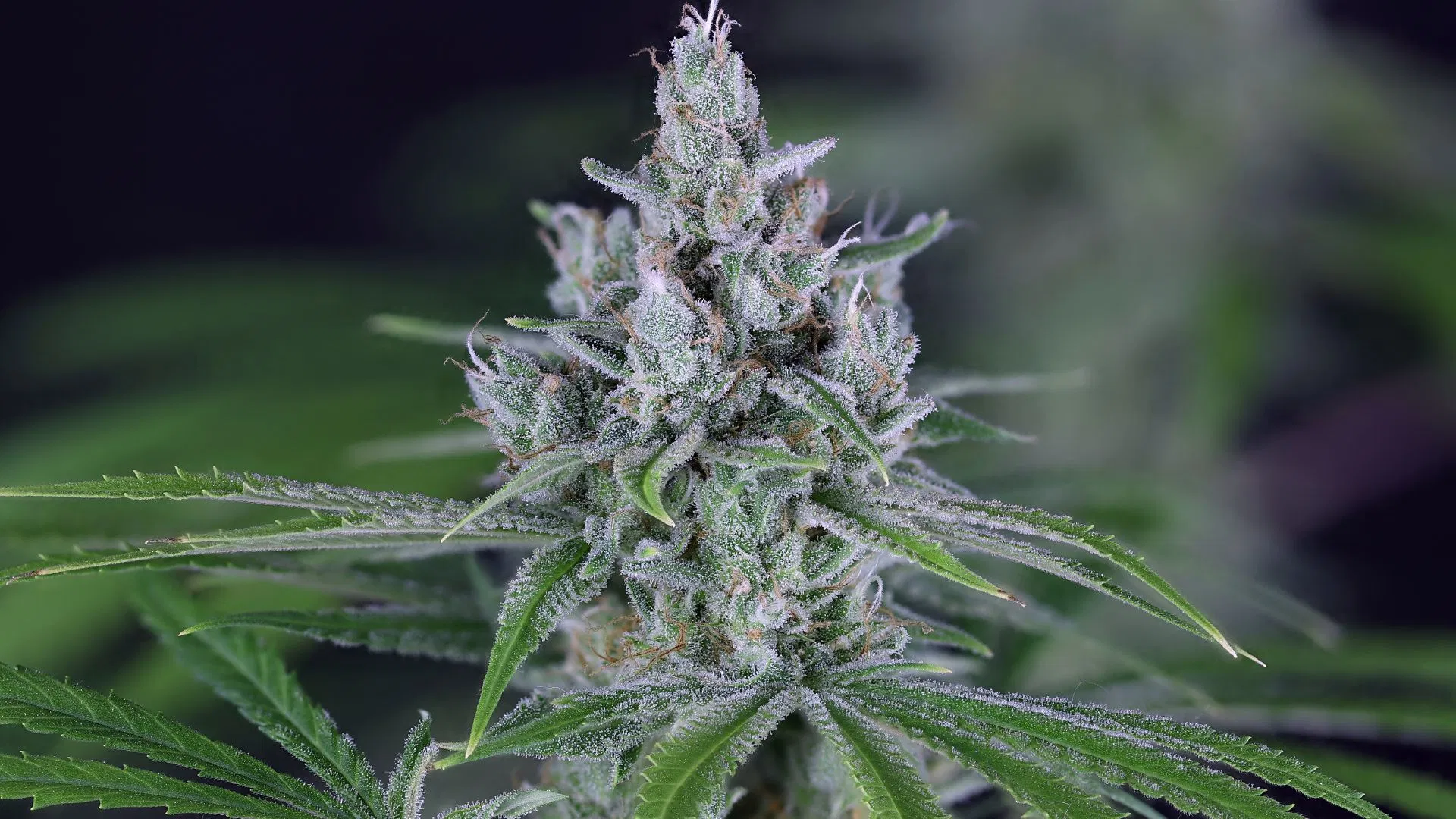
Those rich purples, blues, and reds seen in certain cultivars such as Blueberry and Purple Ghost Candy aren't just about bag appeal. They're driven by anthocyanins - flavonoids whose expression depends on genetics, temperature, and growing conditions. While environment certainly plays a role, flavonoids are the key pigments that ultimately bring those colours to life. With consumers in legal jurisdictions becoming increasingly better educated and more discerning, this translates to a better understanding of how and why to choose certain cannabis strains over others.
Subtle Sensory Influence
It's long been assumed that terpenes alone define cannabis flavour and aroma, but that picture is now long more and more incomplete. Sure, terpenes do largely influence these factors in cannabis, but it's not just terpenes - there's also other agents afoot such as esters, aldehydes, and - now we know - flavonoids. And while flavonoids don't dominate aroma in the same way, they can influence:
- Bitterness
- Mouthfeel
- Subtle flavour notes
Potential Health Benefits
Research into cannabis flavonoids is still developing, but flavonoids more broadly are associated with several well-documented properties, including:
- Antioxidant activity
- Anti-inflammatory effects
- Neuroprotective potential
Why Flavonoids Matter for Cannabis Cultivators
It's not just the legal cannabis consumer who benefits from the unique contributions of flavonoids in cannabis. Understanding "what are flavonoids?" has real implications for growers in legal jurisdictions as well. Among the various aspects of cultivation impacted by flavonoids are the following:
Environmental Stress and Plant Health
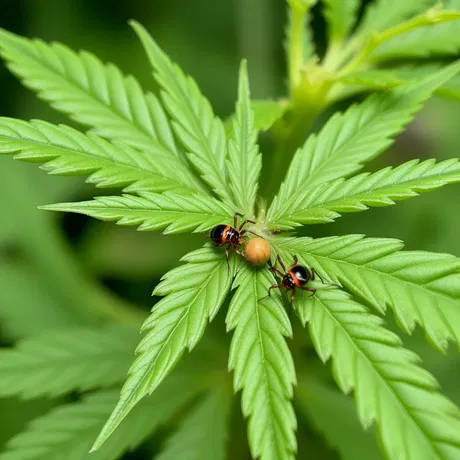
Flavonoids help cannabis plants cope with UV exposure, pests, and pathogens. For cultivators this means flavonoid production can be influenced by environmental conditions. Moderate UV exposure, for example, can stimulate flavonoid synthesis, which is essentially the plant applying an extra layer of biochemical suncreen.
Colour Expression
We've mentioned the potential of flavonoids to influence colour expression already, but it has an impact on cultivators, too. Growers in legal jurisdctions chasing vibrant colours shoud be aware that flavonoid expression is shaped by several factors:
- Genetics - and this is key - if you're not growing frrom genetics coded to express those rich colours, no amount of grower mastery will bring them out. It all starts with choosing the right strain..
- Temperature - cooler nights often boost anthocyanin production, leading to the expression of those regal shades late in flowering.
- pH of the growing medium - an oft-overlooked step.
- Nutrient availability.
A solid understanding of flavonoids allows growers to fine-tune conditions to coax out the kind of highly desirable visual traits that garner dozens of 'likes' on social media.
Potential Market Value

With legal consumers becoming more informed, cultivars rich in flavonoids - particularly those cannaflavins - may grow in appeal. Just as terpene-rich cannabis strains command so much attention today, flavonoid-forward genetics could very well represent the next frontier.
Post-Harvest Handling
Much like terpenes, flavonoids are sensitive to heat, light, and oxidation. Carefully studying top tips on drying and curing, as well as understanding storage are essential to preserving them, and a cannabis grower who understands flavonoids treats their harvest much like an expert winemaker treats their grapes - protecting the delicate chemistry that ultimately shapes and defines the final experience.
Are Flavonoids Destroyed by Heat?
A key question for legal cannabis consumers is "are flavonoids destroyed by heat?" and it's a question well worth asking. The short answer is yes - to varying degrees. Flavonoids are sensitive to high temperatures. When you combust cannabis - by lighting and smoking a joint, using a pipe, or hitting a bong - temperatures can exceed 600°C. At this level, most flavonoids degrade rapidly.

What happends to flavonoids in cannabis when you smoke or vape?
- Combustion: Most flavonoids are destroyed by the extreme heat.
- Vaporisation: Lower temperatures (typically 160-220°C) preserve more flavonoids, but many still degrade.
- Edibles: Depending on extraction and cooking temperatures, more flavonoids may survive.
Therefore, vaporising cannabis at lower temperatures offers the best chance of retaining them.
The Future of Flavonoid Research in Cannabis
The Stellenbosch University studies have opened a new chapter in cannabis science, highlighting rare flavonoid-related compounds and reinfocing the plant's extraordinary chemical depth. As analytical tools improve, we'll likely see more detailed flavonoid profiling across cultivars, targeted breeding for specific flavonoid expressions, and new extraction methods designed to preserve these compounds. On the medical side, cannaflavins are already being explored for their anti-inflammatory and neuroprotective potential and more. Time and study will reveal if there are even more benefits from flavonoids than we've learned so far. After decades in the background, flavonoids are finally begining to inch their way toward the spotlight.
What Are Flavonoids, Summed Up
Flavonoids may not yet dominate cannabis conversations the way THC percentages or terpene profiles do, but they're an essential component of the plant's identity - chemically, visually, and therapeutically. If you've ever admired a stunner of a purple bud, enjoyed a subtle flavour notes, or benefitted from the entourage effect, you've already experienced the influence of flavonoids.
Understanding what are flavonoids, what are the benefits of flavonoids, and how flavonoids work helps paint a fuller picture of cannabis as a complex, synergistic botanical system. As research continues - especially into cannaflavins and their therapeutic potential - flavonoids are poised to become a much bigger part of the cannabis conversation.