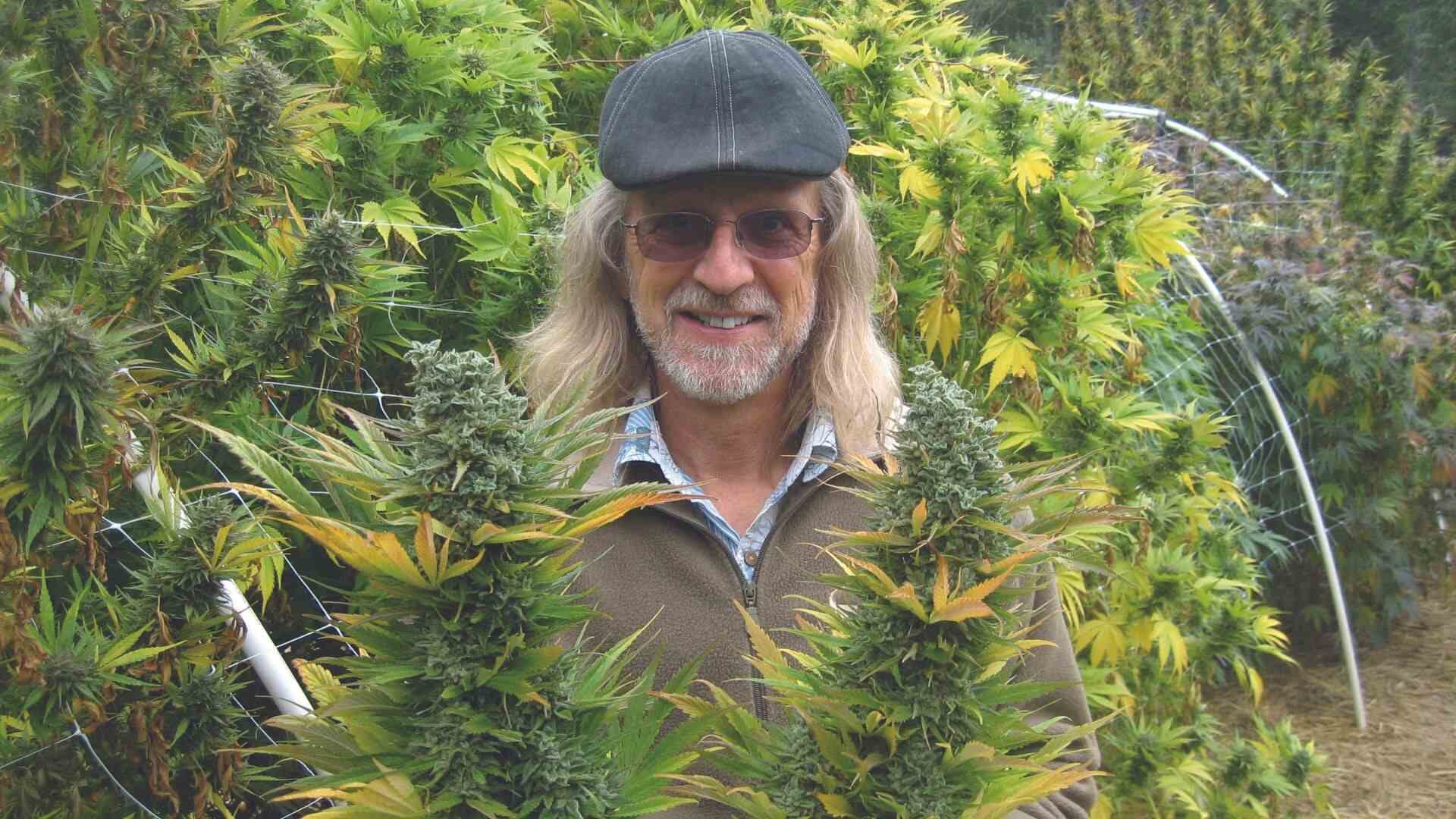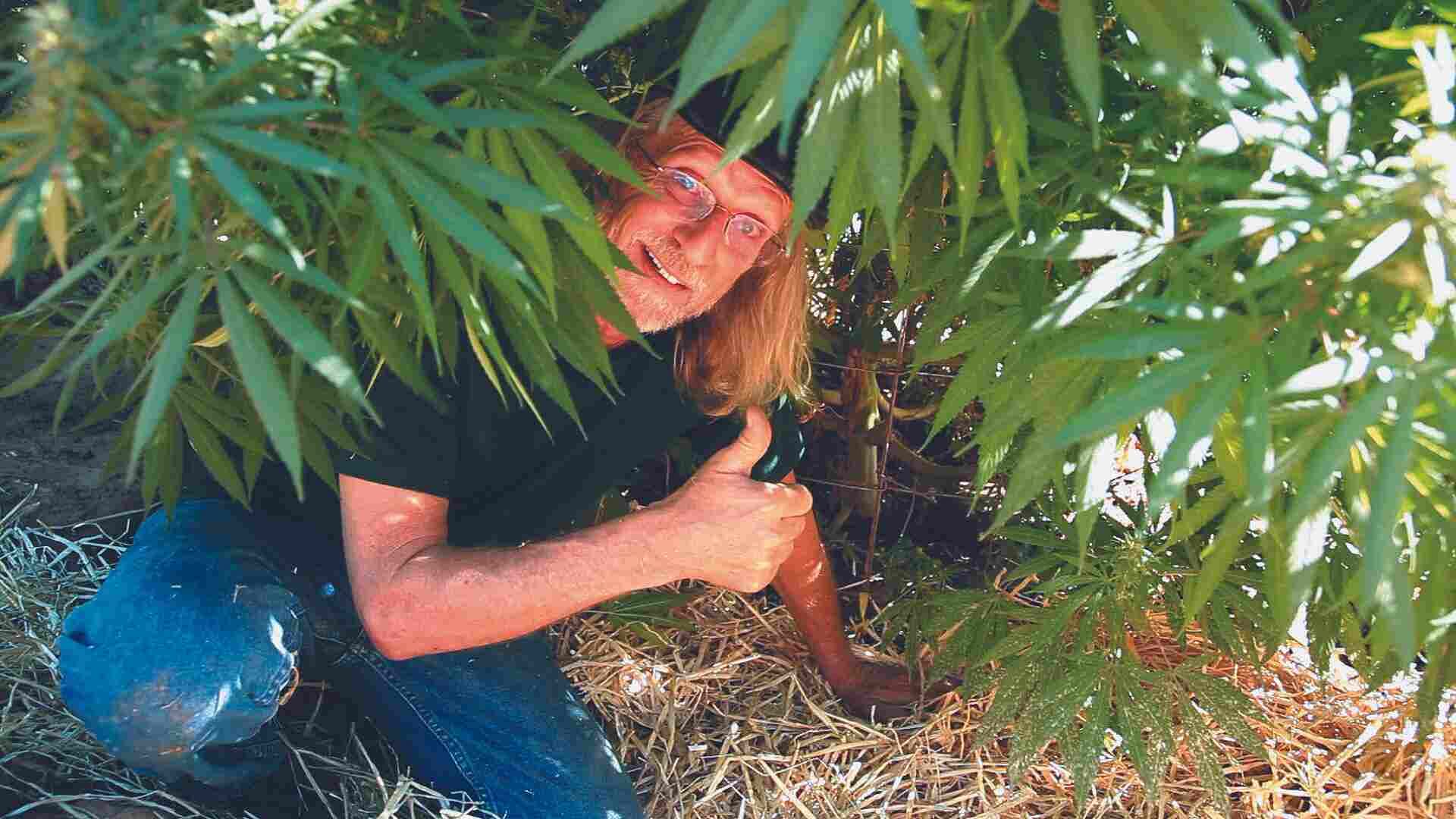
Deciding on cannabis seeds for your outdoor garden can be challenging. With our straightforward guide, learn which strains flourish outdoors and will deliver an abundant 2024 harvest. We’ll focus on cannabis seeds that suit a range of climates, with robust genetics for outdoor growing, leaving out the guesswork and aiming for your best yield yet.
Key Takeaways
Selecting outdoor cannabis seeds requires considering how easy it is to grow, climate suitability, and sunlight, with recommended strains for various climates, including White Widow, Super Skunk, and Gorilla Glue. Climate-adapted strains such as Royal Cheese for cold climates and Royal Haze Automatic for hot and dry climates are essential for successful outdoor cultivation, with options available for every regional climate. Legal constraints on outdoor cannabis cultivation vary by U.S. state, with regulations concerning the number of plants, zoning laws, setback requirements, and the need for permits or landowner permission.
Choosing The Ideal Outdoor Cannabis Seeds
Selecting the best outdoor cannabis seeds is more than a matter of preference. It requires a careful analysis of factors such as the ease of growth, climate suitability, and daily sunlight. Some well-recommended outdoor marijuana seeds, also known as outdoor weed seeds, for outdoor cultivation are:
White Widow
Super Skunk
Gorilla Glue
AK-47 Feminized seeds
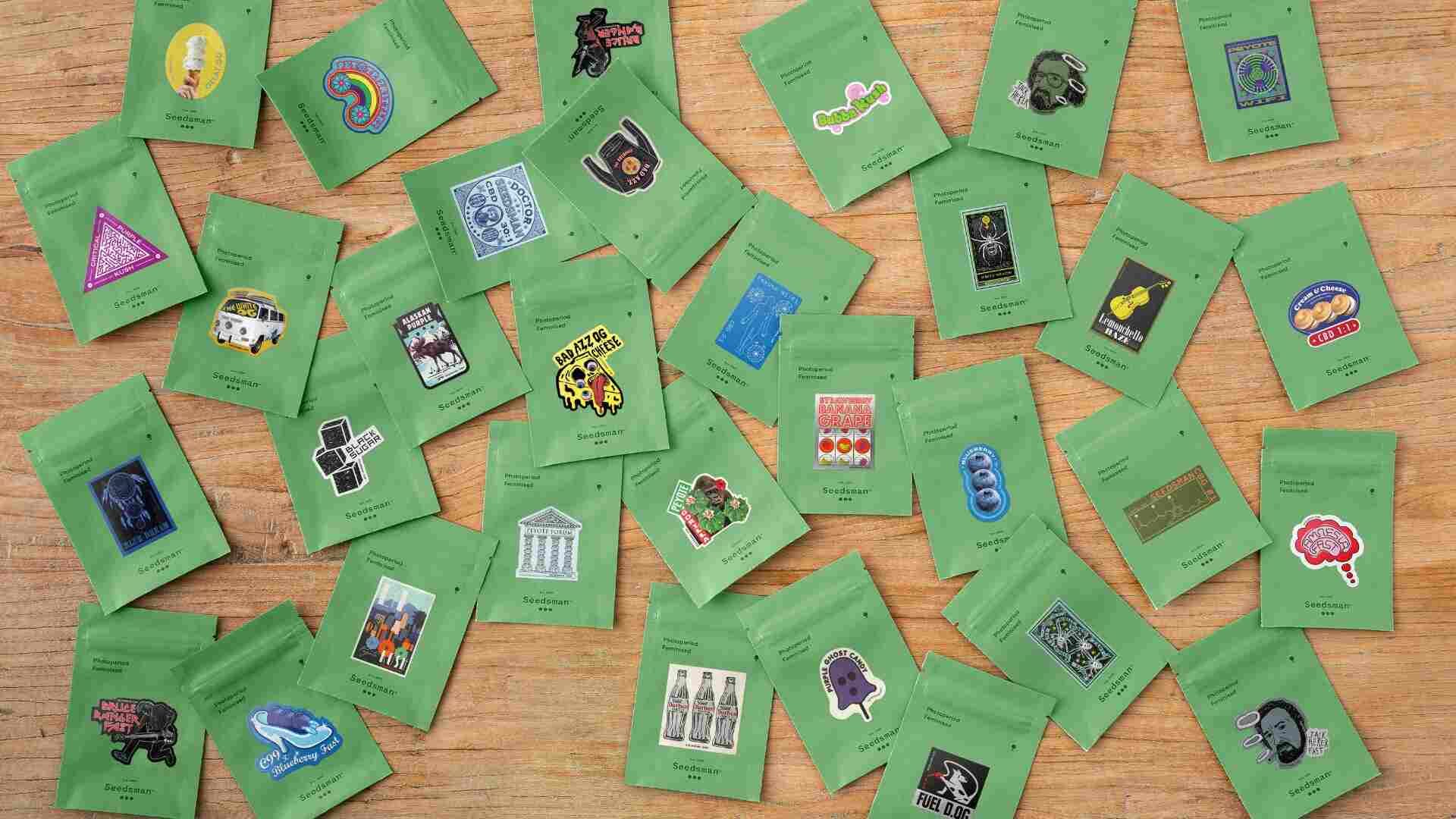
For those living in cool northern latitudes, choosing climate-resistant cannabis seeds with fast growth rates and shorter flowering times is key to a smooth growth cycle. Seedsman's Blue Dream FAST makes for a great weather-beater:
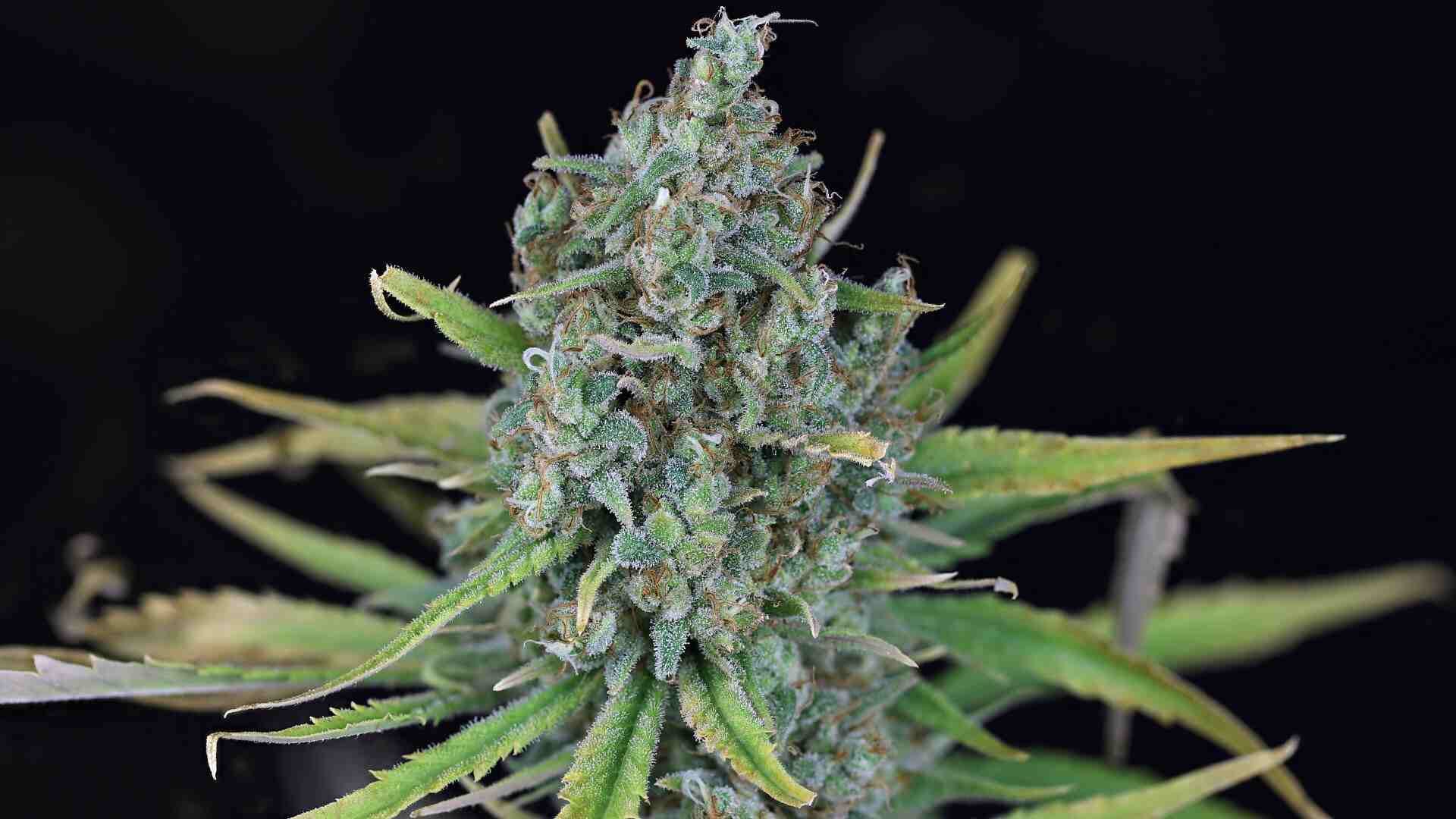


Seedsman's White Widow FAST strain, well-suited for beginners, can withstand various environments, making it a robust choice for outdoor cultivation.
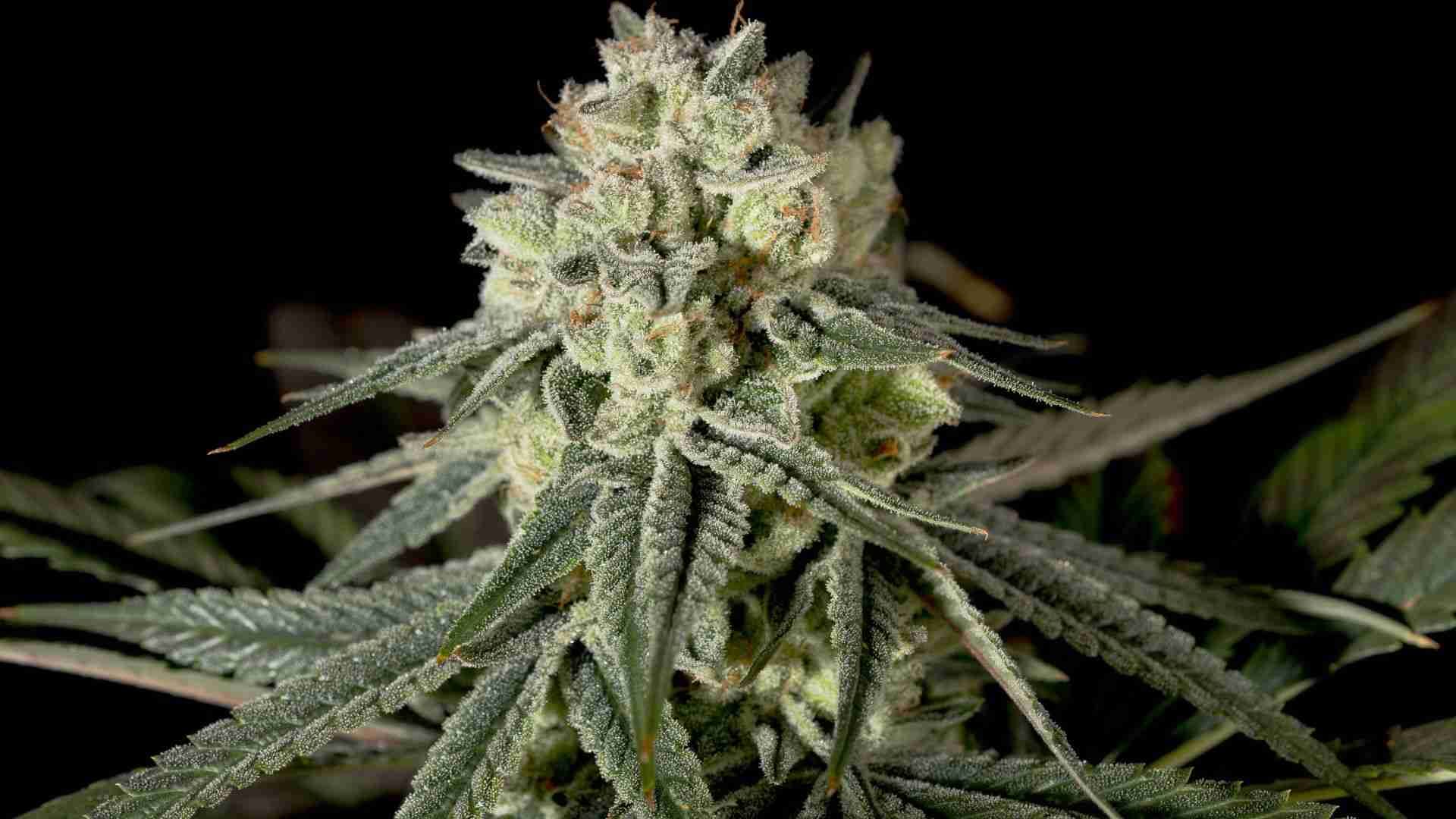
Fuel D.OG Feminized seeds, known for their balanced genetics, high THC content, and ease of growing, are some of the best feminized marijuana seeds perfect for outdoor cultivation. So, when you decide to buy feminized cannabis seeds for outdoor cultivation, these robust strains, including feminized marijuana seeds, should be on your list.
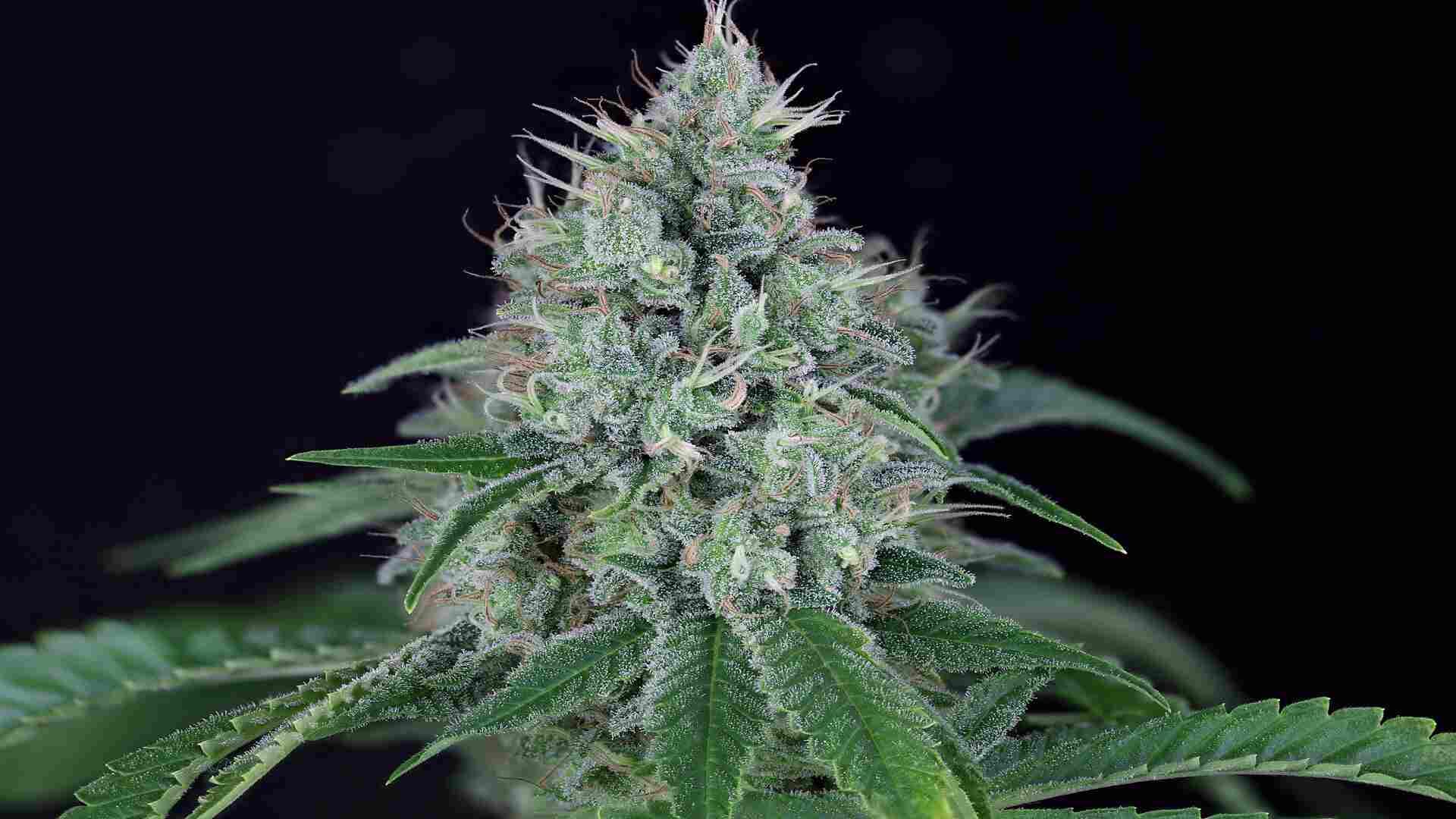

Climate significantly impacts outdoor cannabis cultivation. Selecting strains best suited to the growing region’s climate is essential. Cold climates with short summers demand strains with quick flowering times. Some strains that can withstand late frosts and are ideal for such conditions include:
Royal Cheese
Blue Cheese
Bubble Kush
Green Crack Punch
Alaskan Purple Auto
For warm-wet coastal climates, high-calibre Hazes, Sativa hybrids, are ideal. Hot, dry climates can support strains like:
Royal Haze Automatic
Northern Light Automatic
OG Kush
Sour Diesel
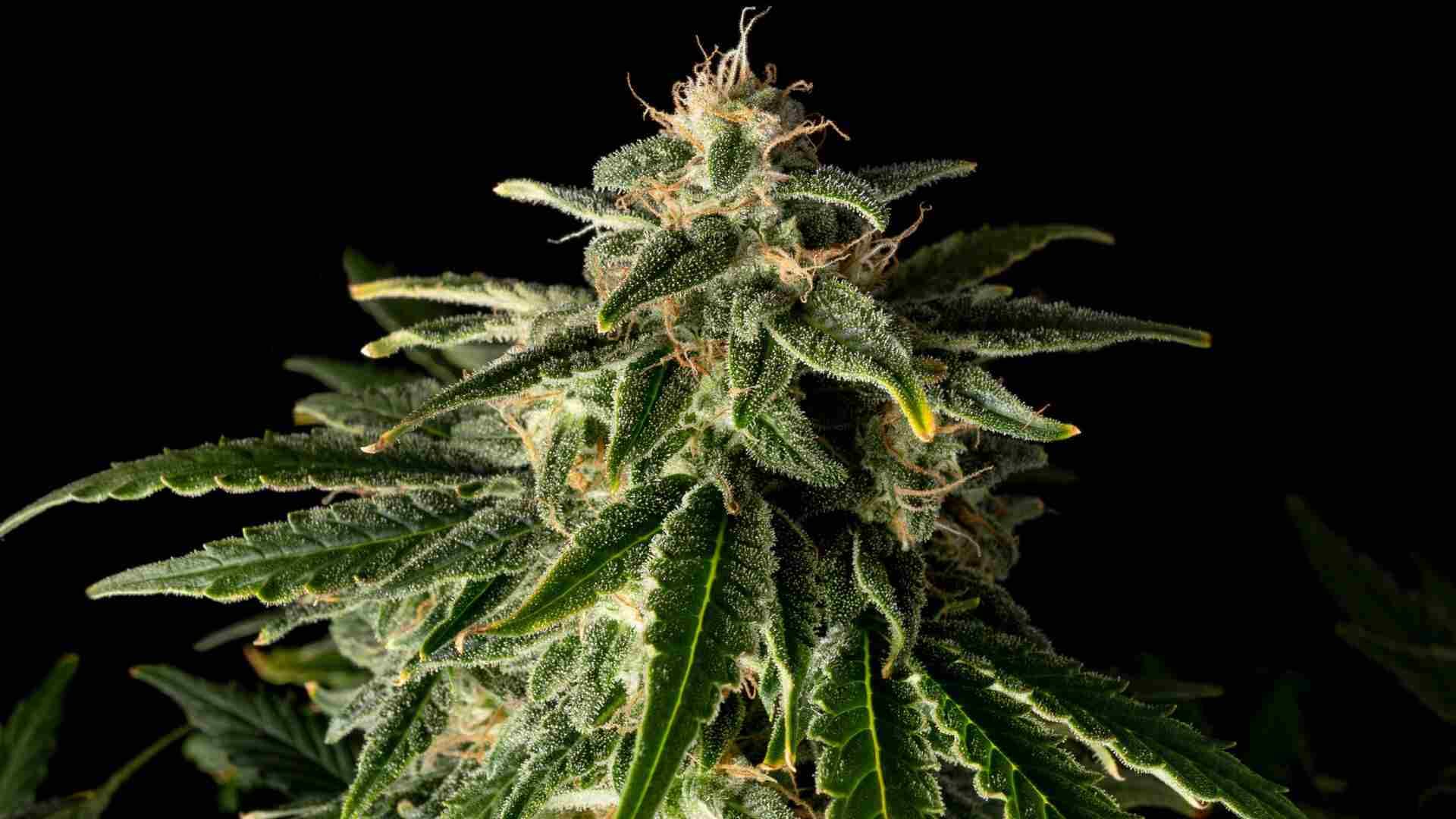

On the other hand, temperate climates are well-suited for White Widow and Runtz Feminized seeds. In humid conditions, strains like Amnesia Haze, known for thriving in hot and humid climates, are recommended. Thus, regardless of your region’s climate, there is a cannabis strain designed to prosper in your environment, rendering outdoor cannabis cultivation a viable venture for growers across the globe.
Top 10 Outdoor Marijuana Seeds for 2024
With the evolution of the cultivation landscape, specific outdoor cannabis seeds have gained prominence because of their unique features and advantages. OG Kush, famous for its stress-reducing effects and citrus flavor, tops the list, though it may be slightly more expensive than others.
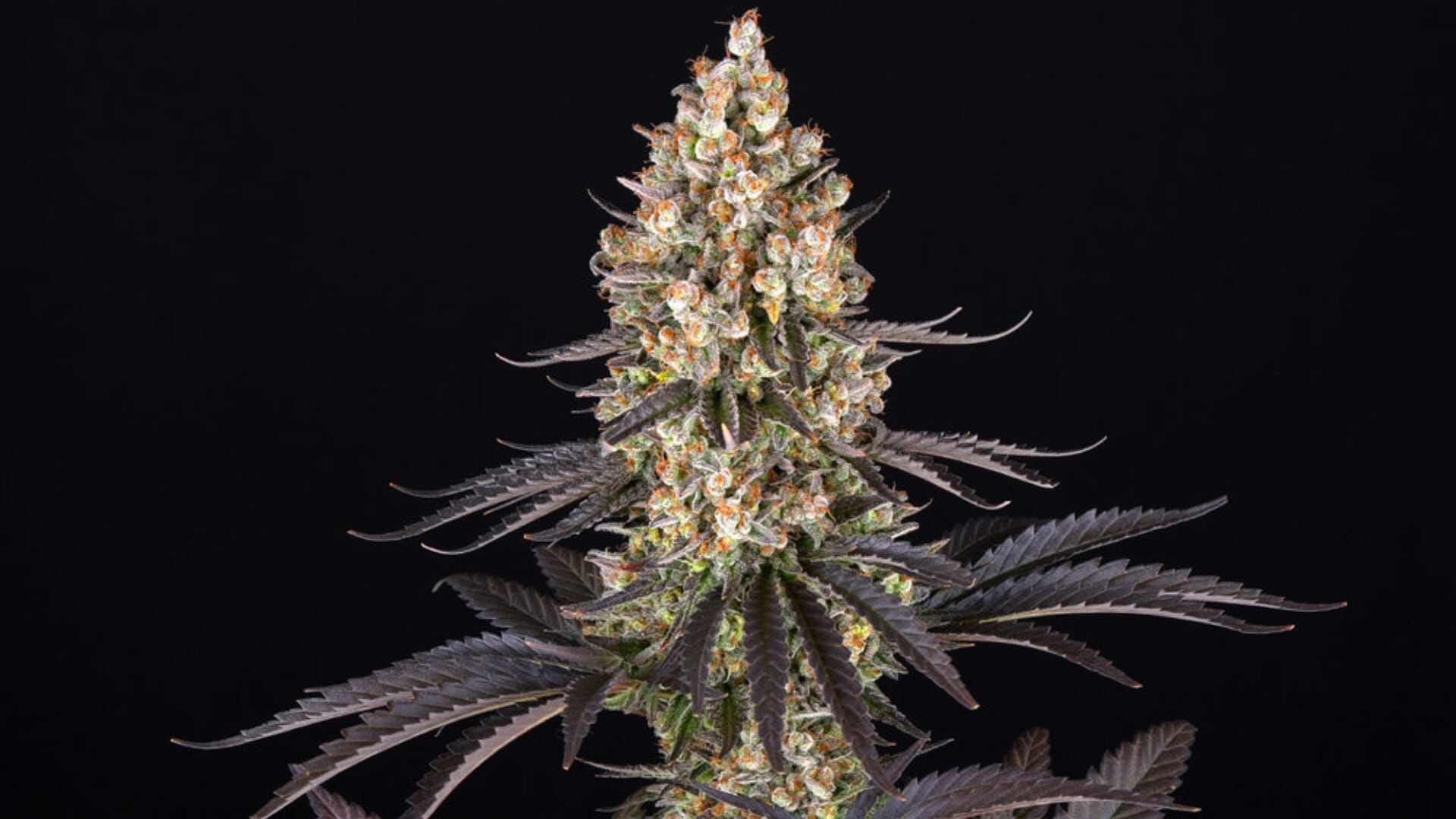


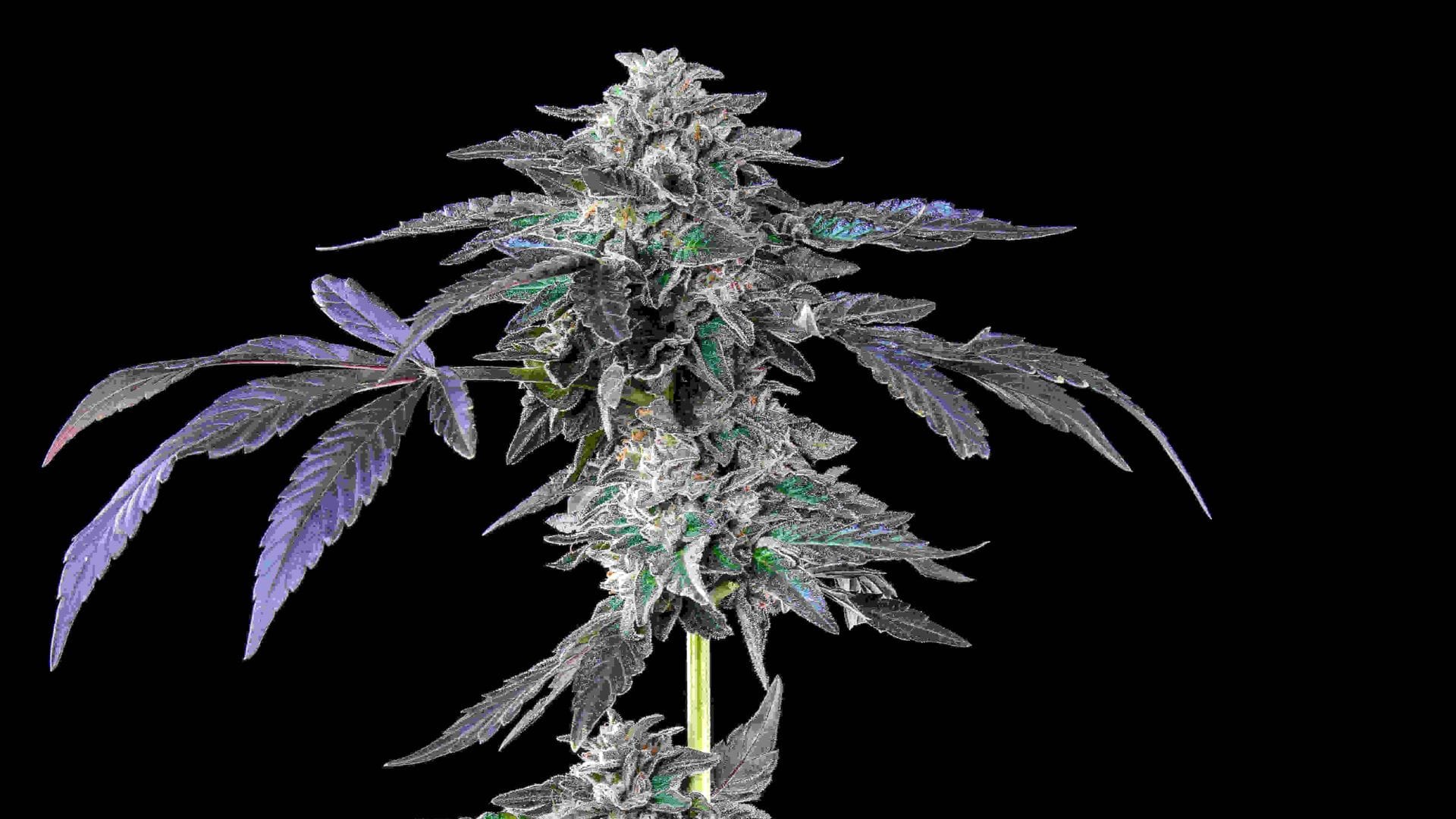
For growers seeking high THC content with notable yields, Banana Jealousy is a suitable choice. This strain is ideal for novices and boasts a vibrant appearance and a fruity flavor.
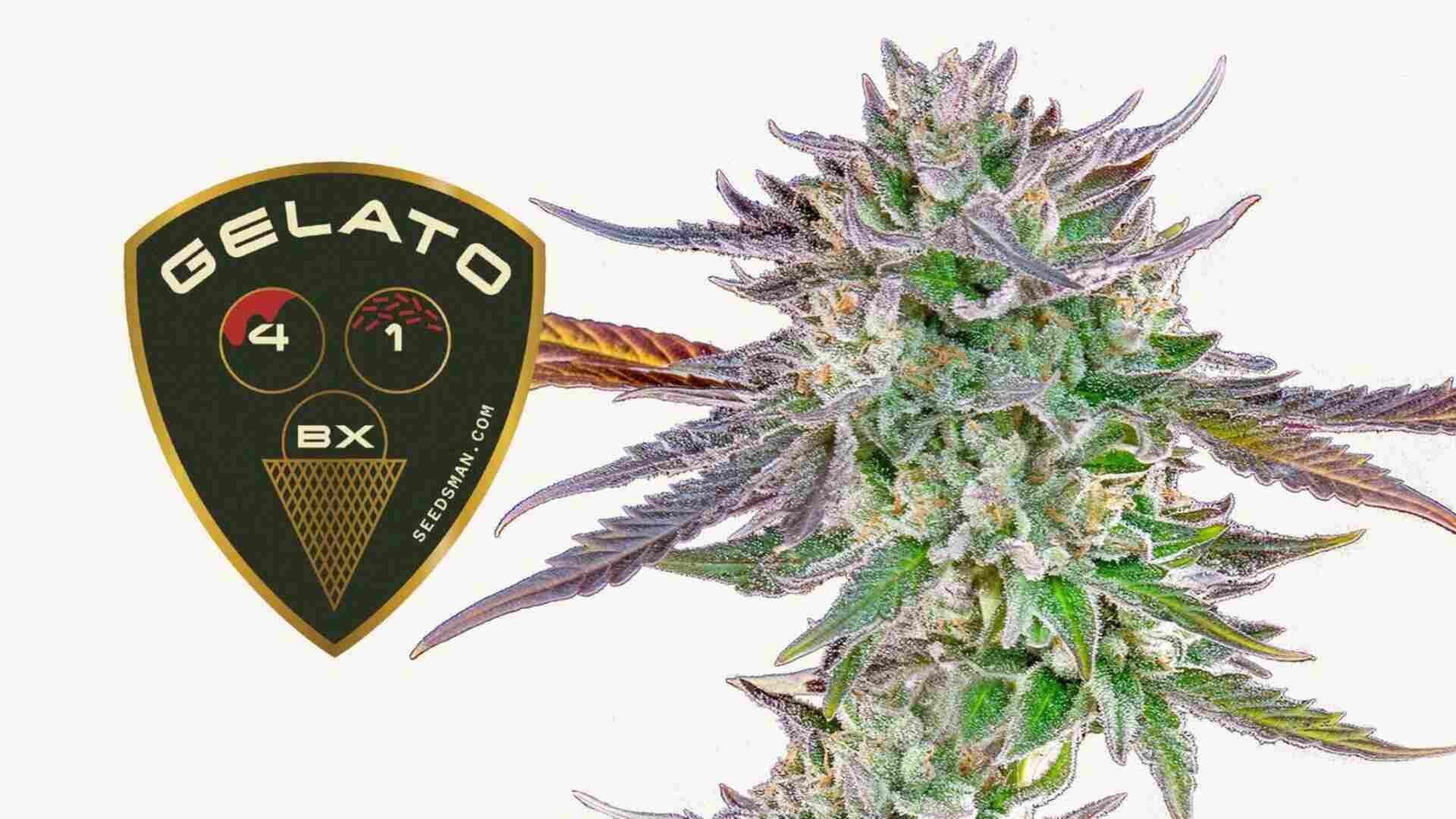
Jack Herer Feminized and Gelato 41 BX are among the highest-yielding feminized seeds, celebrated for their exceptional qualities. These female-only cannabis seeds, such as Jack Herer Feminized, are known for their sativa-driven euphoria and high resin production, offering very high yields in outdoor setups. Gelato 41 BX stands out among the best-feminized seeds with its high THC level, notable yields, improved mold resistance, and relative ease of cultivation.
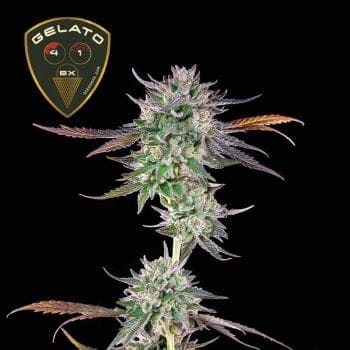
Other strains that make the top 10 list for their unique attributes and suitability for outdoor cultivation include pure sativa feminized seeds, such as:
Super Skunk
Gelato feminized
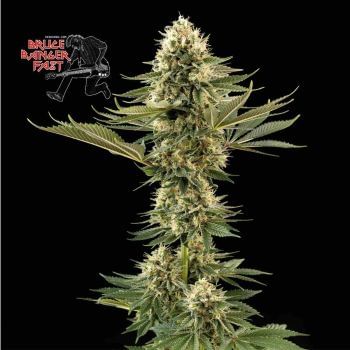
Bruce Banger FAST
Slurricane
Gorilla Cookies
These strains offer a variety of effects, flavors, and growth characteristics, providing options for every type of grower.
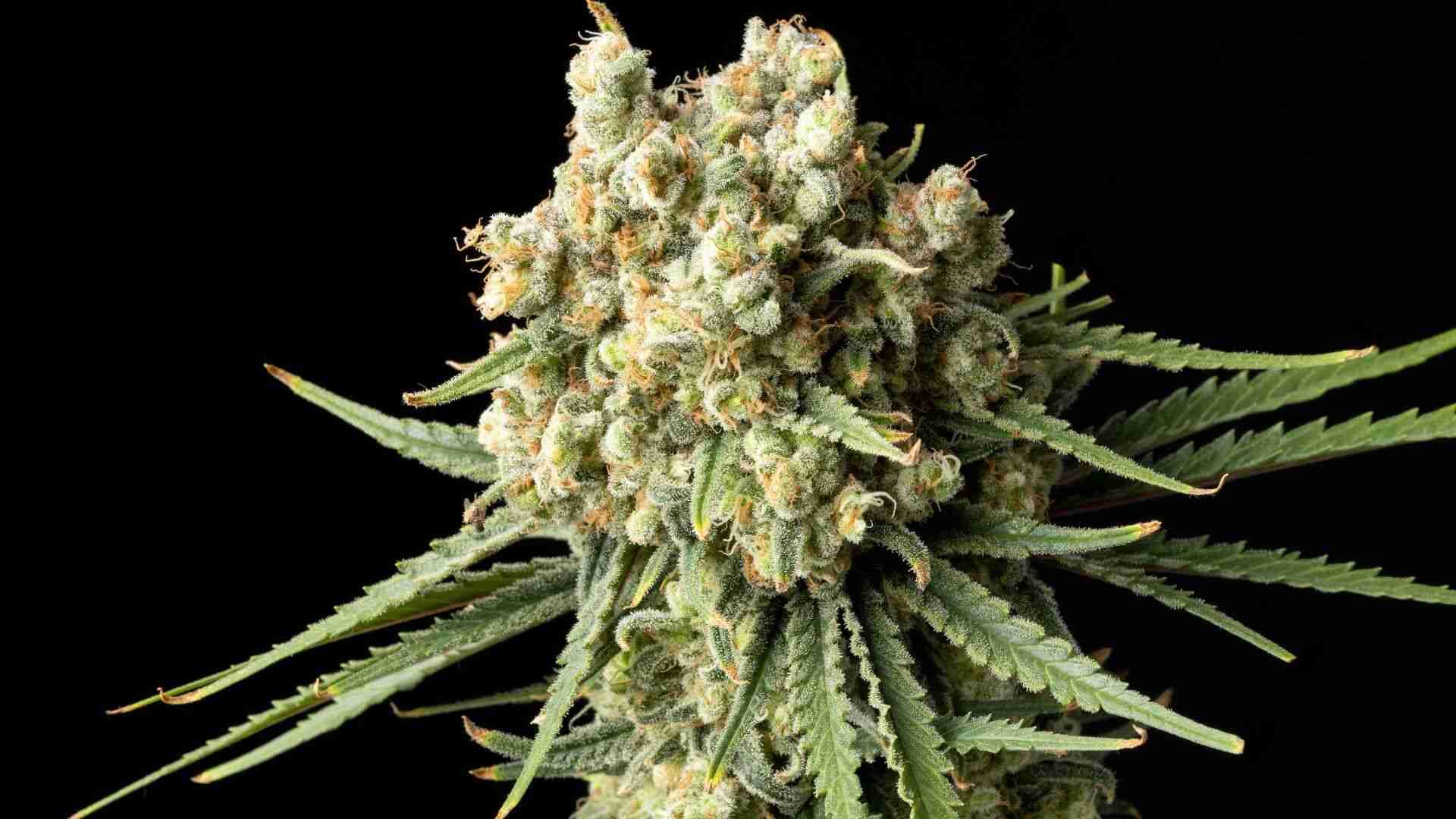
Indica vs. Sativa: Which is Better for Outdoor Growing?
Choosing between Indica and Sativa strains for outdoor cultivation can pose a dilemma. Indica strains adapted to harsh environments with fluctuating temperatures, are compact, have a short growing cycle, flower quickly, and produce dense buds. This makes them well-suited for outdoor cultivation with limited space.
However, the dense bud structure of outdoor Indica plants makes them susceptible to mold, particularly in humid regions, although they are resilient to temperature fluctuations. On the other hand, Sativa plants, originating from hot, dry climates, thrive outdoors given plenty of light and high temperatures. However, they grow taller with a longer flowering time.
Despite their height, typically outdoor Sativa plants have an airier bud structure, making them less susceptible to mold and excess moisture. Alternatively, hybrids can be an ideal outdoor choice, combining traits from both Indica and Sativa strains to result in plants that are:
- robust
- resilient
- versatile
- generally have shorter flowering times
Therefore, the choice between Indica and Sativa for outdoor growing largely depends on your specific growing conditions and personal preferences.
Autoflowering Seeds: The Hardy Choice for Outdoor Cannabis Plants
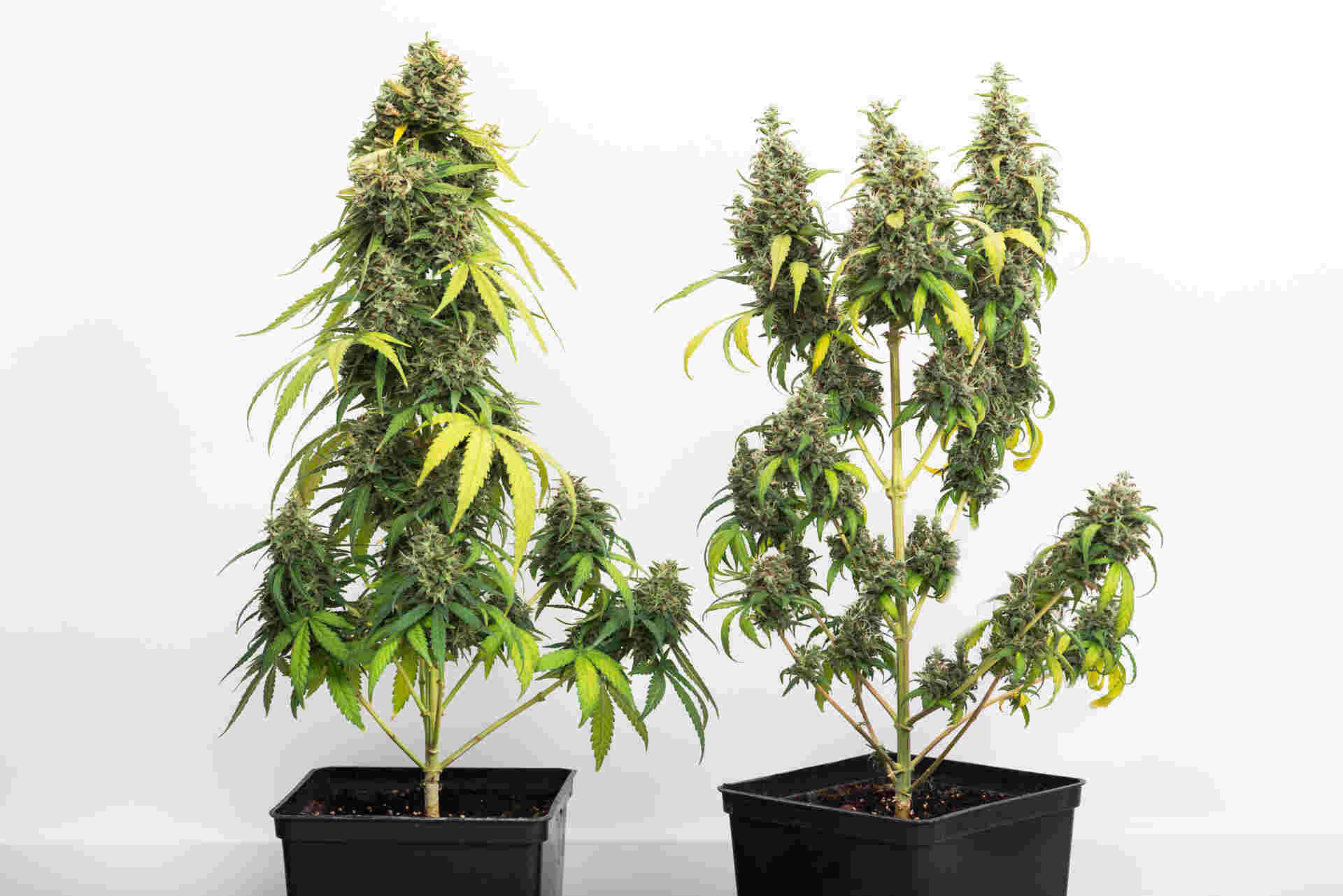
Autoflowering marijuana seeds are bred by crossing different types of cannabis, including Ruderalis, which is daylight-neutral. They grow well in various climates and resist common pests and diseases. This makes autoflowering feminized seeds a strong choice for growing marijuana plants outside.
Due to their genetic ability to flower automatically based on age rather than light cycle, autoflowering plants have several advantages:
- They can complete their growth cycle rapidly, allowing for several harvests within a single growing season.
- They generally demand less attention and daily maintenance compared to their photoperiod counterparts.
- Their compact size makes them suitable for growers concerned with space and privacy.
Many different autoflowering strains are available in the market, allowing growers to select plants based on personal preferences such as plant size, flavor profile, and cannabinoid content, further enhancing their suitability for outdoor cultivation.
Thus, for those seeking resilient, rapid, and easy-to-grow options, autoflowering seeds are an ideal choice for outdoor cannabis cultivation.

Pest and Disease Resistance: Ensuring a Healthy Crop
Choosing strains that possess a high degree of pest and disease resistance is essential for the vitality of your crop. Among the top feminized seeds recognized for such robustness are:
White Widow feminized
Special Queen
Medusa
Hyperion
Milky Way
These varieties boast genetic compositions that confer enhanced resistance to pests and diseases. Opting for disease and pest resistant varieties only marks the beginning. Maintaining proper plant spacing, rotating crops, and avoiding stress factors like extreme temperature fluctuations or improper watering techniques can all help to prevent disease and strengthen plant defense.
Employing Integrated Pest Management (IPM) tactics, including the use of biological controls as well as beneficial insects—such as ladybugs and lacewings—or organic solutions like neem oil or insecticidal soaps are environmentally friendly ways to keep pest populations in check.
Regular inspections for signs of pests or disease, coupled with a thorough cleaning and sterilizing of cultivation tools and areas, are critical sanitation measures that help prevent the introduction and spread of pathogens among outdoor cannabis plants. These efforts and choosing hardy strains can enhance your chances of achieving bountiful harvests.
Maximizing Yield Potential: Tips for Outdoor Growers
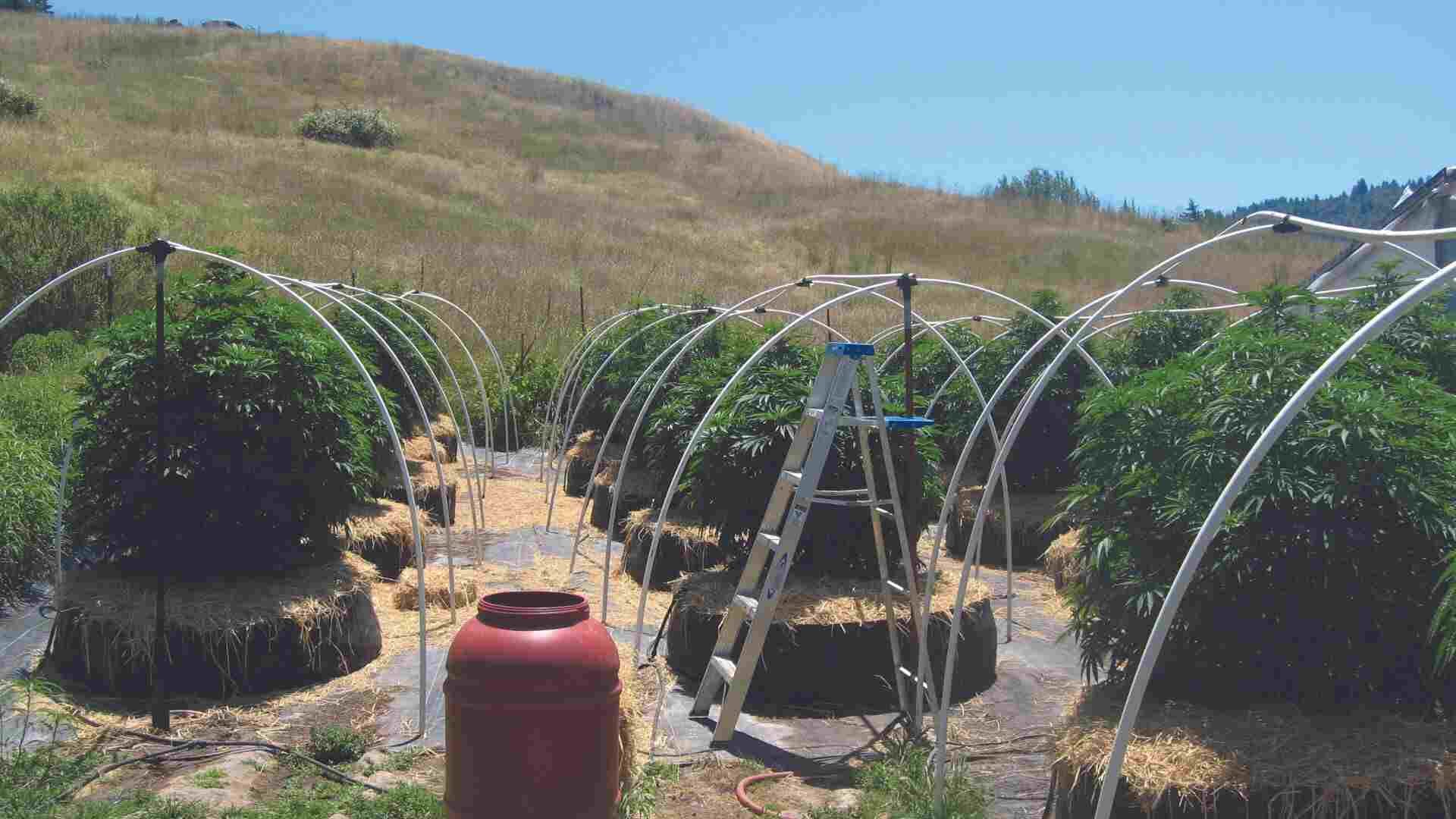
For outdoor cannabis plants to reach their full yield capacity, careful planning and diligent application of your best gardening practices are essential. Outdoor autoflowering varieties can thrive under various lighting conditions. Yields will be higher if the plants get ample (more than 5 hours) direct sunlight. Planning for optimal exposure to sunlight can thus improve the crop's yield and strength.
Enhancing plant health and increasing nutrient absorption can be achieved by providing proper nutrition and incorporating beneficial bacteria and fungi into the soil, elevating potential yields. When growing autoflowers outdoors, selecting an appropriate container size and material is critical. Using felt air-pruning pots encourages robust root growth that supports stronger plants capable of yielding more efficiently.
To effectively water autoflowers, one must maintain ideal soil moisture levels. Implementing pruning methods and training techniques boosts light penetration through the canopy while enhancing air circulation within it; these measures contribute significantly toward increasing overall yields. Following such guidelines allows outdoor cultivators to optimize their output from each cannabis plant they nurture.
Harvesting and Curing: Reaping the Rewards of Your Outdoor Grow
The final phases of cultivating cannabis outdoors, specifically the harvesting and curing process, are crucial for ensuring that your cannabis plants achieve their highest quality. It is best to harvest outdoor-grown cannabis when a majority of trichomes have become milky in appearance, with a few turning amber, as this indicates peak maturity and enhances both potency and yield.
About one week before you plan to harvest, it’s important to stop feeding nutrients to the plants. Harvesting should be done early in the morning or at night during cooler temperatures, typically from early September through November in the Northern Hemisphere. After cutting down your plants, you must proceed with careful drying, which includes keeping them:
- In an environment devoid of light
- At controlled temperatures ranging from 60-70°F
- With relative humidity maintained in the 55-65% range
All while preventing any loss in potency by shielding them against harmful ultraviolet (UV) rays.
Once buds dry adequately, as evidenced by stems snapping rather than bending, usually occurring between two days up until a week, they’re ready for curing. Place these buds inside sealed containers for fourteen days to one month. This step enhances flavor profiles and aroma through the gradual degradation of chlorophyll. Open the containers occasionally during the first seven days (known as burping) to help expel excess moisture and introduce fresh oxygen into the jars. Cannabis that has been cured meticulously can remain potent for many months if stored correctly.
Keep it in an air-sealed container placed somewhere cool and dark where it could last for about two years with minimal cannabinoid profile degradation. Ensure excessive heat is avoided since high temperatures may dehydrate cannabinoids along with terpenes contained within your product.
Organic Outdoor Cannabis Cultivation: A Sustainable Approach
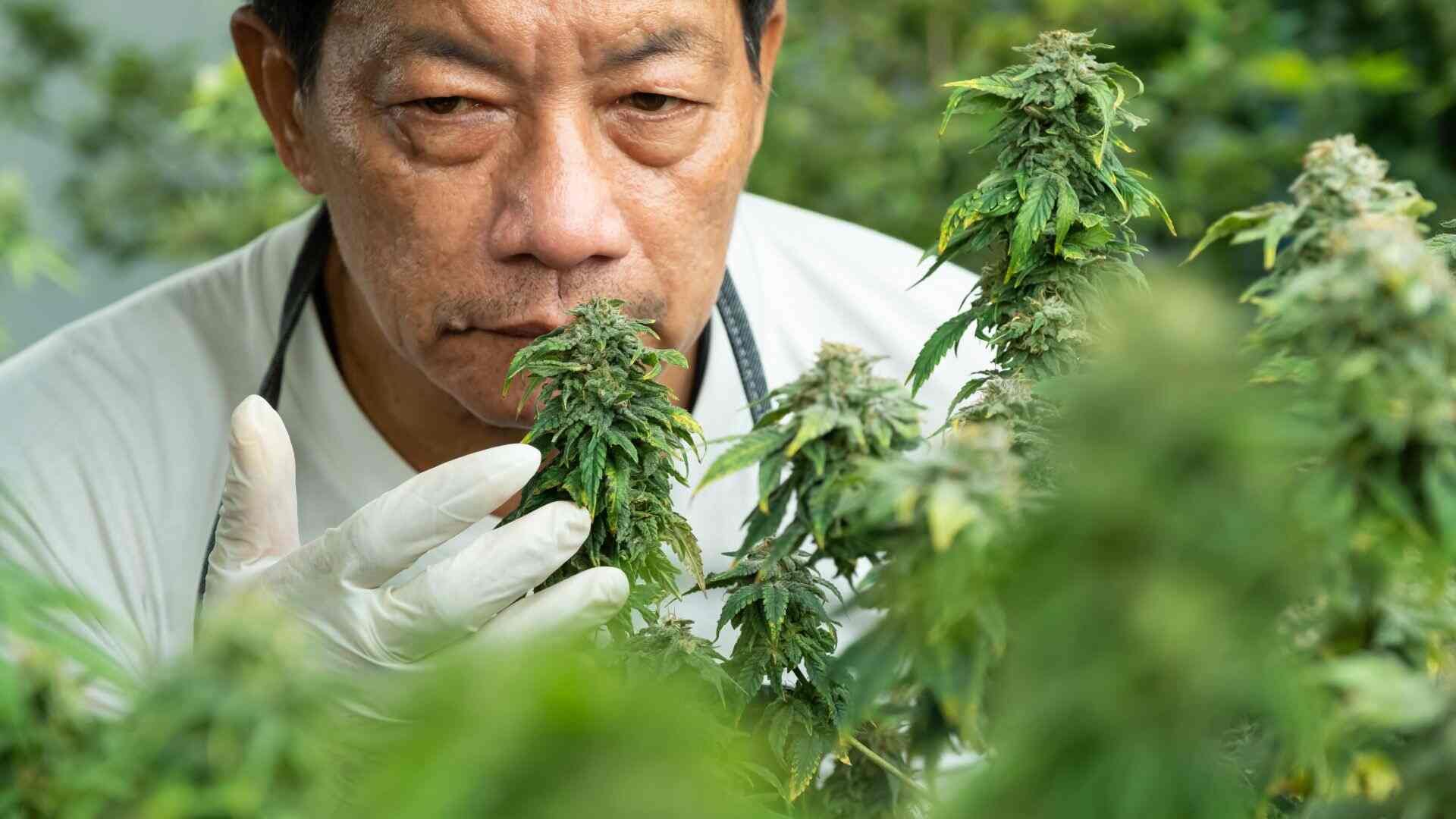
The practice of cultivating organic cannabis is centered on an environmentally conscious methodology that also enhances the health benefits for those who consume it. This cultivation method explicitly excludes the use of man-made fertilizers and pesticides, leads to a broader and richer terpene profile, and offers consumers a more varied range of effects due to how terpenes interact with cannabinoids.
The foundation for growing high-quality organic cannabis lies in using soils teeming with microbial life. These soils supply the nutrients needed to form intricate hydrocarbon chains essential for developing distinct terpene profiles – an aspect that has gained increasing appreciation among connoisseurs. Organic farming methods are rooted in sustainable practices such as creating compost on-site to enrich soil fertility, employing cover crops, rotating crops regularly, and integrating indigenous plants—all aimed at enhancing soil vitality while conserving biodiversity and aiding local wildlife habitats.
Ensuring the successful growth of outdoor organic cannabis plants requires meticulously prepared earth—a substrate that allows adequate drainage, contains ample amounts of organic material, and maintains a mildly acidic pH ranging from 5.5 to 7.0.
Growers dedicated to this organic horticulture work closely with neighboring communities toward conservation. They are also required by law to adhere strictly to regional water usage policies and responsibly manage agricultural waste products according to their region’s legal standards relating to environmental safeguarding regulations.
Legal Considerations for Outdoor Cannabis Growing
The legality of cannabis cultivation varies across U.S. states, each with different regulations on outdoor growing. Despite state laws, cultivating cannabis on federal land, including national parks, remains illegal due to overriding federal prohibition. In California, residents over 21 are allowed to grow up to six plants at home for personal use. However, local city or county laws may impose more stringent constraints on cannabis cultivation than the state’s regulations. Some localities necessitate permits for growing cannabis and may restrict outdoor cultivation altogether, pushing growers to cultivate indoors.
Prospective outdoor cannabis growers must:
- Verify local zoning laws to confirm growing is acceptable in their chosen area
- Adhere to setback requirements which dictate the necessary distance from neighbors, roads, and public spaces for cultivation sites
- Review local regulations and secure any necessary permits before initiating an outdoor cannabis grow
Medicinal cannabis patients may have the leeway to grow more plants if their physician recommends it for their treatment. If cultivating on land not personally owned, growers are required to obtain written permission from the landowner.
Summary
Delving into outdoor cannabis cultivation presents a diverse array of decisions, obstacles, and benefits. Selecting the optimal seeds is just the beginning. One must also grasp the intricacies of cultivating Indica, Sativa and Ruderalis cannabis strains. Utilizing auto-flowering seeds can simplify the experience and allow you to harvest earlier.
Each phase offers a chance to acquire new insights and improve your craft.
You have everything you need to start your outdoor cannabis growing adventure, whether it's for personal enjoyment or business purposes, thanks to the knowledge this guide has imparted.
Jorge Cervantes' Unmatched Expertise in Cannabis Cultivation
Jorge Cervantes, with his decades of pioneering work in cannabis cultivation, stands as a beacon of knowledge and trust in the cannabis community. His extensive field research, spanning across continents, has culminated in the publication of seminal works such as "The Cannabis Encyclopedia," which has become an indispensable resource for both novice and experienced growers.
Incorporating Evidence-Based Data to Understand Best Outdoor Cannabis Seeds
Based on Jorge Cervantes' comprehensive research and publications, this guide emphasizes evidence-based cultivation techniques that enhance yield and plant health in outdoor cannabis gardens. Cervantes' work, characterized by its meticulous attention to detail and empirical validation, provides a solid foundation for the recommendations. By aligning our cultivation advice with Cervantes' proven methods, we aim to elevate the article's trustworthiness, offering readers a pathway to successful cultivation practices grounded in scientific research and real-world testing.
Frequently Asked Questions on Cannabis Seeds for Outdoor Grow
What cannabis grows best outdoors?
Resilient outdoor cannabis strains are the best for growing outside, as they can withstand various environmental conditions.
When should I start germinating cannabis seeds for outdoor growing?
It would be best if your outdoor seeds germinating for your outdoor cannabis planting in the spring, ideally around the first full moon of March.
Is there a difference between indoor and outdoor cannabis seeds?
Indeed, outdoor cannabis seeds differ from their indoor counterparts in that they often result in larger plants with greater yields, utilizing less electrical and overall energy. This efficiency can easily lead to a production increase of more than double when compared to the yield of indoor cannabis plants.
What is the highest-yielding strain outdoors?
An Indica variety stands out as the most productive strain when cultivated outside and is renowned for its superior performance in outdoor conditions.
What are autoflowering seeds?
Developed by crossbreeding different cannabis species, autoflowering seeds are daylight neutral, they start flowering after about three weeks regardless of the length of days or nights. Autos give rise to plants that can withstand diverse weather conditions and are less susceptible to typical dangers such as pests and mold. This makes them especially suitable for growing outdoors.