


Hydroponics is the art of cultivating plants, sometimes without soil, and delivering their nutrient requirements via custom-formulated liquid nutrient solutions. This results in a balanced diet given at regular intervals.
Cultivating crops commercially is usually done using hydroponic techniques because it allows precise control over the feeding process whilst creating a sterile starting point, which, for example, is important when cannabis is being produced for medical uses.
All hydroponic systems tend to have a nutrient reservoir with pumps on timers to feed the crop at set intervals throughout the day. The nutrients are usually mineral-based blends with a nitrogen-dominant recipe for growing and a potassium and phosphorus-dominant recipe for flowering/fruiting plants.
Hydroponic Grow Medium
A suitable hydroponic grow medium comes in many forms. Many are said to be inert (contain no nutrients, or are chemically inactive) whilst being light and airy, and hold water. There is a wide range of appropriate media such as tree bark, peat and moss, small foam cubes, rock wool or expanded clay rocks. But the most popular growing medium, by far, is coconut coir.
Coconut Coir
Coir is a byproduct of coconut harvesting. The outer husk is fibrous and has a perfect air-to-water ratio, meaning it can never be saturated like soil can. It will always contain at least 30% air content because 30% of the fibres are water repellant.

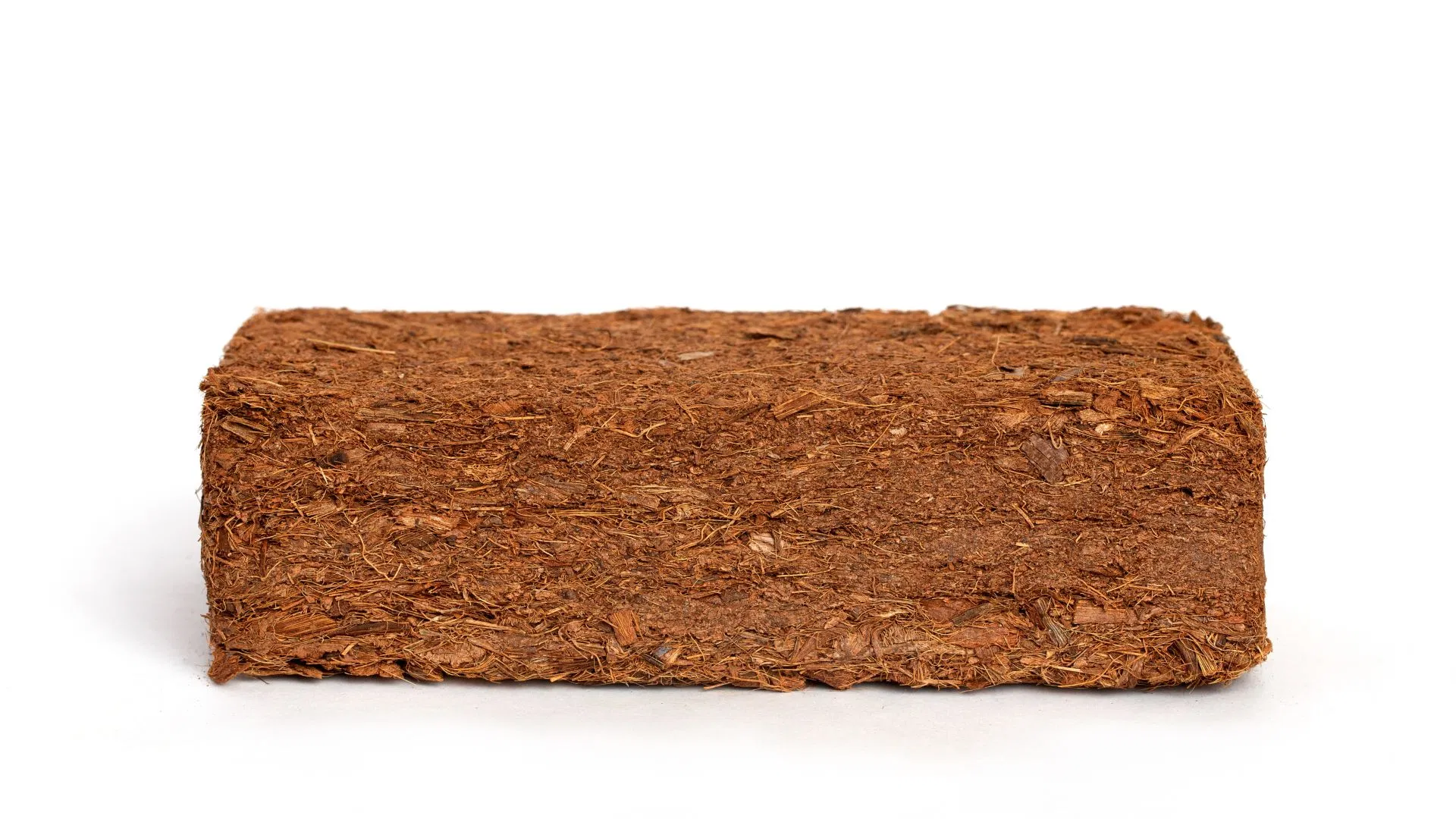
Various grades are created during the processing of coir, from fine coir peat to thick croutons. Coir insulates the roots from temperature extremes and has a good CEC (cation exchange capacity) rating. This means that it can hold onto nutrients and release them to the plant between feeds, increasing nutrient availability and efficiency.
A lot of the solution is held within the pot, available for the plant to use between feed cycles and doesn’t simply run straight through and be wasted.
Buffer your Coir
The only negative about coir is that it can contain a high sodium level. It’s recommended to flush this away and replace it with beneficial minerals, otherwise it will steal them from your first feeds. Most coirs are buffered but making sure can only be helpful to your results.
Rockwool
As the name suggests, this is created when basalt rocks are heated to extreme temperatures in a furnace and streams of air are blown through them, resulting in separating the layers of molten rock to create a textile-like structure that retains moisture and air. Alternatively, they are spun in a custom machine that spins molten rock, similar to how candy floss is made.
The end product is then cut into the required size. The method used to layer the spun rock fibres and the density in which they are laid determines the end product's water-holding characteristics. This enables rockwool to be produced to suit a huge range of commercial crops, from light and airy to dense and wet. The moisture gradient difference between the top and base layers of rockwool is what makes it ideal as a hydroponic medium.

A properly irrigated rockwool slab will retain plenty of moisture within the bottom 35% of the slab and be almost dry towards the top. This facilitates explosive rooting and means the plants can easily draw moisture from the slab even when the moisture content is low. Rockwool is available in many products, from propagation cubes for clones and seedlings to cubes of various sizes and even 1m long slabs.
Rockwool should be drained before use; do not squeeze dry it, or you ruin the open pore structure, which is its main advantage. Rockwool must also be pre-treated before use because it has a pH of 9.0! Before use, soak in a solution with a Ph. OF 4.0 for 12 hours = ph. 6.0.
Expanded Clay Correls
These are manufactured by baking small clay balls at high temperatures, which expand before consolidating into a hard, lightweight clay ball with a honeycomb-like structure.
This is perfect for aeration and for beneficial microbe colonies. They retain water and are used to improve the texture of other grow mediums like soil or coir. Besides aiding drainage in pot culture, they are primarily used in flood and drain, aeroponics or deep water culture systems.

Several more substances are used as hydroponic growing mediums, such as perlite or sphagnum moss.
Water Quality
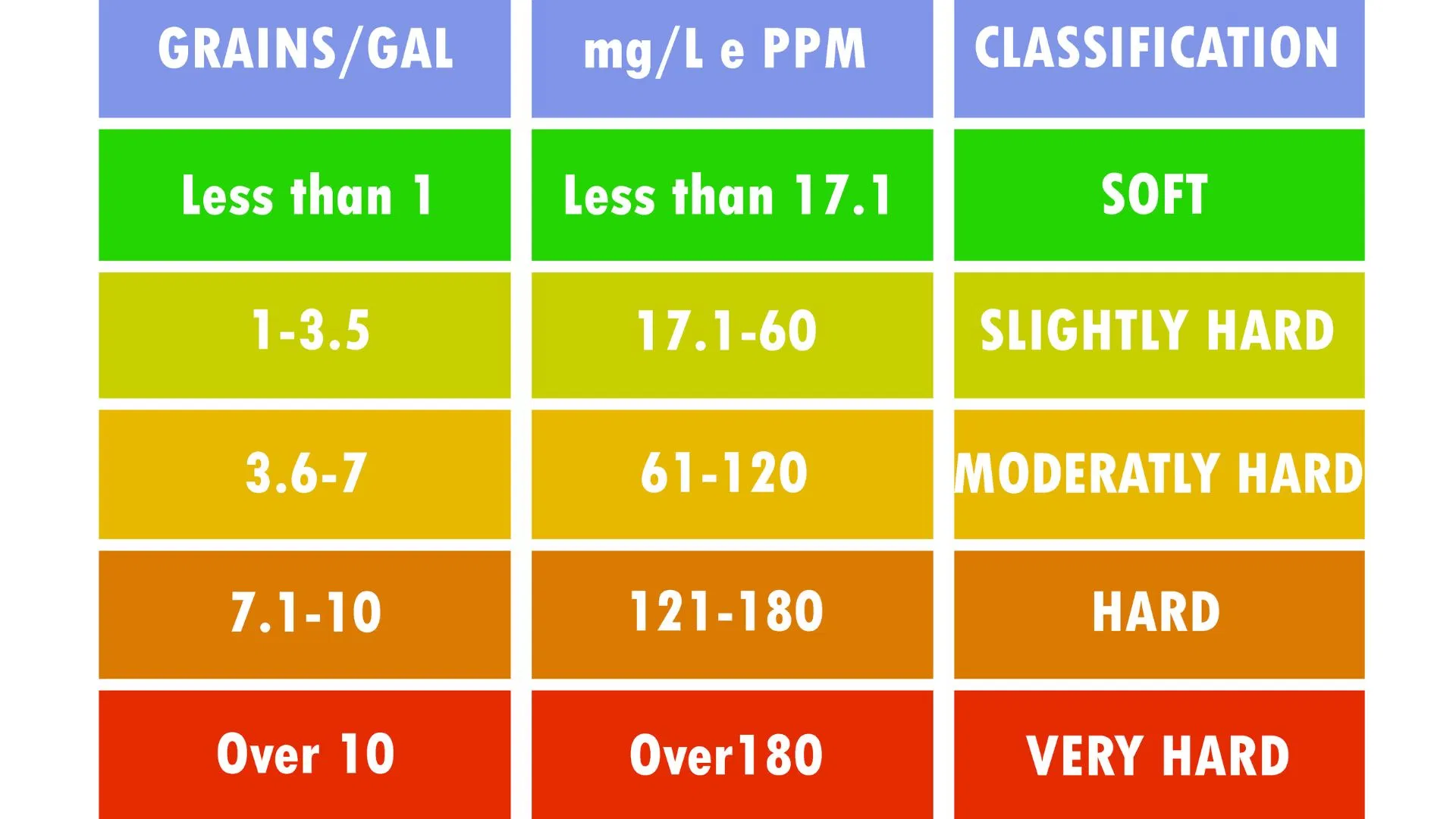
Trace minerals in the supply water can vary greatly at different sites: hard water contains higher levels of minerals, and soft water has lower concentrations of minerals.
Hard Water
If you are growing in hard water, the pH tends to rise towards 7.0 because of the higher bicarbonate levels. If using hard water, mixing your fresh reservoir to a pH of 5.2 will neutralise the bicarbonates and stabilise the pH, resulting in a gradual rise in pH over days instead of hours.
Soft Water
When mixing your reservoir using soft water, it is best to set the pH to 5.8 and let it drift to 6.2 before adjusting back to 5.8. Soft water tends to drop to pH 4, so you should adjust the pH using a strong alkaline solution (a high pH solution) often called pH UP, which increases soft water's buffering capacity resulting in a higher pH.
pH Management
pH Management Nutrient solutions are made up of blends of minerals. When mixed with water, each of these minerals has its own pH, ranging from pH 3.0 to 9! So, blending a nutrient solution is a balancing act. In chemistry, pH stands for Potential Hydrogen and is a measure of how acidic/basic water is. The range goes from 0 to 14, with 7 being neutral. A pH value of less than 7 indicates acidity, whereas a pH of greater than 7 indicates a base.
When mixed to the recommended concentration, a well-balanced nutrient solution will have a stable pH. However, in a recirculating system, it will drift towards pH 7.0 due to the exposure to air, and the plants’ roots themselves which excrete compounds, collectively making the pH rise.
Then in the bloom stage, the opposite happens, and the plants excrete acidic compounds, causing the pH to slowly lower and become more acidic. When using well-formulated grow and bloom feeds, this is taken into account to try to balance the pH.
Too low pH (below 5.2)
Don't let your pH get too low as aluminium, iron, and manganese can become more available, resulting in your plants consuming toxic amounts of these elements. This will result in over-fertilization and nutrient lockout.
Too high pH (above 7.8)
If your pH rises above 7.8, you will notice white clouds forming in your reservoir. This is your calcium falling out of the solution; the process is called precipitation.
Once this happens, your precipitated minerals are rendered unavailable to your plants. Your nutrient solution pH will become erratic as its buffering capacity is reduced, and your minerals are now unbalanced.
Adjusting pH
Several chemicals are used as pH adjusters, with the most popular being:
pH Down (acid) - phosphoric acid 89%
This is the most popular pH Down product and is super concentrated. You MUST be very careful with this as a little can make a big difference to the pH, especially in small reservoirs or bucket batches. A handy tip is to keep a 500ml empty soda bottle, diluting 50 ml, and topping it up with water for a more gentle adjustment solution.
pH UP (alkaline) - potassium hydroxide
Add this in small amounts to raise the pH of your solution. It is unlikely you will need this in usual grow situations. But if you use it, a good idea is to dilute it into 500ml of water before adding it to your reservoir. Doing this will avoid localised precipitation.
Nutrient Strength EC
As well as balancing the acidity (pH), the nutrient solution strength must be monitored and managed to keep within an ideal range for your crop. The more nutrients (salts) added to the water, the higher the conductivity will be.
EC (Electrical Conductivity)
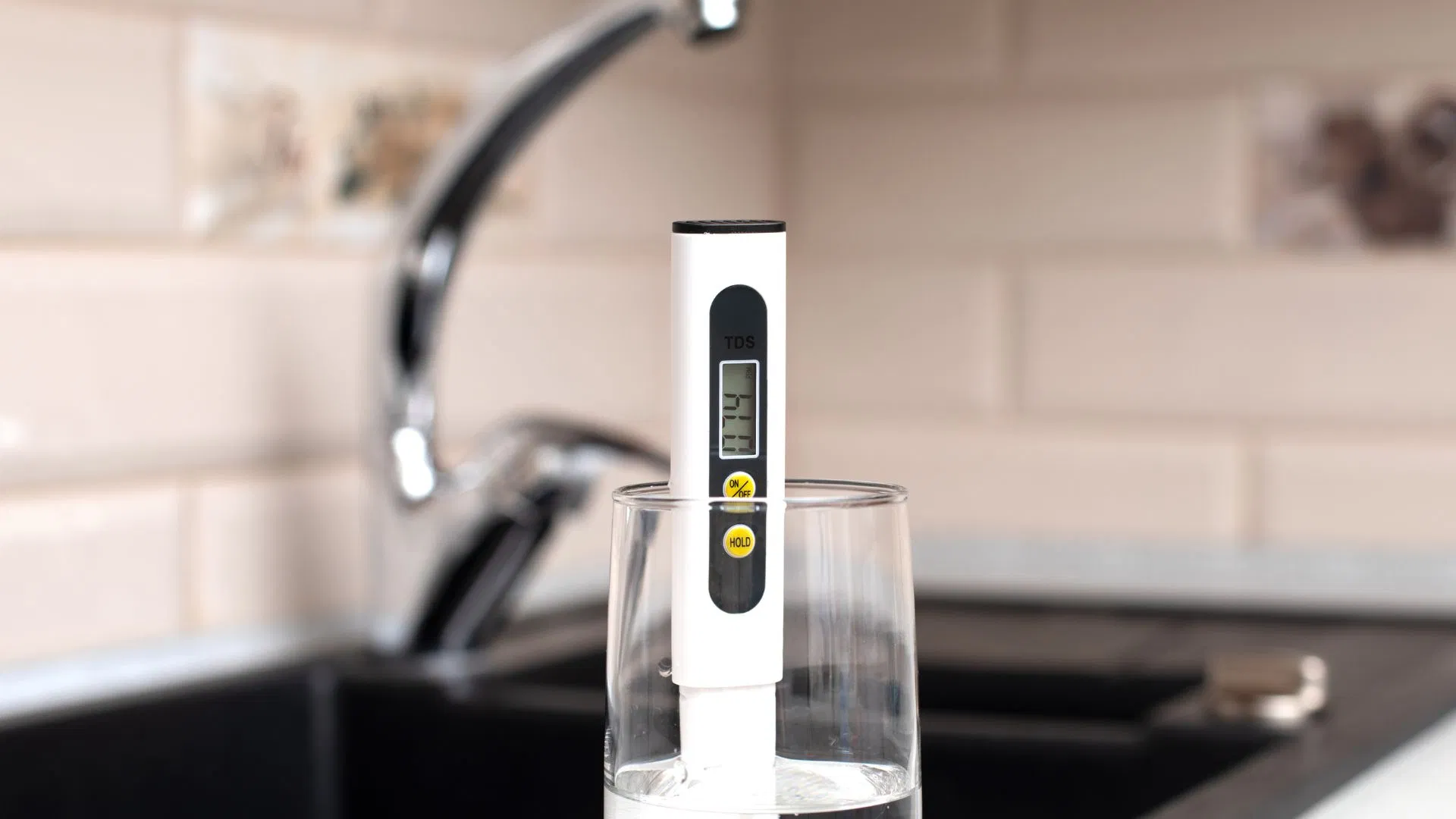
The amount of minerals in your nutrient solution is measured by an EC pen, 6, which measures a small electrical current between 2 points to determine nutrient strength. This is measured in mS/cm, or millisiemens per centimetre.
TDS stands for Total Dissolved Solids and is measured in PPM, or parts per million.
On top of that, there are three different conversion factors to determine TDS, and different manufacturers use different conversion factors.
EC - Electrical Conductivity standard: mS/cm ,or millisiemens.
PPM (Parts per MIllion):(ECx700) - this is the same measurement method but converted to display the concentration in parts per million parts of water. 140ppm is 0.2 EC.
TDS (Total Dissolved Solids) Uses the ppm (EC x500 conversion factor), so if you use a TDS pen, 100ppm is 0.2 EC.
Maintaining ideal nutrient strength for the crop you are growing is essential. Each species of plant has an ideal nutrient requirement.
Ensuring you stay within your plants' ideal range will save over-feeding your plants and stunting growth
Too many accumulated minerals in your grow medium will become acidic, damage your roots, and throw your runoff solution out of balance. This is especially important if you are recirculating your nutrients back into your reservoir. Don’t stress too much over the detail. Just get an EC pen or truncheon: it is a valuable tool for diagnosing nutrient/fed/water problems. It’s always wise to monitor input and output EC and pH values to really understand what is happening at the root zone.
If you really want to learn hydroponics, invest in some good test equipment. Don’t choose the cheapest available; it’s a false economy if it costs you a crop because your pH was off all the way through. Buy quality, keep it clean. These tools will be your friends.
Recirculating Hydroponics
There are two nutrient management methods used in hydroponics:
Recirculating Run to Waste
Recirculating Systems
With this system, you will fill your reservoir with nutrient solution, and after each irrigation cycle, the excess runoff water is returned to the nutrient reservoir. This method needs regular checks and adjustments to the pH and EC to keep them within the ideal range.
In commercial setups, these systems will be computer monitored, topped up, and dosed with nutrients and pH adjustment solutions after each irrigation 7 cycle. It’s worthwhile topping off regularly and adjusting your EC and pH manually in the hobby situation.

Advantages of this system are cost and water-saving. Growing crops in a recirculating system are one of the most water-efficient methods available and use the minimum amount of nutrients when compared with the run to waste. The disadvantage of recirculating is the constant requirement to readjust your EC and pH each day after multiple irrigation cycles have returned unbalanced waste nutrients back to your reservoir.
After each irrigation, your plants take minerals from your solution, so the waste solution becomes out of balance. It must be managed well or totally replaced and refreshed regularly to ensure your plants receive balanced nutrition.
Solutions
Improving nutrient stability in recirculating hydroponics can be achieved simply by using a top-up system. You can use computerised dosing units that maintain constant EC and PH by periodically topping up your reservoir with fresh water and re-dosing with fresh nutrients. These are very expensive and only really viable in a commercial environment.
A more simple hobbyist method of auto top-up is a gravity top-up system.
Gravity Top-Up
To make life easier, place a second reservoir slightly higher than the first with a float valve in your main reservoir, so it will be topped off when the float valve opens. Fill your second top-up reservoir with a half-strength nutrient solution without any additives.
This will maintain a nearly constant EC level after each feed cycle instead of constantly diluting by topping off with only water. All recirculating systems should be refreshed with fresh water and fresh nutrients at least every 14 days in growth and every 7 days in bloom.
You can also extend the time between needing to top up your run-to-waste system using the gravity top-up reservoir system, but you should fill your top-up reservoir with full-strength nutrients that are pH balanced.
Run To Waste
The run-off nutrients from this type of system are pumped directly down the drain after irrigating your crop. Your plants only ever receive perfectly balanced nutrients without ever being diluted. It is more expensive because you use a lot more nutrients. Still, it's a guaranteed method for high-quality flower production because no waste solution is returned to dilute your perfectly mixed nutrient solution after each irrigation.
Advantages of this method are that your plants always receive perfectly balanced nutrition, and your pH and EC should remain within perfect range, as long as you have a lid and no evaporation occurs. Disadvantages include the cost of water and nutrients because your runoff waste is sent directly to the drain.
Solutions
A better run-to-waste system method is to have two reservoirs: one for fresh nutrient mix and one for runoff. When your fresh nutrient reservoir is almost empty, you can accurately measure the amount of solution that has been returned to the second reservoir, refill and dose accurately, and then either use it as your nutrient reservoir for the following cycle, use it to grow leafy greens, or to water your garden.
Running a recirculating system is more of a challenge. Still, it can be more rewarding because running your system for the first two weeks will usually teach you a lot about how well your environment is doing. For example, in an excessively hot room, your nutrient solution will lose a high percentage of water through evaporation. This will result in your nutrients condensing and your EC climbing. Due to the higher concentration of nutrients, your PH will change.
If you are constantly topping up with water without the need to add nutrients, your environment is too hot, and your plants are only taking in water to combat the excessive heat.
Part 2: Supercharged Hydroponics - Morganics
Mineral feeds are more available than some organic substances that need to be broken down by microbes into simpler forms before the plants can absorb them. Some organic substances pass through the roots very quickly and can be used to supercharge the availability of mineral feeds.
Chelation
Chelation is an essential process for all plants to be able to absorb and utilise micronutrients. The simplest way to explain this is first to understand that a proportion of the micronutrients needed for healthy plant growth are actually metals: Iron(Fe), Copper (Cu), Zinc (Zn) & Manganese (Mn) and that these need to be dissolved into plant-available ions before plants can make use of them.
If these ions react with oxygen, they become oxidised and unavailable to the plants. At certain pH levels, this can be exacerbated, resulting in poor nutrient uptake.
Mixing Nutrients
Powdered nutrients will need to be weighed accurately and then dissolved before combining into the final feed mix. If using liquid nutrients, usually they only need to be diluted for use.
Biostimulants
Biostimulants are organic extracts that stimulate accelerated growth, are catalysts for other higher plant functions, and deliver an array of beneficial trace minerals. Many plant extracts can be classed as a biostimulant, but the most profound ones are listed below. Adding these organic ingredients to a nutrient solution results in a noticeable benefit to the growing plants, by for example, stimulating growth rates.
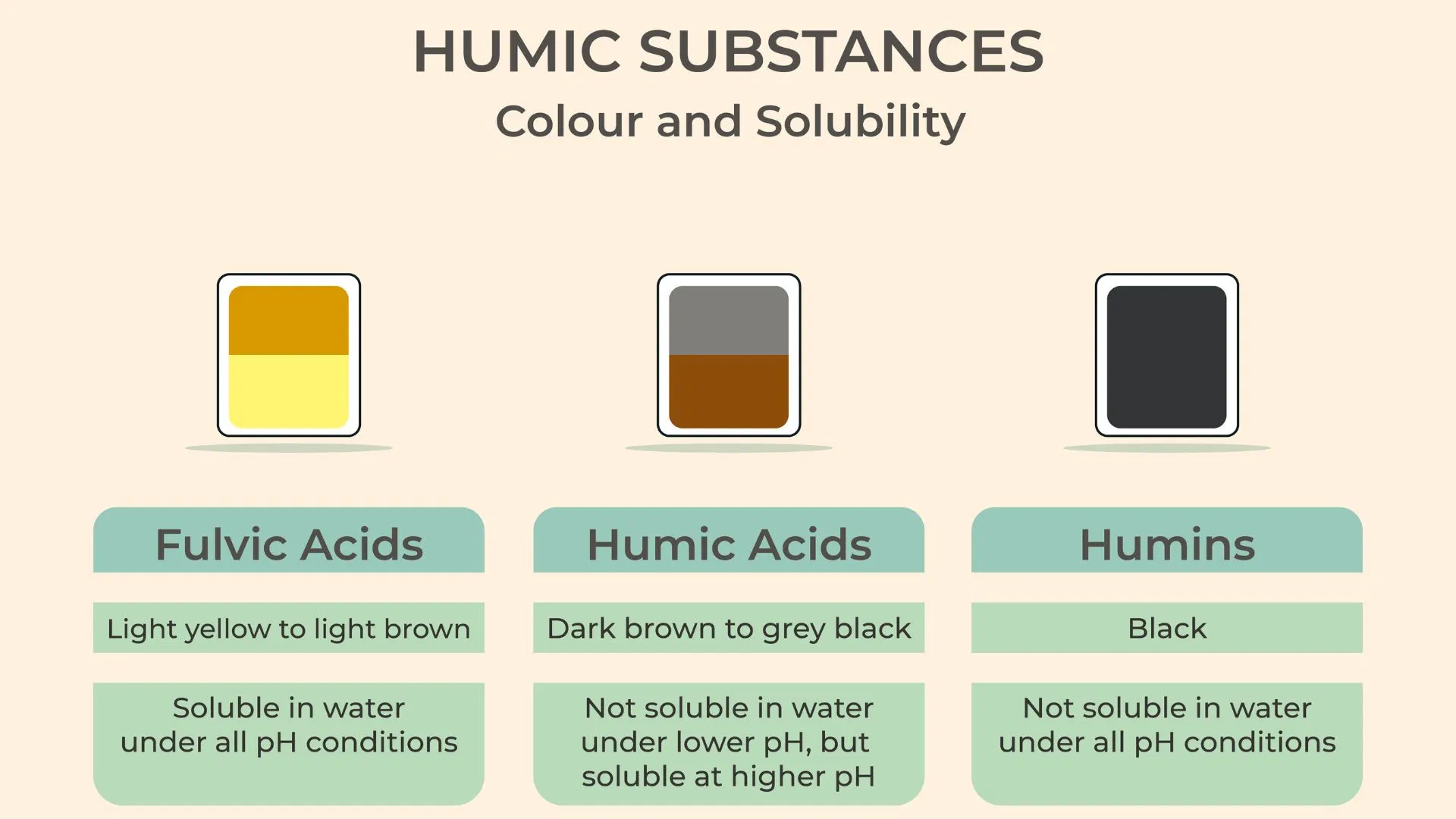
Chel8(Fulvic acid)
A chelating agent which is a filtered extract of humic acid. It is a very small molecule and can deliver a fast dose of nutrients by foliar feeding with it at 0.1g/L + CalMag during veg or with PEAK during early bloom.
H89(Humic Acid Complex)
Derived from ancient decomposed trees, contains carbon, humic acid and 10% potassium. Chelates such as fulvic acid contain carbon and an array of trace minerals. Its main advantage is to improve the soil or coir structure and help retain nutrients. If you filter humic acid, you get fulvic acid and humates. H89 also contains 10% potassium.
Aktiv8(Kelp)
Ascophyllum nodosum is a very interesting plant that exists clung to rocks in cold, rough waters, withstanding damage from wind, waves and cold. The 11 species also possess survival gene triggers which produce compounds to help heal wounds or protect from cold. It also contains Sulfated algal polysaccharides, a class of bioactive compounds in algae that promote plant growth.
Extracts of kelp contain cytokines and plant beneficial organic acids resulting in increased nutrient uptake, increased nutrient efficiency, increased resistance to abiotic pressure" (Fry et al., 1993; Paulert et al., 2009; Shukla et al., 2016).
Bloom Boosters
During peak bloom, which, for indica strains, is between days 28 and 45, plants need more potassium and phosphorus. We can’t add this elevated amount to the main feeds because they would have overdosed on potassium and phosphorus, so we use separate products designed to deliver the correct ratio of both. Many brands are available, which are usually just potassium and phosphorus. Products such as PEAK contain added biostimulants, chelating agents, and amino acids, which drive maximum uptake.
PEAK Bloom Booster with Amino acids
This is only needed a couple of times throughout bloom; a small amount goes a long way to give the flowers that extra boost when they need it. Increasing the ratio of P and K to the Ca and Mg in the nutrient solution triggers an impressive response. You may find it useful to deliver this product by foliar spray at 0.3g/L twice during the first week of bloom when the plants are still being fed with grow feed until day 8.
Use whatever PK you usually use, but you need to add biostimulants to make it as effective.
Supercharged Uptake
Inoculating with beneficial bacteria and fungi while potting up or transplanting protects roots, helps break down your organic biostimulants and supercharge growth rates while protecting your plants from any fungal infections.
An example of a good product for this is Mycorrmax from TNC (the nutrient company). They have soluble versions for hydroponics and soil.
Summary
As long as you can properly manage your nutrient reservoir and indoor environment, you will be happy with the growth rates achievable in a finely-tuned hydroponic garden. Just remember to keep notes so you know which tweaks to the recipe work in your situation with your chosen strains.
Running a hydroponic system with added biostimulants is how to get the best of both worlds. Your crop receives perfectly balanced, highly oxygenated nutrients regularly and all the trace minerals and microbes they would benefit from in a soil garden.
Some popular brands of nutrients are shared in this guide to provide an easy-to-follow recipe, but any brand of nutrients will work. It may also be worthwhile giving powdered feeds a try. You will be doing your garden a favour and helping reduce your carbon footprint and plastic.