Cannabis cultivation is an intricate process requiring a deep understanding of the plant’s biology and environmental needs. Among the many factors that influence the healthy growth and development of photoperiod cannabis plants, the dark cycle plays a crucial role. Photoperiod cannabis, as the name suggests, depends on specific light and dark periods to regulate its growth stages. While the focus is often on the light cycle, the dark cycle is equally important, if not more so, for ensuring a successful harvest. Here, we’ll take a closer look at the significance of the dark cycle in cannabis cultivation, exploring its impact on photosynthesis, hormone production, flowering, and overall plant health, and how savvy cannabis growers can optimize these factors for a successful harvest.
The Biological Basis of Photoperiodism in Cannabis
Photoperiodism is the physiological response of an organism (in this case, a cannabis plant) to the length of day or night, and it is crucial for growing cannabis effectively. In the context of cannabis, photoperiodism governs the transition between vegetative growth and flowering stages. Photoperiod cannabis plants, unlike autoflowering varieties, require specific light-dark cycles to trigger flowering. This sensitivity to the duration of darkness is controlled by the plant’s internal biological clock, which is influenced by environmental cues, primarily the light-dark cycle.
The Role of Phytochromes
Central to understanding the dark cycle is the role of phytochromes—photoreceptor proteins that regulate the plant’s response to light. Phytochromes exist in two forms: Pr (phytochrome red) and Pfr (phytochrome far-red). These forms are interconvertible, with Pr absorbing red light (around 660 nm) and converting to Pfr, and Pfr absorbing far-red light (around 730 nm) and converting back to Pr.
During the light period, the active form (Pfr) accumulates as it absorbs red light. However, during the dark cycle, in the absence of light, Pfr slowly reverts to Pr. The ratio of these two forms acts as a signal for the plant to understand the length of the dark period, thereby influencing its growth phase. When the dark period is sufficiently long, the reduction in Pfr signals the plant to initiate flowering, marking the shift from the vegetative stage to the reproductive stage.
The Dark Cycle and Its Influence on Photosynthesis
Photosynthesis, the process by which plants convert light energy into chemical energy, is typically associated with light cycles. However, the dark cycle plays an indirect yet essential role in ensuring the efficiency and sustainability of photosynthesis.
Respiration and Energy Balance
During the dark cycle, cannabis plants undergo respiration—a process where stored sugars produced during photosynthesis are broken down to release energy for growth and maintenance. This energy is crucial for cellular activities, like nutrient uptake, root growth, and repair of damaged tissues. The dark cycle allows the plant to balance its energy budget by utilizing the reserves accumulated during the light cycle.
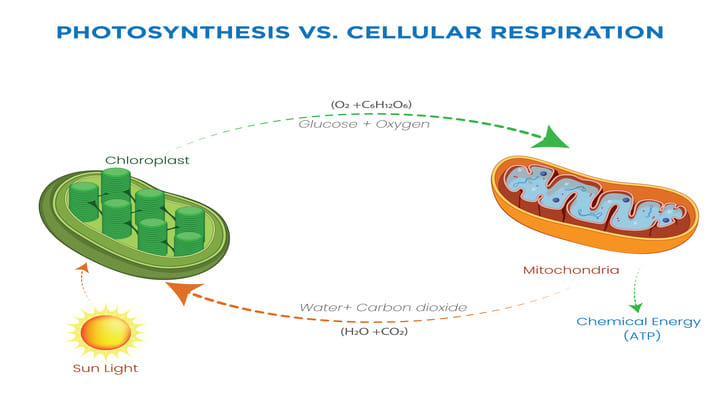
Furthermore, uninterrupted respiration during the dark cycle prevents the buildup of excessive starch in the leaves, which can otherwise inhibit photosynthesis during the subsequent light period. By maintaining a balanced energy flow, the dark cycle contributes to the overall health and vitality of the plant.
Stomatal Regulation
Stomata are tiny openings on the surface of leaves that regulate gas exchange, including the intake of carbon dioxide and the release of oxygen and water vapor. During the light cycle, stomata are generally open to facilitate photosynthesis. However, prolonged exposure to light without an adequate dark cycle can lead to excessive water loss through transpiration, causing stress to the plant.
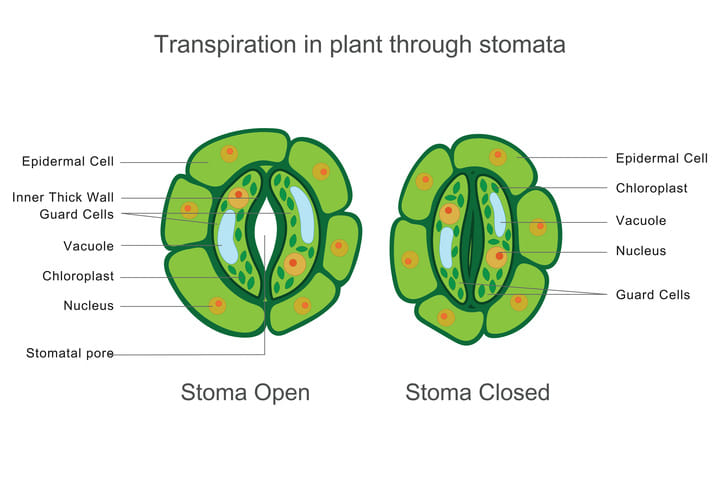
The dark cycle allows the stomata to close, reducing water loss and preventing dehydration. This period of closure also aids in the recovery of stomatal function, ensuring optimal gas exchange during the next light cycle. Proper stomatal regulation is essential for maintaining the plant's water balance, particularly in controlled environments like indoor grow rooms where humidity levels must be carefully managed.
Hormonal Regulation and the Dark Cycle
Hormones are chemical messengers that regulate various physiological processes in plants, and the dark phase plays a pivotal role in their synthesis and regulation. The dark cycle plays a pivotal role in the synthesis and regulation of key hormones that govern growth, development, and flowering in cannabis plants.
The Role of Auxins
Auxins are a class of plant hormones that promote cell elongation, root development, and overall growth. These hormones are synthesized in the apical meristems (the growing tips) of the plant and are transported to other parts of the plant to exert their effects. During the dark cycle, auxin transport and distribution are enhanced, allowing for uniform growth and development.
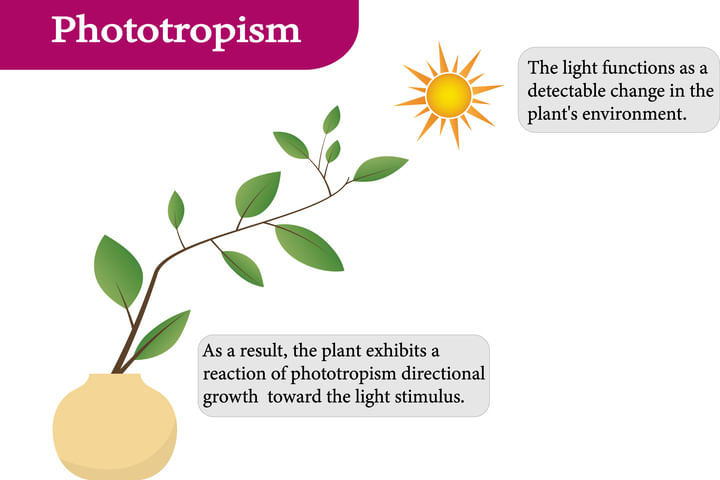
In the absence of light, auxins accumulate in the shaded parts of the plant, promoting growth towards the light source—a phenomenon known as phototropism. This directional growth ensures that the plant maximizes its exposure to light during the light cycle, optimizing photosynthesis and energy production.
Gibberellins and Flowering
Gibberellins are another class of hormones that play a crucial role in stem elongation, seed germination, and the flowering of cannabis plants. During the dark cycle, gibberellin levels fluctuate, with certain gibberellins being synthesized in response to the length of the dark period. These hormones are particularly important during the transition from vegetative growth to flowering.
In photoperiod cannabis plants, a critical length of uninterrupted darkness is required to trigger the production of gibberellins that promote flowering. If the dark cycle is disrupted or insufficient, the plant may remain in the vegetative stage or produce fewer flowers, leading to reduced yields. Understanding the interplay between gibberellins and the dark cycle is therefore essential for achieving optimal flowering and maximizing harvests.
The Role of Ethylene
Ethylene is a gaseous hormone that regulates various aspects of plant development, including fruit ripening, leaf senescence, and stress responses. While ethylene production occurs throughout the plant's life cycle, its role becomes particularly significant during the flowering and maturation stages.
The dark cycle influences ethylene production by modulating the plant's response to environmental stressors such as temperature fluctuations and humidity changes. Proper management of the dark cycle can help prevent premature leaf drop, improve flower development, and enhance the overall quality of the harvest.
The Dark Period and Flowering in Cannabis
The dark cycle is perhaps most critical during the flowering stage of photoperiod cannabis plants, and understanding how much darkness is required is therefore essential for successful flowering. Flowering is the reproductive phase of the plant’s life cycle, where those all-important nugs come out to play, and its initiation is tightly regulated by the duration of uninterrupted darkness.
The Critical Photoperiod
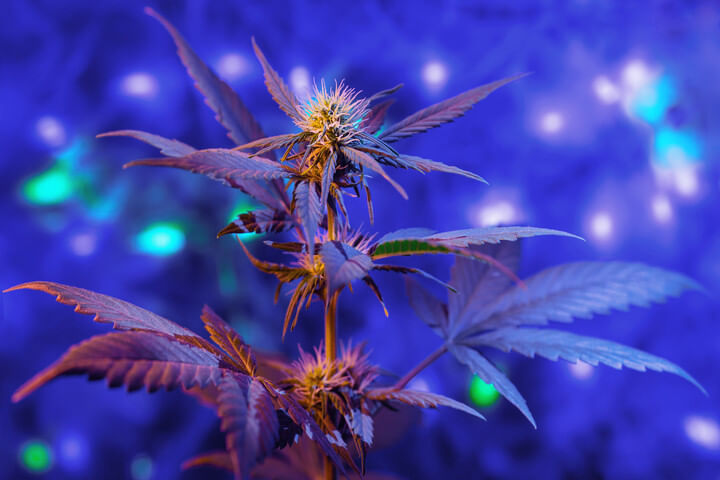
The critical photoperiod is the minimum length of uninterrupted darkness required to induce flowering in photoperiod cannabis plants. The length of this period obviously varies depending on the strain, but generally ranges from 10 to 14 hours of darkness. If the dark period is shorter than the critical photoperiod, the plant will continue in its vegetative state, focusing on growth rather than reproduction.
During the flowering stage, it's vital to maintain a consistent dark cycle that meets or exceeds the critical photoperiod. Any interruption in the dark cycle, even for a brief moment, can cause the plant to revert to the vegetative stage or produce hermaphroditic traits, where male flowers develop on female plants. This can lead to pollination and seed production, reducing the quality and potency of the final product. It's a common problem for indoor cannabis growers, where something as simple as a small light leak in a grow tent can wreak havoc with a grow.
Flowering Hormones and the Dark Cycle
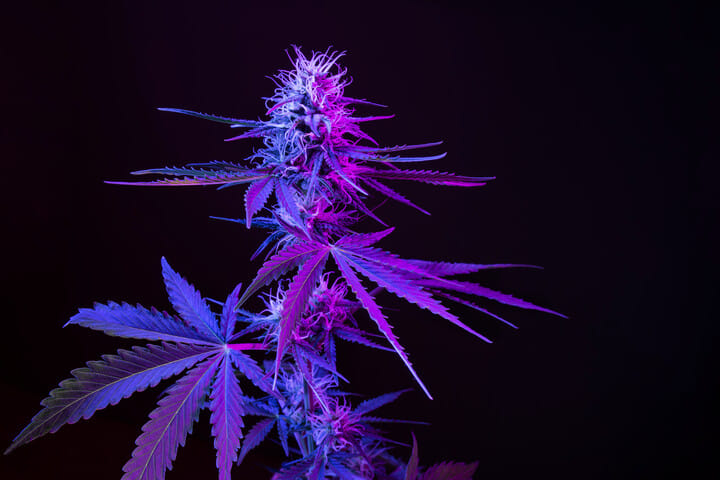
The transition from vegetative growth to flowering is marked by a shift in hormonal balance within the plant. As the dark period lengthens, the accumulation of Pfr decreases, leading to an increase in flowering hormones such as florigen—a protein that promotes the development of flowers.
Florigen is produced in the leaves and transported to the shoot apical meristems, where it triggers the formation of floral buds. The production and transport of florigen are highly dependent on the dark cycle, with longer dark periods promoting higher levels of florigen and more vigorous flowering.
Additionally, the dark cycle influences the production of cannabinoids—chemical compounds responsible for the psychoactive and therapeutic effects of cannabis. During the flowering stage, cannabinoids such as THC and CBD are synthesized in the trichomes, glandular structures on the surface of the flowers. The dark cycle allows for the accumulation and maturation of these compounds, enhancing the potency and medicinal value of the final harvest.
Environmental Considerations for the Dark Cycle
In controlled environments, such as indoor grow rooms or greenhouses, maintaining an optimal dark cycle requires careful management of environmental factors, including minimizing light pollution. Light leaks, temperature fluctuations, and humidity levels can all impact the effectiveness of the dark cycle and, by extension, the overall health and yield of the crop.
Preventing Light Pollution
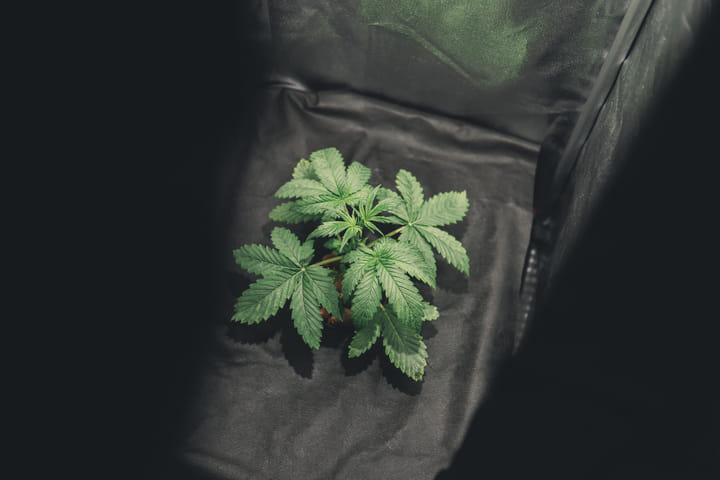
Light leaks during the dark cycle can have detrimental effects on photoperiod cannabis plants. Even a small amount of light exposure during the dark period can disrupt the plant's internal clock, delaying or inhibiting flowering. Growers must ensure that grow rooms are completely sealed during the dark cycle, using blackout curtains, light-proofing materials, and other methods to prevent any light from entering the space.
Temperature and Humidity Control
Temperature and humidity levels should also be carefully monitored during the dark cycle. Cannabis plants prefer slightly cooler temperatures during the dark period, as this mimics the natural drop in temperature that occurs at night. However, excessive cooling can slow down metabolic processes and hinder growth.
Similarly, humidity levels should be kept within an optimal range (40-60%) to prevent the development of mold and mildew, particularly during the flowering stage. High humidity during the dark cycle can encourage the growth of pathogens that thrive in damp, dark conditions, leading to bud rot and other issues.
Air Circulation and CO2 Management
Proper air circulation is essential during the dark cycle to maintain a healthy growing environment. Stagnant air can lead to the accumulation of moisture and carbon dioxide (CO2), creating conditions conducive to disease and poor plant health. Growers should ensure that ventilation systems are functioning effectively during the dark cycle, even though the plants are not actively photosynthesizing.
While CO2 enrichment is commonly used during the light cycle to boost photosynthesis, its role during the dark cycle is minimal. However, maintaining a consistent level of CO2 throughout the grow room can prevent sudden fluctuations that may stress the plants.
Conclusion
The dark cycle is a fundamental aspect of photoperiod cannabis cultivation that significantly influences plant health, development, and yield. From regulating photosynthesis and respiration to controlling hormone production and flowering, the dark cycle is integral to the successful growth of cannabis plants - without it, your plants won't reach the finish line in winning shape. By understanding and optimizing the dark cycle, growers can ensure that their plants reach their full potential, producing high-quality, potent flowers that meet the demands of the market.
Mastery of the dark cycle represents a key element of success, bridging the gap between biological knowledge and practical application. As growers continue to refine their techniques and adapt to new challenges, the dark cycle will remain a critical factor in achieving consistent, high-yielding crops.