

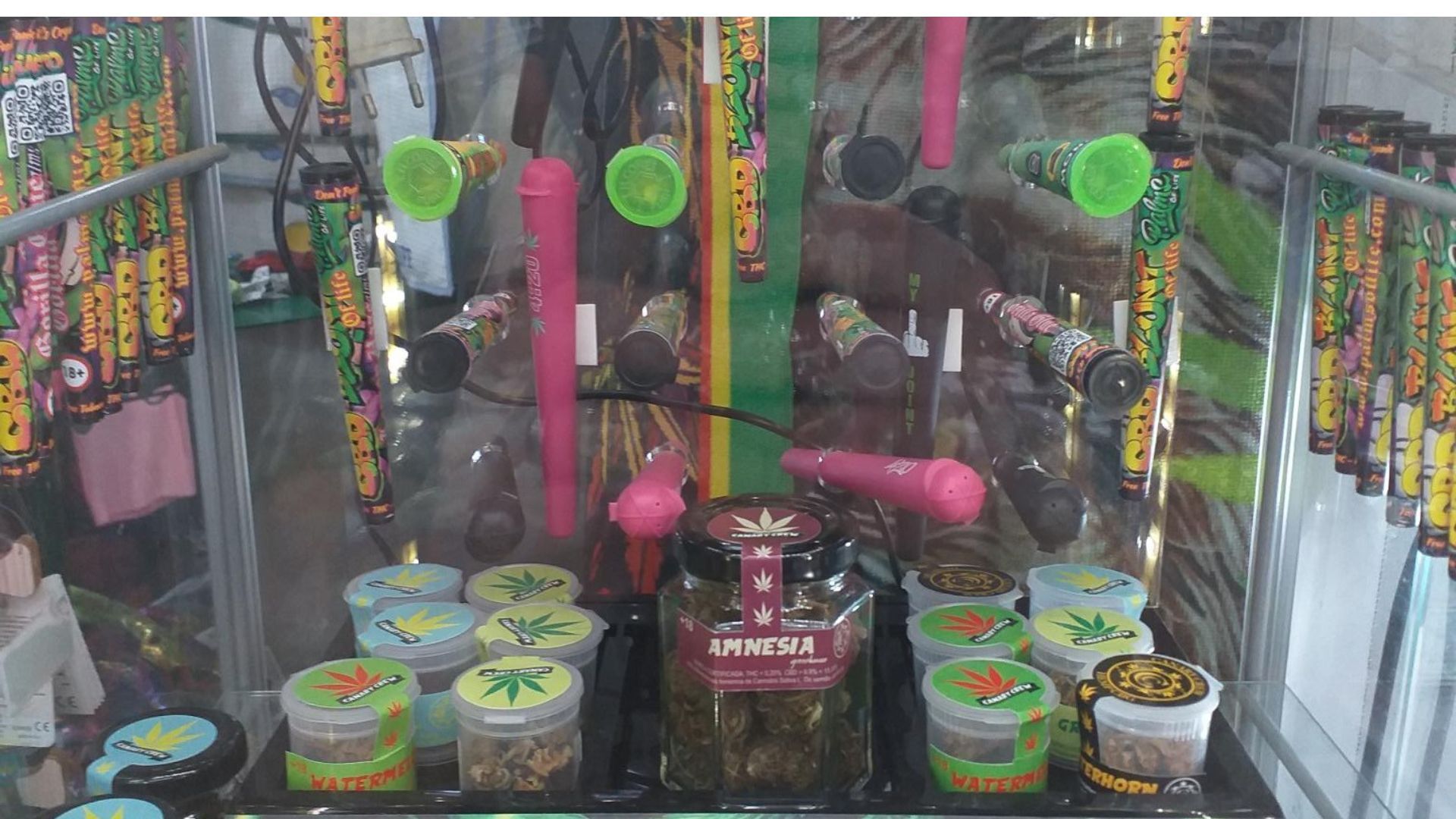
Picture this: You've blitzed through your stash, and you can't get a hold of any more of the good stuff. But what's this attractive-looking substance here? Looks like cannabis. It's even named like a cannabis strain. That'll do the trick, surely? Can't hurt for a puff, surely?
Think again. While obtaining quality cannabis may not always be straightforward, the allure of settling for synthetic cannabinoids as an alternative should be categorically dismissed. These artificial substitutes, though designed to mimic the effects of cannabis, are illegal in most parts of the world for a reason - they are decidedly unsafe for human consumption, pose an alarming threat to health and can even lead to fatal consequences.
What Are Synthetic Cannabinoids?
Synthetic cannabinoids, often referred to as "synthetic weed", "synthetic marijuana", or "Spice," are chemically engineered substances designed to replicate the psychoactive effects of tetrahydrocannabinol (THC), the principal psychoactive component of cannabis. These laboratory-created compounds are typically sprayed onto plant material and marketed as herbal smoking blends or liquid or herbal incense. Make no mistake, you are not getting cannabis or any of the benefits you seek. You're getting ripped off, and you're playing a game that offers dangerous prizes.
While synthetic cannabinoids are a global concern, their accessibility in some tourist-friendly parts of Europe adds an alarming dimension to the issue. In many resort areas, these dangerous substances are readily available, often side by side with other commodities like cheap alcohol, tobacco, and fake-label goods such as designer belts, wallets, and bags. Tourists seeking souvenirs and mementoes may unsuspectingly encounter synthetic drugs prominently displayed in resort shops. These products are often packaged in vibrant and alluring designs, resembling harmless herbal blends. The unsuspecting traveller, drawn in by the colourful packaging, may not realize the grave dangers concealed within.

One of the most troubling aspects of the synthetic cannabinoid trade in tourist areas is the use of well-known strain or brand names that mimic popular, sought-after cannabis strains. Products labeled as "Gelato," "Blueberry," or other recognizable strains may catch the eye of those seeking an authentic experience. However, beneath these deceptive names lies a dangerous concoction of chemicals far from the natural compounds found in genuine cannabis.
The marriage of synthetic cannabinoids with tourist-oriented merchandise makes it even harder for the untrained eye or newcomers to distinguish between authentic and synthetic products. The unsuspecting buyer, perhaps lured by the promise of a familiar strain or intrigued by the vibrant packaging, unknowingly exposes themselves to significant health risks.

Common Synthetic Cannabinoids
Many synthetic cannabis products may appear similar in appearance to regular cannabis flower, but with very different active ingredients. The list below contains some of the more common synthetic cannabinoids found in these products.
JWH-018: Originally developed by John W. Huffman, this synthetic compound was intended for research purposes but found its way into recreational use. It was found in some versions of Spice, one of the most prominent of the early synthetic cannabinoid products.
UR-144: Known for its potent psychoactive effects, UR-144 has gained popularity in the illicit market – which is worrying given the results of use, which can include seizures, blackouts, and tachycardia.
AB-FUBINACA: This potent synthetic cannabinoid has been associated with numerous adverse effects, including severe intoxication.
XLR-11: A synthetic compound linked to emergency room visits and health complications.
5F-ADB: A potent agonist of the CB1 receptor, 5F-ADB has been reported in various synthetic cannabinoid blends.
Sources And Consumption
Synthetic cannabinoids are often sold online, labeled as "legal highs" or "herbal smoking blends." They are also available in some convenience stores, gas stations, and illicit drug markets. The substances can be consumed by smoking the herbal blend, vaporizing the liquid, mixing them with e-cigarettes, or even adding them to confectionary such as lollipops and gummies. More concerningly, some illegal flower-based variations found on the black market are often laced with highly toxic additives such as fentanyl in a bid to deliver a potent effect. In some instances, disreputable producers of cannabis may even taint genuine flower with these substances for bulking quantity or bolstering effects.

These alarming trends further underscore the importance of sourcing cannabis from verified dispensaries or, where it is legal to do so, growing your own cannabis using seeds from a reputable seed bank. Growing your own cannabis grants you the peace of mind that comes with knowing exactly what you're getting - untainted, high-quality cannabis flower.
Real-Life Examples of Fatalities From Synthetic Cannabinoids
Tragically, numerous cases of fatalities linked to synthetic cannabinoids have been reported. For instance, this release from Middlesex University reports that synthetic cannabinoids were implicated in 48% of non-natural deaths in English and Welsh prisons between 2015 and 2020. In 2018, it was reported that there were 4 deaths and 153 hospitalizations in Illinois after synthetic cannabinoids sold in the state were found to contain brodicafoum – a type of rat poison. In perhaps the most high-profile case of death from synthetic cannabis use, former NFL player Aaron Josef Hernandez's autopsy revealed traces of Spice following his suicide in prison in 2017. These incidents underscore the urgency of understanding the risks associated with synthetic cannabinoids.
Dangers of Synthetic Cannabinoids
Synthetic cannabinoids are designed to mimic the different effects of natural cannabinoids, but their unpredictable nature poses substantial dangers. Research indicates that these substances can lead to severe mental health issues, including anxiety, paranoia, hallucinations, and even psychosis. Though we know many of these substances act as CB1 and CB2 agonists, the exact mechanisms through which synthetic cannabinoids interact with the brain are not fully understood, making their effects particularly hazardous.
Common Effects of Synthetic Cannabinoids
The harm inflicted by synthetic cannabinoids extends beyond the immediate psychoactive effects. While short-term use can cause elevated heart rate, chest pains and other concerning side effects, prolonged use has been linked to serious health problems, such as severe damage to vital organs, with particular emphasis on the brain, heart, and lungs. Instances of acute kidney injury, dangerous changes in blood pressure, cardiovascular complications, and respiratory issues have been reported as long-term effects of using these designer drugs, further underscoring the grave consequences of synthetic cannabinoid use.
Conclusion
The dangers posed by synthetic cannabinoids found in fake weed cannot be overstated. The deceptive allure of these substances, often horrifyingly marketed as a legal or safer alternative to cannabis, conceals the profound health risks they entail. Real-life examples of fatalities and scientific research emphasize the urgent need for public awareness and education, although understanding that total abstinence from these substances is the safest option. Individuals must prioritize their well-being and avoid the potentially fatal consequences associated with synthetic cannabinoids. In pursuing recreation, settling for synthetic substitutes is a perilous path that should be unequivocally rejected.


