


The term Landrace cannabis refers to strains of cannabis that are native to a particular geographic region and have adapted to the local environment over centuries of natural selection. These strains are often considered to be the "purest" forms of cannabis because they have not been bred with other strains and have therefore retained their original genetic makeup.
History Of Landrace Cannabis
The history of Landrace cannabis strains dates back thousands of years to the regions where the plant originated, such as Central Asia, the Middle East, and Africa. These strains were used by indigenous cultures for a variety of purposes, including medicine, fiber, and religious ceremonies.
As cannabis spread to other parts of the world through trade and colonization, new strains were developed through crossbreeding with local varieties. This led to the emergence of hybrid strains that were better suited to the environmental conditions and cultural practices of different regions.
However, many Landrace strains remained isolated in their native regions and continued to evolve through natural selection. These strains were largely unknown to the wider cannabis community until the 20th century, when breeders and enthusiasts began to seek out these rare and exotic varieties.
What Are Landrace Cannabis Strains?
Landrace cannabis strains are defined by their geographic origin and genetic purity. These strains are typically named after the region where they were first discovered, such as Afghani, Thai, or Durban Poison.
Landrace strains are adapted to the specific environmental conditions of their native regions, such as altitude, temperature, humidity, and soil composition. They have evolved over centuries to produce unique traits, such as resin content, terpene profiles, and cannabinoid ratios, that are well-suited to their local environment.

Landrace strains are also notable for their genetic stability. Because they have not been hybridized with other strains, they tend to exhibit consistent traits across different generations and growing conditions.
What Are Heirloom Cannabis Strains?
Heirloom cannabis strains are similar to Landrace strains in that they are genetically stable and have a long history of cultivation. However, heirloom strains have been bred with other strains at some point in their history, resulting in some genetic variability. Heirloom strains are typically named after the breeders or cultivators who developed them, rather than their geographic origin. Some examples of heirloom strains include Skunk #1, Northern Lights, and Haze.
Heirloom strains are often sought after by growers and breeders because they exhibit desirable traits such as potency, yield, and flavour. However, because they have been bred with other strains, they may be less well-suited to specific growing conditions than landrace strains.
Landrace Strains Today
Today, Landrace strains are a rare and valuable resource for breeders and enthusiasts interested in preserving the genetic diversity of cannabis. Many Landrace strains have been lost or hybridized with other strains over time, making them difficult to find and cultivate. However, there are still some regions of the world where Landrace strains are cultivated and used for traditional purposes. For example, in the Rif Mountains of Morocco, farmers have been growing landrace strains of cannabis for centuries to produce hashish for local and international markets.
In recent years, there has been a growing interest in Landrace strains among cannabis breeders and enthusiasts. This has led to efforts to collect and preserve rare and endangered landrace strains, as well as to develop new hybrid strains that incorporate landrace genetics.
Some of our finest Landrace Strains come courtesy of ethnobotanical researcher Landrace Warden. It’s fitting that a Landrace specialist should command a place in our list the best Landrace genetics Seedsman offers. Although true Landrace genetics are becoming harder to find in the era where hybrid strains dominate the market, we are proud to present you with some of the best Landrace cannabis in the modern arena. The genetics listed below are all available as regular seeds, rather than feminised versions.
Original Afghani #1
Seedsman’s Original Afghani #1 is a pure indica Landrace available in regular seed form, providing stable genetics to any breeding programme. Indeed, the original Sensi Seeds Afghani#1 has sired many of todays most popular and desirable hybrid cannabis strains.
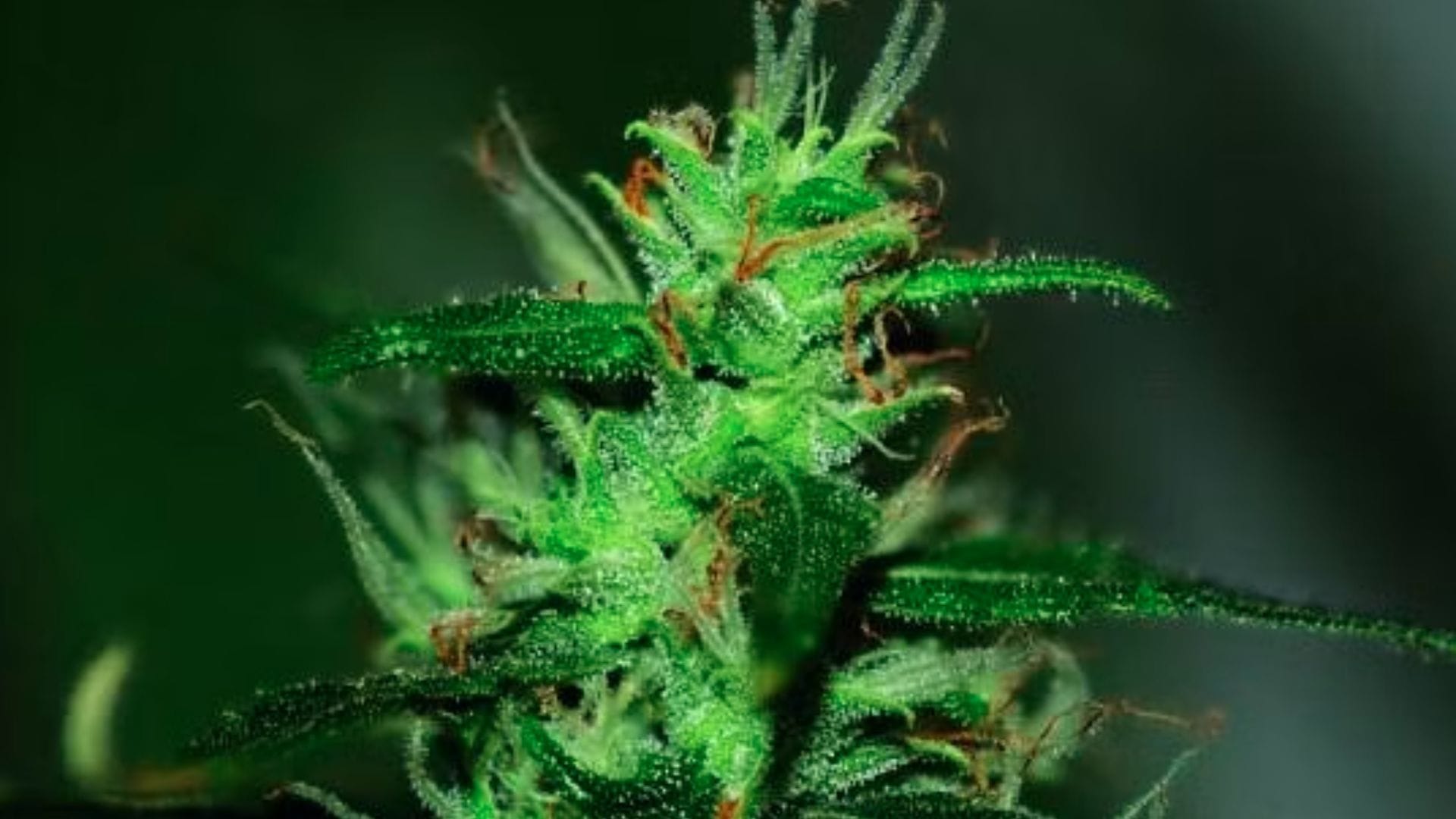
This small, yet bushy, plant is a vigorous grower, producing dense buds covered with resin. Hash makers choose Original Afghani #1 to produce authentic traditional hashish. You’ll find this to be a somewhat durable strain with a strong central stem that helps bolster plants in high winds.
Original Afghani #1 combines earthy flavours with musky, spicy notes and subtle hints of nuts and chocolate. It’s said to have heavy narcotic effect. Flowers in 6-7 weeks.
Kalat
Landrace Warden’s Kalat is a Landrace of the highest calibre. Like a good Landrace indica should, Kalat stands up to high altitudes and cold deserts, but still flourishes beautifully in more temperate conditions.
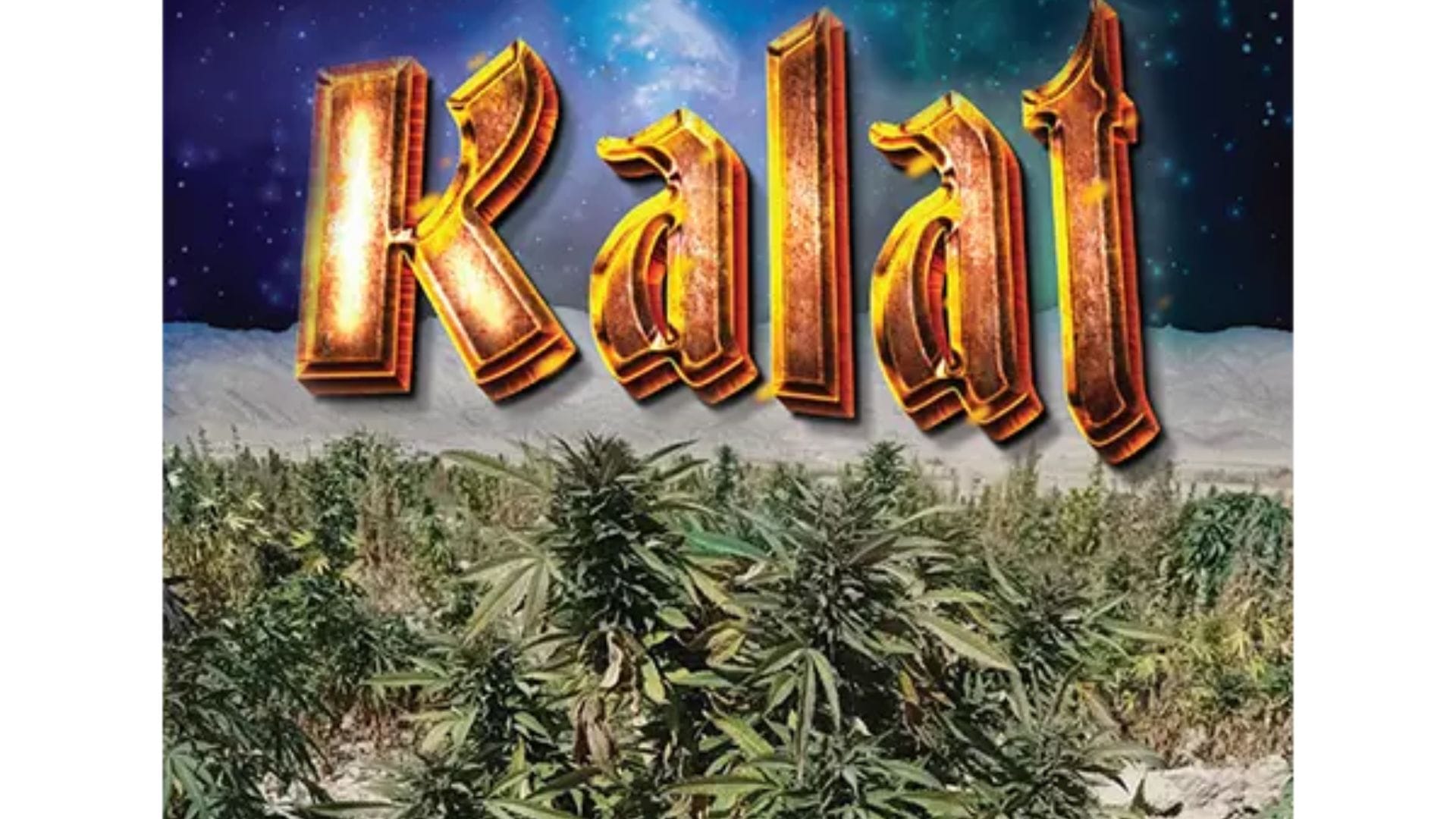
These medium-sized indicas typically grow to between 150-180cm, and can survive in harsh conditions with little feeding and water. An outdoor specialist, Kalat can yield anywhere between 350-700gm/plant, depending on conditions.
Kalat boasts a rich and luxurious aromatic profile, backed up by unusual but exquisite flavours of coffee and cream. Flowering takes between 63 and 77 days for this unique Landrace cultivar.
Quetta City
Landrace Warden showcases genetic expertise with Quetta City, a traditional Landrace variety with Pakistani origins and fabulous ability to resist pests, pathogens, and difficult temperatures.
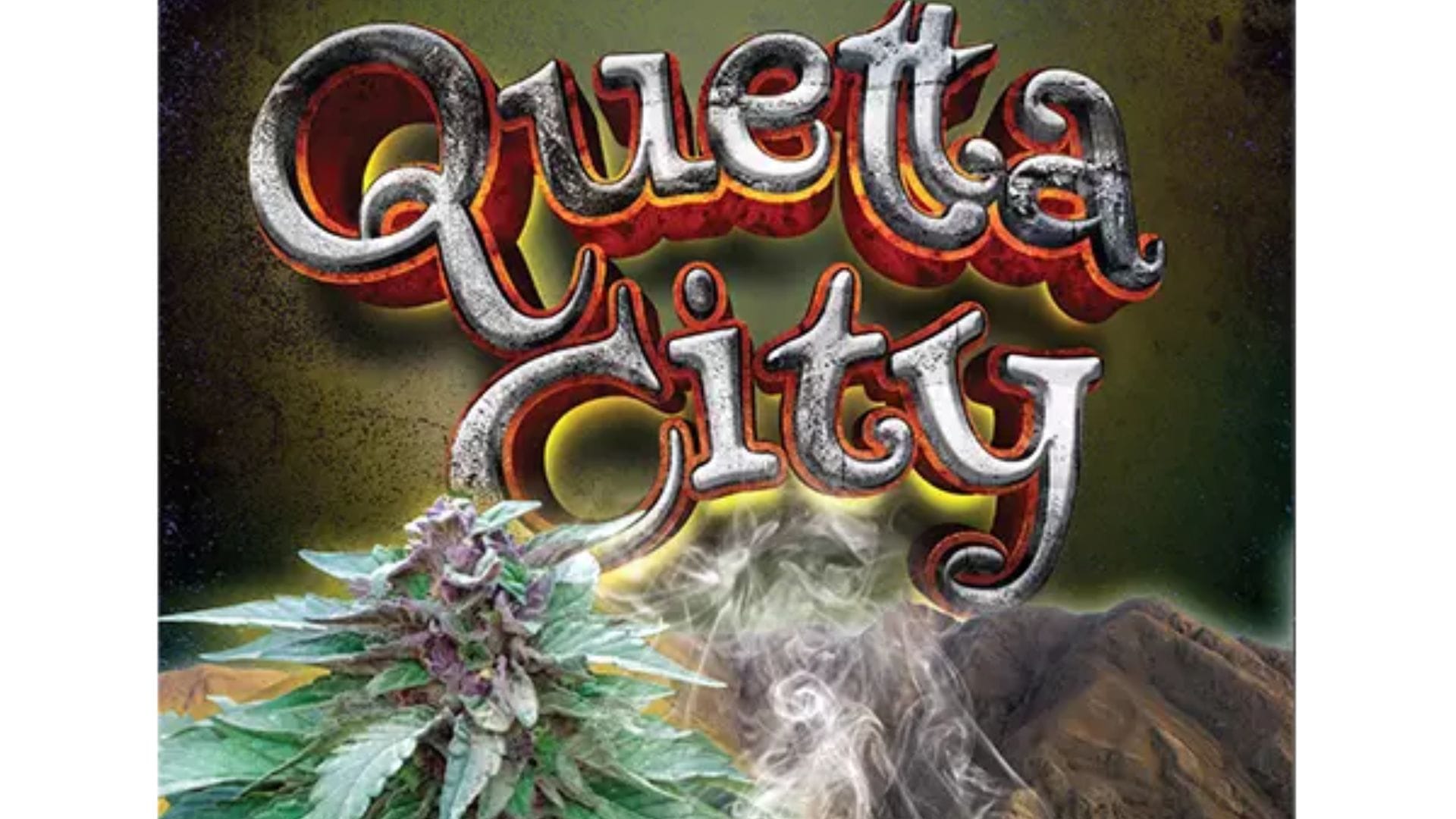
Flowering in quick time, between 49-63 days, Quetta City is easy to grow thanks to the superb genetics. Yields are between 350-500gm/plant, and buds are highly resinous, making it an ideal strain for hashish production.
Quetta City’s aromatic profile includes stunning notes of fuel, sour grape and sandalwood. These combine with the sumptuous nutty, woody flavours to make a connoisseur’s dreams come true.
Pakistani Chitral Kush
Ace Seeds billed Pakistani Chitral Kush as “a genuine treasure for cannabis indica lovers” and a closer look proves this to be true. Chitral in Pakistan is known as the hub of some of the finest hash in all the east.
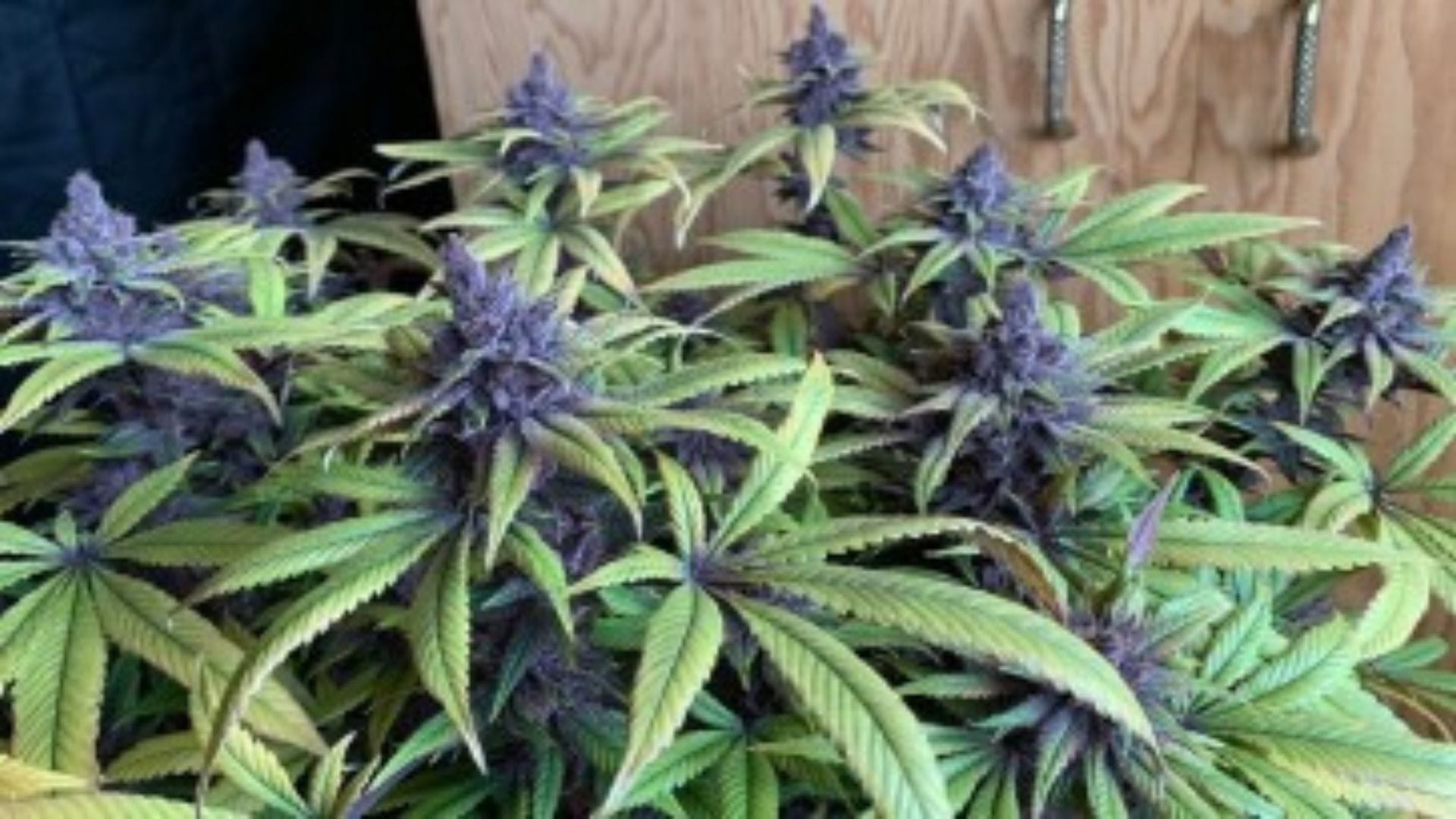
Keen cultivators and newcomers alike laud Pakistani Chitral Kush for its high resistance to wet weather and fungus; the hardy nature of the plant sees it power through such extreme conditions. Flowering in 9 weeks, this unique, pure indica is available in two phenotypes; one mostly green, and the other decidedly more colourful.
PCK has an incredible aroma, with the green pheno best described as sweet and peach-like while the more colourful pheno has a bouquet of wild strawberries and blackberry.
Dasht Desert
Another Landrace Warden superstar, Dasht Desert ticks the same easy-to-grow and resiliency boxes as the other superb Landrace varieties from this stable.
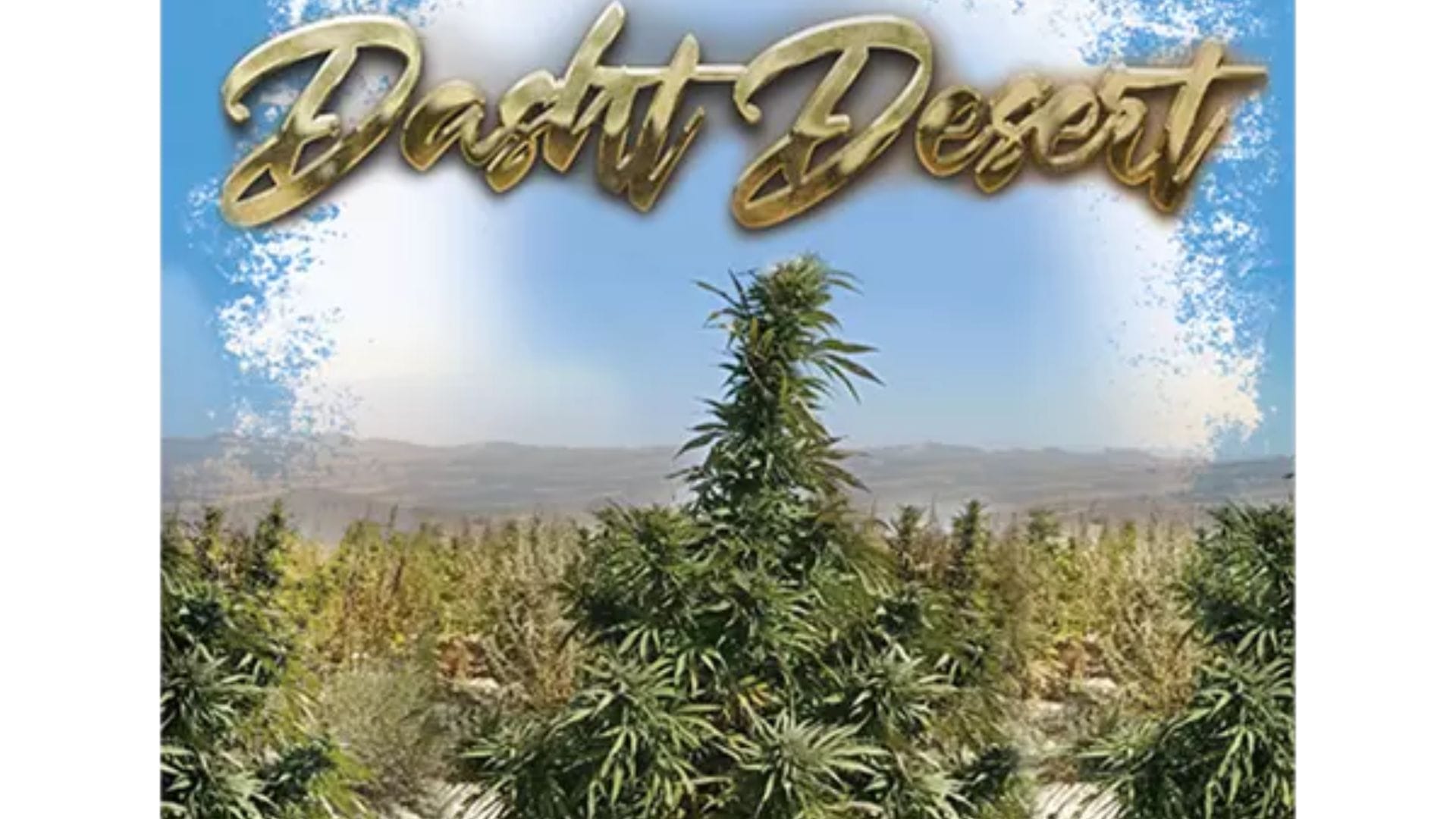
Most Dasht Desert phenotypes have sativa-like leaves in spite of their indica status, but flowering production is noticeably higher than that of other foliage. Flowering period is around 9-11 weeks, and yields are good at between 350-600gm/plant.
The unique combination of basil and fruit flavours in Dasht Desert belie its scent of onion, fuel, and pepper, making for an intriguing sensory profile. Resin production is excellent, making this striking indica an excellent choice for anyone looking to produce top quality hashish.


