

Cannabis cultivation has come a long way from its early days of underground growing. Nowadays, cannabis growers are exploring more efficient and sustainable ways of producing their crops, such as using live soil amendments. Live soil amendments, also known as soil improvers, are Mother Nature’s solution for enriching the soil with beneficial microbes that can positively affect cannabis plant growth, yield, and bud quality. If there’s a 'best' soil for growing cannabis, might it contain live matter? There’s a reason they call it super soil.
What Are Live Amendments?
Live amendments are organisms added to soil to improve its fertility, structure, and overall health. They include beneficial bacteria, fungi, nematodes, protozoa, and other microorganisms found in good soil. Adding live amendments to soil can help to improve soil quality, increase nutrient availability, and enhance plant growth while at the same time helping to prevent soil erosion, reduce water consumption, and improve soil aeration and drainage. In addition, they help to create a healthy soil ecosystem and can help with the development of healthy plant roots. Beneficial microorganisms in the soil even help suppress harmful organisms, such as pests and plant pathogens.
Common Live Amendments
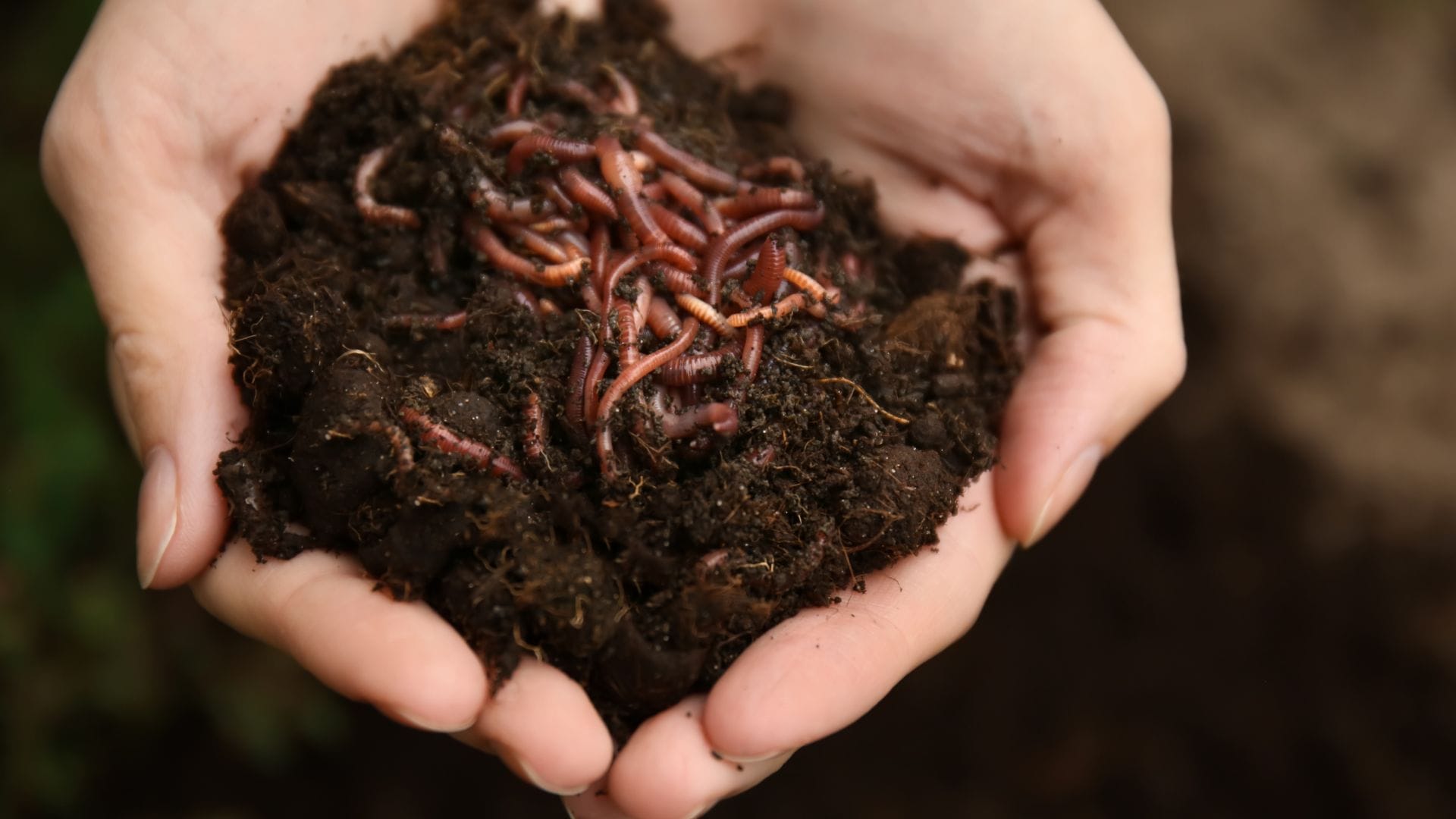
Worms
The humble earthworm is one of the most popular live amendments used by cannabis growers - even worm castings (worm poop, essentially) make for an excellent soil amendment. Worms are easy to find, care for, and can be added to soil in large quantities.
Pros Of Using Worms:
- Worms can be easily added to soil and do not require any special equipment or knowledge to use.
- They help break down organic matter, which releases micronutrients essential for plant growth.
- Worms improve soil structure by creating channels that allow air and water to penetrate the soil, promoting healthy root systems and nutrient uptake by plants. This can, in turn, reduce the risk of nutrient deficiencies.
- Adding worms can help to prevent soil erosion and reduce water consumption.
- Worms produce a nutrient-rich compost that can be used to fertilize plants.

Cons Of Using Worms:
- Worms can attract other pests, such as rodents and birds, which can harm cannabis plants.
- Worms require a certain moisture and temperature level to thrive, which can be difficult to maintain in some climates.
- Worms can only break down organic matter to a certain extent, so additional amendments may be required to ensure optimal soil health.
Nematodes
Nematodes are a type of microscopic roundworms found in soil, and can have both beneficial and detrimental effects on plant growth. One such beneficial nematode is Steinernema feltiae, a parasitic nematode that feeds on insects and other soil-dwelling pests.
When using nematodes as a live amendment for soil, it's vital to ensure that the soil is kept moist and at a temperature between 50-86°F (10-30°C) to allow the nematodes to thrive.
Pros Of Using Nematodes:
- Natural pest control: Certain nematode species can help control pests such as fungus gnats and thrips, reducing the need for chemical insecticides.
- Improved nutrient uptake: Nematodes can break down organic matter and release otherwise inaccessible nutrients to plants.
- Soil aeration: Some types of nematodes, like bacterivorous nematodes, help to improve soil aeration by consuming bacteria and other microorganisms.
- Organic and sustainable solution: Using nematodes as a live soil amendment is an organic and sustainable solution that can help reduce the use of synthetic fertilizers and pesticides.

Cons Of Using Nematodes:
- Temperature and moisture sensitivity: Nematodes require specific environmental conditions to thrive, such as a moist and cool soil environment. Nematodes may die off if soIL conditions are too dry or too warm.
- Risk of introducing harmful species: Some nematode species can harm plants or animals if introduced into the soil.
- Limited efficacy against some pests: While nematodes can be effective against some pests, they may not be effective against all pests that affect cannabis plants.
- May require repeated applications: Depending on the pest pressure and soil conditions, multiple applications of nematodes may be necessary to achieve optimal pest control.
Protozoa
Protozoa are a diverse group of single-celled organisms that can be found in soil ecosystems. They play a crucial role in soil food webs, consuming bacteria and fungi and being consumed by other soil organisms such as nematodes and mites. Using protozoa as a live soil amendment for cannabis plants can have both benefits and drawbacks.
Pros Of Using Protozoa:
- Improved nutrient cycling: Protozoa play a vital role in soil nutrient cycling by breaking down organic matter and releasing nutrients that plants can use.
- Increased soil structure: Protozoa help to improve soil structure by consuming and breaking down organic matter, creating small aggregates that can hold water and nutrients.
- Natural pest control: Some types of protozoa, such as ciliates and amoebae, are predatory and feed on harmful bacteria, fungi, and nematodes, reducing soil pests.
- Sustainable solution: Using protozoa as a live soil amendment is a sustainable solution that can reduce the need for synthetic fertilizers and pesticides.

Cons Of Using Protozoa:
- Sensitivity to environmental changes: Protozoa are sensitive to environmental changes, such as soil moisture or temperature changes. Such changes can kill protozoa.
- Slow results: Using protozoa as a live soil amendment may not provide immediate results. It can take time for protozoa populations to establish and have an impact.
- Limited pest control: While protozoa can effectively control some soil pests, they may not be effective against all pests that affect cannabis plants.
- May require repeated applications: Depending on the soil conditions and pest pressure, multiple applications of protozoa may be necessary to achieve optimal results.
How Live Soil Amendments Affect Cannabis Yield
Live soil amendments can significantly impact the yield's size and quality by improving plant growth and creating a healthy soil ecosystem. The increased nutrient uptake helps meet plant needs; healthier plants can lead to larger buds and higher yields.
In addition, live soil amendments may help to improve the terpene profile of the cannabis plant. Terpenes are aromatic compounds that give cannabis its distinct smell and flavour, and by improving soil health and creating a healthy soil ecosystem, live soil amendments can help promote the growth of the beneficial microorganisms that produce terpenes. By producing superior terpenes, you may yield more flavourful and aromatic buds.
Adding Live Matter To Organic Soil
Now that we understand how live matter can positively impact a cannabis grow, how do we introduce it into our soil?
There are a few different ways to introduce live matter to organic soil. One method is to purchase a high-quality soil mix that already contains live matter, such as the type of soil mix designed specifically for cannabis plants. Another approach is to amend soil with compost or other organic matter containing live matter. When using compost or any other organic matter, it's important to ensure it's been properly composted to reduce the risk of introducing harmful pathogens into the soil.
Another option is to purchase live soil amendments, such as nematodes, protozoa, or mycorrhizae, which you can add to the soil to introduce specific beneficial microorganisms. Live soil amendments can be purchased in liquid or powdered form and should be applied according to the manufacturer's instructions.
In addition to adding live matter to the soil, it's best to maintain a healthy living soil ecosystem by providing adequate moisture, avoiding over-fertilization, and avoiding harmful pesticides that can kill beneficial microorganisms. It can also be helpful to incorporate cover crops or green manure crops into the soil, which can help to build soil structure and add organic matter.
How Often To Add Live Matter To Organic Soil
The frequency of adding live matter to organic soil will depend on various factors, including the quality of the soil, the plant's growth stage, and the cultivation methods used. In general, it's recommended to add live matter at least once per growing season or more frequently if necessary.
For example, if using a soil mix containing live matter, adding additional compost or other organic matter may only be necessary once per year. If amending existing soil with compost, you may have to add compost every 6-12 months, depending on the quality of the soil and the plant's growth stage. If using live soil amendments, a more frequent application may be necessary, such as every 4-6 weeks during the plant life cycle, to maintain a healthy soil ecosystem.
Soil Recycling After Each Grow Cycle
Once you’ve harvested your buds, it’s important to properly recycle the soil to prepare it for the next crop. Soil recycling involves amending the soil with fresh compost or other organic matter, and ensuring that any harmful pathogens or pests are eliminated, giving you a clean and healthy slate each time you begin a new grow.
Providing cannabis plants with living soil means providing them with a natural environment full of all the necessary ingredients to achieve maximum health and growth from the root. Is it worth taking the extra steps to see the benefits in the buds? Given that adding live matter to soil is a fairly inexpensive pursuit, and the benefits only make sense, it's worth investing your time in experimenting with live amendments.

