


Cannabis sativa displays notable genetic diversity within a single species, with implications for medicinal use, textile/material uses, cultivation practices, and environmental adaptation. Here, we integrate recent findings to explore the molecular mechanisms underlying this variability, focusing on homologous recombination, transposons, epigenetics, and other genetic factors.
A well-documented phenomenon in cannabis is a variation in the production and ratio of cannabinoids. Within the plant itself and between plants, consistency in ratios of cannabinoid and volatile compounds is severely lacking. Although, often, even commercially cultivated cannabis can fall within a standard range, usually plus or minus 10% on THC, for example, it is still a relatively large variation in chemotype. Here, we theorize why this plant could be so variable even when bred for stability, and we explore the mechanism found in other plants that could play a significant role in cannabis.
Homologous Recombination And Genetic Diversity
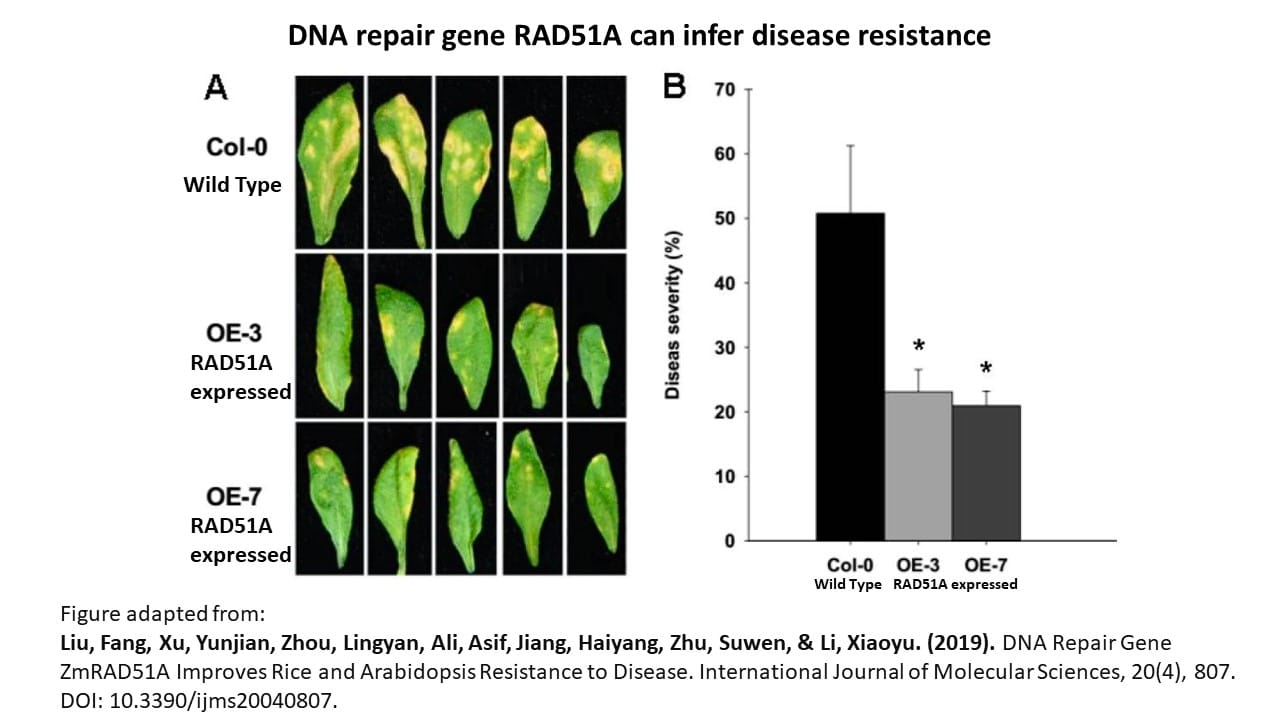
While specific studies on homologous recombination (HR) in cannabis are limited, its known role in other plant species suggests a significant contribution to genetic diversity in cannabis. Homologous recombination, involving the shuffling of genetic material leading to the forming of genetically distinct gametes (pollen and ovum), is pivotal for adaptation and evolution in plants. This mechanism likely influences cannabis's genetic diversity, impacting traits such as disease resistance and stress response, and contributes massively to sibling variation. For example, upregulating specific genes involved in HR, like OsRAD51C in rice, can confer increased resistance to specific diseases, showcasing the potential of HR manipulation in crop improvement and pathogen protection.
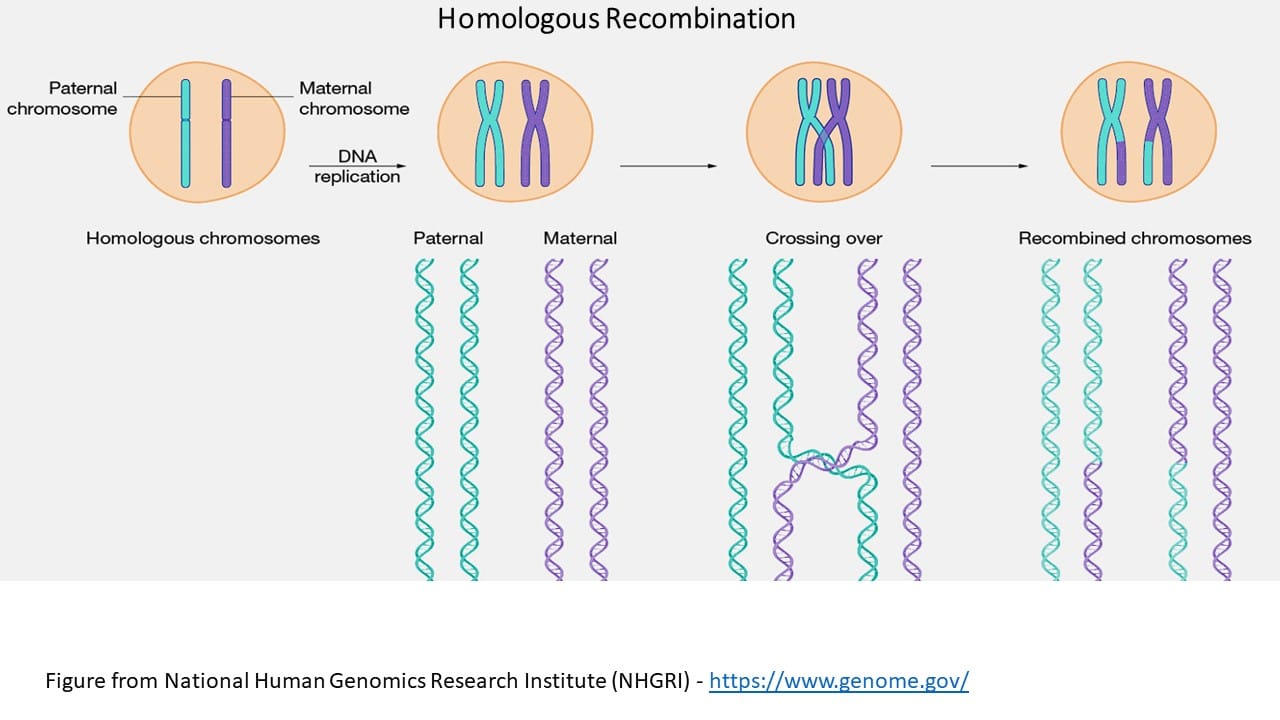
Breeding cannabis reveals high variation between siblings; HR could explain this increased difference and can offer at least part of the explanation of why this plant can be so varied. Within the same gene pool, it is hard to find two plants that behave the same in all environments, and both genetic and epigenetic factors would explain this. The additional factor of outdoor cannabis being exposed to high levels of UV-B could make an exciting contribution to HR. Environmental stresses like UV-B radiation can trigger an upregulation of HR in plants like Arabidopsis, aiding in DNA repair and enhancing stress tolerance. This illustrates the adaptive role of HR in plant response to environmental challenges.
Homologous Recombination And UV Light
Several studies have shown that UV light can significantly influence the chemotype of various plants. Dovlatov (2020) showed that UV-B positively affects pigment concentration and can affect plant growth by altering the metabolic profile. Pigments have a role not only in light capture in cannabis; they also contribute to smells and flavours. This is also shown in grape plantlets, where light spectra, including UV, could impact gene expression linked to chemical profiles, a study by Chun-Xia Li et al. (2017). Carolina Falcato Fialho Palma et al. (2021) show that UV radiation contributed to factors influencing gene expression and metabolite accumulation in cucumber, indicating chemotype changes under specific light conditions. Lastly, another study by C. F. Palma et al. (2021) on cucumbers reveals how UV-B can alter plant growth, physiology, and chemical composition.
These findings underscore the significant impact of UV light on plant chemotypes, affecting various physiological and metabolic pathways but ultimately causing a change in gene expression. Given the seemingly infinite amount of variables that go into growing plants, delineating what each variable does to the plant is complicated as many of these changes in gene expression, for example, can have an exponential effect on the trajectory of the plants' development.
Transposons And Cannabis Genetic Diversity
Transposons, or mobile DNA elements, sometimes called 'jumping genes', are DNA sequences capable of changing positions within the genome. They are essentially cut from one section of the genome and inserted somewhere else; this is known for inducing mutations and altering gene expression.
A classic example of transposon activity is seen in maize, where Barbara McClintock's pioneering work identified transposons as a significant factor in maize coloration variations. Corn grains of different colors in the same kernel were investigated genetically, and the variations proved to be caused by transposons. Similar to maize, the activity of transposons in cannabis could account for the phenotypic variations observed among different strains, especially in cannabinoid profiles in the same plant. This is akin to how transposons in maize can create a mosaic of colors by interrupting the uniform expression of pigment genes. In cannabis, the modulation of transposon elements could lead to significant changes in the plant's genetic makeup, contributing to its adaptability, diversity, and the development of unique cannabinoid compositions. Understanding transposon activity in cannabis, as exemplified in maize, is essential for grasping the genetic basis of its variability and harnessing this knowledge for breeding and medicinal purposes.
Epigenetic Factors In Cannabis
DNA methylation is one of the mechanisms of epigenetics; it can play a critical role in regulating gene expression. This process, which has been shown in many plants, including soybeans, involves a modification to the DNA, often stopping genes from expressing. In cannabis, different DNA methylation patterns could be a pivotal factor in explaining the variability in traits such as THC and CBD content. Copy number variation (more or less genes of the same function) does not seem to be a significant factor in cannabinoid production. DNA methylation can be across the entire plant if in the gametes but can also act locally in specific branches/bud sites, etc. Beyond DNA methylation, other plant epigenetic mechanisms also contribute to gene regulation.
A key aspect of epigenetics in plants is epigenetic imprinting, where specific genes are expressed in a parent-of-origin-specific manner. This phenomenon is essential in development and can influence traits passed down from generation to generation. Epigenetic imprinting in cannabis could explain heritable traits not solely based on DNA sequence. The combined effects of epigenetic mechanisms can result in variations in chemotype, plant morphology/bus structure, flowering time, and responses to stresses or the changing environment. Understanding these processes in cannabis is crucial for choosing traits through selective breeding and cultivation practices.
Recent Advances In Cannabis Genetic Understanding
CONSTANS-like Genes
Pan et al. (2021) investigated the CONSTANS-like (COL) gene family in cannabis, suggesting a role in regulating flowering time. The study identified 13 COL genes with distinct expression patterns, with homologues in other plants like rice, suggesting involvement in photoperiod sensitivity. This research is critical for understanding how genetic elements control key agronomic traits in cannabis.
Genetic Structure and Adaptive Selection in Chinese Cannabis:
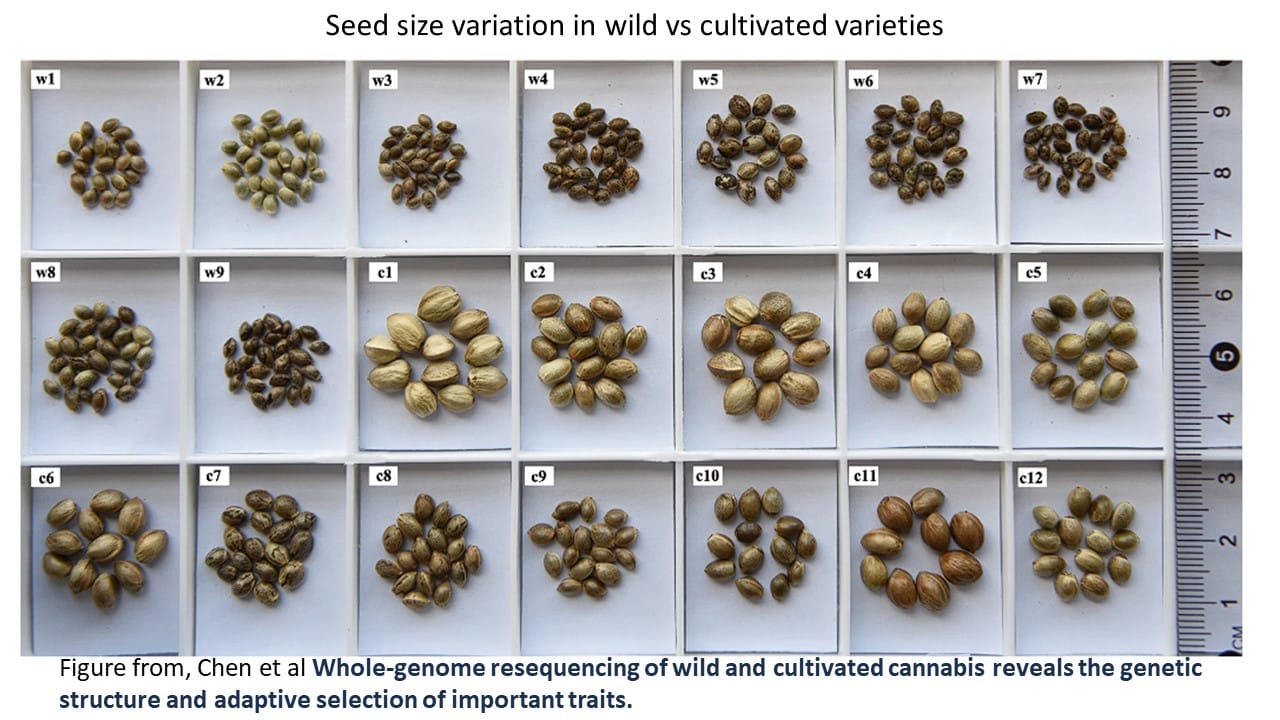
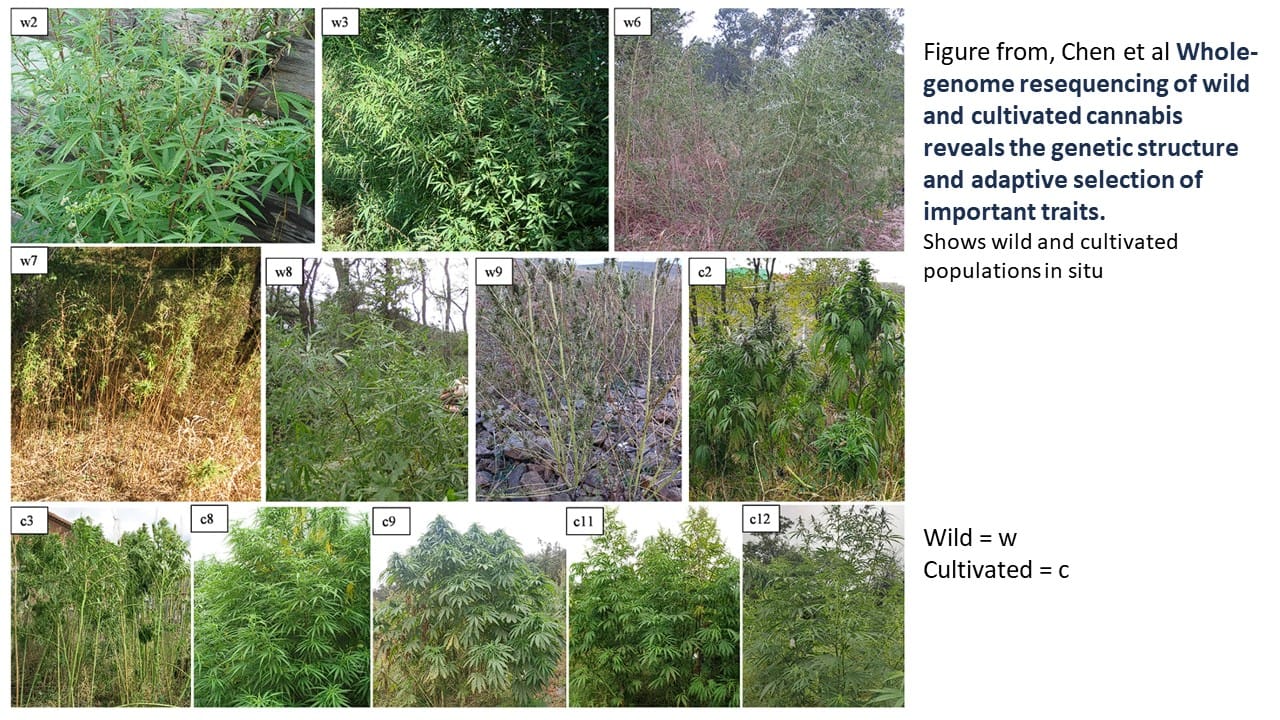
Chen et al. (2021) provided a whole-genome resequencing of cannabis from wild and cultivated populations in China. The study enhances the understanding of how adaptive selection has played a role in shaping cannabis. By comparing wild cannabis to these selected, the study highlighted the evolution of traits like flowering time, seed size, germination and stress responses. This study helps to delineate cannabis's genetic diversity and offers valuable insights for breeding programs.
Conclusion
The genetic variability in Cannabis sativa is shaped by a complex interplay of molecular mechanisms, cultivation techniques and environmental input. Mechanisms such as homologous recombination, transposon activity, and epigenetics are not well studied in cannabis. This underscores the multifaceted nature of cannabis genetics and highlights the need for further research to understand these mechanisms specific to cannabis, and is important for targeted cannabis breeding and advances in medicinal research. The plant of a thousand uses, as it is sometimes called, is still one of the most important yet understudied plants we have.
There is a need for primary, discovery-level research on this plant; it would make an interesting model organism to study. Such an initiative, free from the burden of funders who demand a product to sell at the other end, would allow a deeper understanding of the mechanisms controlling the variability in cannabis. It is likely that while private companies still lead the research effort, we will overlook these fundamental processes in favor of, for example, higher THC production or the next taste sensation.
---------------------------------------------------------------------------------------------------------------------
References:
- Liu, Fang, Xu, Yunjian, Zhou, Lingyan, Ali, Asif, Jiang, Haiyang, Zhu, Suwen, & Li, Xiaoyu. (2019). DNA Repair Gene ZmRAD51A Improves Rice and Arabidopsis Resistance to Disease. International Journal of Molecular Sciences, 20(4), 807. DOI: 10.3390/ijms20040807.
- Zhang, Fanfan, Shen, Yi, Miao, Chunbo, Cao, Yiwei, Shi, Wenqing, Du, Guijie, Tang, Ding, Li, Yafei, Luo, Qiong, & Cheng, Zhukuan. (2020). OsRAD51D promotes homologous pairing and recombination by preventing nonhomologous interactions in rice meiosis. New Phytologist. DOI: 10.1111/nph.16595.
- Palma, C. F., Castro-Alves, V., Morales, L. O., Rosenqvist, E., Ottosen, C., & Strid, Å. (2021). Spectral Composition of Light Affects Sensitivity to UV-B and Photoinhibition in Cucumber. Frontiers in Plant Science, 11, 610011. DOI: 10.3389/fpls.2020.610011.
- Palma, Carolina Falcato Fialho, Castro-Alves, V., Rosenqvist, E., Ottosen, C., Strid, Å., & Morales, L. O. (2021). Effects of UV radiation on transcript and metabolite accumulation are dependent on monochromatic light background in cucumber. Physiologia Plantarum. DOI: 10.1111/ppl.13551.
- Li, Chun-Xia, Xu, Zhi-gang, Dong, R., Chang, Sheng-xin, Wang, Lian-Zhen, Khalil-ur-Rehman, M., & Tao, J. (2017). An RNA-Seq Analysis of Grape Plantlets Grown in vitro Reveals Different Responses to Blue, Green, Red LED Light, and White Fluorescent Light. Frontiers in Plant Science, 8, 78. DOI: 10.3389/fpls.2017.00078.
- Dovlatov, I. (2020). Absorption of the Spectrum of Ultraviolet Radiation by Various Cultures. DOI: 10.22314/2658-4859-2020-67-2-14-20.
- Chen, X., Guo, H., Zhang, Q., Wang, L., Guo, R., Zhan, Y., Lv, P., Xu, Y., Guo, M., Zhang, Y., Zhang, K., Liu, Y.-H., & Yang, M. (2021). Whole-genome resequencing of wild and cultivated cannabis reveals the genetic structure and adaptive selection of important traits. BMC Plant Biology, 21(1). DOI.
- Pan, G., Li, Z., Yin, M., Huang, S., Tao, J., Chen, A., Li, J., Tang, H., Chang, L., Deng, Y., Li, D., & Zhao, L. (2021). Genome-wide identification, expression, and sequence analysis of CONSTANS-like gene family in cannabis reveals a potential role in plant flowering time regulation. BMC Plant Biology, 21(1). DOI.


