

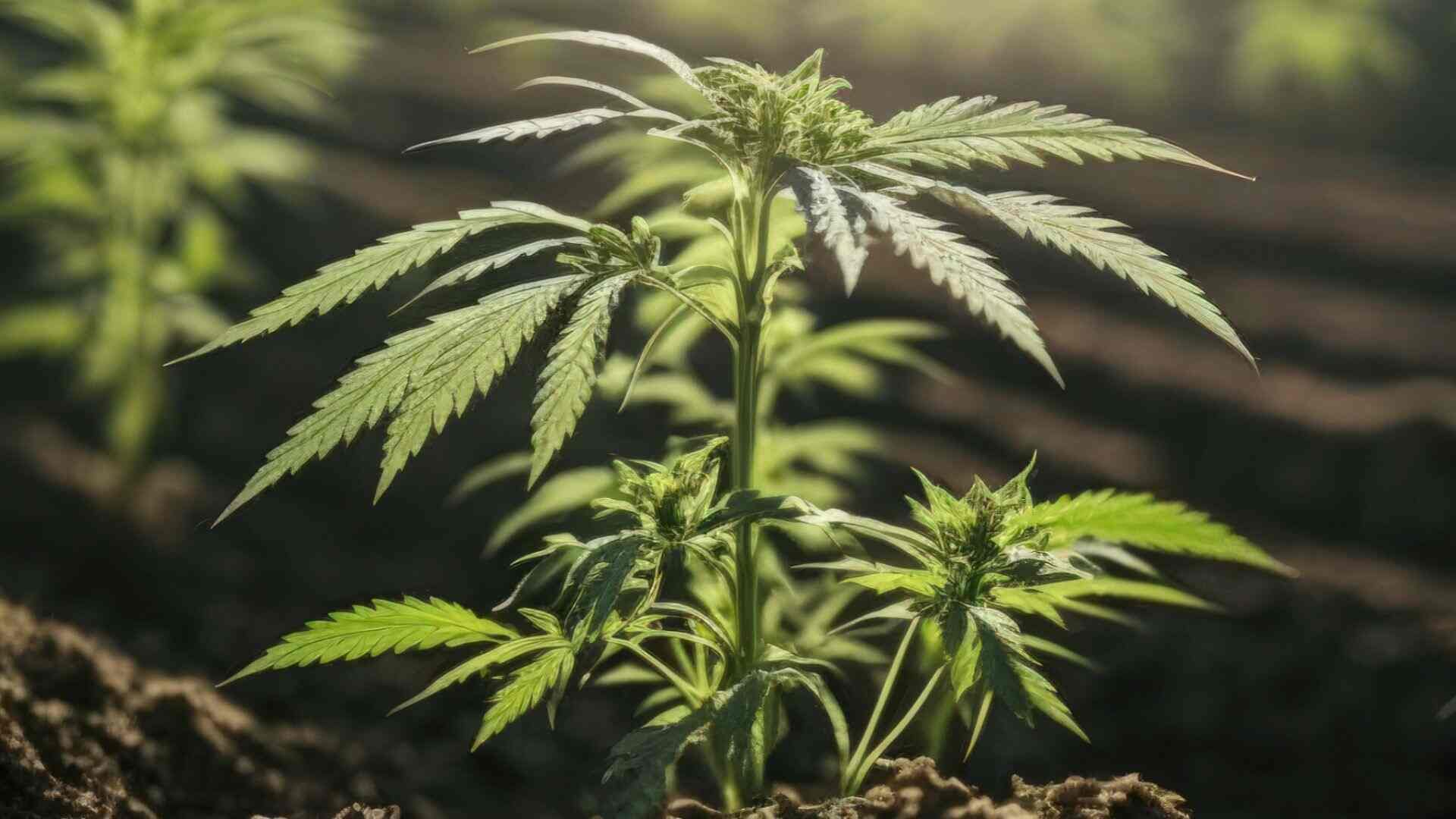
Before we start, right now on Seedsman it's Outdoor March! Click here to visit our promotions page to shop incredible deals and discounts and freebies on the best outdoor cannabis seeds! Need some help deciding what to grow? Click here for our recommendations.
Right, on with the show....
As winter prepares to step aside, spring is waiting in the wings to take the stage. For outdoor cannabis cultivators, it’s time to begin preparing for a new growing season. There’s much to do. While seasoned cultivators will know their way around, newcomers to growing cannabis outdoors will benefit from a checklist and a few essential tips. Here’s what you must do before spring to prepare for outdoor cannabis growing season.
Related Article:
Download the Ultimate Outdoor Grow Guide
Prepare Ahead of Time
Preparing for outdoor cannabis growing requires having everything ready to go. That means that the hardest part is done when the weather and daylight are conducive to starting your grow. You can then get down to the business of producing superb cannabis plants. This means having all the necessary spadework done – the location is chosen, the growing medium is ready, and seeds are germinated and ready to transplant. There are a few other factors to consider, and we’ll also look at these.
You have just under two weeks to prepare, so if you haven’t already ordered your seeds, start there. Once you’ve chosen your genetics, you’ll have a clearer picture of the other prep work.
Choose the Right Genetics
You’re spoiled for choice here – Seedsman offers one of the most comprehensive ranges of high-quality cannabis genetics available today. But there’s much to consider when selecting cannabis seeds, and this is an important part of preparing for outdoor cannabis growing. Of course, your choice will be influenced by what you ultimately want to experience in terms of aromas, flavors, and effects, but how you plan on growing your plants is just as big a factor.
Regular vs Feminized, Photoperiod, Autoflowering, or FAST
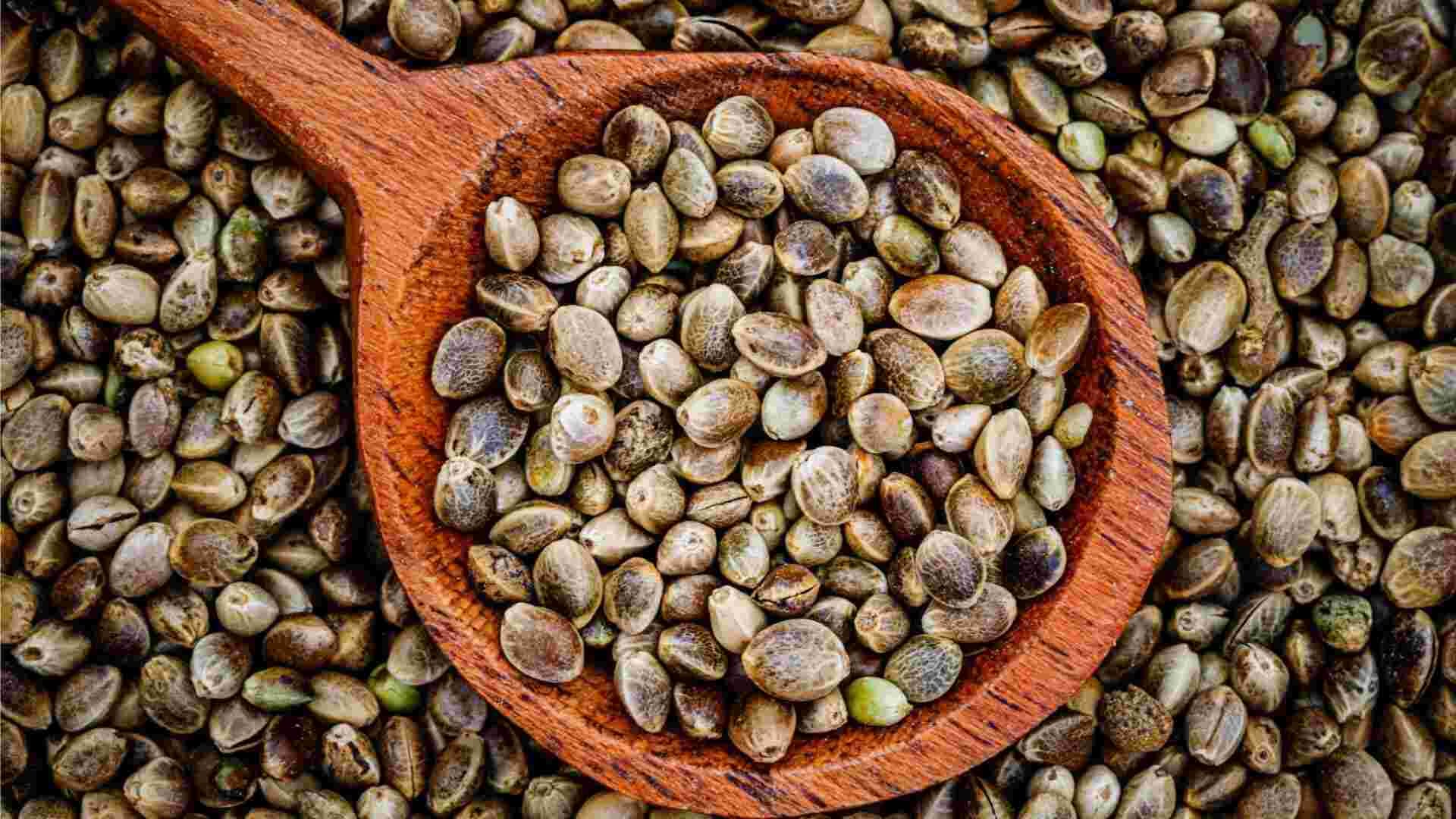
Regular cannabis seeds can produce male or female cannabis plants. If you plan on breeding, choose regular cannabis seeds, as the male plants will help with future pollination. Otherwise, choose feminized seeds to produce only cannabis flowers. Feminized seeds are pre-treated to ensure only female plants grow, and female plants produce the bountiful buds you're after.
Photoperiod cannabis strains require long periods of light to facilitate vegetative growth. This is where cannabis plants grow roots, leaves, and branches. After the vegetative stage, when daily light hours are reduced, the plants will enter the flowering phase, producing buds.
Autoflowering cannabis plants switch from the vegetative stage to the flowering stage based on age or time passed rather than by reduced hours of received light. Autoflowering varieties are generally more compact than photoperiod strains, making them ideal for smaller spaces. Finally, growers can reap multiple harvests in a growing season due to their often-shorter lifecycle.
Fast cannabis strains are often ready weeks before other strains, meaning you can harvest more often. Cannabis growers love fast strains as they also offer a lower likelihood of mold. This is because they’re ready to harvest before damper weather sets in – although fast strains usually thrive in any climate. The downside is that you get smaller plants with lower cannabinoid content and lower yields – but this can be countered by mastering the cultivation process.
Germinate Your Seeds
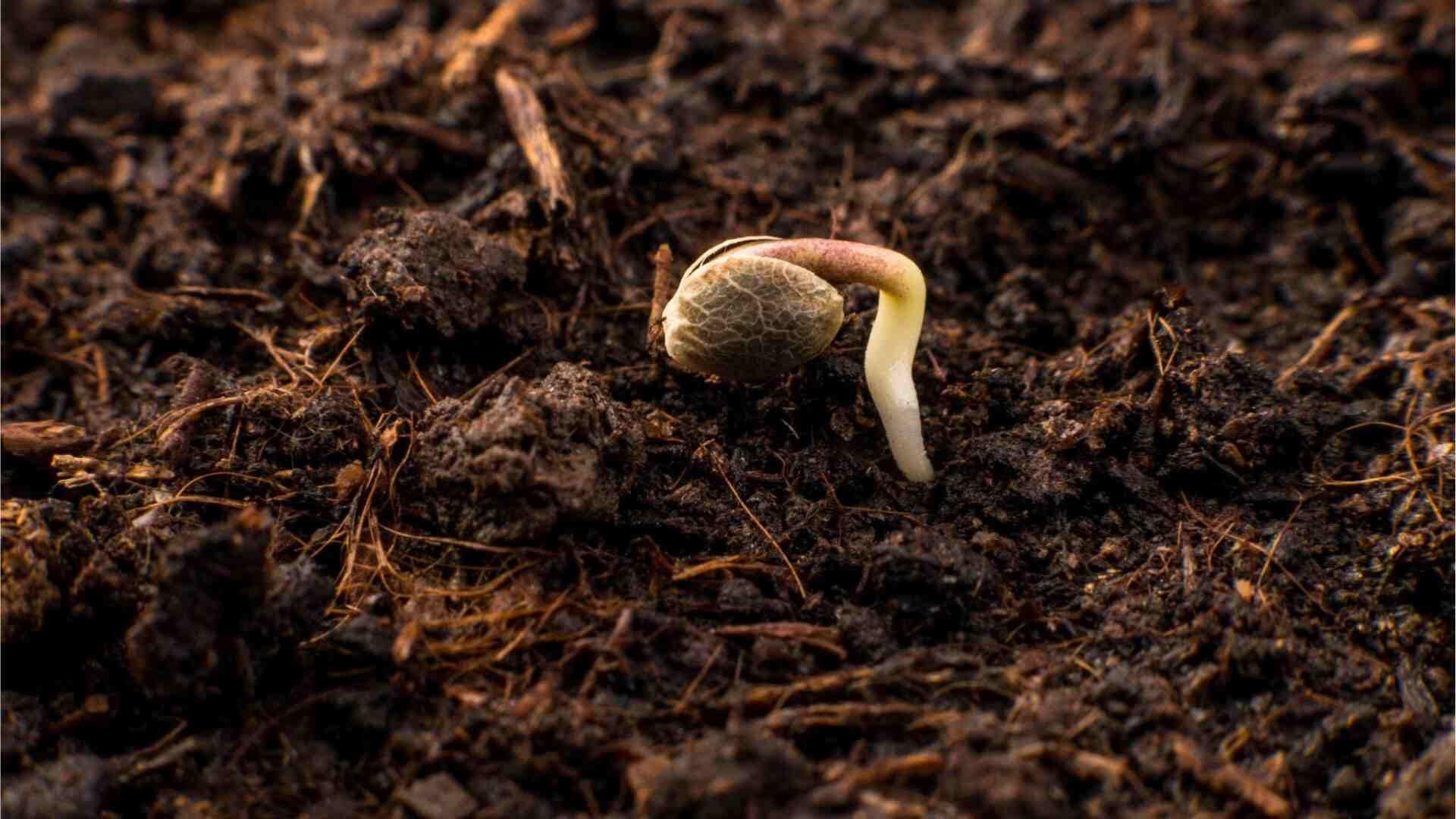
Starting your plants indoors is the easiest way to get the jump on the growing season. Germination can be done using a few different techniques, but you typically need moisture, darkness, and humidity. An easy and popular seed germination method involves placing your seeds on wet paper towels between plates for a few days. You can also sow your seeds straight into pots of damp soil and wait for the seedlings to break the surface.
Choose Your Growing Site
Outdoor cultivation can mean many things, and a cannabis garden doesn’t have to be a plot of land. You may have an allotment or garden where you plan on growing weed, and that’s great - but if you live in an apartment-style building, you may choose a balcony or rooftop to host your outdoor plants. You can even grow cannabis on a windowsill if you're limited for space!
When preparing for outdoor cannabis growing, the key is to observe your planned growing area, and ensure it receives adequate hours of direct sunlight with protection from heavy winds and harsh rains. Make sure the site is not overly sheltered; you run the risk of mold if your plants don’t get enough airflow to counter humidity in flowering plants. Having an idea of your weather tendencies will let you know if you’ve got good growing conditions, and this should help steer your decision when choosing genetics.
Consider sowing some companion plants in this area if you have space – these will attract beneficial bugs to your garden, while herbs or other aromatic plants are great for distracting unwanted pests.
Prepare Your Soil and Fertilizers
Cannabis plants get hungry, just like any growing thing! Water and light are just two of the necessary inputs in cannabis growing. Your plants need food to help them photosynthesize and flower, build proteins and grow. Make sure you give your plants good quality soil with the nutrients it needs. The key nutrients for cannabis are potassium, nitrogen, and phosphorus, but there’s a host of micronutrients that will benefit your plants, too.
Quality potting soil is the best place to start and will do just fine if you’re growing your plants in pots. If you can buy a cannabis-specific soil blend, this will be your easiest way forward. If you have to make it yourself, don’t panic - there are various recipes and ratios to follow online.
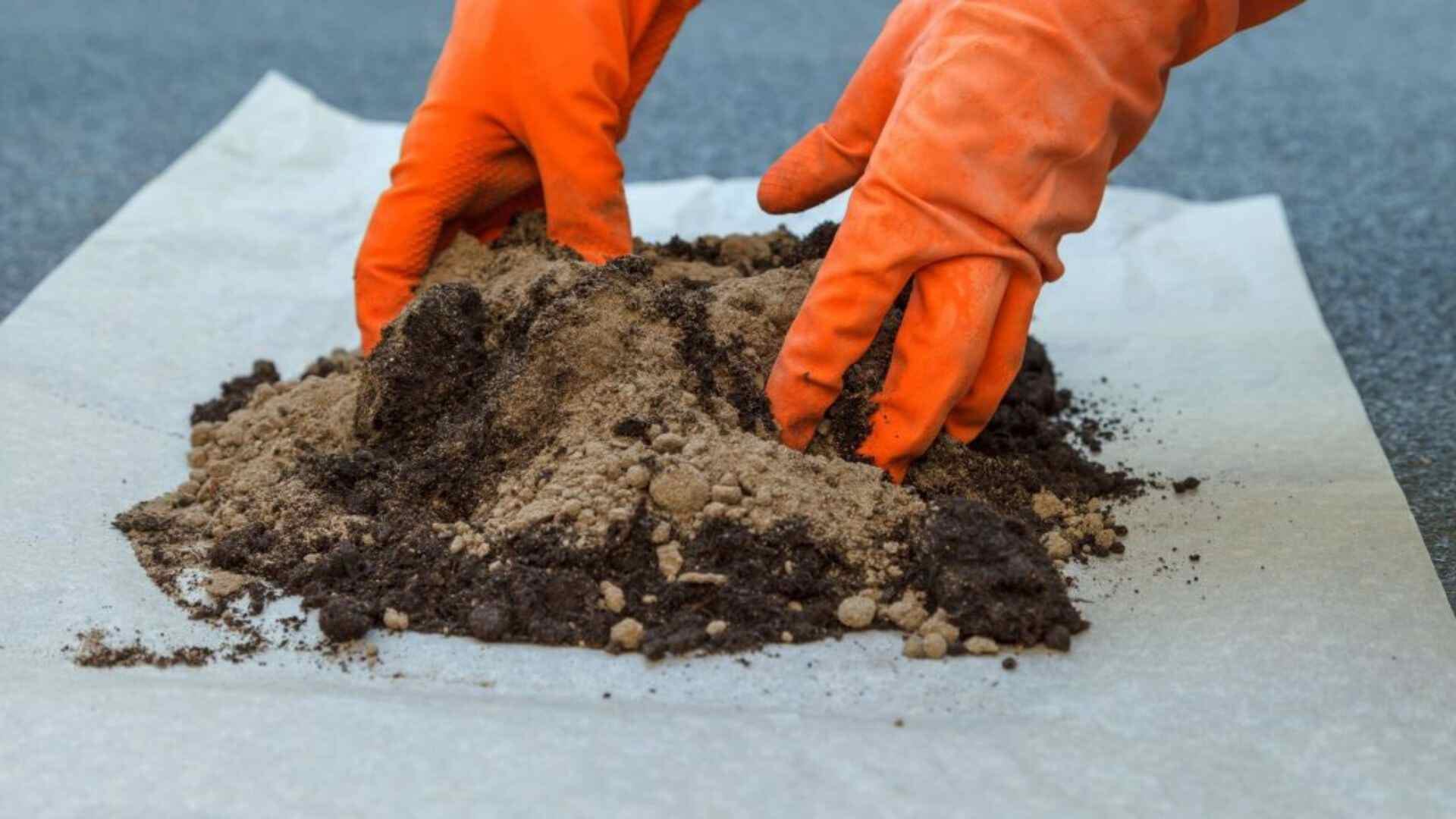
The key is ensuring you don’t overdo the amendments, and first-time growers should stay on the skimp side until they have gained some experience. You can always add nutrients/amendments if needed; it’s much harder to remove than add them. Otherwise, team up with another grower with a working soil mix and follow their example or obtain soil from them.
The Importance of Climate
One thing for which you must prepare accordingly is your specific regional climate. The weather and conditions of your area will shape many things, from the genetics you need, to plant care, and the very outcome of your project. Failure to prepare for the nuances of your regional climate can lead to a spoiled grow.
Traditionally, it was stated that Indica cultivars tend to thrive well in colder areas, and sativas do well in warmer climates – but since most strains nowadays are hybrids, it’s not as straightforward as that. Be especially aware of how the weather changes toward the end of the summer season in your area, and know what to expect weather-wise when autumn rolls around. Your climate may experience great summer conditions, but areas of the northern hemisphere, for example, may be apt to rainier weather from September through November. This increases the chances of mold later in your plant’s flowering stages, and you’ll need to plan accordingly. In such situations, outdoor growers might opt to produce autoflower strains or fast-flowering cannabis plants, as they develop quickly and handle weather changes well.
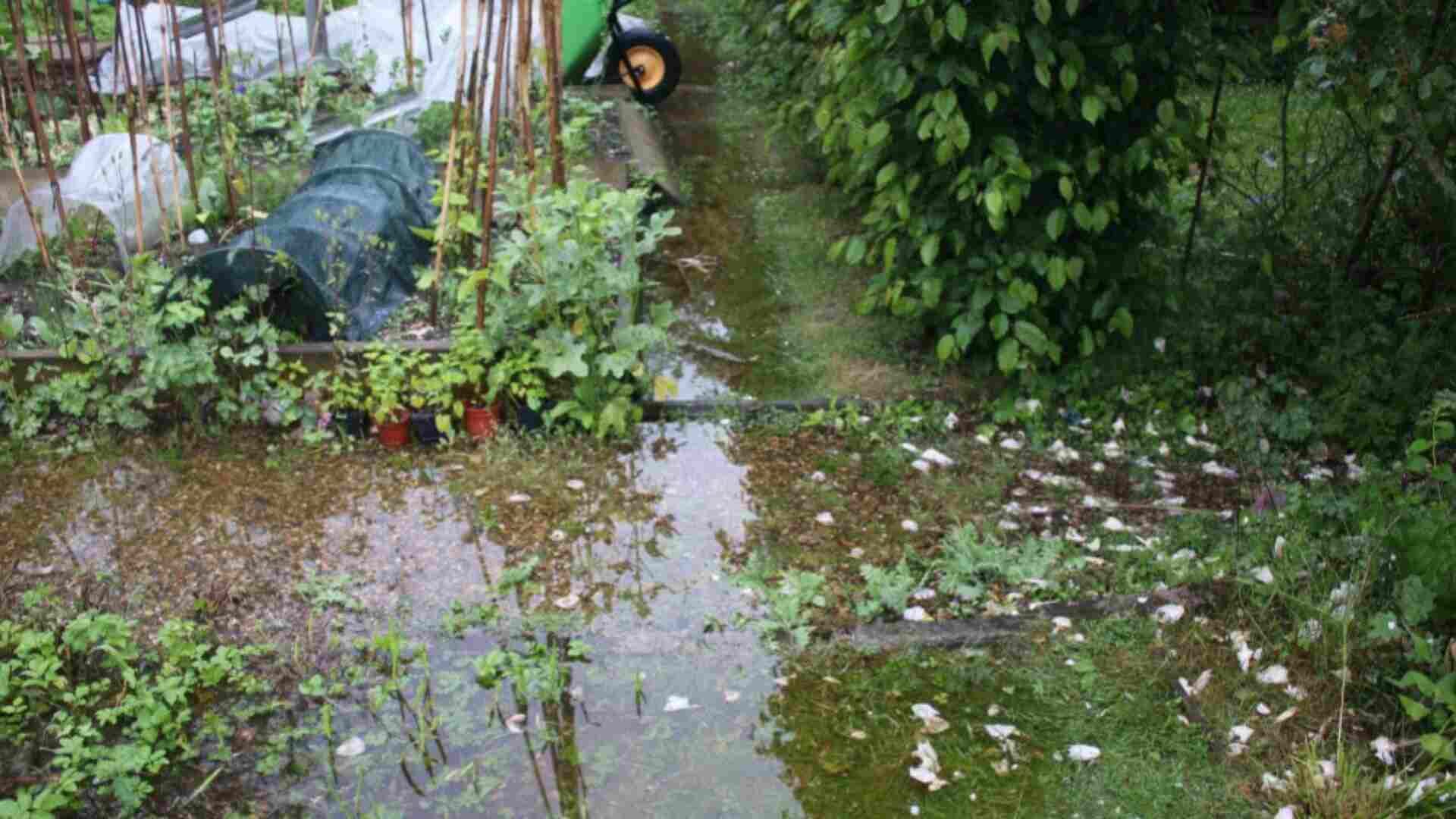
Study the details of your region and plan accordingly. Be aware of hours of sunlight, typical temperatures in the height of summer, and when daylight hours start to diminish. That way, you’ll know when to take a specific action.
Related Article:
Growing in the ground vs containers
Planting In The Ground vs Containers
If you’re preparing for outdoor cannabis growing, don’t forget to factor in your planting strategy. Many recommend growing your plants in pots rather than directly in the ground for beginners. This is because pots have an advantage – if you find your location is receiving adverse weather detrimental to your plants, it’s far easier to lift and relocate the pots. If your climate is unlikely to be troubled by harsh rains or high winds, this is less of a factor for you, but Northern Europe especially can still see high amounts of rain even in summer.
Providing Shelter For Your plants
Preparing for outdoor cannabis growing requires pre-emptive problem solving. Growing weed outdoors comes with some hazards, but there are solutions which are inexpensive and easy to implement. One of these hazards is weather. Imagine you’re a good few weeks into flowering, and you come out to check on your marijuana plants only to find them scattered about the garden, on their sides, and damaged. Knowing you could’ve guarded against this with a few simple steps would make matters worse.
Where you position your plants is vital to preventing damage from the elements. Look for a spot where there’s a degree of protection from winds. A few trees, a wall, a hedge – so long as it doesn’t impede the sun’s rays from reaching your plant. This is where you need to do your homework to ensure your plants' safety. Get out into your planting area and carry out a risk assessment. Take note of everything from shadow to which areas receive the best protection from wind and rain.
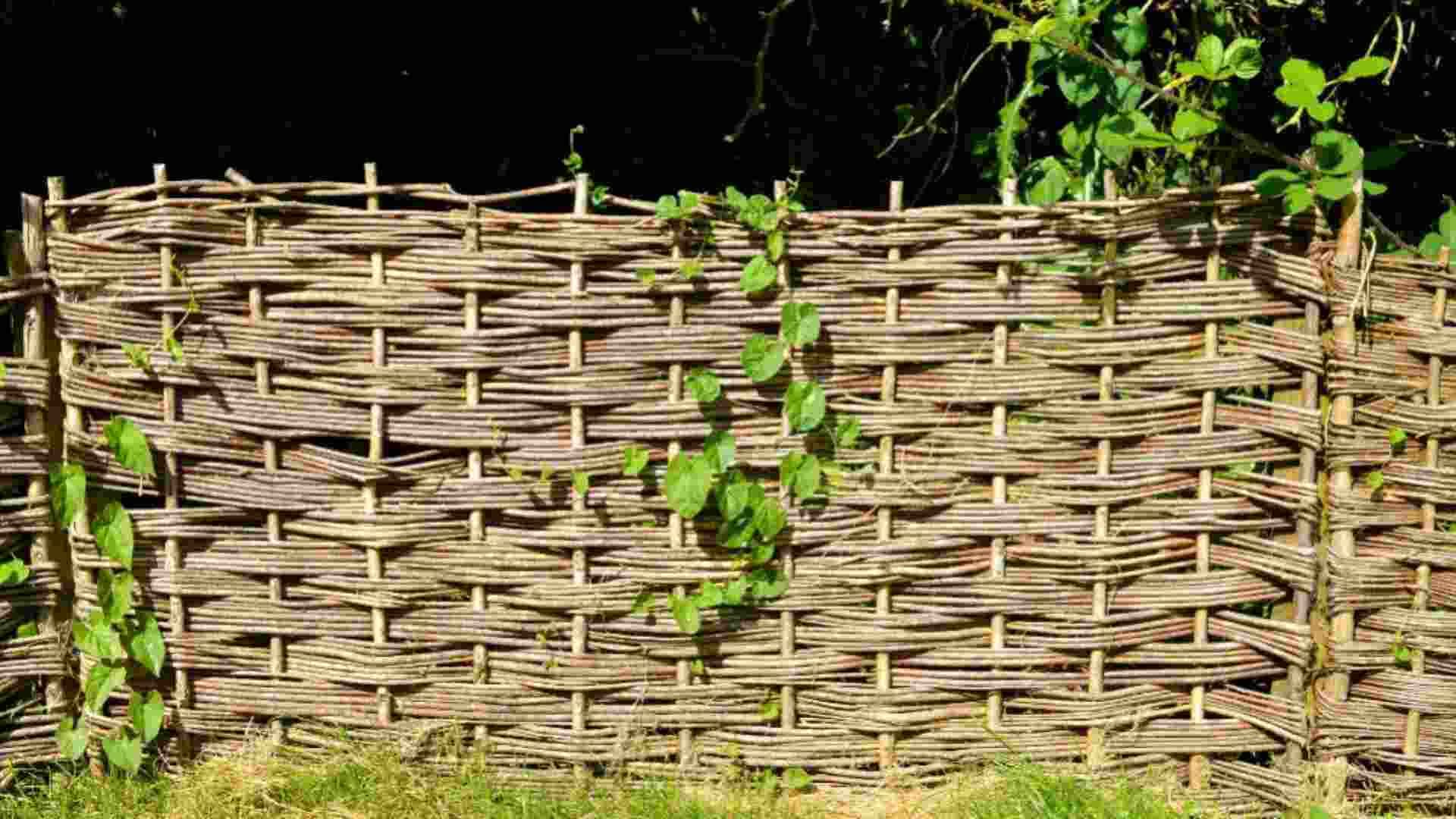
Remember: You want your plants to receive enough breeze to fend off humidity but not so much as to cause bending or knock them over completely. Prepare for heavier winds by having stakes and ties handy to prop up your plants and provide support in case higher winds arise. If your climate is prone to higher winds, consider buying or making a windbreak to protect your outdoor cannabis plants.
Protect your Plants From Frost
One snap frost in autumn can severely damage a cannabis plant. Pay close attention to the weather forecast, but also be aware of sudden drastic drops in temperature and be prepared to take action. Once the surface moisture on the plant freezes, it will kill cells below the surface too, and that kind of damage can’t be reversed.
The beauty of growing in pots is that in the event of a cold snap, you can move your plants indoors to stop them from suffering at the hands of frost. But if you’re growing many plants, that may not be possible. If that’s the case, a makeshift structure with a covering can prevent damage. It’s vital to ensure you have some clearance between the cover and the plants, though – don’t just toss a sheet over the top of your crop.
Related Article:
How to Protect your Cannabis from Extreme Heat or Cold
Protect your Plants from Scorching Heat
In some countries, the summer heat gets downright unbearable. If you’re feeling uncomfortable, your plants are, too. Choosing the right strain for your climate goes some way to mitigate this, and choosing sativa genetics is a safe bet to ensure plants won’t struggle. But what happens when the mercury starts pushing into the danger zone? Heat stress causes plants to droop and wilt and even stop growing.
If you live in warm climates and plan on growing outdoors, erecting a cover to protect your plants during the hours when the sun’s rays are at their peak is good. A breathable fabric such as mesh shade netting can save your plants from the worst of it while at the same time letting enough sunlight through so as not to hinder plant growth.
Preparing For Outdoor Cannabis Growing - Key Takeaways
Following the above steps ahead of growing season can make all the difference. You’ve heard of prevention being better than cure, right? Have a plan, and don’t just wing it. Being proactive as opposed to reactive can save your outdoor plants from failing. The most important things you can do are choose suitable genetics for your climate, know the weather tendencies of your climate, and have plans in place to deal with any extreme changes in weather.
Take the sting out of your outdoor grow project by being prepared. That way, when something does arise, you have the tools at your disposal to deal with it and keep your plants thriving. Growing marijuana outdoors is an experience every cultivator should try. Bear the above in mind, plan accordingly, and most of all, have fun!
Good luck!


