


Weed buds are central to the cannabis experience, packed with the cannabinoids and terpenes that give the plant its effects and aroma. Whether you’re a grower or a consumer, understanding the quality and potency of weed buds is key to maximizing their benefits. This article covers everything from bud structure to optimal growing conditions, seed selection, and proper harvesting techniques, ensuring you get the best from your weed bud.
Key Takeaways
Understanding the structure of cannabis buds, including calyxes, pistils, colas, and trichomes, is vital for optimizing growth and improving yields.
Choosing high-quality cannabis seeds, such as feminized and auto-flowering strains from reputable sources, has a significant impact on the quality of the buds produced.
Optimal growing conditions, including light, temperature, humidity, and nutrient management, are crucial for achieving superior cannabis bud quality.
Understanding the Structure of Weed Buds

Understanding the structure of weed buds is essential for any cannabis grower. These petal-less flowers of female cannabis plants are where the magic happens, housing the vital elements that make cannabis such a unique plant. Familiarity with the various components of the cannabis flower can enhance your growing techniques and improve yields. The structure of cannabis buds shares similarities with other plant species, as understanding the different parts of various plant species is crucial for successful cultivation.
Calyxes and pistils are fundamental components of the cannabis flower. Calyxes play a critical role in protecting the flower and are responsible for the formation of pistils and trichomes. Pistils, on the other hand, contribute to reproduction and change color to indicate the plant’s maturity.
Colas and sugar leaves are also vital. Colas are dense clusters of buds that form on the plant, resulting from close growth during the flowering stage. Sugar leaves are the small leaves surrounding the buds, known for their high trichome content, which enhances their resinous quality.
Trichomes and stems complete the picture. Trichomes are small, glandular structures found on the surface of cannabis buds, where they store cannabinoids and terpenes. Stems provide structural support to the cannabis plant and can be manipulated for better yields. Understanding these elements can help you grow cannabis more effectively.
Calyxes and Pistils

Calyxes are the unsung heroes of the cannabis flower. These protective structures house the seeds and increase in number as the plant enters the flowering stage. As your young plants transition into flowering plants, you’ll notice the calyxes becoming more prominent, encasing the seeds and playing a crucial role in the development of the pistils.
Pistils are equally important, primarily involved in the reproduction of cannabis plants. Key points about pistils include:
They are hair-like structures.
They change color from white to reddish-brown or orange as the plant matures.
This color change indicates harvest readiness.
Monitoring the color of the pistils can help you determine the perfect time to harvest your mature plant.
Pistils play a vital role in the reproductive process, as they allow the plant to produce seeds after pollination.
Colas and Sugar Leaves
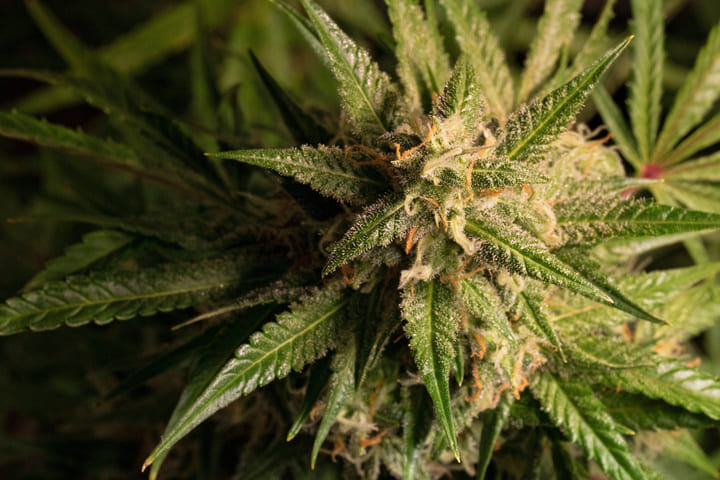
Colas are the crown jewels of cannabis plants, forming dense clusters of buds that are highly sought after by cannabis growers. These clusters develop early during the flowering stage, with significant growth occurring between the second and fourth weeks of flowering. For many growers, colas represent the most desirable part of the plant due to their dense and resinous quality.
Sugar leaves, which surround the buds, are named for their high trichome content that gives them a sugary appearance. These small leaves are not only visually appealing but also contribute to the plant’s overall potency and resinous quality. At harvest time, these sugar leaves contribute to the overall yield and quality of the buds.
Trichomes and Stems
Trichomes are the tiny, glistening structures that make cannabis buds so special. Found on the surface of the buds, these glandular structures store the cannabinoids and terpenes that are responsible for the plant’s effects and aroma. The concentration and quality of trichomes are key indicators of a cannabis plant’s potency and overall quality. Trichomes are also harvested during cannabis processing to produce cannabis concentrates, including cannabis oil, through various extraction techniques.
Stems, though often overlooked, play a vital role in supporting the cannabis plant and its branches. They provide structural integrity and can be manipulated through various training techniques to improve light exposure and boost yields. Understanding the interplay between trichomes and stems can help you optimize your growing techniques for better results.
Choosing the Right Cannabis Seeds for Quality Buds

The journey to growing top-quality cannabis buds begins with selecting the right seeds. High-quality cannabis seeds are fundamental for robust plant growth and achieving superior buds when growing cannabis. Starting with a healthy cannabis seed is essential for successful cultivation, as it sets the foundation for the entire plant's life cycle. The genetics of the seeds you choose will significantly impact the growth patterns and the quality of the buds produced.
Both feminized and regular seeds offer unique advantages:
Feminized seeds are bred specifically to eliminate male plants.
This ensures that growers cultivate only those plants that produce buds.
This optimizes yield potential.
It also simplifies the growing process.
Feminized seeds were developed to help growers produce predominantly female plants, and their popularity has grown due to their reliability in delivering high-yield, resin-rich crops.
Auto-flowering strains are another option to consider. These strains are the quickest for novice growers, with some ready to harvest as soon as 10 weeks after germination. They offer a fast turnaround and are ideal for those looking to maximize their harvest time.
Lastly, sourcing your seeds from reputable seed banks is a must. Purchasing from established suppliers increases the likelihood of receiving genetically stable seeds with high germination rates. Avoiding unknown sources minimizes the risk of low-quality seeds that may lead to poor growth. Selecting cannabis seeds from a known mother plant can further ensure consistent genetics and reliable results in your cultivation.
Feminized Seeds vs. Regular Seeds
Feminized seeds are a game-changer for cannabis growers. These seeds are specifically bred to produce only female plants, which are the ones that produce buds. This eliminates the need to identify and remove male plants, streamlining the growing process and maximizing yield potential.
Regular seeds, on the other hand, have a mix of male and female plants. While they offer genetic diversity, they require more effort to manage, as male plants must be identified and removed to prevent them from pollinating the females and reducing bud quality.
Auto Flowering Strains

For beginners, auto-flowering strains are a great option because:
They are easy to grow and require less maintenance.
They automatically transition from the vegetative phase to the flowering stage without needing a change in light cycles.
This simplicity makes them ideal for novice growers and those with limited time, especially when considering the benefits of auto-flowering varieties.
Another advantage of auto-flowering strains is their quick harvest time. Some strains can be ready to harvest as early as 10 weeks after germination, allowing for multiple harvests in a single growing season. This rapid turnaround can be particularly beneficial for growers looking to maximize their production.
Reliable Seed Sources
When it comes to sourcing your seeds, reliability is key. Purchasing from established seed banks ensures that you receive:
Genetically stable seeds with high germination rates
A wide range of strains
Valuable information about the genetics and growing requirements of their seeds
Avoiding unknown sources is equally important. Seeds of low quality from unreliable suppliers can lead to poor growth and a disappointing harvest. Choosing trusted seed banks increases your chances of success, allowing you to embark on your cannabis growing journey confidently.
Optimal Growing Conditions for Superior Buds
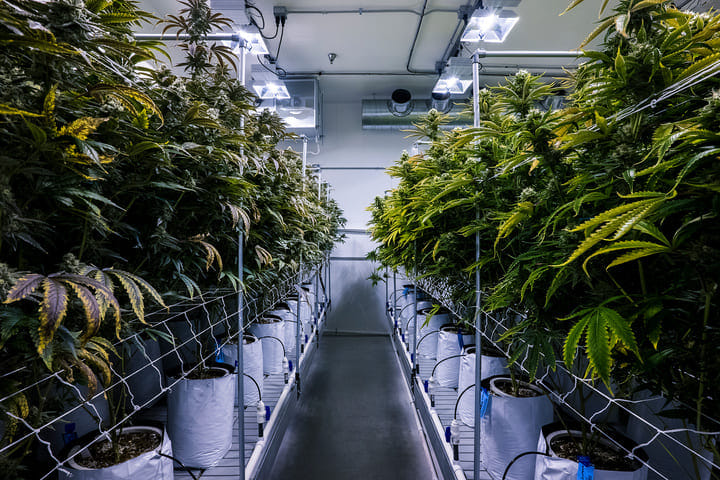
Creating the perfect environment for your cannabis plants is essential for achieving top-quality buds. The right growing conditions for growing cannabis indoors can make all the difference in the health and yield of your plants. Indoor growing requires additional equipment and management, such as grow lights, ventilation systems, and climate control, to replicate natural conditions for successful cultivation. Key factors include lighting, temperature and humidity control, and proper ventilation.
Lighting plays a crucial role in bud development. Using the right lighting, such as LED grow lights, enhances bud development by providing the necessary light conditions. Fluorescent light, especially T5 grow lights, is often used for seedlings and young plants, but is generally less effective than LED grow lights for overall cannabis growth and yield. Proper light management also prevents issues like light leaks, which can stress the plants and disrupt their flowering cycle.
Temperature and humidity control are equally important. Maintaining optimal temperature and humidity levels helps prevent issues such as bud rot and mold growth during the flowering stage. Proper air circulation and ventilation are also crucial for promoting plant health and maximizing bud yield.
Carefully managing these environmental factors creates the ideal conditions for your cannabis plants to thrive and produce high-quality buds. These conditions are vital not only for cannabis but also for marijuana cultivation, ensuring healthy growth and optimal yields.
Lighting for Bud Development

Quality lighting is essential for optimal bud development in cannabis plants. Common lighting options include:
LED grow lights: considered the best option for most home growers due to their efficiency and light spectrum.
Metal halide bulbs: offer unique benefits.
High-pressure sodium bulbs: also provide unique benefits.
Preventing light leaks is crucial for maintaining a consistent light cycle. Light leaks during the dark cycle can confuse plants, leading to stress and poor flowering. Ensuring that all grow areas are completely dark during nighttime helps prevent these issues and supports healthy bud development.
Temperature and Humidity Control
Maintaining optimal temperature and humidity levels is vital for healthy cannabis growth. Key points to consider during the flowering stage include:
Reduce humidity to 40-50% to prevent mold and bud rot.
Ensure proper air exchange in the grow room to prevent heat buildup.
Promote healthy plant growth through adequate ventilation.
Using fans for air circulation can help mitigate temperature spikes and maintain optimal growing conditions. By carefully controlling these environmental factors, you can create a conducive environment for your cannabis plants to flourish.
Ventilation and Fresh Air
Proper air circulation is crucial for maintaining optimal growing conditions, leading to healthier plants and increased bud yields. Many growers struggle with constructing effective grow boxes, resulting in poor air circulation and increased costs. Ensuring good ventilation helps prevent stale air, which can lead to mold and reduce overall plant health.
Careful removal of fan leaves prior to drying improves airflow, which is essential for preventing mold during the drying process. Prioritizing ventilation and fresh air significantly enhances the quality of your cannabis buds.
Nutrient Management for Healthy Bud Growth
Nutrient management is a basic and essential aspect of growing cannabis. While nutrients are often referred to as plant food, they actually function more like vitamins or supplements for cannabis plants. Balanced feeding is crucial—excessive nutrients can harm growth, so providing the right amount supports healthy development and yields. Key nutrients like nitrogen, phosphorus, and potassium are required during different stages of cannabis plant growth. Maintaining the correct nutrient balance is essential for healthy bud development and overall plant health.
Essential nutrients play a significant role in the growth and development of cannabis plants:
Nitrogen: Crucial for vigorous vegetative growth, helping in leaf and branch development.
Phosphorus: Aids in root growth and flower development.
Potassium: Enhances the plant’s overall health and resistance to pests.
Managing pH levels is also vital for nutrient absorption. Soil should ideally have a pH range of 6-7, while hydroponics systems require a slightly lower range of 5.5-6.5. Maintaining proper pH levels ensures that cannabis plants can effectively absorb the necessary nutrients.
Identifying and correcting nutrient deficiencies is necessary for maintaining healthy plants. Common signs of nutrient deficiencies include yellowing leaves and poor bud development. Using products like Fox Farm fertilizers can effectively correct nutrient deficiencies and promote healthy bud growth.
Essential Nutrients
Cannabis plants require a balanced blend of nutrients to thrive. During the vegetative stage, a nutrient blend with the following characteristics is typically used:
High nitrogen levels: vital for leaf and branch development
Moderate potassium: improves the plant’s overall health and resistance to pests
Low phosphorus
Underfeeding can cause plants to exhibit yellowing leaves and stunted growth. First-time growers are advised to use a simple nutrient system from a trusted company to ensure their plants receive the essential nutrients they need for healthy growth.
Managing pH Levels
Maintaining the optimal pH range is crucial for nutrient absorption. Soil should ideally have a pH range of 6 to 7, while hydroponics systems require a slightly lower range of 5.5 to 6.5. Proper pH levels ensure that cannabis plants can effectively absorb the necessary nutrients for healthy growth.
Monitoring and adjusting pH levels regularly can prevent nutrient lockout and ensure that your plants receive the nutrients they need to thrive. Using pH testing kits and pH adjusters can help maintain the ideal pH range for your growing medium.
Identifying and Correcting Deficiencies
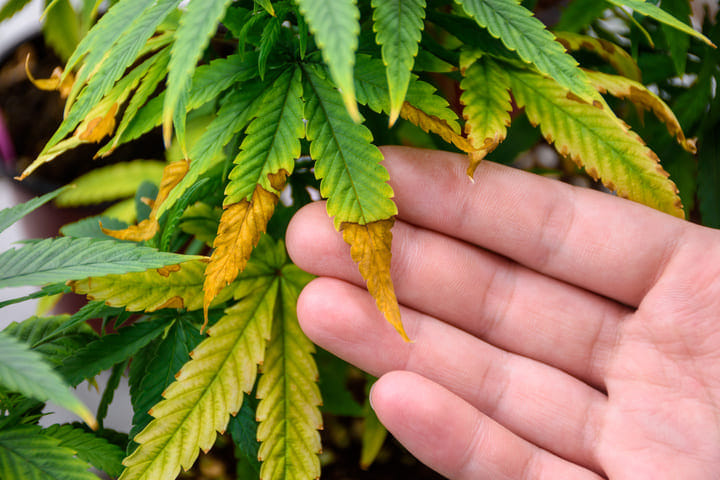
Identifying nutrient deficiencies early can make a significant difference in the health and yield of your cannabis plants. Common signs of deficiencies include:
Yellowing leaves
Poor branching
Stunted growth
Adjusting nutrient levels based on these signs will prevent stress and ensure healthy plant development.
Excessive nutrients can also harm cannabis plants, so it’s essential to find a balance. Using too many nutrients or mixing the wrong ones can cause additional issues. Many growers find that using nutrients at about half the recommended strength is most effective. Carefully managing nutrient levels helps maintain healthy plants more resistant to pests and diseases.
Harvesting Weed Buds at the Right Time
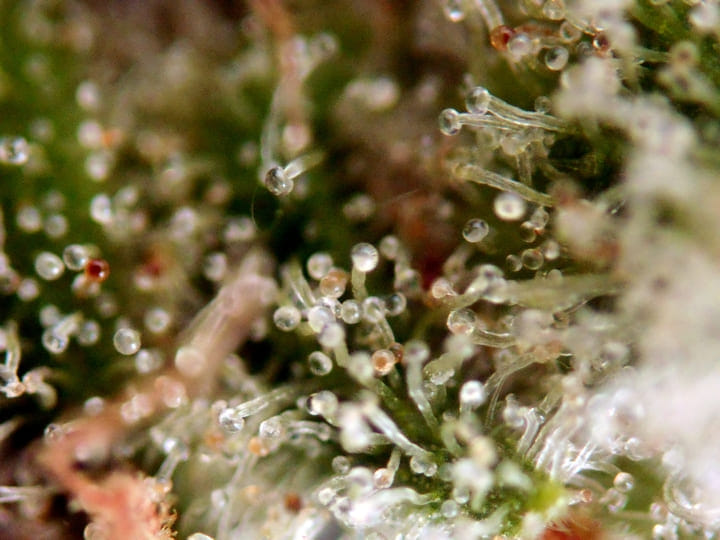
Harvesting your cannabis buds at the right time will maximize potency and flavor. The color of pistils and trichomes are key indicators of readiness. As the plant matures, pistils change from white to yellow and eventually to reddish-brown or orange, signalling that it’s time to harvest.
Visual signs of maturity can guide you in determining the perfect harvest time:
Most pistils have turned brown and receded into the calyx, indicating the buds are ready for harvest.
Trichomes should appear milky white.
About 10% of trichomes turning amber for a more sedative effect.
Patience is essential—waiting for the ideal harvest day ensures your buds reach full maturity, maximizing both potency and yield.
These visual cues ensure that you harvest your cannabis at its peak potency and flavor.
Techniques for harvesting are also important. Using sharp, clean scissors or shears helps prevent damage to the buds and ensures a clean cut. Many growers prefer manual harvesting, using gloves and clean tools to avoid contamination and preserve the quality of the buds.
Proper drying and curing enhance the flavor, potency, and longevity of your cannabis buds. During the initial drying phase, maintain humidity around 50-55% and temperatures between 60-70°F (15-21°C). Curing the buds in sealed jars for 2-4 weeks further enhances their flavor and aroma while preventing mold development.
Further Reading:When To Harvest: Master Harvesting Tips and Tricks By Jorge Cervamtes
Visual Signs of Maturity
Buds are not ready for harvest when most pistils are still white and protruding straight out. As the plant matures, pistils change from bright white to reddish-brown or orange. Harvesting is typically ideal when 50-70% of the pistils have changed color.
Trichomes provide an additional indicator of maturity. Using a magnifying tool, such as a jeweler’s loupe, helps accurately assess trichome color. Trichomes should appear cloudy or milky for a potent harvest, while amber-colored trichomes indicate a more sedative effect.
Techniques for Harvesting
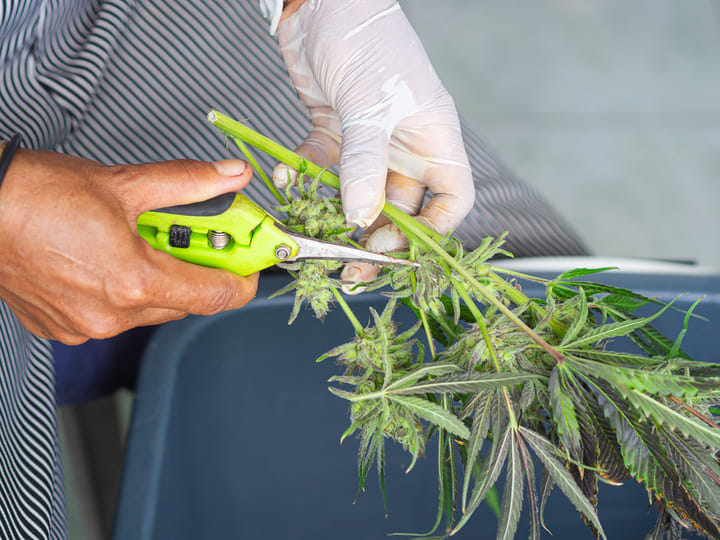
Key points about harvesting include:
Sharp, clean scissors or shears ensure a clean cut during harvesting, preventing bud damage.
Manual harvesting is popular among small-scale growers.
Manual harvesting typically involves using gloves and clean tools to avoid contamination.
For many growers, the time to harvest is a period of great anticipation in the garden. Ensuring that your tools are ready and your technique is precise can make the difference between most growers achieving a good harvest and a great one.
Drying and Curing
Proper drying and curing are essential to enhance the flavor, potency, and longevity of your cannabis buds. During the initial drying phase, maintain humidity around 50-55% and temperatures between 60-70°F (15-21°C) for the first week.
Curing cannabis for 2-4 weeks in sealed jars further enhances flavor and aroma while preventing mold development. This process allows the buds to develop their full potential, resulting in a superior final product.
Common Issues and Troubleshooting
Even experienced growers face unexpected problems that can impact bud quality for personal use. Low-quality cannabis, sometimes referred to as ditch weed, is often the result of such issues and stands in stark contrast to premium buds. Documenting any issues encountered during cultivation can help track problems and improve future grows. Using a notebook or calendar to make notes on cultivation can be beneficial for tracking problems.
Pest and disease management is essential for maintaining healthy plants. Regularly inspecting plants can help identify early signs of pest infestations. Monitoring individual plants closely is important for catching problems before they spread. Effective air circulation is also essential to prevent stale air, which can lead to mold and reduce overall plant health.
Light leaks and stress can significantly impact plant health and yield. Light leaks during the dark cycle can stress plants, leading to hermaphroditism and poor flowering. Ensuring a light-tight grow space and maintaining consistent temperature and humidity levels can mitigate these issues. How many plants a grower can manage effectively will depend on their setup and experience.
Overfeeding and underfeeding are common issues that growers face. Symptoms of overfeeding include nutrient burn, while underfeeding can lead to nutrient deficiencies. Adjusting nutrient levels promptly based on the signs of deficiencies is essential for maintaining healthy cannabis plants.
Pest and Disease Management
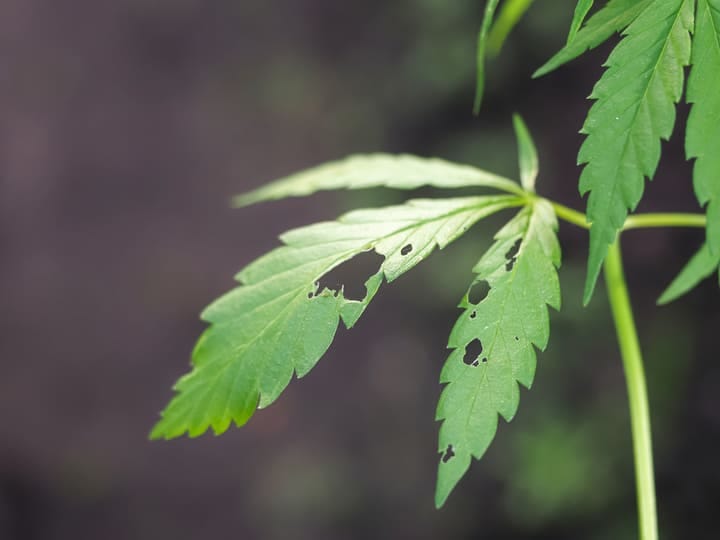
Regularly inspecting your cannabis plants can help catch pest infestations early. Effective air circulation is crucial to prevent stale air, which can lead to mold and reduce overall plant health.
Implementing Integrated Pest Management (IPM) strategies can also help control pest populations effectively, ensuring healthier plants.
Light Leaks and Stress
Understanding the optimal growing conditions will maximize bud quality, including:
Light
Temperature
Humidity
Ventilation
Light leaks during the dark cycle can confuse plants, leading to stress and poor flowering.
Ensuring a light-tight grow space and maintaining consistent environmental conditions can prevent these issues and support healthy plant growth, whether plants are grown indoors during the grow cycle using a grow light or outdoors.
Overfeeding and Underfeeding
Recognizing signs of overfeeding and underfeeding is essential for maintaining healthy cannabis plants and achieving optimal bud quality. Symptoms of nutrient deficiencies include yellowing leaves, poor root growth, and reduced flowering. Adjusting nutrient levels promptly based on these signs can prevent stress and ensure healthy plant growth.
Excessive nutrients can harm cannabis plants, indicating the need for optimal, relatively low levels for healthy growth. By carefully managing nutrient levels, you can maintain healthy plants and achieve superior bud quality.
Summary
Growing cannabis successfully requires a combination of knowledge, practice, and attention to detail. Understanding the structure of weed buds, choosing the right seeds, creating optimal growing conditions, managing nutrients, and harvesting at the right time are all crucial steps in achieving top-quality results. By following these expert tips and troubleshooting common issues, you can master the art of cannabis cultivation and enjoy the rewards of your hard work.
Frequently Asked Questions
Why are feminized seeds recommended for beginners?
Feminized seeds are ideal for beginners, as they eliminate the hassle of identifying and removing male plants, resulting in a more straightforward growing experience and optimized yield potential.
How can I tell when my cannabis buds are ready for harvest?
Your cannabis buds are ready for harvest when most pistils have turned brown and receded, and trichomes appear milky white with around 10% amber. This is the optimal time for peak potency.
What is the importance of maintaining proper pH levels in cannabis cultivation?
Maintaining proper pH levels is essential for optimal nutrient absorption in cannabis cultivation, with soil ideally ranging between 6.0 and 7.0, and hydroponics between 5.5 and 6.5. This ensures plants receive the necessary nutrients for healthy growth and development.
How can I prevent pest infestations in my cannabis plants?
To effectively prevent pest infestations in your cannabis plants, regularly inspect them, maintain good air circulation, and utilize Integrated Pest Management (IPM) strategies. These practices will promote healthier growth and minimize pest risks.
What are the benefits of using LED grow lights for cannabis cultivation?
Using LED grow lights for cannabis cultivation offers efficiency, a tailored light spectrum for optimal bud development, and the prevention of light leaks, making them an ideal option for home growers.


