

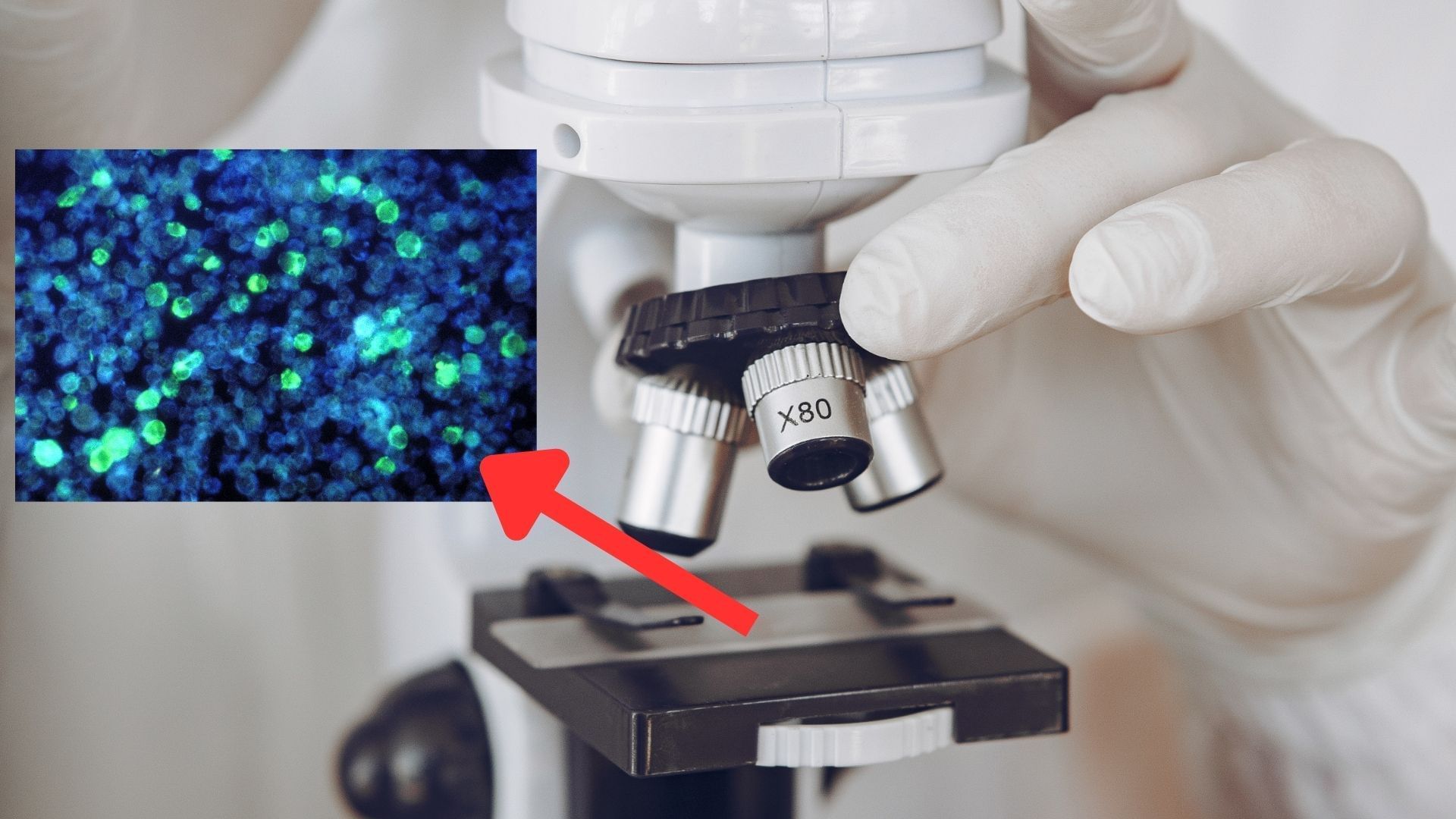
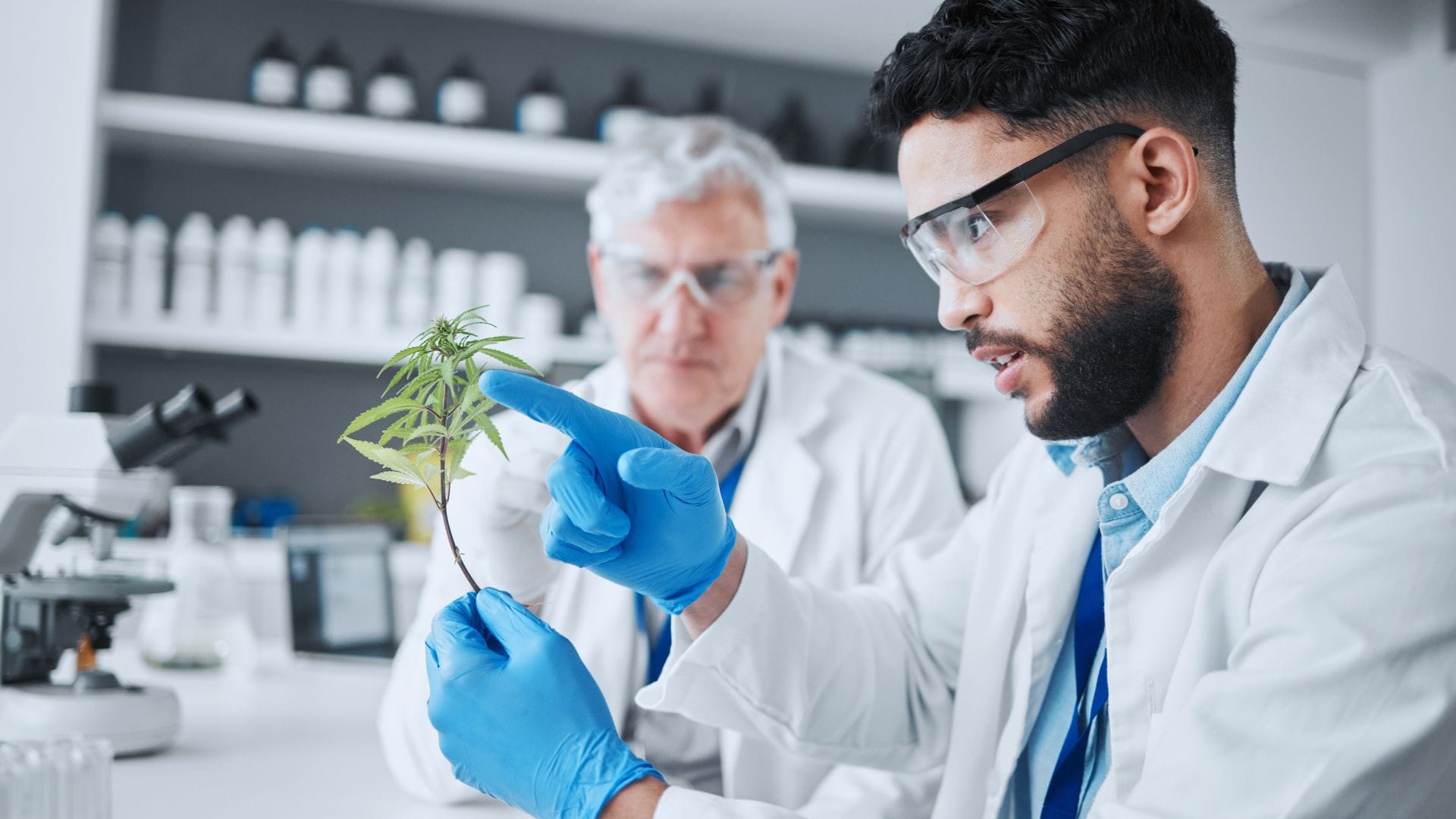
Tissue culture, also known as micropropagation, is a form of clonal propagation. It has revolutionized the field of plant biology and agriculture. This innovative technique allows for the cloning and cultivation of entire plants from tiny pieces of plant tissue, such as shoots, leaf or roots, under controlled laboratory conditions. Cannabis tissue culture has been signaled as the next great hope for growers as it offers exciting guarantees such as high cannabinoid content, disease-free plants, backup plants via biobanking, and, like cloning, offers exact replication of the mother plant. Plantlets obtained through cannabis micropropagation require rigorous sanitation measures throughout their proliferation.
Origins of Plant Tissue Culture
The history of tissue culture dates back to the early 20th century when plant scientists began experimenting with plant tissue culture methods. Over the decades, it has evolved from a rudimentary process to a highly sophisticated and indispensable tool in modern agriculture and horticulture. The origins of tissue culture can be traced back to the pioneering work of scientists like Gottlieb Haberlandt, who, in the early 1900s, proposed the concept of growing plant cells in vitro. However, it was not until the mid-20th century that tissue culture techniques began to gain traction. The development of new methodologies, advancements in our understanding of plant physiology, and breakthroughs in cell culture technology including nutrient recipes, contributed to the growth of tissue culture as a discipline.
Plant tissue culture depends on the ability of a few or even one special cell to produce the rest of the organism. These cells, meristem cells, have different degrees of potential (i.e. can become shoot tips, roots, vascular tissue or any other type of tissue. The main two types of stem cells in plants are Pluripotent and Totipotent Stem Cells.
Totipotent stem cells in plants are cells that have the remarkable ability to give rise to an entirely new organism. These cells can differentiate into any cell type found in a mature plant, including shoot tips, roots, stems, leaves, flowers, and even the embryonic structures needed for seed formation. Totipotent stem cells are typically found in early-stage embryos, meristems, and some specialized tissues like cambium. They are the most versatile type of plant stem cells and play a crucial role in processes such as organogenesis, tissue regeneration, and plant propagation through techniques like tissue culture.
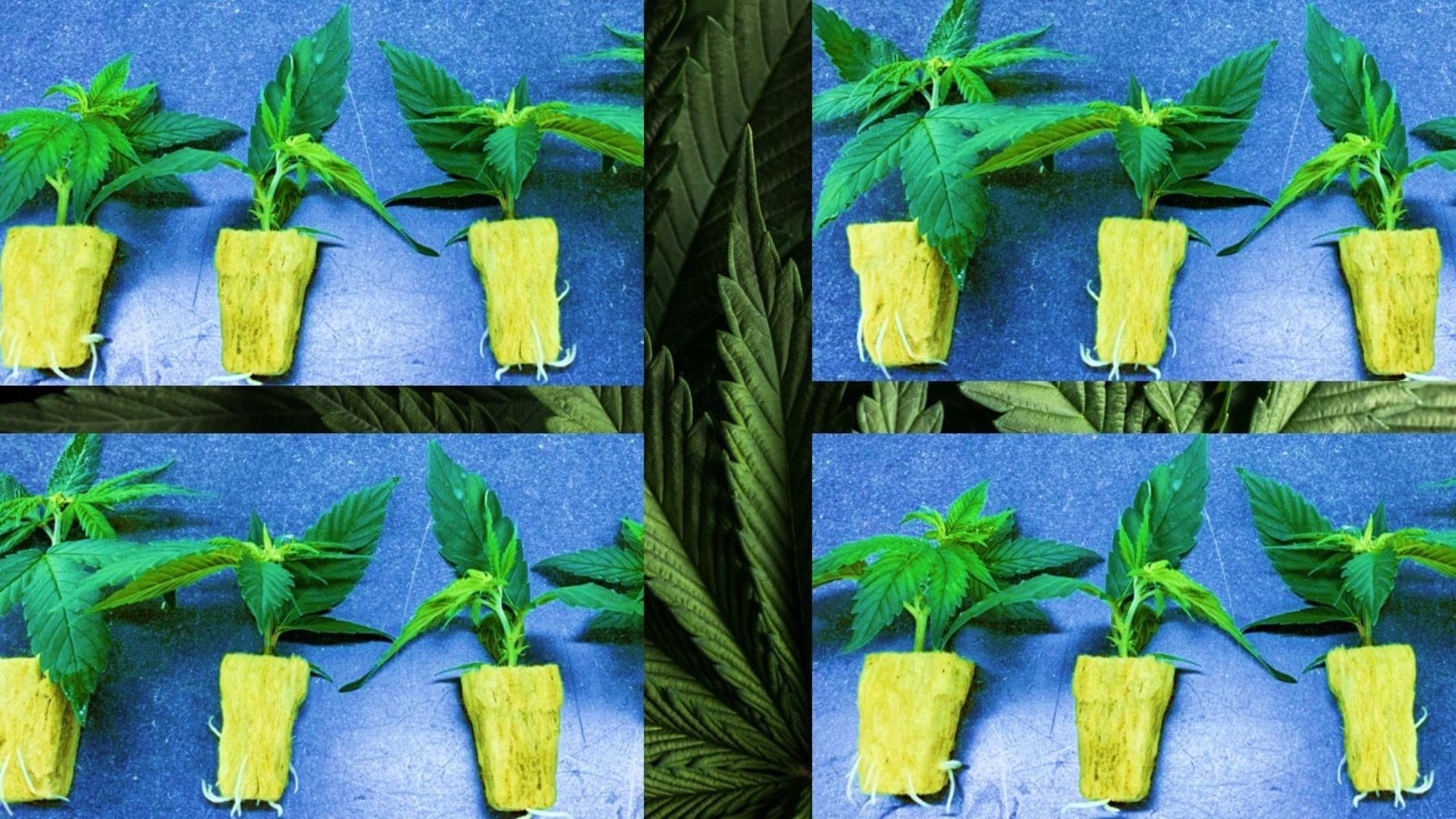
Pluripotent stem cells, while highly versatile, have a more restricted developmental potential compared to totipotent cells. Pluripotent plant cells can differentiate into a variety of cell types but cannot give rise to an entire new organism. Instead, they can generate various cell lineages within a specific tissue or organ. For example, pluripotent cells in the shoot tip (apical meristem) can differentiate into various types of shoot tissues, including leaves and stems, but cannot develop into root tissues. Pluripotent stem cells are essential for growth, tissue repair, and branching in plants, contributing to their overall development and adaptation to environmental conditions.
The Carrot on a Stick That Was the Carrot on a Dish
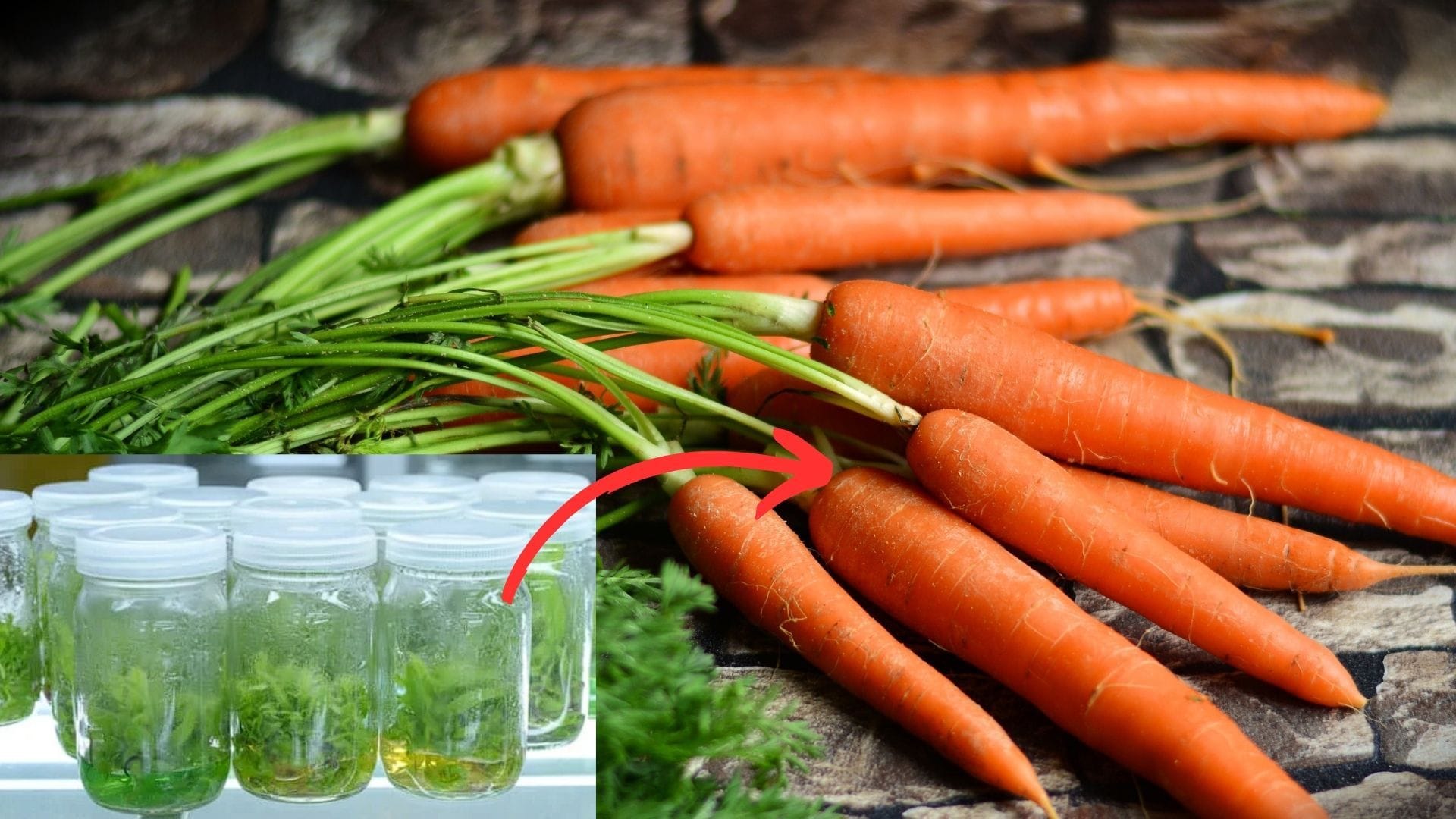
The first successful regeneration of an entire plant from callus tissue, a significant milestone in plant tissue culture, occurred in the early 1960s with the carrot (Daucus carota) as the pioneering species. The breakthrough was achieved by a team of scientists led by Dr. RJ Gautheret from France. The experiment began with the isolation of callus tissue from carrot roots. Callus is a mass of undifferentiated plant cells, not unlike stem cells in humans, that can be induced to form shoots and roots under controlled laboratory conditions. Researchers cultured this callus tissue on a nutrient-rich medium supplemented with specific plant growth regulators, cytokinins, auxins and other phytochemicals. After a period of growth and development on the nutrient-rich cultured medium, researchers observed the remarkable transformation of the callus tissue into complete carrot plants. These regenerated plants exhibited all the typical characteristics of mature carrot plants, including leaves, stems, roots, and the ability to produce seeds. This groundbreaking achievement marked the first time in scientific history that an entire plant was successfully regenerated from callus tissue. It not only demonstrated the extraordinary potential of plant tissue culture but also opened up new avenues for plant propagation, breeding, and genetic manipulation.
Advancing Through Tissue Culture Techniques
The success with carrot tissue culture paved the way for further advancements in plantlet regeneration from callus, leading to the development of tissue culture techniques for various plant species across agriculture, horticulture, and scientific research. These techniques have since been applied in diverse fields, including crop improvement, disease resistance breeding, and conservation of endangered plant species, making the regeneration of plants from callus a pivotal moment in the history of plant biology and biotechnology. Mostly, tissue culture is performed on nutrient-rich agar plates, with extreme levels for sanitation required.
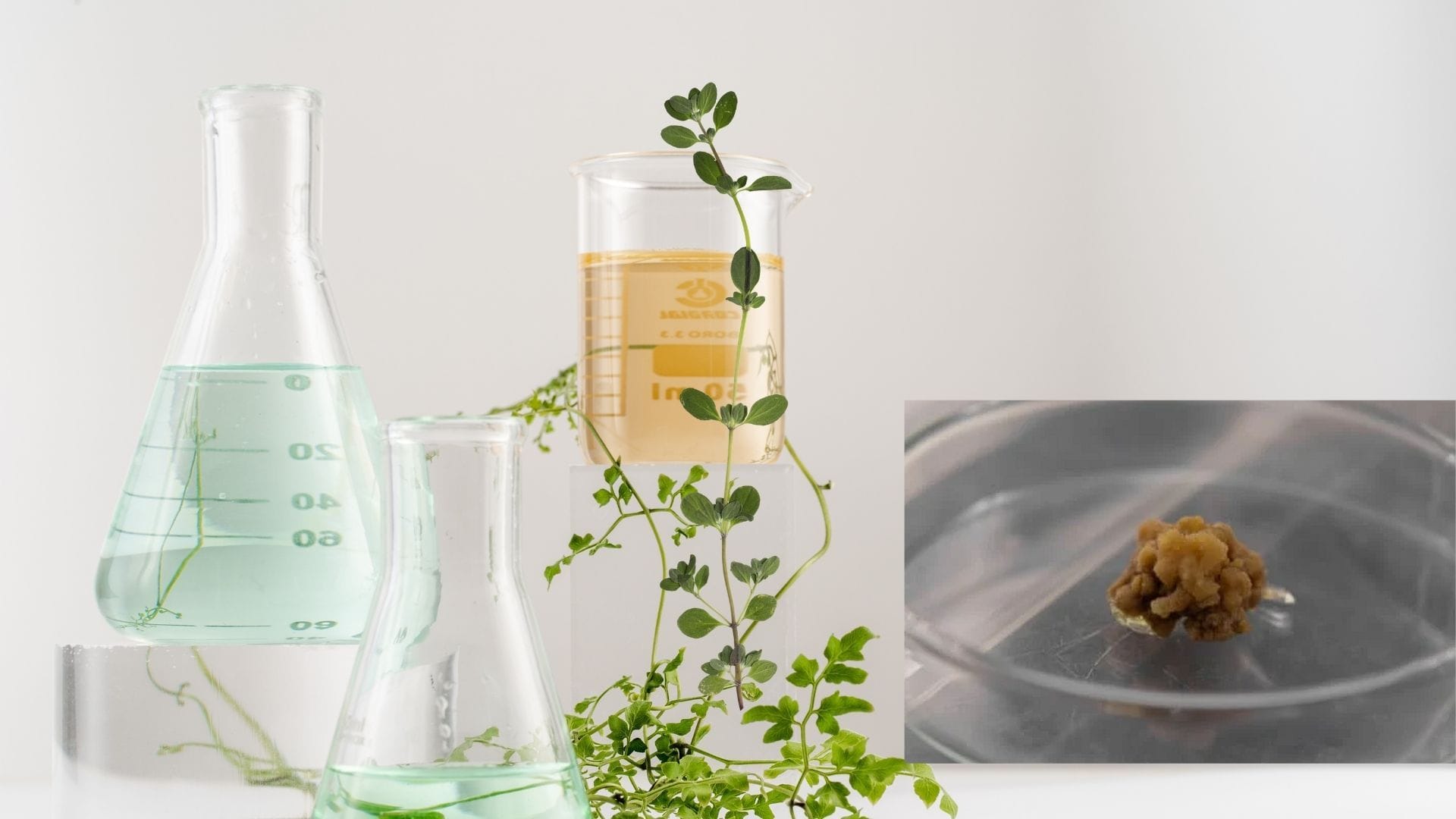
In cannabis tissue culture there can be differences between cultivars, however this difference is magnified between species. Here is a list of the different types of tissue culture, usually the ‘starting’ material is the issue with certain species over the others:
Mature Embryo Culture: Mature embryos are isolated from mature seeds and used as the starting material for tissue culture. This method is commonly employed in the propagation of many crop plants, including cereals (e.g., wheat, rice) and legumes (e.g., soybean, chickpea).
Immature Embryo Culture: Immature embryos are obtained from seeds that have not yet fully developed. This method is often used in the regeneration of plants that are challenging to propagate through other means. Immature embryos are particularly valuable in breeding programs and genetic transformation studies, including species like maize (Zea mays) and cotton (Gossypium hirsutum).
Meristem Isolation: Meristems are regions of actively dividing cells found at the growing tips of shoots and roots of donor plant. Isolating meristematic tissue from shoot tips and placing it on a culture medium can lead to the development of whole plants. Meristem culture is crucial for the elimination of diseases like viruses and viroids and for the production of disease-free planting material in plants like potato (Solanum tuberosum) and grapevine (Vitis vinifera). This is the most common method for cannabis (Cannabis Sativa l).
Callus Induction: Callus tissue is a mass of undifferentiated cells that can be induced to form roots, shoots, and whole plants. Callus is often initiated from plant explants like leaf or stem segments. This method is widely used for micropropagation and genetic transformation studies in species such as tobacco (Nicotiana tabacum) and papaya (Carica papaya). This can also be done on Cannabis Sativa l, and has mixed success.
Somatic Embryogenesis: Somatic embryogenesis involves inducing the formation of somatic embryos (embryos derived from non-reproductive, somatic cells) on a culture medium. This method is valuable for generating large numbers of embryos for plant propagation and as a tool in biotechnology applications, including conifers like pine (Pinus spp.) and citrus (Citrus spp.).
Organogenesis: Organogenesis involves the direct development of shoots or roots from explants placed on a culture medium with specific growth regulators. It is commonly used for the regeneration of whole plants from various explants, including leaf and stem segments, in species like Arabidopsis (Arabidopsis thaliana) and apple (Malus domestica).
Protoplast Isolation and Regeneration: Protoplasts are individual plant cells with their cell walls removed. They can be isolated from various plant tissues and cultured to regenerate into complete plants. Protoplast isolation is often used in genetic transformation and fusion studies in plants like sunflower (Helianthus annuus) and lettuce (Lactuca sativa). There are a few labs around the world that have had success using this technique on Cannabis Sativa l, however a large section of this work is done on hemp varieties.
Seedling Culture: In some cases, whole seedlings or seedling explants can be used to initiate tissue culture. This method is particularly useful for certain plant species and allows for the rapid propagation of plants with uniform characteristics, including species like tomato (Solanum lycopersicum) and cucumber (Cucumis sativus). At least one lab has successfully achieved this in cannabis.
Sterile Controlled Environments
Maintaining a sterile environment is paramount to ensure the purity and health of the cultured plants. This involves stringent protocols for handling and disinfecting the explants, culture vessels, and growth media to prevent contamination by pathogens, such as viruses, bacteria, or fungi. However, once the cannabis micropropagation process yields healthy plantlets, a crucial next step is their acclimatization. This transition phase is essential to prepare the plantlets for successful growth in the intended grower's environment. During acclimatization, the young plants are gradually exposed to conditions outside the controlled tissue culture environment. This adjustment period is vital for "hardening" the plantlets, helping them adapt to the variations in light, temperature, humidity, and airflow encountered in the real-world cultivation setting.
Future Proofing Cannabis Through Tissue Culture
The leading pioneers in plant tissue culture have helped to advance the field no end. The collective efforts of Dr. Mahendra Chandra, Dr. Mahmoud ElSohly, Dr. Michael Jones, and Dr. Ikhlas Khan in the field of plant cell tissue culture have been instrumental in shaping the landscape of plant biotechnology, particularly in the context of medicinal and high-value plant species, including cannabis. Their work has far-reaching implications, spanning various facets of plant science and industry. One significant contribution of their collective research is the cultivation of medicinal plants, notably cannabis, rich in CBD, THC, and other valuable cannabinoids, through tissue culture. This achievement holds tremendous promise for the controlled and efficient production of the valuable secondary metabolites in cannabis, which are of paramount interest for medicinal and wellbeing applications. Furthermore, their work has addressed the critical aspect of genetic stability in propagated plants. This genetic consistency is imperative for maintaining uniform chemical profiles, including the content of cannabinoids in medicinal cannabis cultivars. Ensuring such uniformity is essential for the formulation of pharmaceutical products and the effective treatment of patients.
Conclusion
Today, tissue culture plays a pivotal role in various aspects of agriculture and plant science. Its applications range from the mass production of disease-free plant clones to the preservation of endangered plant species. In cannabis cultivation, tissue culture has emerged as a game-changer. By leveraging tissue culture techniques, cannabis cultivators can produce vast quantities of genetically identical, disease-free plants, ensuring a consistent and reliable supply of high-quality cannabis. Moreover, tissue culture allows for the elimination of pathogens like Hops Latent Viroid (HpLVd), a significant concern in the cannabis industry.


