
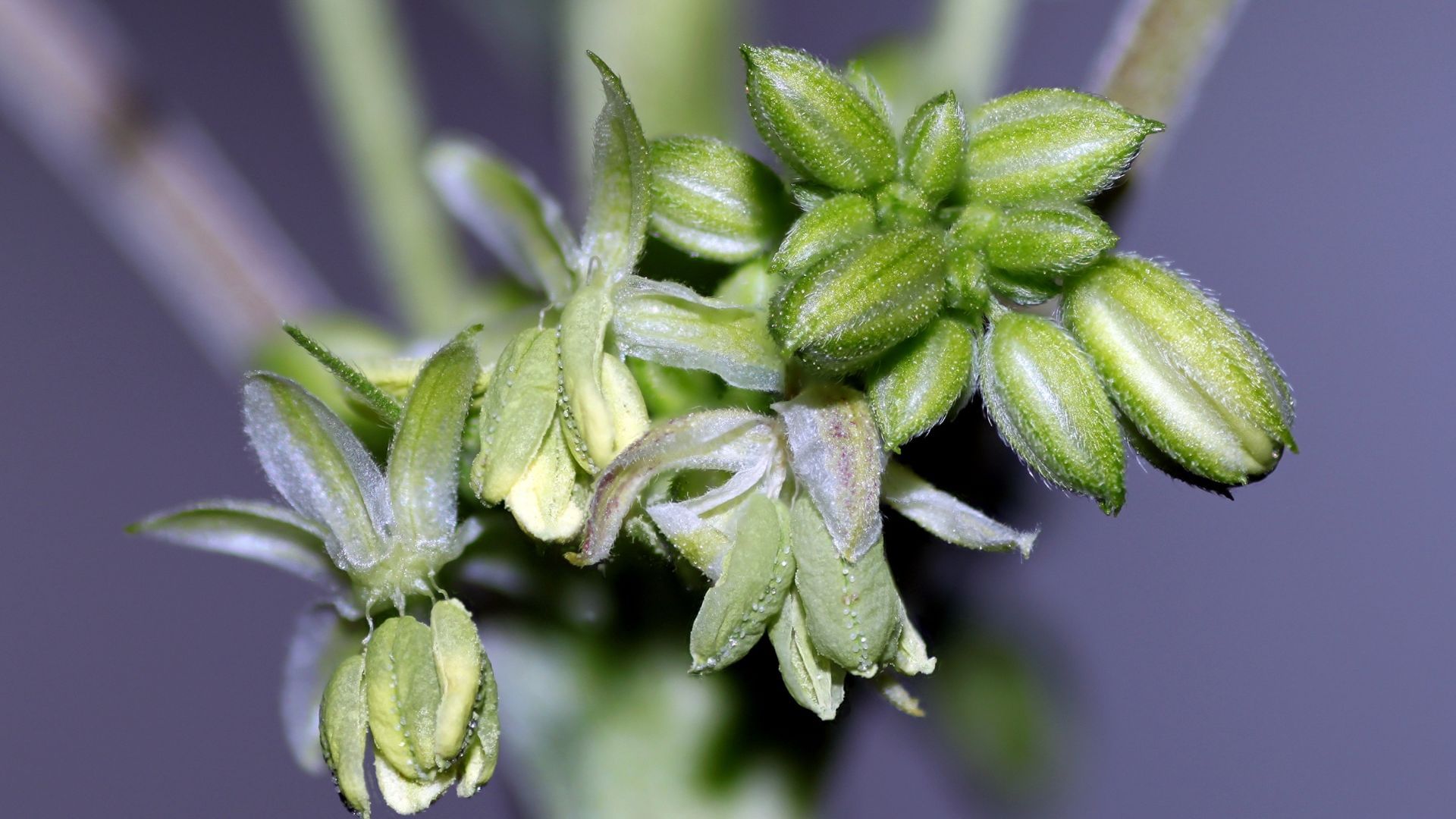

If you're reading this, you're either worried about your 'buds' becoming parents without your consent, or you're planning to play Cupid for your green girls. Either way, if you’re growing cannabis plants, you’ll need to know if your females have been pollinated – whether you intended this or not. We’ll take a closer look at the mischievous act of pollination and explain the signs that tell if your plants have been playing hanky-panky.
Decoding The Basics: What Is Pollination?
Simply put, pollination is the means of sexual reproduction in plants. When pollen from the male plant fertilises an ovule in the female cannabis plant, voila - a seed is born.
In the grand scheme of the ecosystem, pollination plays a pivotal role in maintaining biodiversity and the continuity of plant species. However, in cannabis cultivation, pollination is a multifaceted process - it can be a valuable ally or a complete nightmare, depending on your cultivation objectives.
How To Tell If Your Cannabis Plants Are Pollinated
Now that we've established the hows and whys of pollination, as well as the reasons for its avoidance, it's crucial to address a critical question: how do you determine if your plants have been pollinated? Here, we'll illustrate the key signs that indicate successful pollination, with detailed explanations of each.
Formation of Seed Pods
One of the first signs of a pollinated cannabis plant is the transformation of the pistils into seed pods, happening in the late vegetative stage. Pistils, which are tiny, white hair-like structures on the buds of female plants, serve as the receptors of pollen. Once pollinated, these pistils retract into the calyx and start the process of seed formation. In contrast to the appearance of unpollinated buds, pollinated ones take on a more swollen look due to the developing seeds.

Change In Pistil Colour
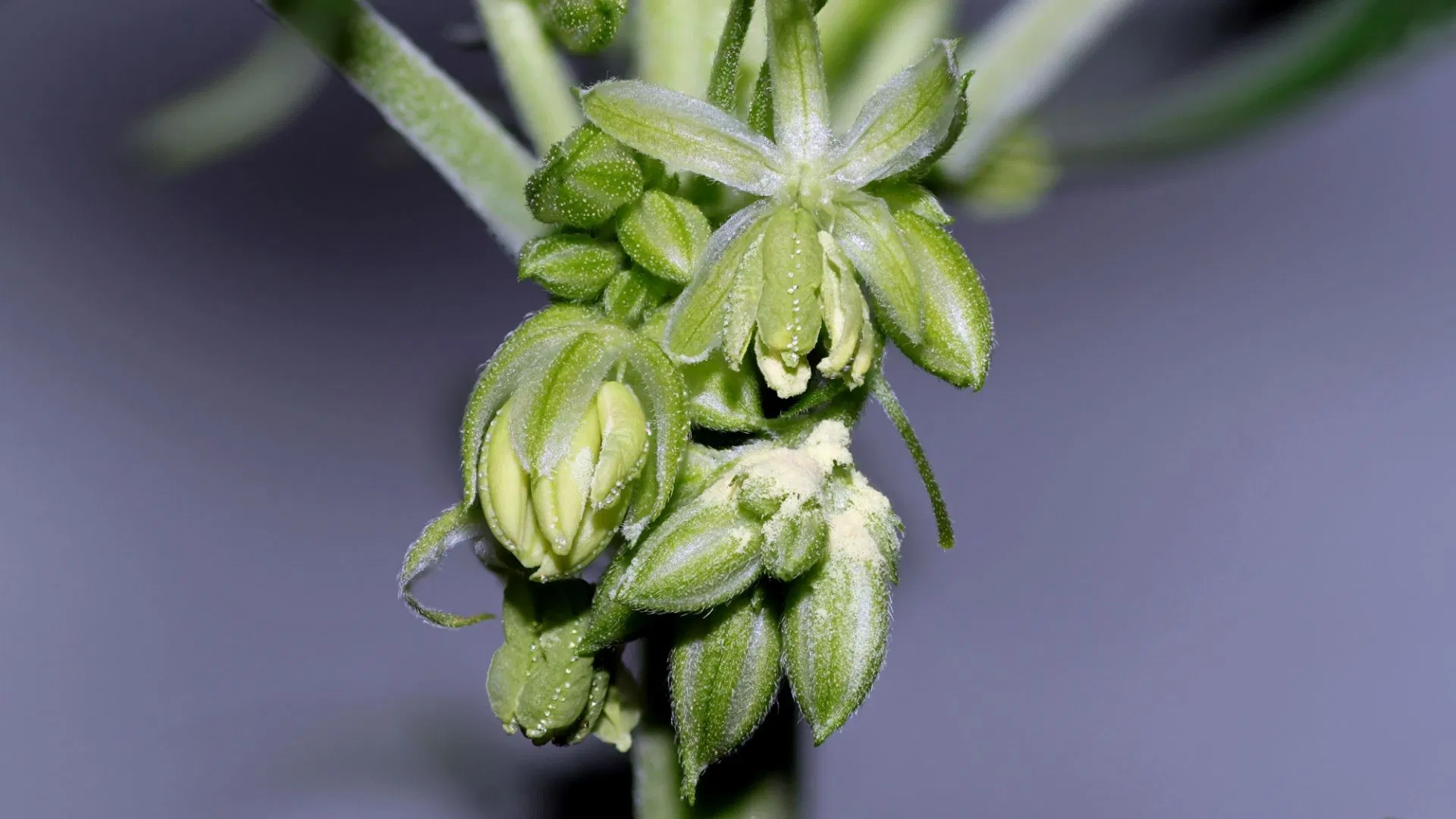
Typically, when a cannabis plant is pollinated, the vibrant white or light-coloured pistils start turning darker - brown or red. This is one of the plant's signals that it has received pollen and is shifting its energy to seed production.
Growth Slowdown
When a cannabis plant is pollinated, its overall growth rate might slow down. This is because the plant starts devoting its energy and resources towards producing seeds rather than investing in growth or bud development.
Seed Appearance
This is the most definitive sign. Around 4-6 weeks after pollination, seeds begin to form and become visible. They start as small and green, within the calyx, and mature into larger, darker (typically brown) seeds. These seeds can be easily seen and felt when the bud is examined or gently squeezed.

Change In Bud Density
Another subtle sign of pollination is the change in bud density. Unpollinated buds are generally denser and more compact as their energy is primarily focused on resin and cannabinoid production. In contrast, pollinated buds tend to be less dense due to the space taken up by seeds.
Knowledge is the grower's greatest ally - the more you understand about the plants' signals, the better equipped you'll be to maximise your harvest's potential, be it seed-laden or seed-free.
Why Would You Want Your Cannabis Plants Pollinated?
Why would you want your painstakingly nurtured cannabis plants to embark on the journey of parenthood? The answer lies in a single, potent entity: marijuana seeds. Controlled pollination gives you the power of a botanical geneticist, allowing you to create new strains by enhancing existing traits or introducing new ones through crossbreeding. Indeed, many of today’s great hybrid strains were created by pollination, each with highly desirable traits, to create an exciting new strain. With this, the humble grower becomes the master chef, experimenting with flavours to concoct the ultimate new dish, except in this instance, the crowning glory is a distinctive, personalised cannabis strain.

But there's a caveat for the novice grower: the onset of pollination prompts a growing cannabis plant to shift its resources from generating THC-rich buds to seed production. It's like cheerfully biting into what you thought was a chocolate chip cookie, only to find a raisin - not entirely terrible, but a clear deviation from what you were expecting.
How To Pollinate Cannabis Plants
If you’re a would-be breeder and you've chosen the road of deliberate pollination, it's time to arrange a hot date between your male and female plants. Surprisingly to some, dioecious cannabis plants do exhibit gender distinctions. Males generate pollen, while female marijuana plants bear the flowers that mature into the prized buds.
Successful pollination hinges on impeccable timing. The pollen must reach a female flower at its peak receptivity, usually 2-3 weeks post the commencement of the flowering stage. To prevent an unwieldy explosion of pollen, it's imperative to segregate your male plants. Once your male plant’s nodes begin to display pollen sacs (which look like small grape-like clusters), you can gather the pollen and apply it manually to your chosen female. Note: pollination isn't a process requiring an all-over dusting of pollen - a judicious sprinkle can yield results.
More Reading:How Far Can Cannabis Pollen Travel?
How To Avoid Cannabis Plant Pollination
If your goal is to maintain your female plants in a seed-free, and THC-rich state, then your best weapon is vigilant monitoring. The male cannabis plant can infiltrate subtly, often biding its time until it's too late. Stay on high alert for pollen sacs - their presence indicates a looming threat to your sinsemilla crop. Identify them, and evict that sneaky seductor before he has an opportunity to disrupt your cultivation.
Additional preventive strategies encompass committing to indoor cultivation, which provides superior control over your growing environment, or opting for feminized seeds. These seeds have been genetically tweaked to eliminate male traits, thus minimising the risk of inadvertent pollination.
Some outdoor growers run the risk of open-air pollination. This is extremely hard to avoid especially if the area is not known for it. It is usually caused by someone in the area who is either breeding, growing hemp, or is unaware of the male plants or intersexed plants in their garden. One way to avoid this is to use pollen-proof covers - usually in the form of a polytunnel style cover. Growing inside a poly-tunnel with the pollen-proof covers can not only reduce pollination, but can actually prevent it completely.
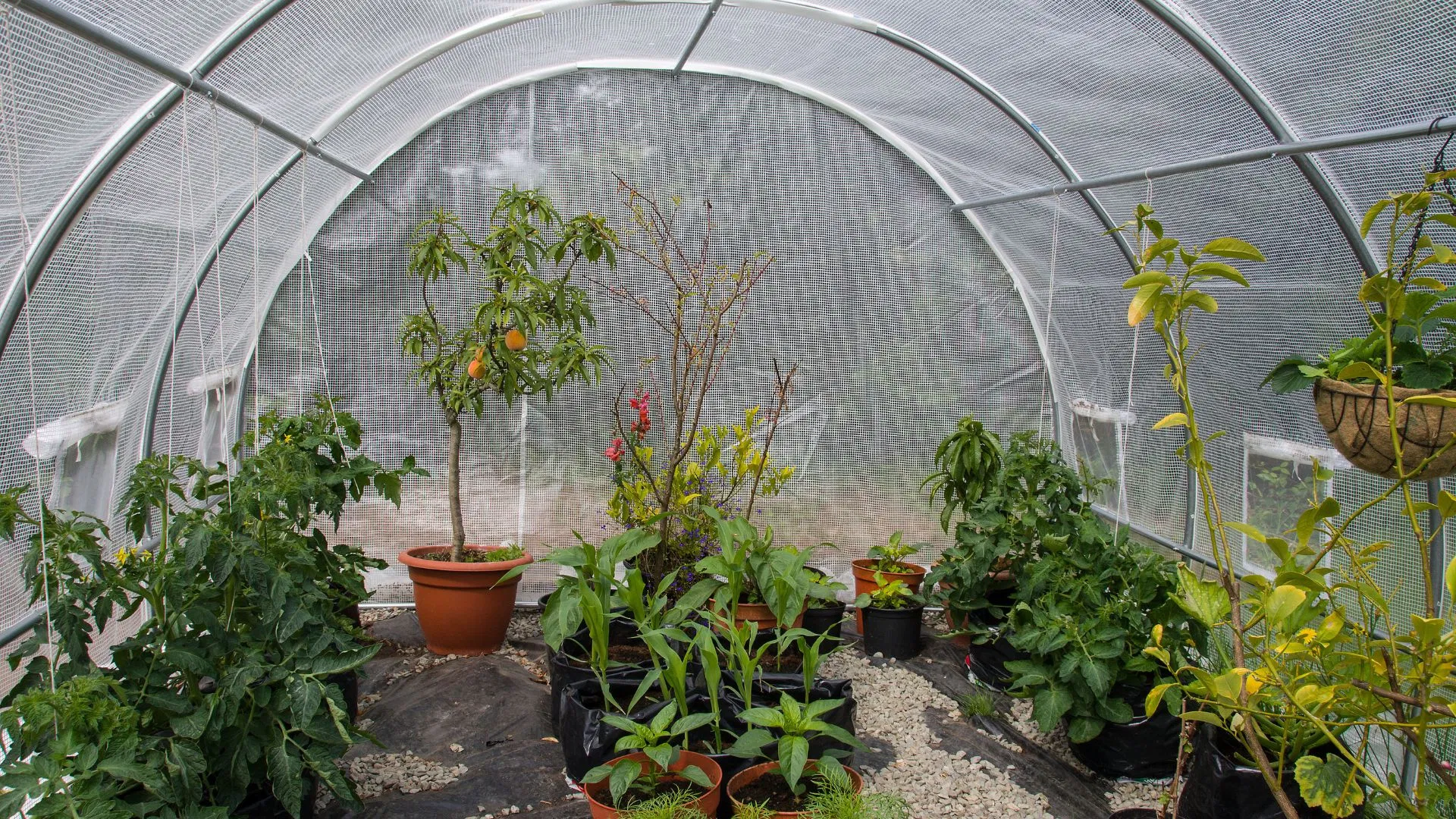
Pollen-proof covers will have a fine mesh like appearance which has small enough holes to stop pollen passing through, but still allow light and some airflow.
Why Would You Not Want Your Plants Pollinated?
In a pollinated crop, the psychoactive properties are compromised, which is less than ideal for cannabis growers aiming to produce cannabis for recreational or medicinal use. And let's not forget the user experience. Having to remove seeds from your buds before consumption can be as annoying as finding an unexpected pickle in your burger - a cumbersome experience, to say the least.
If you don’t want to pollinate your female plants, make sure you keep males out of the grow room.
Conclusion
In a nutshell, cannabis pollination presents a complex array of opportunities and challenges. Whether you're driven by the ambition to breed an innovative strain, ensure a seed-free yield, or simply broaden your understanding of the lifecycle of cannabis, the key elements are knowledge and attentiveness. Like any successful relationship, comprehending your partner's needs and catering to them is of utmost importance.