

Wondering how to plant weed seeds and germinate seeds successfully? This guide breaks down the process into simple steps: preparing the seeds, germinating them, setting up the growing environment, planting the germinated seeds, and caring for seedlings. Follow these steps to ensure a healthy start for your cannabis plants.
Introduction to Germinating Cannabis Seeds
Germinating cannabis seeds is the first step in growing a healthy and thriving cannabis plant. Understanding the germination process and providing the right conditions for your seeds to sprout is essential. Cannabis seeds require a consistent temperature, moisture, and darkness to germinate successfully. The germination process involves the seeds absorbing moisture, which activates enzymes that kickstart growth. Maintaining a consistent temperature between 70-80°F (21-27°C) and keeping the seeds in a dark place will help ensure they sprout.
Further Reading:The Science Of Starting Cannabis Seeds
Key Takeaways
- Inspect your cannabis seeds for quality before soaking, as viable seeds have a smooth, teardrop shape and sink in water.
- Choose a germination method that suits you—be it the paper towel method, direct soil planting, or peat pellets.
- Create an optimal growing environment with the right soil, temperature, humidity, and lighting to support healthy seedling development.
- Provide extra care during the first week to ensure seedlings establish well.
Choosing the Right Seeds
Choosing the right seeds is essential for a successful grow. Look for high-quality cannabis seeds from reputable breeders or seed banks. Consider factors such as the strain, potency, and growth characteristics to match your growing goals. Always check the seed packet for specific instructions or recommendations for germination. Proper storage is also essential to maintain seed viability. Store your seeds in a cool, dark place, and avoid exposing them to moisture or extreme temperatures. By selecting the right seeds and storing them correctly, you set the foundation for a successful germination process and a healthy cannabis plant.
Preparing Your Cannabis Seeds for Planting
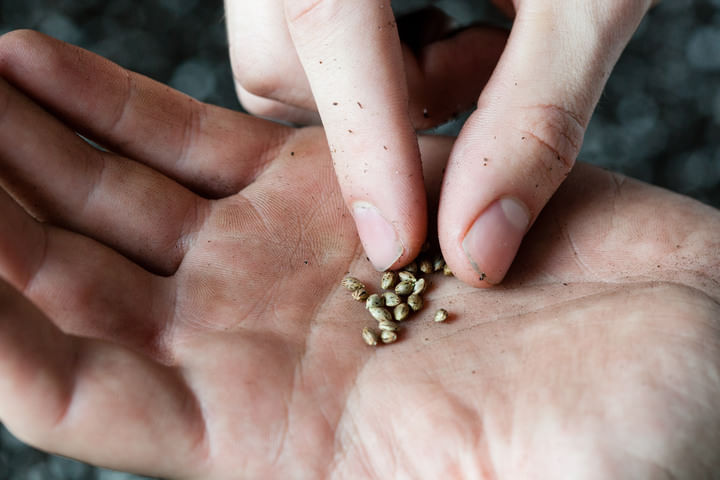
Proper preparation of cannabis seeds is a must for successful germination and healthy growth.
First inspect the quality of your seeds and give them a good soak in water to kickstart the seed germination process. Consider using distilled water for soaking to ensure the water is free from impurities that could affect germination.
Inspecting Seed Quality
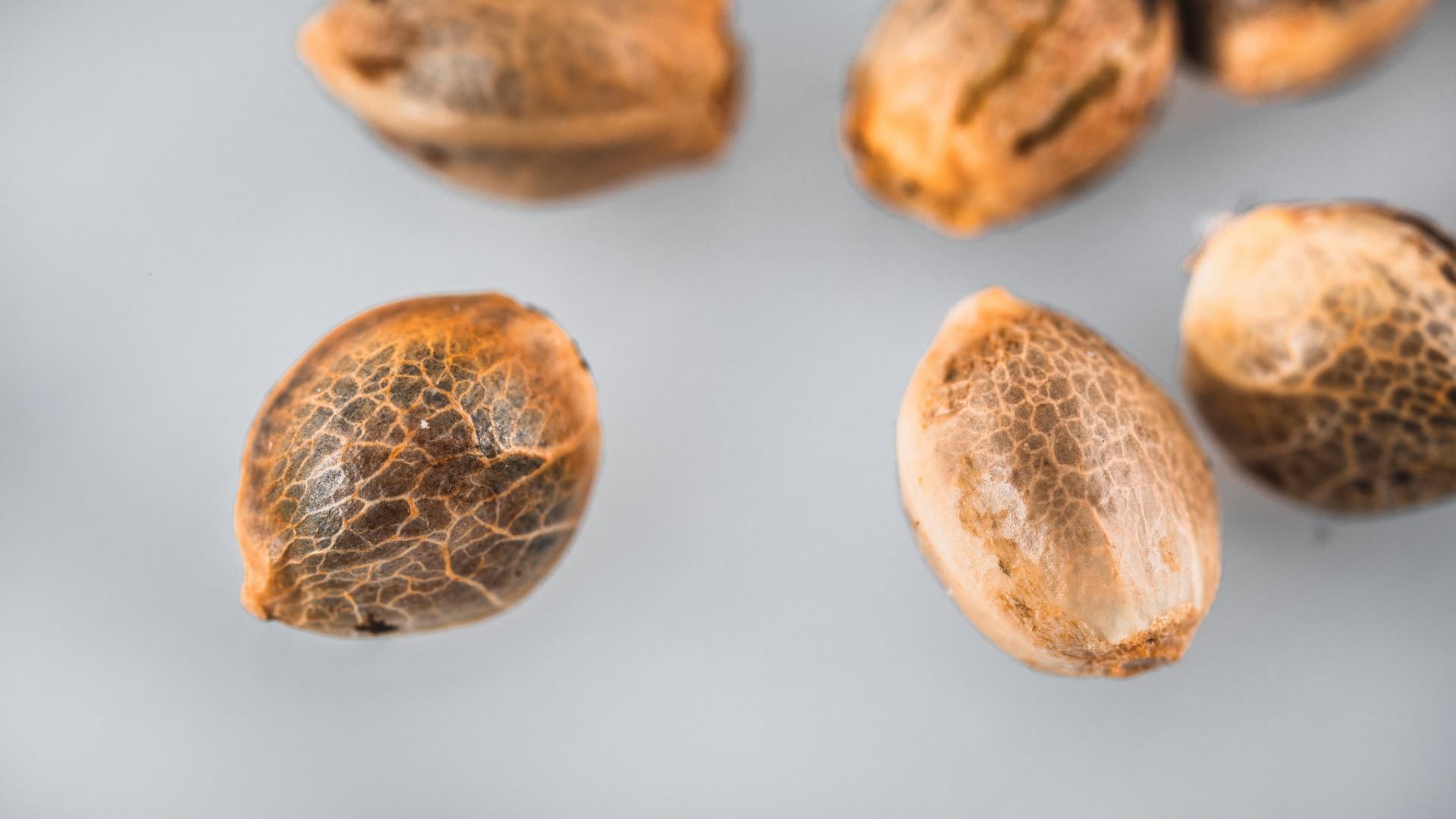
Ensuring the use of high-grade cannabis seeds is crucial for successful germination and the growth of robust plants. Look for seeds that possess a smooth and firm exterior with shades ranging from light to dark brown. Avoid those that appear greenish or have a rough texture as they are less likely to sprout. Commercial growers often use specialized equipment to ensure the highest quality seeds for optimal germination.
The ideal shape for viable cannabis seed is similar to a teardrop: rounded on one end while tapering off at the other. Stay away from seeds that display flatness or an odd shape since these may face difficulties during germination. To test their viability, submerge them in water for a few hours—seeds that settle at the bottom show promise, whereas ones floating on top do not.
Employ fresh cannabis seeds within their optimal period for enhanced chances of initiating the germination process effectively.
Soaking Seeds in Water
Soaking cannabis seeds in water effectively initiates the germination process. Avoid using cold water as it can inhibit germination; room temperature water is ideal. This is approximately 70-75°F (21-24°C). Place your seeds in tap water for 12-24 hours. The soaking process helps seeds absorb moisture, essential for germination.
Avoid soaking too long to prevent excess water, waterlogging, and potential seed damage.
Germinating Cannabis Seeds

You’re ready to begin the germination process once you have prepared your cannabis seeds. There are multiple techniques available for initiating the sprouting of cannabis seeds, and each method offers distinct benefits.
Among these methods, some well-known options include using a paper towel, directly planting in soil, or employing peat pellets. All these approaches supply essential elements such as moisture, air circulation, and warmth that are critical for successful seed germination. When planting seeds directly in soil, gently cover them with a light layer of soil to maintain a fluffy structure.
The Paper Towel Method
Many growers favor the paper towel method for its simplicity and effectiveness. Start by placing your seeds between damp paper towels. Use a measuring cup to ensure you have the right amount of water for moistening the paper towels. Keep the paper towels moist but not soaked, and place them in a warm, dark area. Check the moisture level several times a day to ensure the towels do not dry out.
Taproots should begin to emerge from the seeds within 48 hours. Seeds that haven’t sprouted after a few days are likely not viable and should be discarded.
Direct Soil Planting
Direct soil planting effectively germinates cannabis seeds. Using small pots can help manage the initial growth phase before transplanting to larger containers. Fill your pots with a light, well-aerated seed-starting mix and moisten it with pH-adjusted water. Plant the seeds at a depth of 0.4-0.6 inch (10-15mm and cover them loosely with soil.
Lightly spray the topsoil to keep it moist and maintain a damp climate for optimal germination. This method minimizes the risk of taproot damage, as seeds remain undisturbed after planting.
Using Peat Pellets
Peat pellets provide an excellent germination environment due to their water retention and aeration properties. Place one seed in each peat pellet, mist with water, and maintain humidity. Place the peat pellets in seedling trays to keep them organized and ensure they receive consistent care.
Check for taproot emergence within a few hours to 72 hours. Once the seeds start to germinate, plant them before the rootlet grows too long.
Further Reading: The Ultimate Guide To Germinating Cannabis Seeds
Germination Time and Patience
Germination time can vary depending on the strain and conditions, typically taking 1-3 weeks for cannabis seeds to sprout. Patience is key during this period, as disturbing the seeds can hinder their development. Keep the soil medium moist but not waterlogged, and maintain a consistent temperature between 70-80°F (21-27°C). Overwatering can lead to rot and poor germination rates, so it’s crucial to find the right balance. With the right conditions and a little patience, your seeds will germinate, and you’ll be on your way to growing a healthy cannabis plant.
Setting Up the Growing Environment

It is essential to foster an optimal environment for the growth and development of your seedlings, which includes choosing an appropriate soil medium, regulating temperature and humidity appropriately, and providing sufficient light. These elements are all critical in promoting robust health and vigor in young plants. Proper seedling care is crucial in the cannabis industry to ensure a healthy and profitable crop.
Choosing the Right Soil Medium
For optimal seedling growth, it is imperative to utilize a germination medium that is both light in weight and permeable. Opt for a potting soil blend that’s well-aerated and loose, ensuring sufficient drainage and air circulation. RQS Soil Plugs, composed of peat and coir, are often suggested due to their excellent capacity for maintaining moisture levels while also providing adequate aeration and protection against fungal infections. Using a high-quality pot filled with the right soil medium can significantly impact the growth of your seedlings.
Enhance the drainage by placing a layer of perlite at the base of your seed trays.
Maintaining Proper Temperature and Humidity
When germinating cannabis seeds, it’s essential to maintain the correct temperature and humidity levels. The optimal temperature for this process is within a range of 70-80°F (21-26°C). Ensuring proper relative humidity is also crucial, with an emphasis on keeping the medium moist without being overly saturated.
Utilizing a seedling heat mat is particularly helpful in sustaining a consistent temperature suitable for germination, which can be especially beneficial in cooler climates. It’s important to monitor moisture content regularly during this stage to ensure that conditions remain ideal for your cannabis seeds to successfully sprout.
Lighting Requirements
Lighting is crucial for seedling growth. Initially, cannabis seeds need a dark place to germinate. However, once they develop their first cotyledon, they require light to prevent weak, leggy growth. Fluorescent or CFL grow lights should be positioned about 6 inches (15cm) above young seedlings.
Start by listing some forbidden forms of the keyword “strong light” according to the rule 5. Switch to high-powered HPS or MH strong light as the plants grow. Ensure the lights are on for 18-24 hours a day during the vegetative stage.
Planting Germinated Seeds

After the cannabis seeds have successfully germinated, the next step is to plant them. This involves creating a hole for planting, carefully placing the seed in position, and giving the seedlings their initial watering.
During this phase, it’s essential to handle the seedlings with care so as not to harm their fragile structures.
Making the Planting Hole
Making the hole for planting is a simple yet crucial step. Use a pencil or your finger to form a hole in the soil that is half an inch (0.64 cm) deep, as this depth provides optimal conditions for the seed’s initial growth.
It’s important to be gentle and not harm the germinated seed while you are creating this hole. After placing the seed in the hole, gently cover it with soil to avoid compacting the soil structure.
Positioning the Seed
It is essential for growth to properly position the seed in the planting hole. Ensure that you orientate the tap root downwards into the hole, placing the seed with its pointed end facing down. This placement facilitates more effective establishment of roots.
First Watering
Watering the seedlings initially aids in acclimatizing them to their new surroundings. To prevent moving the seedlings, water should be applied delicately using a misting device. This method of watering maintains soil moisture without causing it to become saturated.
Ensuring that seedlings receive adequate water is essential so that roots become established.
Caring for Young Seedlings

During the growing season, it is essential to encourage an environment that combines optimal conditions and limited disturbance for young seedlings. This period is vital in establishing a strong base for plants with sturdy stems. Providing the right care for baby seedlings is crucial to ensure they develop into strong and healthy plants.
Essential elements include gentle treatment of the seedlings, setting up a consistent watering schedule, and supplying them with required nutrients.
Handling Seedlings Carefully
It is vital to be gentle when dealing with seedlings to prevent any harm. When moving germinated seedlings, it’s best to use clean hands or sterilized tweezers and hold them by the cotyledons or seed casing for minimal damage. Be careful not to squeeze the stem, as this can cause stress or damage to the seedlings.
To keep stress or injury at bay, refrain from checking on them too often or moving the seedlings unnecessarily.
Watering Routine
A consistent watering routine is crucial for young seedlings. Regulate humidity to keep the germination medium moist, not waterlogged. Use a plant mister to avoid overwatering and keep the soil consistently moist. Ensure the soil is kept moist but not overly wet to prevent root rot.
Water the soil one to two times a day to maintain enough moisture.
Feeding and Nutrients
Start feeding nutrients once seedlings develop their first true leaves. Begin with a diluted fertilizer solution to provide essential nutrients.
Water seedlings thoroughly before transplanting to reduce shock and support growth.
Further Reading:3 Steps To Master The Cannabis Seedling Stage
Tips for Successful Germination
To ensure successful germination, follow these tips:
- Use a high-quality seed starting mix and maintain a clean environment.
- Keep a consistent temperature and humidity level.
- Avoid overwatering; keep the soil medium moist but not waterlogged.
- Provide darkness or low light conditions during the germination process.
- Use a heat mat or place seeds in a warm location to maintain a consistent temperature.
- Avoid disturbing the seeds during the germination process.
- Use a humidity dome or plastic wrap to maintain high humidity.
- Transplant seedlings into larger pots or containers once they have 2-3 sets of leaves.
By following these tips, you can create the ideal conditions for your cannabis seeds to germinate and grow into healthy plants.
Troubleshooting Common Issues
Troubleshooting common problems such as seeds that fail to germinate, mold and fungus issues, and slow growth is crucial for the successful development of cannabis plants during their germination and early growth phases. Despite meticulous care, these issues may still occur when germinating seeds or nurturing young plants. If your seeds do not germinate, consider adjusting the moisture and temperature levels to help the seeds germinate.
Dealing with Non-Germinating Seeds
If seeds fail to germinate, reasons could include seed viability issues or process failures. If seeds do not sprout within 1 to 7 days, leave them in a moist towel for an additional day or two. If seeds do not germinate within two weeks, they may not be viable.
Try lightly scuffing the seed shell and ensuring optimal water temperature.
Further Reading:Why Didn't My Cannabis Seeds Germinate?
Addressing Mold and Fungus
Mold and fungus can harm germinating seeds. Improve air circulation and use purified water to address these issues. Regularly monitoring germinating seeds helps prevent mold and ensures healthy growth. Using distilled water can help prevent mold by reducing impurities that contribute to fungal growth.
If mold appears, use a hydrogen peroxide solution on affected areas.
Overcoming Slow Growth
Numerous elements such as excessive watering and premature application of fertilizer can lead to stunted growth in seedlings. It is best to water the seedlings when you notice that the soil has become dry upon touch. Also, refrain from checking on them too frequently to avoid any potential harm or undue stress on their roots.
Pest Control and Prevention
Pest control and prevention are crucial during the seedling stage. Regularly check your seedlings for signs of pests, such as spider mites, aphids, or whiteflies. Use organic pest control methods, like neem oil or insecticidal soap, to prevent infestations. Keeping your growing area clean and avoiding overwatering can also help deter pests. Use a sterile growing medium and avoid contaminating your seeds or seedlings with pests or diseases. By following these tips, you can prevent pests and diseases from affecting your cannabis plants, ensuring a healthy and successful grow.
Transplanting Seedlings
The process of transplanting seedlings is a pivotal part in the cultivation of cannabis, which entails relocating young plants into bigger pots to facilitate the spread and flourishing of their roots. Starting seedlings in small pots can help manage their growth before transplanting to larger containers.
This segment will delve into the optimal timing for transplantation, how to prepare larger pots, as well as detailing each step involved in the actual process of transplanting.
Timing the Transplant
When seedlings develop at least two pairs of real leaves and their root system is well developed, which usually happens several weeks post-germination, it’s time to transplant them. Ready the bigger pots before this process by confirming they allow for adequate drainage and are packed with an appropriate soil mixture.
Typically, seedlings are ready for transplanting after a few weeks of growth.
Handle the young plants delicately during transplantation to reduce any stress on them.
Preparing Larger Pots
Select containers that are at least two to three times the size of the existing ones, which will accommodate the expansion of the roots. Begin by placing a layer of appropriate potting mix in your new container, filling it up to one-third from the bottom.
To ensure sufficient room for root development and adequate drainage, fill these pots with soil until they are roughly two-thirds full. This arrangement offers an optimal setting for seedlings that have been transplanted to flourish successfully. Choose a pot that provides adequate space for root development and proper drainage.
Transplanting Process
Take care to transplant with minimal disruption of the roots. Carefully extract seedlings from their initial containers, being careful not to touch fragile rootlets. Handle the sprouts carefully to avoid damaging the delicate root system.
Ensure that new seedlings are planted at an equal depth as they were in their previous containers. Attentive handling will assist these young plants in adapting smoothly to their fresh setting, promoting vigorous growth. Once established in their new location, the seedlings can flourish.
Summary
In conclusion, successfully germinating and growing cannabis seeds requires careful preparation, the right environment, and attentive care. By inspecting seed quality, soaking seeds, choosing the best germination method, and providing optimal growing conditions, you can ensure healthy and robust cannabis plants. Remember to handle seedlings gently, maintain a consistent watering routine, and provide nutrients as needed. With these steps, you’ll be well on your way to enjoying the rewards of growing your own cannabis. By following these steps, you can successfully grow cannabis from seed to harvest.
Happy growing!
Frequently Asked Questions
How often should the soil be watered after planting cannabis seeds?
Water the soil one to two times a day after planting cannabis seeds to keep it consistently moist.
This will help your seeds thrive!
What is the first step in germinating cannabis seeds?
To kick off germinating cannabis seeds, just soak them in tap water for about 12 hours.
Easy peasy!
What should you do if cannabis seeds do not germinate after a few days?
If your cannabis seeds aren’t germinating after a few days, try keeping them in a moist towel a bit longer and gently scuffing the seed shell.
Also, make sure the water temperature is just right!
What type of light is recommended for growing cannabis seeds?
For growing cannabis seeds, fluorescent, CFL and LED grow lights are your best bet, and keep them about 15cm away from the seedlings.
This setup helps your plants thrive!
When are seedlings ready for transplanting?
Seedlings are good to go for transplanting once they’ve got at least two sets of true leaves and a solid root system.
Just keep an eye on their growth!


