Stepping into your cannabis grow space to check on your plants can lead to a whirlwind of emotions. On one hand, you’ve got the excitement of checking on the progress of your beauties as they speed towards the works of art you’ve dreamed of. On the other? Well, you never quite know what’s going to greet you when you carry out your inspection. It's a time when you cross your fingers and hope you don’t find any problems.
Cultivating cannabis demands an ability to troubleshoot plant ailments. To do this, it helps to have a keen understanding of the various macronutrients and micronutrients essential for plant growth, and signs of deficiency. A magnesium deficiency is a prevalent issue that can significantly hinder the development of cannabis plants, affecting both yield and overall health. The good news is, if you can identify the blight known as mag-def, you can also treat it with a high chance of success. In this comprehensive guide, Seedsman explains the importance of magnesium in cannabis cultivation, explores the causes of magnesium deficiency, and provides an in-depth examination of how to identify and treat this nutrient imbalance.
The Role of Magnesium in Cannabis Cultivation
Behind the ‘big three’ necessary cannabis nutrients – Nitrogen, Potassium and Phosphorus – there's a supporting cast of other nutrients that bring necessary benefits to your plants. Magnesium is an essential nutrient that plays a pivotal role in the overall health and development of cannabis plants. As a core component of chlorophyll, magnesium is critical for photosynthesis—the process by which plants convert light into energy. It also acts as a co-factor for numerous enzymes involved in various metabolic reactions within the plant. In short, magnesium helps fuel a plant’s physical growth.

In the context of cannabis cultivation, magnesium is particularly vital as it facilitates the production of energy-rich compounds, ultimately influencing bud development and resin production. Insufficient magnesium can lead to stunted growth, reduced yields, and compromised plant health.
Causes of Magnesium Deficiency in Cannabis Plants:
Several factors contribute to magnesium deficiency in cannabis plants. Soil composition is a primary determinant, as magnesium availability varies depending on the pH level. High pH levels can limit the plant's ability to absorb magnesium, leading to deficiency symptoms.
Inadequate magnesium in the soil, imbalanced nutrient solutions, and overwatering can also trigger deficiencies. Additionally, certain environmental conditions, such as high humidity and excessive rainfall, may contribute to magnesium leaching from the soil. Excess water interferes with nutrient uptake, and can cause nutrient lockout making it harder for the plant roots to absorb vital nutrients.
Magnesium deficiency symptoms are most likely to manifest during the flowering stage, as the plant's demand for nutrients increases significantly during this critical period of growth and development.
How to Identify a Magnesium Deficiency:
Yellowing of Lower Leaves
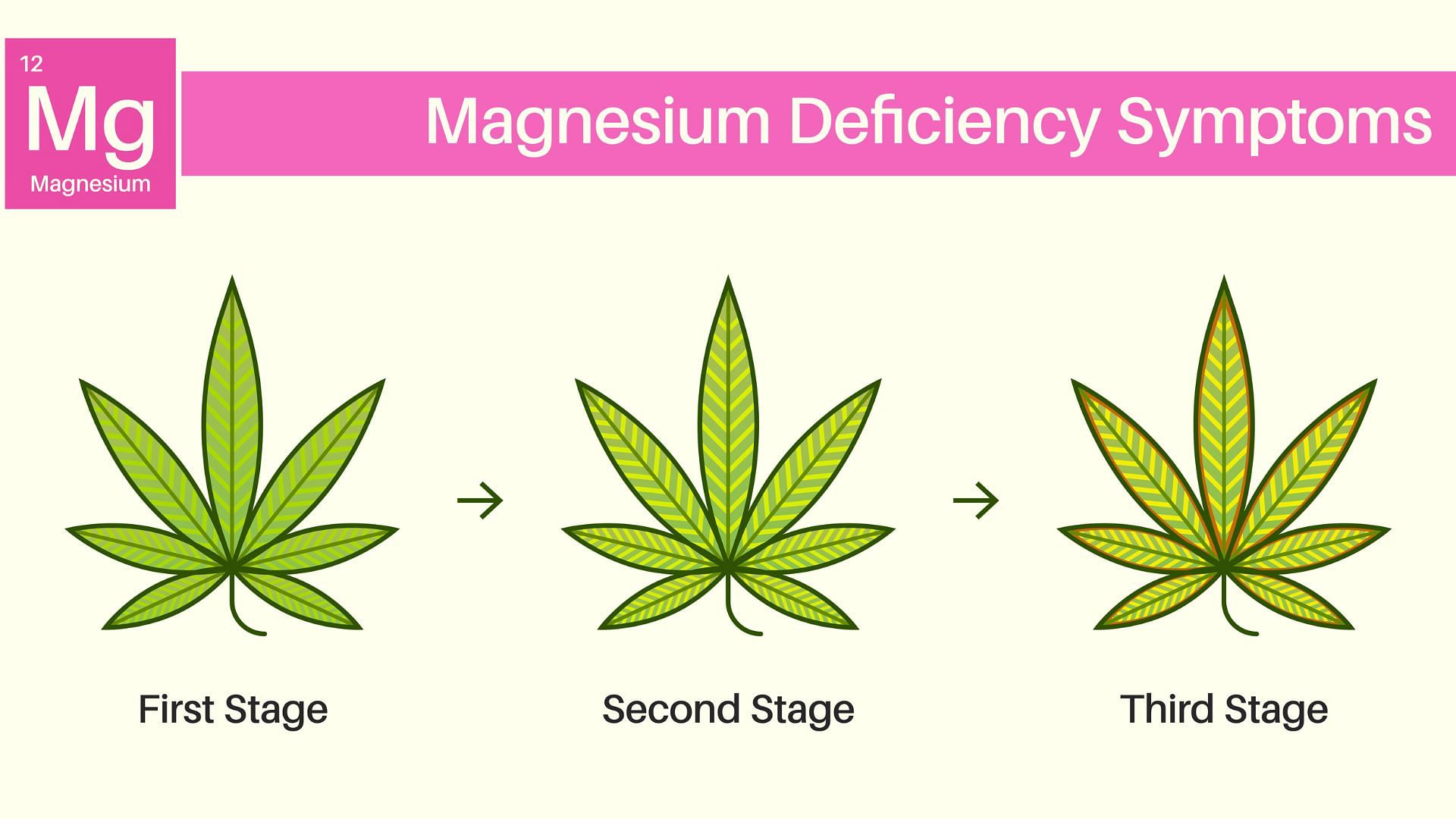
One of the initial signs of magnesium deficiency is the yellowing of older leaves, aka interveinal chlorosis, starting from the bottom of the plant. This chlorosis occurs between the leaf veins, leaving a green network of veins while the surrounding tissue turns yellow. This symptom typically appears in the lower and middle sections of the plant.
Leaf Curling and Twisting
Magnesium deficiency may cause the leaves to curl or twist abnormally. This deformation is often accompanied by a leathery texture in the affected foliage. The curling and twisting are noticeable in the younger leaves and can impede proper photosynthesis.
Leaf Necrosis
As symptoms of magnesium deficiency progress, necrotic spots may develop on the leaves, especially at the leaf edges. These spots can eventually spread, leading to the death of affected leaves. The necrotic areas often appear brown or yellow, further compromising the plant's ability to harness sunlight for energy.
Stunted Growth and Poor Flower Development
Insufficient magnesium can result in overall stunted growth and poor flower development. Cannabis plants experiencing magnesium deficiency may produce smaller buds with reduced resin content, ultimately impacting the final yield and leaving growers extremely disappointed.
How to Treat and Fix Magnesium Deficiency
Correcting Watering Practices
Overwatering can contribute to magnesium deficiency, as it may lead to nutrient leaching from the soil. Ensure proper drainage and allow the soil to dry out slightly between watering sessions. Adopting a consistent watering schedule and avoiding waterlogged conditions can help maintain magnesium levels in the root zone.
pH Management
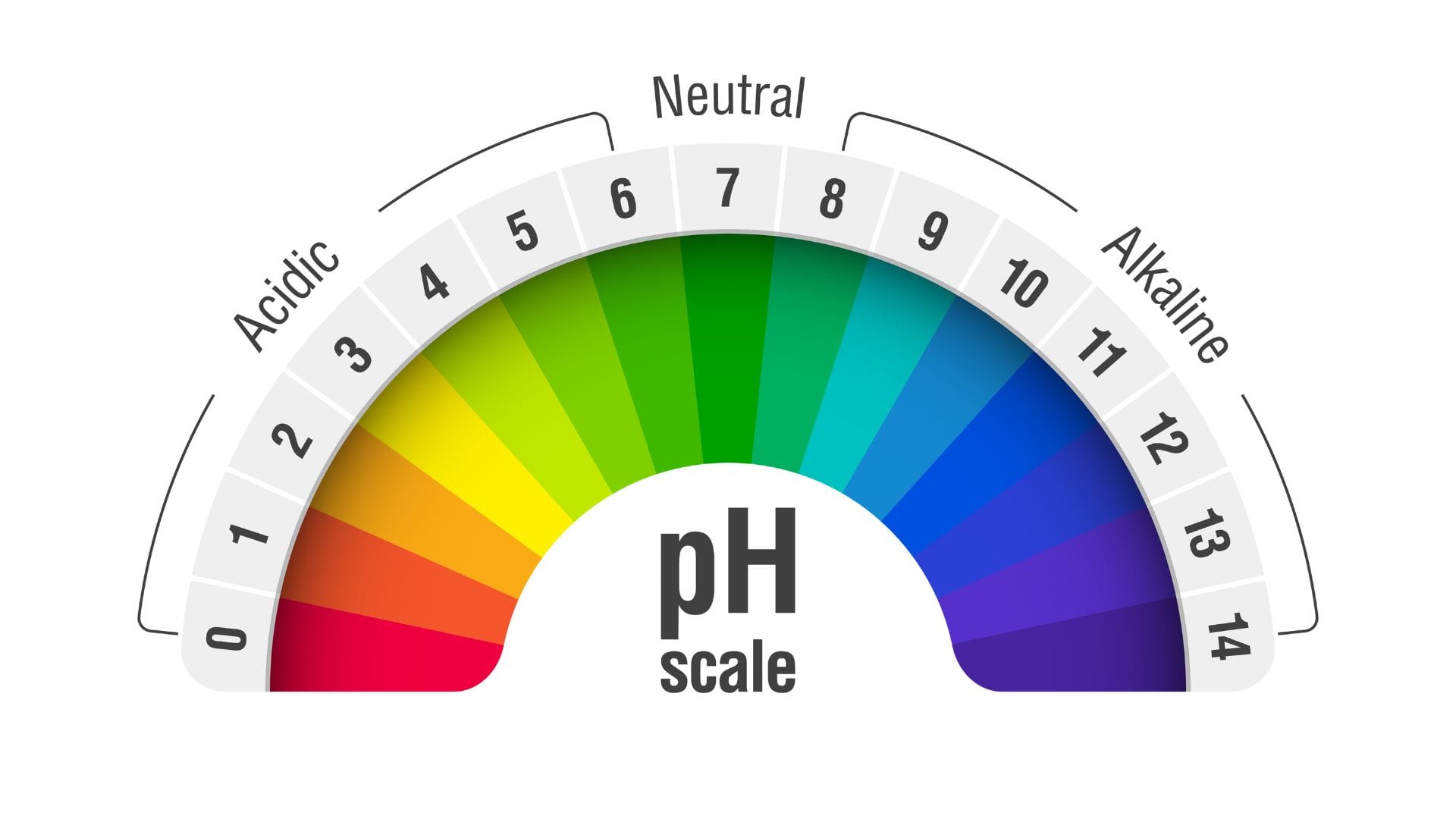
Monitoring and adjusting the pH of the growing medium is fundamental for magnesium uptake. At the first sign of any nutrient deficiency, you should begin by checking the pH of your soil, water, and fertilizer. Cannabis plants prefer a slightly acidic to neutral pH range (6.0-7.0). Regular pH testing and adjustments with pH regulators can enhance magnesium availability and absorption.
Checking your ppm and EC is another worthwhile step. Your water’s ppm should be under 120 to keep the balance of nutrients in your growing medium.
With these details in check, the next step is to deliver the amount of magnesium your plants have been lacking.
Soil Amendments
To address magnesium deficiency in the soil, incorporating magnesium-rich amendments is crucial. Epsom salt (magnesium sulfate) is a readily available and effective option. Dissolve Epsom salt in water and apply it to the soil or add it to nutrient solutions. Regular monitoring of soil pH is essential to ensure optimal magnesium absorption.
Foliar Sprays
For a quick and direct remedy, foliar sprays can be employed. Prepare a solution containing magnesium sulfate and water, then spray it directly onto the affected leaves. This method allows for rapid nutrient absorption through the leaves, alleviating symptoms faster than soil amendments.

Nutrient Supplements
Adjusting the overall nutrient balance is essential to prevent magnesium deficiency. Utilize well-balanced fertilizers that contain adequate levels of magnesium. Customizable nutrient solutions allow growers to fine-tune magnesium levels based on plant needs, maintaining a healthy and thriving cannabis crop.
Remove Affected Leaves
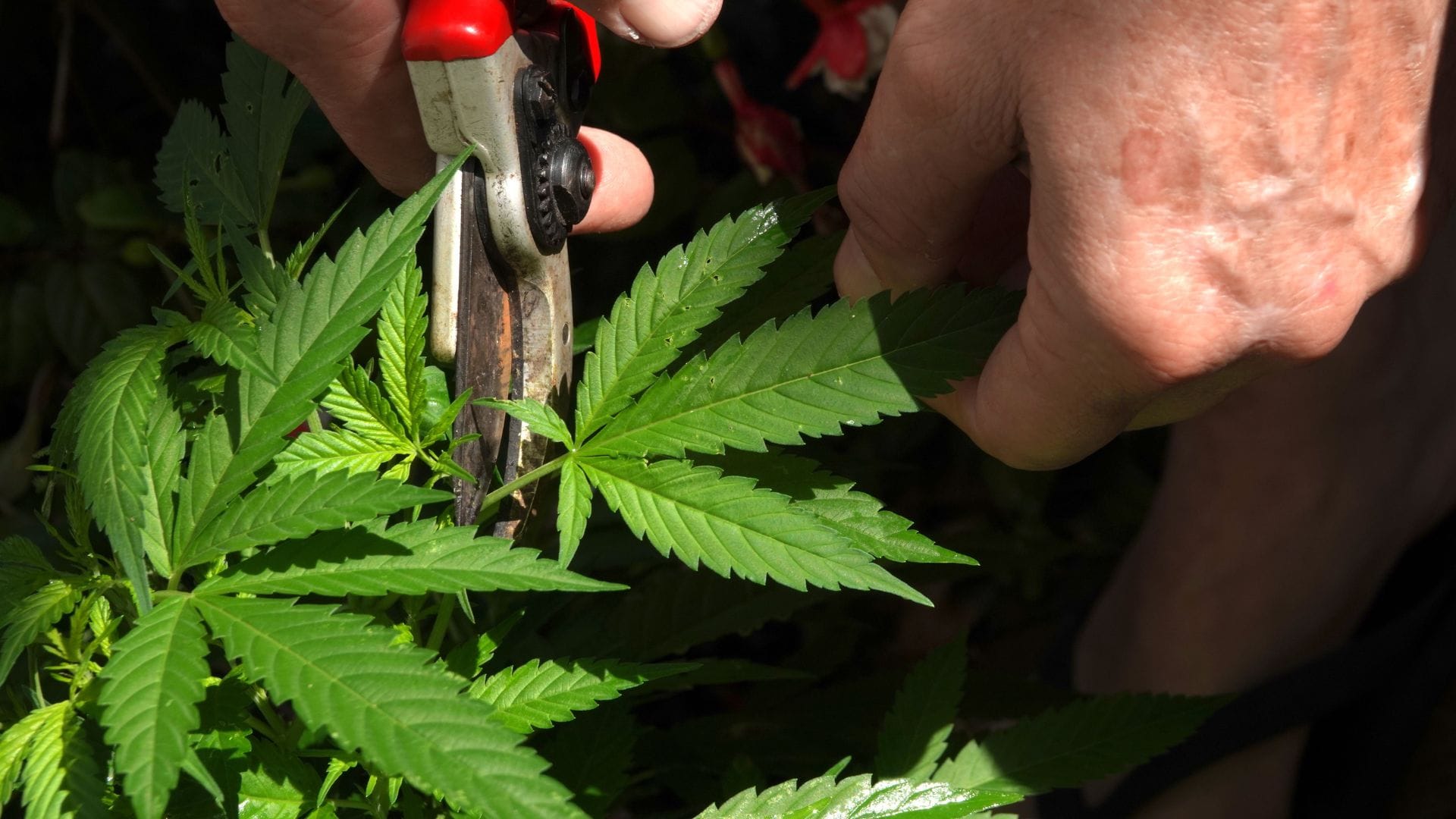
It’s smart practice to remove any leaves damaged as a result of the magnesium deficiency, as this allows the plant to focus its energy on healthy new growth, rather than wasting energy on maintaining damaged leaves. Prune carefully, and remove affected leaves.
Stop Magnesium Deficiency Occurring/Recurring
An awareness of the causes of magnesium deficiency will make it far easier to guard against their occurrence. To that end, bear these in mind and take proactive steps to ensure your growing environment is optimized in a way that makes a deficiency less likely in the first place.
- Carry out regular monitoring of the pH levels in your soil, water, and nutrients. It's essential to note that even if magnesium is present, improper pH can hinder its absorption by the plants.
- Cultivate a robust soil composition by incorporating a blend of organic matter, vermiculite, and perlite. Healthy natural soils possess a favorable cation exchange capacity, allowing them to retain nutrient compounds and supply them to the plants as needed. This characteristic also minimizes nutrient loss through leaching.
- Guarantee effective soil drainage. Cannabis thrives in well-aerated, well-draining soil. Inadequately draining soils can trap excess moisture, creating an unfavorable environment for root growth and impeding nutrient uptake.
- Monitor and regulate your feeding and watering routines. Utilize a feeding calendar to keep track of when and how much to feed your plants. Emphasize a cautious approach, prioritizing underwatering over overwatering to maintain optimal plant health.
Treating Magnesium Deficiency: Conclusion
In the realm of cannabis cultivation, magnesium is a key player, governing crucial processes that directly impact plant growth and development. Identifying and addressing magnesium deficiency promptly is essential for growers aiming to maximize yields and produce top-quality cannabis. By understanding the role of magnesium, recognizing deficiency symptoms, and implementing targeted treatment strategies, cultivators can safeguard their plants against the detrimental effects of nutrient imbalances. As with any aspect of cannabis cultivation, a proactive and attentive approach to nutrient management is the cornerstone of successful and bountiful harvests.