
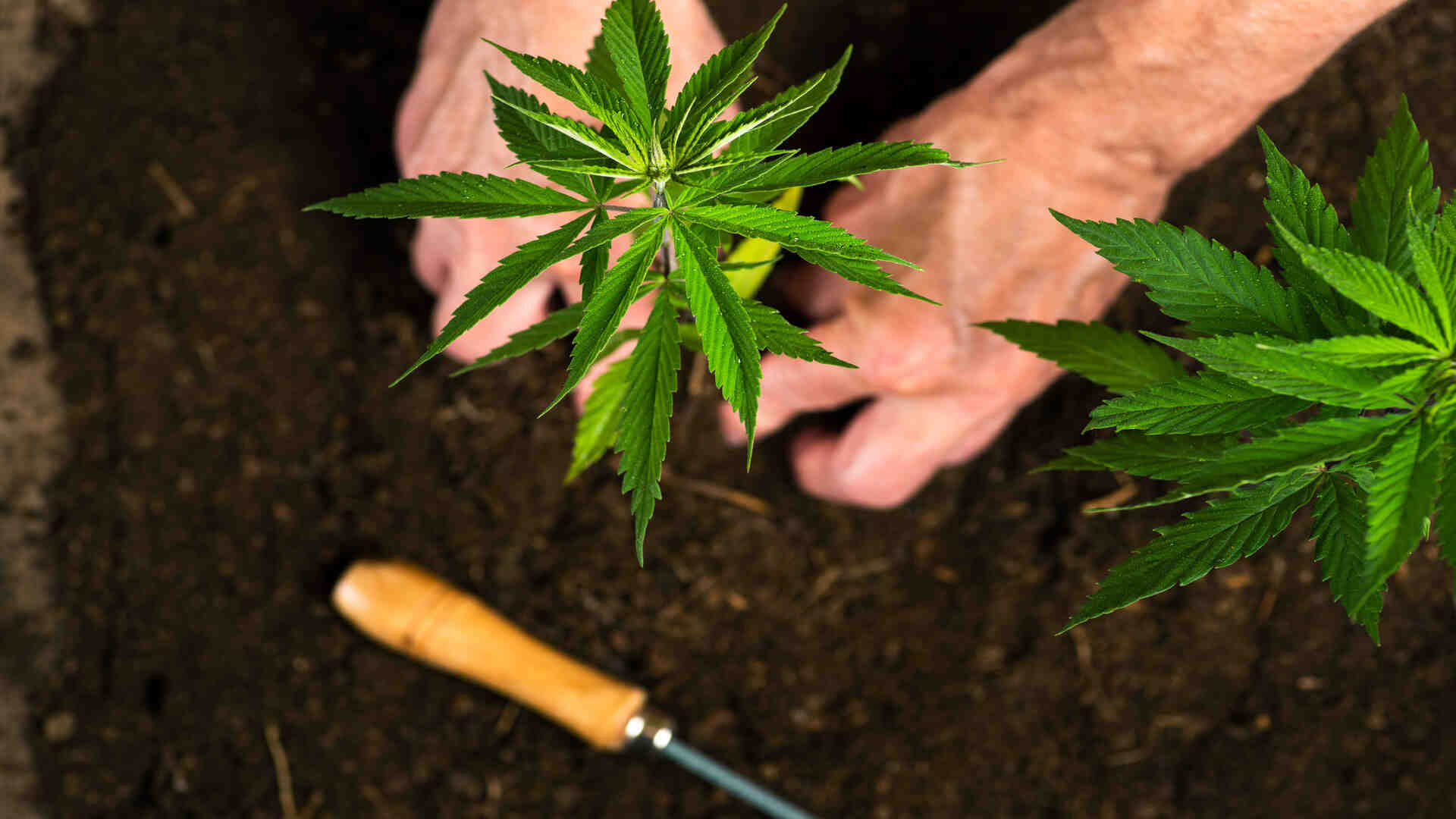

Early outdoor cultivation often begins with a sense of momentum. The days are getting longer. Light levels are improving. There's a natural pull to get started - to move plants outside, to settle them into their final positions, and let the season begin in earnest.
From above ground, everything appears to be moving in the right direction. But below the surface, it can be a very different story. When it comes to how to grow cannabis in soil, there's one key element some cultivators are missing.
Soil temperature - rarely discussed and often overlooked - plays a defining role in how to grow cannabis in soil, and in how a plant establishes itself in the early weeks. And if your plant doesn't get off to a good start, it's usually the limiting factor.
Successful growers understand this. Not as a technical detail, but as a quiet constraint that can shape every decision they make early in the season.
Growth Doesn't Start in the Leaves

It's fairly easy to judge plant health by what you can see. Leaf colour. Stem strength. The rate of new growth. But early development is driven by something less visible: root activity. And root activity is governed, to a large extent, by temperature.
When you're learning how to grow cannabis in soil, it helps you on the road to success to know that if soil is cold, roots can slow down significantly.
Further Reading:6 Tips To Understand The Cannabis Root Zone
Water uptake becomes less efficient. Nutrient absorption is reduced. Microbial life in the soil, which helps make nutrients available, becomes less active. Experienced cultivators who know how to grow cannabis in soil succcessfully are aware that, even when everything above ground looks favourable, if the soil temperature is too low, the plant often can't fully respond.
This is where the joy of growing often gives way to frustration. Plants appear to "stall." Growth is slower than expected, so if you find yourself asking "why is my cannabis growing slowly?" you need to run some checks. Leaves may lose some vibrancy. The instinct is to intervene - to water more, to feed, to adjust.
But often, the limiting factor isn't inputs. It's temperature.
Cold Soil - Even on Warm Days
March brings consistency. A bright afternoon can feel like the start of spring. Sunlight has strength again. Air temperatures rise enough to encourage movement in the garden.
But soil doesn't respond as quickly as air. It still holds the memory of winter.
In fact, even after several warm days, soil - especially at root depth - can remain cold. Overnight temperatures pull it back again. Without sustained warmth, soil struggles to reach the threshold where roots become fully active.
This creates a disconnect.
From above, conditions suggest things should accelerate now. But below, the plant is still operating in a slower, more conservative state. Recognising this gap is part of developing a more intuitive approach to how to grow cannabis in soil.
How To Grow Cannabis in Soil: Why Does Soil Temperature Matter Early?

In the early stages of plant life, everything is about establishment. Roots need to expand. They need to explore the available space, forming the foundation that will support the plant through the months ahead.
When soil is warm enough, this process is steady and responsive. The plant grows with a sense of balance - above and below ground developing in harmony. When the soil is too cold, that balance shifts.
Roots hesitate. Growth above ground becomes inconsistent. In some cases, plants may stretch slightly, searching for light while lacking the necessary root support to sustain more robust development.
It's not dramatic. There's no single moment where something goes "wrong." Instead, it's a subtle slowing - a delay that carries forward. And early delays tend to compound. Everything you knew about how to grow cannabis in soil can be impeded by a low soil temperature in the early stages.
How To Grow Cannabis In Soil: Reading The Signs of Low Soil Temperature
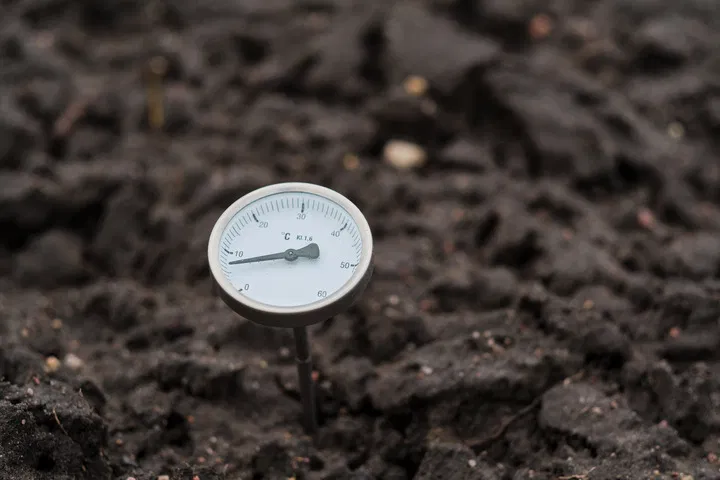
Soil temperature isn't something most growers measure directly. It's something they learn to read through observation. A plant that remains static for several days, despite good light, may be responding to what's happening below the surface. Leaves may appear slightly duller than expected. And they're not necessarily unhealthy. They're just lacking that early-season vigour.
Water takes longer to dry out than anticipated. The soil holds onto moisture, not because it's overly wet, but because evaporation and root uptake are both reduced.
These quiet signals don't call for urgency. They call for awareness. Soil temperature doesn't need to be perfect early in theason, but it does need to be workable. Below around 10°C, root activity is minimal and plants tend to stall. Between 10 and 15°C, growth is slow but steady, while 15-20°C is where roots usually begin to function properly and plants can respond to their environment with more vigour.
Rather than forcing conditions, successful growers with experience in how to grow cannabis in soil focus on gently encouraging warmth where possible - removing barriers rather than overcorrecting.
Working With the Conditions, Not Against Them
The cultivator's instinct in early spring is often to accelerate - to encourage plants forward into the season. But experienced growers tend to take a different approach. They work with conditions as they are, rather than trying to force them to be something else.
This doesn't mean doing nothing. It means making small, calculated adjustments that support plants without overwhelming them. You're not throwing out everyting you know about how to grow cannabis in soil. You're making fine tweaks. In the context of soil temperature, that usually means one thing: creating slightly warmer conditions where it matters most.
Subtle Ways to Increase Soil Temperature
If you're looking for calming reassurance here, you'll find it in this: there's no need for complexity here.
The most effective approaches are often the simplest.
Positioning plants plays a role

Areas that receive consistent sunlight - particularly earlier in the day - tend to warm more effectively. South-facing areas, sheltered corners, and spots near walls can all create small but meaningful differences.
Surfaces matter too.
Walls, fences, and even paving can absorb heat during the day and release it slowly. Positioning plants near these features can raise the immediate environment by a few degrees - often enough to support more active root development. These details are key components of early season plant care.
Containers warm faster than open ground

For growers with pots, this can be an advantage. Containers respond more quickly to changes in temperature, particularly when they're exposed to direct sunlight. Darker containers, especially, tend to absorb more heat.
Further Reading:Growing Cannabis Outdoors: Planting In the Ground vs Containers
But with this comes a need for balance. Warmer soil is naturally beneficial for how to grow cannabis in soil, but extremes - especially later in the season - can introduce new challenges. In the first few weeks though, the benefit usually outweighs the risk.
Ground preparation can make a big difference
Knowing how to choose a good soil for growing cannabis is vital for success. Soil that's compacted or overly wet will tend to warm more slowly. Lightly aerated, well-draning soil allows air and warmth to move more freely, helping bring your plants into their natural rhythm.
Even something as simple as avoiding overwatering can help maintain a more favourable temperature. Wet soil holds cold more effectively than soil with balanced moisture levels.
Timing Matters More Than Urgency
There's a naural eagerness at the start of the outdoor season. But timing is rarely about a single date. It's more about conditions aligning.
Transplanting into cold soil can create a pause in development, so if you're at the beginning of your journey, read A Guide To Transplanting Safely for more information. The plant doesn't fail - it simply waits. In some cases, waiting just a little longer before moving plants into their final outdoor position allows soil temperatures to rise just enough to support immediate root activity. And that's when things can really begin to take off.
That difference - between waiting and establishing - can shape the trajectory of growth in the weeks that follow. Most successful outdoor cultivators accept this. They understand that a slower start, in the right conditions, leads to consistent development over time. This is just one of the lessons in patience that growing cannabis teaches - don't rush your plants outside in haste to get going. Play the longer game, and reap the rewards. That patience is an important part of how to grow cannabis in soil.
Early Decisions Have Long-Term Impact

Outdoor growing is a cumulative process. Small decisions made in March echo into April, May, and beyond.
Soil temperature sits quietly, almost unnoticed, among the early variables of cultivation. It doesn't obviously demand attention, but it certainly rewards it. Plants that establsh strong, active root systems early tend to handle later challenges with better grace and more resilience. They can respond better to changes in weather. They may make more efficient use of available nutrients. They develop with greater structural integrity.
None of this happens immediately. It begins below the surface, in conditions that are easy to overlook.
How to Grow Cannabis in Soil Successfully: Take a More Observational Approach
There's a shift that happens over time in outdoor gardening.
Growers move from 'doing' to 'noticing'. Instead of reacting quickly, they pause. They observe patterns, allowing the plant to show what it needs. Soil temperature fits naturally into this way of thinking.
It's not something to control completely. It's something to understand, to account for, and to influence gently where possible. This approach brings growers a different kind of confidence. Not the confidence of having all the answers, but of recognising the signals and responding with intention.
Letting the Season Unfold
March and April are transitional months. Conditions change - sometimes quickly, sometimes not at all. There are warm days that hint at what's to come, followed by cooler nights that remind you it's not quite there yet.
If you're looking to learn how to grow cannabis in soil effectively, it's good to be aware that soil reflects this more honestly than anything above ground. It warms slowly, and moves forward at its own pace. Working with that rhythm - rather than pushing against it - is part of what makes outdoor growing both challenging and enriching. There's patience in it, and over time, that patience will show in the plants themselves.
Soil temperature may not be visible, but its influence is constant. In these early weeks, it sets the tone. Quietly, and steadily, beneath everything else. Being aware that soil temperature affects how to grow cannabis in soil successfully can get your plants off to the kind of strong start that leads to beautiful, brilliant harvests further down the line.