
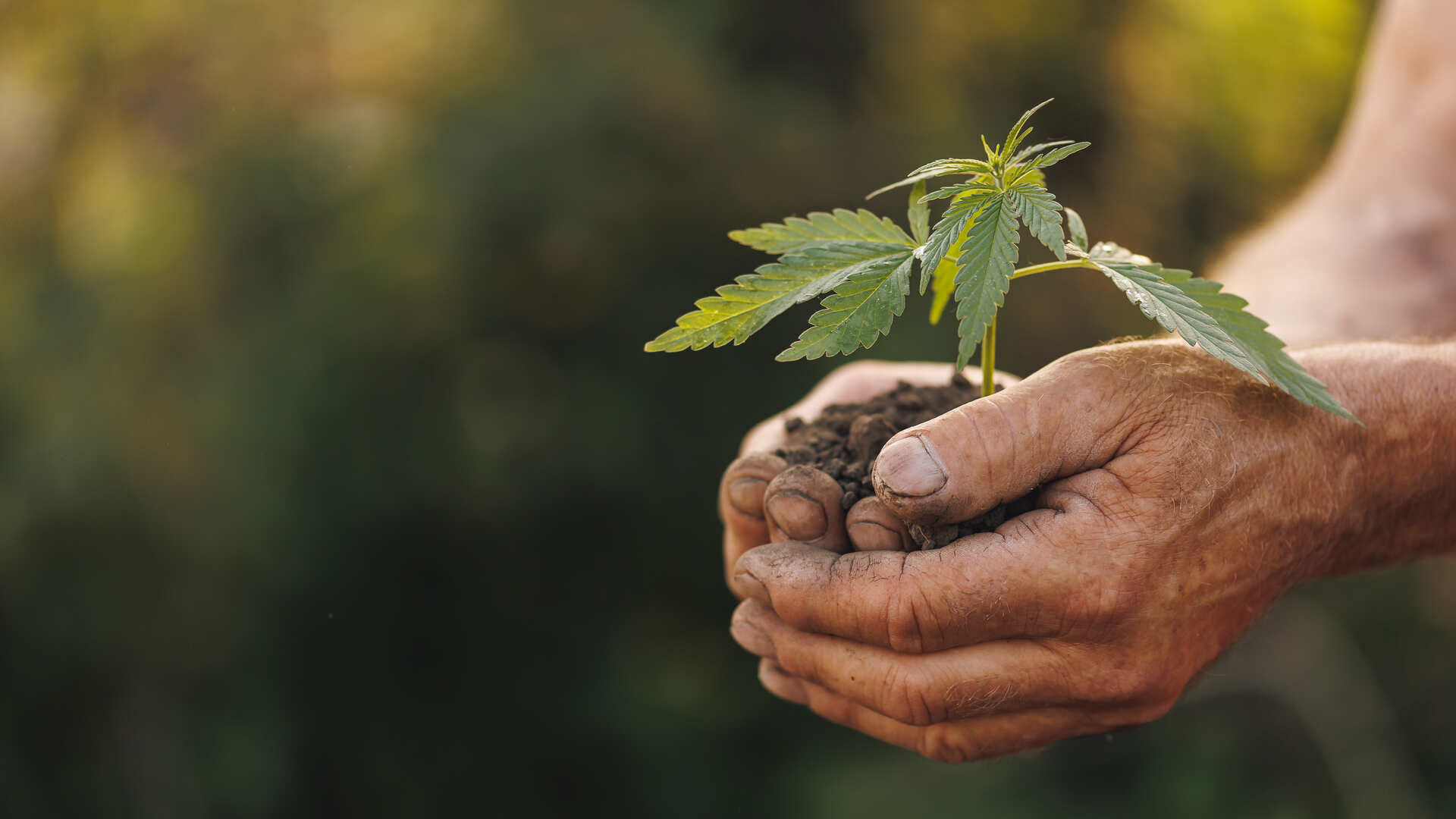

There’s a moment every experienced outdoor cultivator knows well - that shift from indoors to open air. The first time a young plant meets the elements.
It’s also the moment everything becomes fragile.
Seedlings and early vegging plants carry momentum, not resilience. Their stems are soft, their roots are still establishing, and their leaves can be easily overwhelmed. What felt controlled and predictable indoors becomes exposed overnight. When seedlings are moved outdoors, light intensifies, temperatures swing, and wind moves with intent. All elements of nature – both welcome and unwelcome – take an interest in your plants.
Successful growers understand early season plant care is a crucial step in how to grow weed outside. It’s a time for protection.
How to Grow Weed Outside: Protecting against Cold and Frost

Temperature matters to cannabis plants at all stages, so knowing how to protect your cannabis from extreme heat or cold is an important part of how to grow weed outside. Cold stress is one of the most common – and most underestimated – threats to young cannabis plants. Even mild drops in temperature can slow growth, weaken structure, and in the case of frost, cause irreversible damage to leaf tissue.
Young plants haven’t yet developed the cellular resistance to tolerate cold nights. A single night of frost can collapse weeks of progress. Part of learning how to grow weed outside successfully involves learning how to protect your seedlings from this risk.
Risks experienced growers watch for:
- Night temperatures dropping below 10C.
- Sudden frosts after warm spells
- Clear skies overnight (which often signals sharp temperature drops)
Methods successful growers use:

Cloches or domes
Simple plastic covers, cut bottles, or garden cloches trap residual heat from the soil. They create a small, stable microclimate around each plant.
Why it works: Soil releases heat overnight. Containing it can reduce the temperature swing directly around the plant.
Temporary covers (fleece or fabric)
Horticultural fleece allows airflow while insulating against cold. It's lightweight, reusable, and easy to deploy when forecasts dip.
Why it works: It reduces radiant heat loss without suffocating the plant.
Delayed transplanting
Sometimes the most effective action is restraint. Waiting until nights stabilize above risk thresholds gives plants a stronger starting position.
Why it works: Larger plants tolerate stress better. Size brings resilience.
How to Grow Weed Outside: Managing Wind Exposure
Wind doesn't just move air - it applies force. For young cannabis plants, that force can bend stems, damage leaves, and even disrupt root formation. A light breeze can strengthen plants over time - and this is just one reason why many indoor cultivators employ small fans on a low setting. But early on, uncontrolled wind is more destructive than beneficial.
Risks experienced growers watch for:
- Leaning or uprooted seedlings
- Torn or frayed leaves
- Stunted growth due to constant stress
Methods successful growers use:
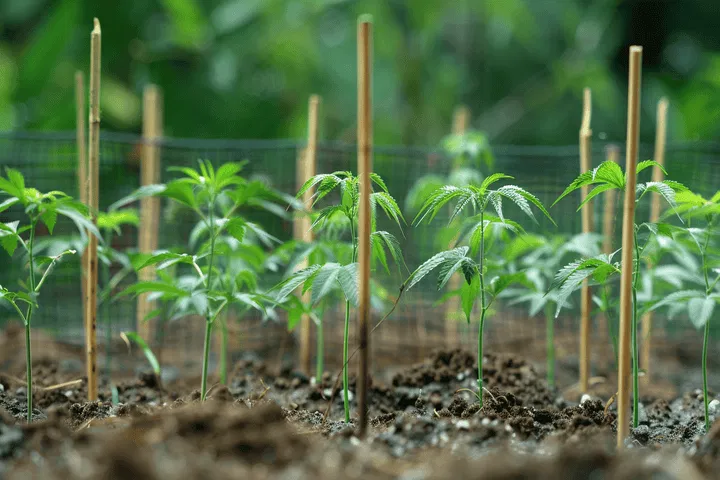
Windbreaks
Using mesh, netting, or natural barriers (fences, hedges) to reduce direct exposure.
Why it works: Wind speed drops significantly when it hits a barrier - even a partial one.
Staking young plants
A simple cane or stake can provide support during early development
Why it works: Prevents excessive movement while roots anchor into the soil.
Gradual Hardening off
Cannabis plant hardening off is not as dirty as it sounds. It just means introducing plants to outdoor conditions in stages rather than all at once.
Why it works: Controlled exposure allows stems to strengthen without shock.
Wind management isn't about eliminating movement - it's about shaping it into something the plant can respond to, rather than resist.
Further Reading:Why Are My Cannabis Seedlings Falling Over?
How To Grow Weed Outside: Protecting Against Animals

The outdoor environment is shared space. When learning how to grow weed outside, it's not uncommon for new cultivators to overlook the need to protect plants from garden invaders. To animals, young cannabis plants are either curiosity, comfort, or food.
Dogs dig. Cats lounge. Foxes explore, and smaller animals nibble. Without care and protection, plants are exposed to risks that may undo a grow overnight.
Risks experienced growers watch for:
- Uprooted plants, caused by animals digging
- Broken stems from trampling
- Leaves eaten by small herbivores
Methods successful growers use:
Physical barriers (mesh cages or netting)
Surrounding plants with simple wire or plastic mesh structures.
Why it works: It creates a clear boundary without restricting necessary light or airflow to the plant.
Raised beds or containers
Elevating plants slightly off ground level can reduce the risk of casual interference.
Why it works: It makes plants less accessible and less inviting.
Scent deterrents and spacing
Keeping the grow area clean and free of attractants, while spacing plants away from common animal paths.
Why it works: Animals follow habit. Disruption reduces interaction.
There's a quiet understanding among experienced growers: instead of trying to control nature, you work around it.
How To Grow Weed Outside: Light Intensity and Sun Stress
It's easy to assume more sun equals better growth - after all, light is key to ensuring cannabis plants thrive. But for young plants, especially those started indoors, direct sunlight can be overwhelming. Leaves that developed indoors under artificial light aren't immediately equipped to handle full-spectrum exposure.
Risks experienced growers watch for:
- Bleaching or pale patches on leaves
- Curling or "praying" leaves under intense midday sun
- Slowed growth after transplanting
Methods successful growers use:
Shaded introduction
Placing plants in partial shade for the first few days outdoors.
Why it works: It allows chlorophyll and leaf structure to adapt gradually.
Morning sun, afternoon protection

Positioning plants where they can receive gentler early light but avoid peak intensity.
Why it works: It reduces stress during the harshest part of the day.
Transplant timing
Moving plants outdoors in the evening rather than midday.
Why It works: It gives plants a full night to settle before facing direct sun.
Learning how to grow weed outside means recognizing that even something as essential as light has to be introduced with care and respect for the plant.
How to Grow Weed Outside: Soil Stability and Water Control
Early root development happens quietly, but defines most of what follows. Too much water, and roots can suffocate. Too little, and they stall.
Outdoor conditions complicate this balance. Rainfall is unpredictable. Soil drains differently than pots, and temperature influences evaporation. Knowing how to choose a good soil for growing cannabis is a topic worth exploring.
Common risks experienced growers look for:
- Waterlogged soil after after heavy rainfall
- Dry patches from wind exposure
- Nutrient washout in loose soils
Methods successful growers use:
Well-draining soil mixes
Incorporating perlite or organic matter to improve structure
Why it works: It prevents water from pooling around roots.
Mulching around the base

Use straw, bark, or similar materials to cover the soil surface.
Why it works: It retains moisture and stabilizes temperature.
How to Grow Weed Outside: Pest Awareness in Early Growth
Young plants are tender, and that makes them highly desirable to hungry insects. Learning how to keep bugs and pests away from your cannabis is an important study when learning how to grow weed outside. Pests can establish themselves quickly in your grow space if conditions allow. An integrated pest management system is integral to a successful grow.
Further Reading:Integrated Pest Management For Cannabis Explained
Early infestations are easier to prevent than they are to fix.
Common early pests experienced growers check for:
- Aphids
- Slugs and snails
- Spider mites (especially in dry conditions)
Methods successful growers use:
Regular visual checks

Inspecting leaves (especially the undersides) every few days.
Why it works: Early detection makes pests easier to target and contain.
Natural deterrents
Companion planting or organic sprays used sparingly.
Why it works: These methods discourage pests without disrupting the environment.
Further Reading:Beyond Buds: Maximizing Your Garden With Companion Planting
Physical removal
Hand-picking or rinsing pests off (while numbers are low).
Why it works: Immediate action prevents population growth.
When you're learning how to grow weed outside, the goal isn't a sterile environment. It's balance.
How To Grow Weed Outside: A Steady Start Shapes The Season
Learning how to grow weed outside is less about reacting to problems and more about anticipating them. Whether you grow cannabis purely for the harvest or if you're all about the joy of cultivation, proper early season plant care is essential to ensure a smooth and successful journey through the vegetative and flowering stages.
Early care asks for patience. Not passive waiting, but quiet attention. Adjusting position. Adding protection. Removing risk before it becomes damage.
Cannabis plants don't necessarily demand perfection, but they do need consistency. And when given that, they often respond in kind. Stems thicken. Leaves deepen. Growth becomes confident rather than cautious. And what felt fragile in the beginning begins to carry itself with strength.
Wherever this season takes you, taking adequate care of your young plants is a key step in how to grow weed outside successfully. Happy growing!