
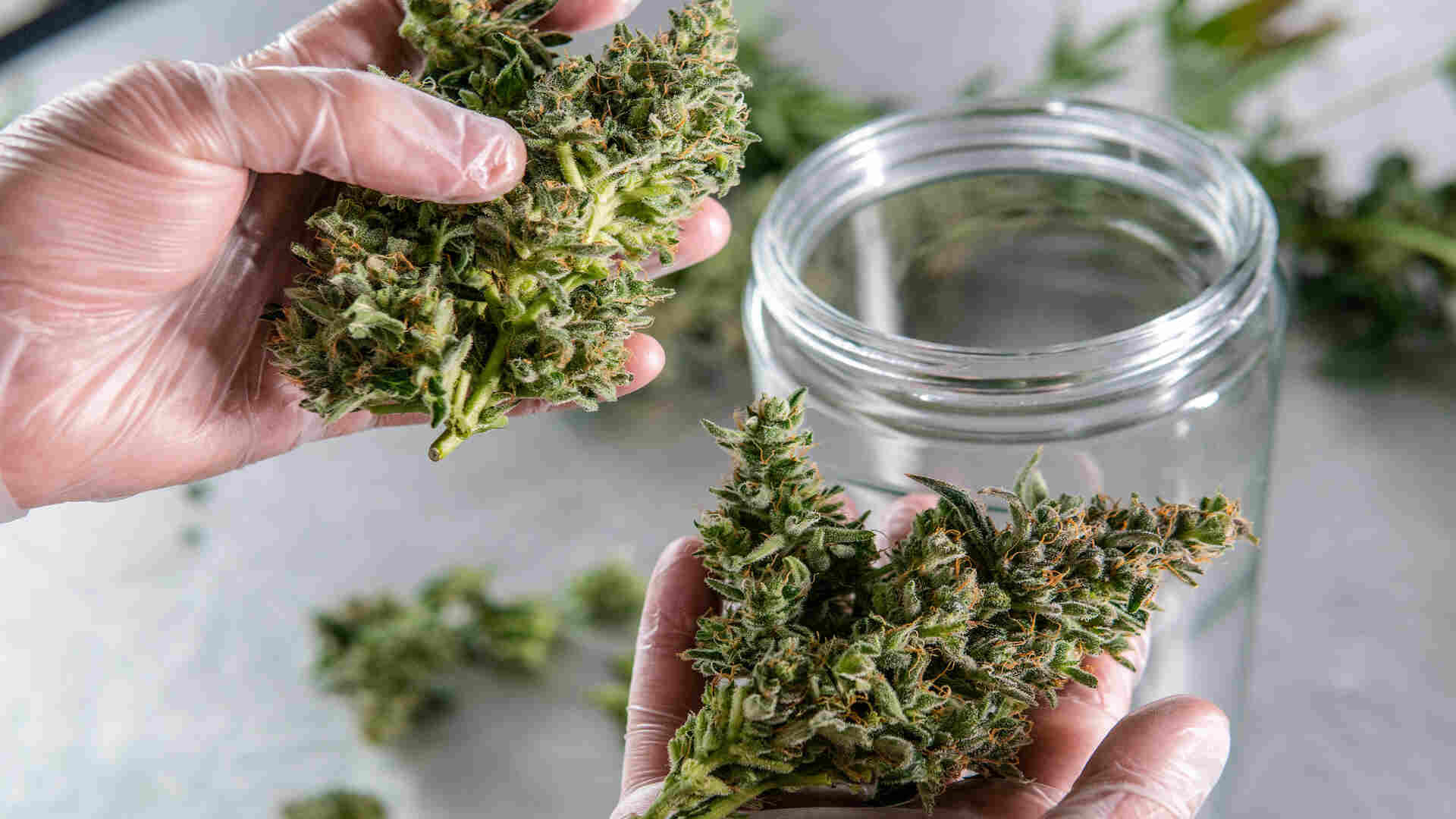

If you’re trying to grow autoflowering strains successfully and wondering why your buds aren’t fattening up the way you’d like, you’re not alone. The key to success lies in hitting every growth factor precisely. This guide on how to get bigger buds on autos will cut out the fluff and show you exactly what to focus on – from lighting and nutrients to training and harvest timing. The goal here isn’t simply bigger yields, but physically larger colas that impress.
Understanding Autoflowers
Autoflowering cannabis plants are hybrids containing Cannabis Ruderalis genetics, which makes them flower based on age rather than light cycle. Most strains finish in 8-12 weeks from seed, and because of this accelerated timeline, every phase of growth is critical.
Bud size is primarily determined during the transition into flower and early bloom. This is when the plant diverts its energy from leaf and stem growth into building reproductive structures, If energy, nutrients, and environmental conditions are dialed in during this phase, you’ll see significantly larger calyxes and tighter colas.
Choosing the Right Growing Conditions
Autoflowering cannabis plants thrive under specific growing conditions that cater to their unique needs. Unlike photoperiod strains, which rely on light cycles to start flowering, autoflowering plants begin their flowering stage based on age. This means that providing the right environment from the start is crucial for healthy growth and optimal bud development. If you want big buds, you have to nail some specific facets of autoflower cultivation.

Most autoflowering plants prefer a warm and dry environment, so aim to keep the temperature between 22-25°C (72-77°F) and maintain a relative humidity of 40-60%. These conditions help prevent mold and other issues that can hinder bud development. Additionally, good air circulation is essential to keep your plants breathing well and to avoid stagnant air, which can lead to problems like mold and pests.
Lighting is another critical factor. Autoflowering cannabis plants need a sufficient amount of light to produce high-quality buds. A grow light with a spectrum of 400-700nm is ideal, as it covers the full range of light wavelengths that plants use for photosynthesis. Providing 18 hours of light and 6 hours of darkness per day ensures that your plants receive the energy they need for robust growth and bud production.
By carefully managing these growing conditions, you can create an environment where your autoflowering plants can thrive, leading to bigger, denser buds.
Optimize Your Light for Bigger Cannabis Buds
Light intensity and spectrum are arguably the most influential factors in determining how the plant receives adequate light for optimal growth.
Ensuring the plant receives the right hours of light, light levels, and light spectrum is crucial for preventing weak growth and promoting healthy development. Proper light intensity not only supports vegetative growth but also plays a significant role in producing buds, leading to the development of small flower clusters at the nodes. Here's some things to consider if you want to get big buds on your autos:
Light Intensity
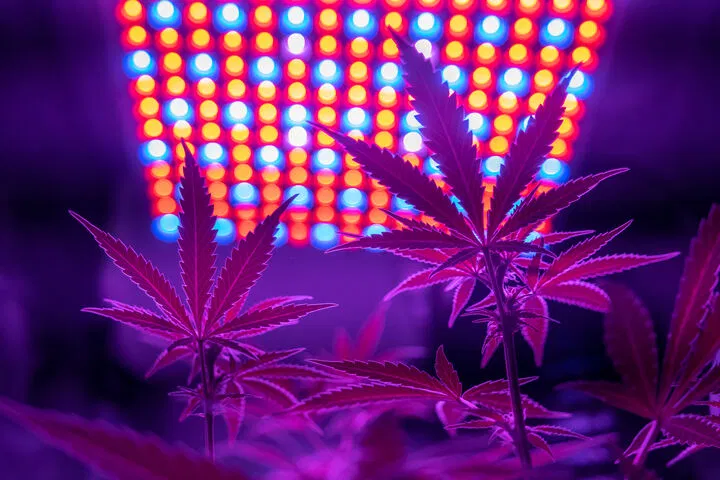
Autoflowers require high-intensity light to produce big, dense buds. High-intensity light also helps plants grow taller during the vegetative stage. Many growers underestimate the amount of light autos can handle. Aim for a PPFD (Photosynthetic Photon Flux Density) of 600-800 µmol/m2/s during flowering. Modern full-spectrum LED grow lights with high efficiency (2.5 µmol/J or higher) are ideal. Managing the distance between your lights and the plant canopy is also crucial - if it's too close, you risk burning the tops of your plants, and if it's too far away, they'll receive insufficient light to produce the goods.
Light Schedule
While autos don’t rely on a 12/12 light schedule to flower, maintaining 18/6 or even 20/4 light cycles throughout their veg and 12/12 in flowering ensures maximum energy of photosynthesis, resulting in bigger flowers. Consistent light schedules also promote new growth, which is crucial during the vegetative stage as the plant's height and bushiness increase.
Light Spectrum
Cannabis plants enjoy red frequencies during flowering, so full-spectrum LEDs with red enhanced are a good way to go to boost bud size.
Pro Tip: Keep your canopy even to ensure uniform light penetration. Uneven light leads to underdeveloped lower buds.
What If I'm Growing Autos Outdoors?
If you're looking to produce big buds on outdoor-grown autos, harness the sun's beneficial rays by planting your autos in a position where they'll receive the maximum sunlight in the morning and early afternoon, but a bit of shade later in the day.
Nutrients Matter For Bigger Buds
When it comes to how to get bigger buds on autos, managing nutrient requirements throughout the lifecycle is imperative, and especially, feeding correctly during flowering is key. As your plants shift into reproductive mode, phosphorus and potassium become the stars of the show. Quantities are largely strain-specific when it comes to cannabis, with some strains requiring more feeding while others can thrive on less. For this reason, knowing exactly how much to give your plants typically comes with experience and observation - but there are are rules of thumb. Nitrogen takes centre stage during the vegetative phase to ensure healthy stem and leaf growth, then, in flowering, you'll dial back the nitrogen and push phosphorus and potassium into the spotlight.
Phosphorus aids in flower initiation and cellular energy transfer, while potassium regulates water and nutrient movement, enzyme activation, and overall bud formation. Begin applying bloom nutrients around weeks 3-4 from seed, starting with 25% to 50% of the recommended dose to prevent over-fertilization. While nitrogen requirements decrease, don’t eliminate it entirely – small amounts are still necessary to maintain photosynthesis and prevent yellowing.
Improving nutrient uptake also plays a role. Adding mycorrhizal fungi or beneficial bacteria boosts root surface area and nutrient absorption. It's also vital to ensure pH stays in range – 6.0 to 6.5 for soil, 5.8-6.2 for hydroponics – so nutrients remain bioavailable. A plant that can absorb more nutrients will put more resources into making flowers bigger.
Watering Techniques to Support Cannabis Bud Growth
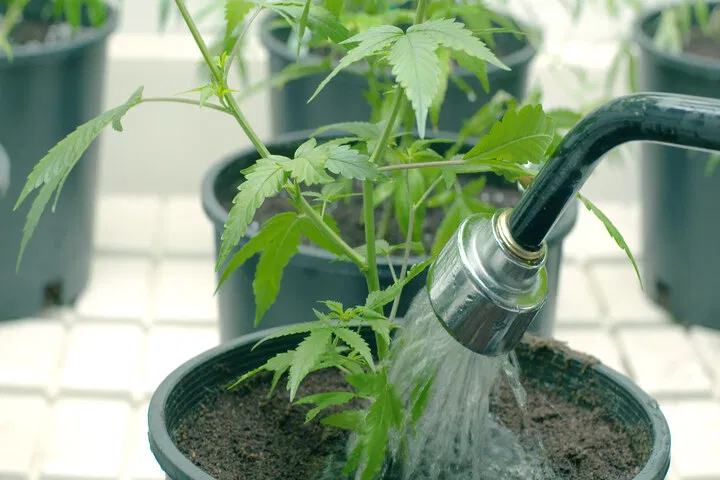
Watering impacts root health, and roots feed your buds. Overwatering suffocates roots by displacing oxygen, and providing too much water can harm delicate seedlings, while underwatering stresses the plant and limits nutrient transport. Both lead to smaller, lighter buds - the opposite of what you're chasing here.
Let the medium partially dry between waterings to promote root expansion and prevent rot. Each watering should include some runoff to flush out salts that could otherwise cause nutrient lockout. This balance keeps roots healthy and ensures plants can direct energy efficiently to flowers.
Setting the Environment to Grow Big Buds
Environmental control is often the make-or-break factor in bud size. Optimizing your grow space is crucial for balancing CO₂ levels, temperature, and humidity to create the ideal environment for plant development. Poor humidity or temperature can disrupt transpiration, nutrient transport, and even enzymatic activity inside the plant. All of these contribute to how efficiently your plant can grow large flowers.
In the vegetative stage, aim for 22-25°C (70-77°F) and 55-70% RH. As flowering progresses, drop humidity to 40-50% to prevent mold and encourage denser bud development. In the final weeks, reducing RH to around 35-45% can help harden buds and enhance resin production. Keep airflow consistent and fresh air circulating to maintain this balance and keep your plants breathing well.
Training Your Autos for Better Light Penetration
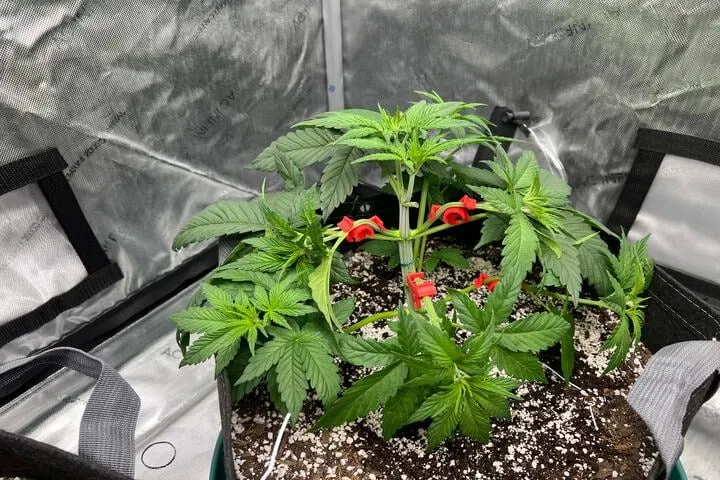
Bigger buds don’t just come from the top colas – you need to give the lower sites a chance. Training, especially low-stress training (LST), can spread your canopy so light reaches more bud sites. Removing large fan leaves can enhance light penetration and air circulation, promoting healthier growth and maximizing bud development.
Start LST early, by week 2-3, and gently bend the main stem to create a more even canopy. This exposes lower growth to strong light and leads to more uniformly large buds. Stop training once flowering begins to avoid stressing the plants during this critical phase. High-stress methods like topping can reduce final bud size if recovery time cuts into the short autoflower timeline.
Using CO2 to Boost Bud Density
In a well-controlled grow with strong light, adding CO2 can significantly increase bud mass. By redirecting the plant's energy towards bud development, CO2 helps enhance growth and improve yield. With elevated CO2 levels (1000-1200 ppm), plants photosynthesize more efficiently, which accelerates growth and flower development.
However, CO2 is pretty expensive, and only effective in sealed or semi-sealed grow spaces. In open setups with constant exhaust, added CO2 dissipates before plants can use it. Think of CO2 as an amplifier – it won’t fix a poor setup, but it can take an optimized grow to the next level in bud size.
Do Genetics Influence Bud Size?
Even the best environment can’t overcome bad genetics. If your seeds are from a weak strain, or aren’t bred for dense bud production, your results will always be limited. Look for autos with reputations for weighty, resinous flowers and a high flower-to-leaf ratio.
Strains Known For Producing Bigger Buds:
Zkittlez Auto
A high THC autoflower bursting with fruit flavours, Zkittlez Auto is known for its high yields and big buds
Buy Seedsman Zkittles Auto Feminised Seeds



Wedding Cake Auto
Big buds, high THC content and a seed to harvest time of just 8-10 weeks, Wedding Cake Auto is an indica-dominant treat.
Buy Seedsman Wedding Cake Auto Feminised Seeds


Northern Lights Auto
An all-time classic strain in autoflowering form, Northern Lights Auto produces bumper buds of potent cannabis.
Buy Seedsman Northern Lights Auto Feminised Seeds


Remember that whatever your aim, choosing quality seeds is the first step in any successful grow – including those focused on bud size. Selecting the right cannabis autoflowering strain can significantly impact the final results in terms of bud size and yield.
Equipment and Supplies
- Growing autoflowering cannabis plants successfully requires the right equipment and supplies. Start with a high-quality growing medium, such as soil or coco coir. Both options provide a stable environment for root development, but coco coir offers excellent aeration and drainage, which can be beneficial for preventing root-bound issues and promoting healthy growth. A light soil with perlite added will give your plants a great base to grow from.
- Choose pots that are at least 10-15L in size. Fabric pots are an excellent choice because they allow for better air circulation around the roots, which can enhance root health and overall plant growth. These pots also help prevent overwatering by allowing excess water to drain away easily.
- A reliable, suitable light source is essential for providing the energy your plants need. Pair this with a thermometer and hygrometer to monitor and maintain the ideal temperature and humidity levels. A watering can with a fine spout will help you water your plants evenly without disturbing the soil.
- Supporting your plants’ vertical growth is crucial, especially during the flowering stage. Consider using a trellis or stakes to keep your plants upright and ensure that light reaches all parts of the plant. This support can help maximize light penetration and promote even bud development.
- Nutrients play a vital role in the growth of autoflowering cannabis plants. During the flowering stage, bloom nutrients high in phosphorus and potassium are essential. These nutrients support bud formation and overall plant health. Understanding the plant’s life cycle, from the seedling stage through the vegetative stage and into flowering, will help you provide the right care at the right time, ensuring the best yields.
By equipping yourself with the right tools and knowledge, you can create an optimal growing environment for your autoflowering cannabis plants, leading to healthy growth and impressive yields.
Harvest Timing: Let Buds Reach Full Size
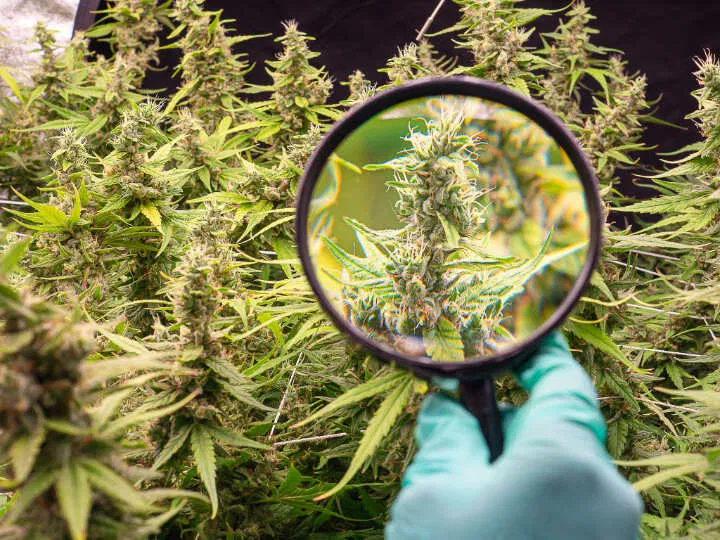
Harvesting too early is one of the most common mistakes growers make when shooting for big buds. You've possibly even made this mistake yourself - in your haste to get your hands on those delicious buds, you harvest at the earliest opportunity, robbing your buds of precious time to pack on extra size. The last two weeks of flowering are when the most visible swelling occurs, so keep your hands off! If you cut the plant down before this phase finishes, you lose out on a lot of size – and potency. Using trichomes to determine potency and harvest time is something every grower should learn. Recognizing the first signs of trichome maturity is crucial to ensure you harvest at the right time.
Monitor trichomes with a magnifying glass or jeweller’s loupe. When most of the trichomes are milky and 10-20% have turned amber, you’re at peak maturity and should have heavier, chunkier flowers.
Why Are My Buds Small? Diagnosing The Problem
If your buds aren’t bulking up, one or more factors could be at play:
- Light Intensity Too Low: Insufficient PPFD prevents the plant from building dense flower mass.
- Nutrient Deficiency or Imbalance: Without enough phosphorus and potassium, buds won’t fatten up properly.
- Watering Issues: Overwatering or underwatering can affect root health and nutrient uptake, leading to undersized buds.
- Training Stress: Too much pruning or stress in early flowering can limit bud formation.
- Weak Genetics: Some autos just don’t have the traits to build large buds, often resulting in small plants.
- Harvested Too Early: Skipping the final swelling phase robs your buds of size.
Solving these issues begins with accurate diagnosis. If you identify and correct them early, you can still coax your plant into producing bigger flowers.
How To Get Bigger Buds on Autos: Final Thoughts
Mastering how to get bigger buds on autos is about giving your plants the conditions it needs to perform. That means high-intensity lighting, appropriate nutrients, controlled watering, a stable environment, gentle training, and finishing strong by timing your harvest correctly.
Autoflowers have incredible potential despite their short lifecycle. When you optimize each phase of growth, you’ll see buds that are not just numerous – but massive. Apply these techniques, keep your grow environment consistent, and you’ll be rewarded with big, dense buds that rival photoperiod strains. Optimizing each phase of growth ensures good yields, maximizing the output from your autoflowering plants.