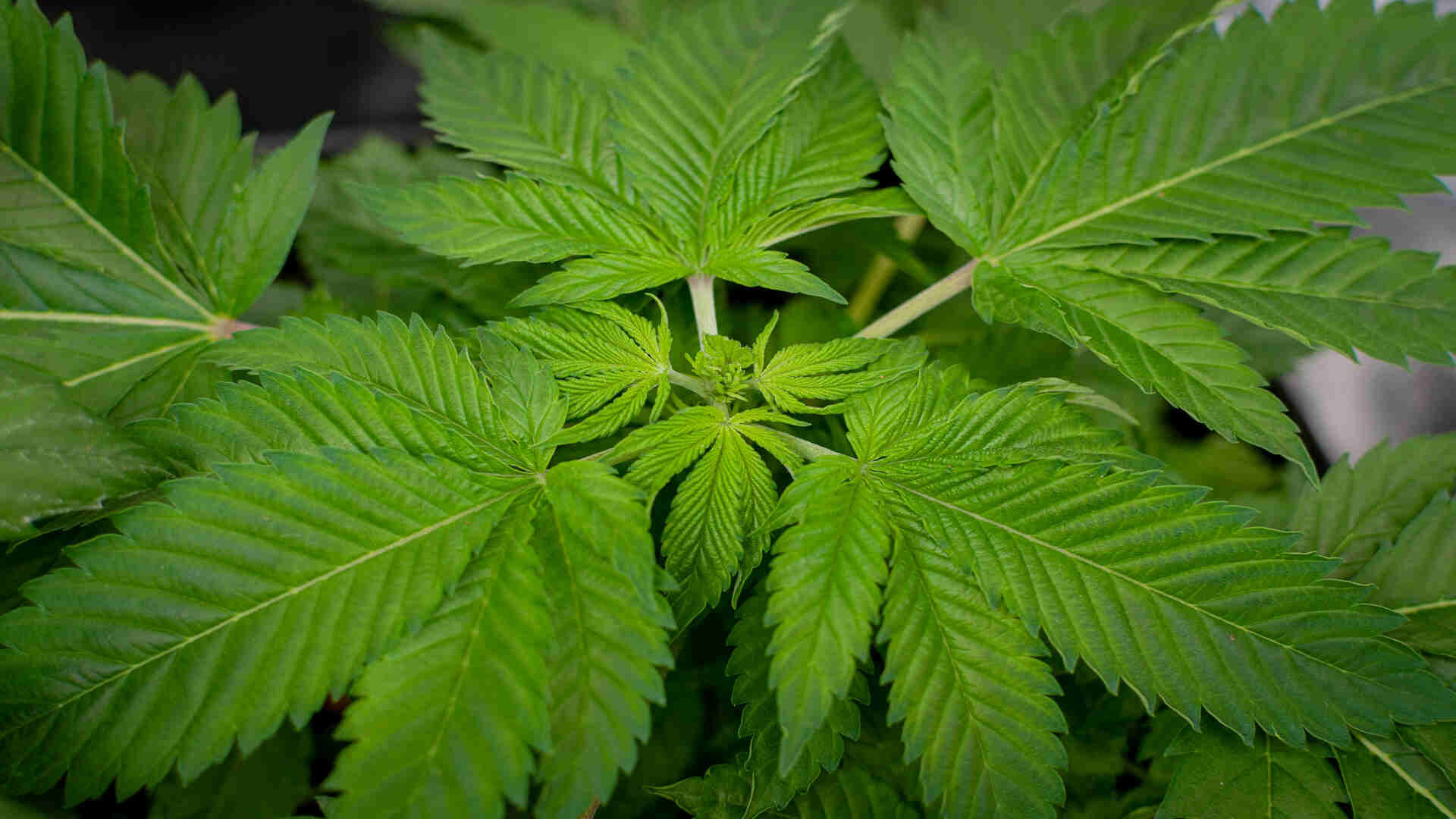
The early vegetative stage is a big deal for cannabis plants. This is when they’re building the foundation for future growth – developing strong stems and lush, healthy leaves. If you get this stage right, your plants will be better equipped to support heavy buds later and absorb light and nutrients efficiently. In this article, we’ll explore some of the key strategies to encourage robust stem and leaf development in outdoor cannabis cultivation.
How To Create Strong Stems in Cannabis: Provide Ample Light Exposure
How much light is everything when it comes to growing strong cannabis plants. During the vegetative stage, plants need long hours of direct sunlight to thrive. Ideally, outdoor cannabis should receive at the very least 12 hours of sunlight per day to ensure optimal photosynthesis and energy production.

Understanding Plant Stems and Roots
Plant stems and roots are the foundation of a healthy cannabis plant. Stems provide structural support for leaves and flowers, while roots absorb nutrients and water from the soil. Understanding how to promote healthy stem and root growth is crucial for optimal plant development.
Stems have a vascular system that transports water and nutrients throughout the cannabis plant, ensuring that every part of the plant receives the nourishment it needs. Meanwhile, roots anchor the plant in the ground, preventing it from toppling over in high winds or heavy rain. More importantly, they also store food and moisture, which is vital for the plant’s survival during dry periods. Healthy stems and roots enable cannabis plants to absorb water and nutrients efficiently, leading to vigorous growth and high yields. By focusing on both stem and root health, you can ensure your cannabis plants develop into robust, productive specimens. Who doesn't want that?
Why It Matters:
- More sunlight means more chlorophyll production, leading to greener, healthier leaves.
- Direct light encourages stems to grow thick and sturdy instead of weak and lanky.
- Not enough light and your plants may stretch too tall and thin, leaving them prone to breaking.
Choose a grow spot that gets as much direct sunlight as possible throughout the day. If some shade is unavoidable, use reflective materials like white surfaces or mylar to bounce light onto your plants.If you’re experiencing cloudy days, you may even consider supplementing with full-spectrum LED grow lights for a few extra hours each day. At this stage, if your plants are pots, they'll still be manageable enough to bring them indoor for a few hours to facilitate this supplemental lighting.
How to Make Plant Stems Stronger with Airflow and Gentle Wind
A little bit of wind goes a long way in strengthening young cannabis plants – although too much is harmful. Gentle breezes force stems to toughen up, making them more resilient in the long run. This natural resistance training is similar to how exercise strengthens human muscles.

Why It Matters:
- Wind triggers plants to produce auxin, a compound that makes stems thicker and sturdier.
- Proper airflow prevents moisture buildup, reducing the risk of mold and mildew, which can weaken plant health and stunt growth.
- Sturdy stems are less likely to snap under the weight of those beautiful dense buds you’ll be growing later in the flowering stage, ensuring structural integrity throughout the grow.
If you’re growing in a low-wind area, you can manually toughen up your plants by lightly shaking them or siituating an oscillating fan nearby. Just be careful not to overdo it, as excessive force can cause damage instead of beneficial stess.
What Promotes Leaf and Stem Growth: Use Nutrient-Rich Soil
Healthy soil equals healthy plants, as it provides all the nutrients necessary for optimal growth. The right balance of nutrients is crucial for strong stems and vibrant leaves. Soil that lacks essential nutrients can lead to weak, spindly plants that struggle to develop a strong framework.
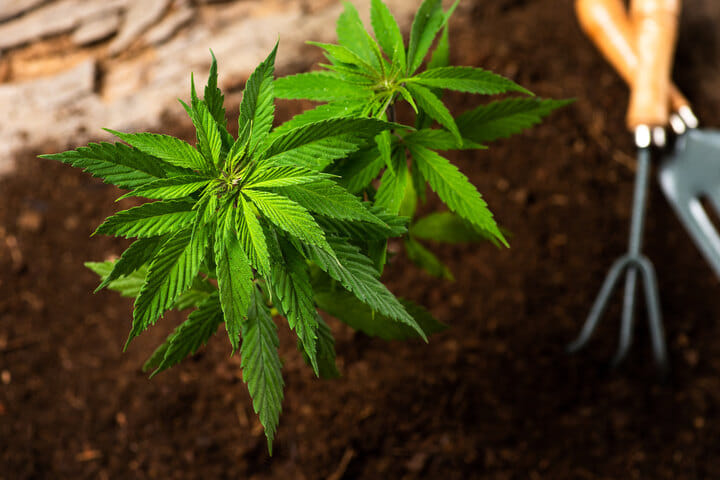
Key Nutrients to Focus On:
The holy trinity of cannabis nutrients is nitrogen, phosphorus, and potassium – commonly referred to as NPK. But why are they so integral to successful cannabis growth?
Nitrogen (N): Fuels leaf production and keeps plant foliage a deep, healthy green. Too little nitrogen results in pale, yellowing leaves and slow growth. You’ll typically inclue a higher concentration of nitrogen during the vegetative phase, as it’s excellent for building strong foliage.
Phosphorus (P): Encourages deep root growth, which helps to support a strong structure. Without adequate phosphorus, roots will struggle to expand, leading to weak upper growth.
Potassium (K): Helps regulate water movement, strengthen stems, and improve overall plant vigor. Deficiencies can lead to droopy plants with thin stems.
Silica: On top of a solid NPK regimen, including silica will strengthen cell walls, making stems more rigid and resistant to stress from win and heavy foliage.
Enhance your soil naturally with compost, worm castings, or mycorrhizal fungi to boost overall plant health. Take care to avoid overly rich or clay-heavy soils, which can retain too much moisture and cause pythium (root rot).
Water Smart: Not Too Much, Not Too Little to Prevent Root Rot
Getting your watering routine right can make a huge difference in stem and leaf strength. Overwatering or underwatering can both cause serious problems, so consistency is key.
Overwatering can also create nutirient problems, creating conditions that - when combined with other factors - could lead to nutrient burn, where over-fertilization causes crispy leaf tips and can progress to whole leaves turning dry and brown, ultimately affecting the plant's health.
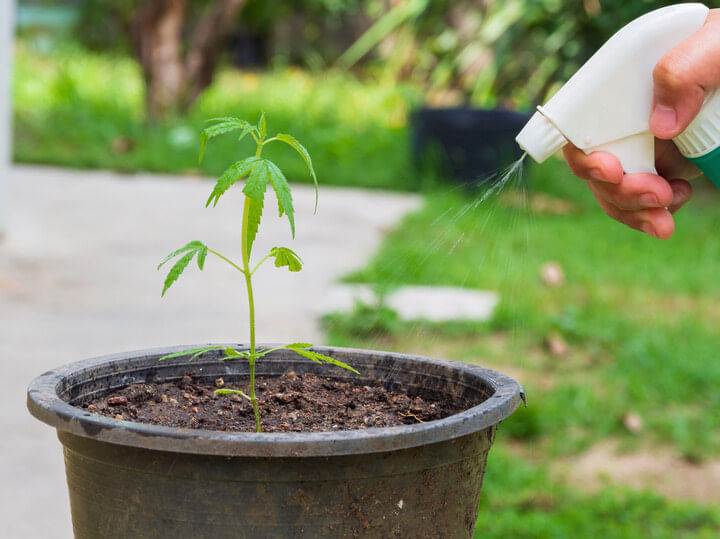
Why It Matters:
- Too much water can suffocate roots, leading to weak, discolored growth and increasing the risk of fungal infections.
- Too little water leads to dehydration, making plants droopy and weak, and can result in brittle stems that are prone to snapping.
A proper watering schedule keeps stems firm and leaves perky, helping with nurient absorption and overall plant health.
Water deeply but only when the top 1-2 inches of soil are dry. This encourages roots to grow deeper, making plants more stable and resilient. Consider using mulch around the base of your plants to help retain moisture without oversaturating the soil.
Train Your Plants For Maximum Strength
Training techniques like low-stress training (LST) and high-stress training (HST) help cannabis plants build stronger stems and a more balanced structure. Training your plants early can prevent them from becoming too tall and top heavy.
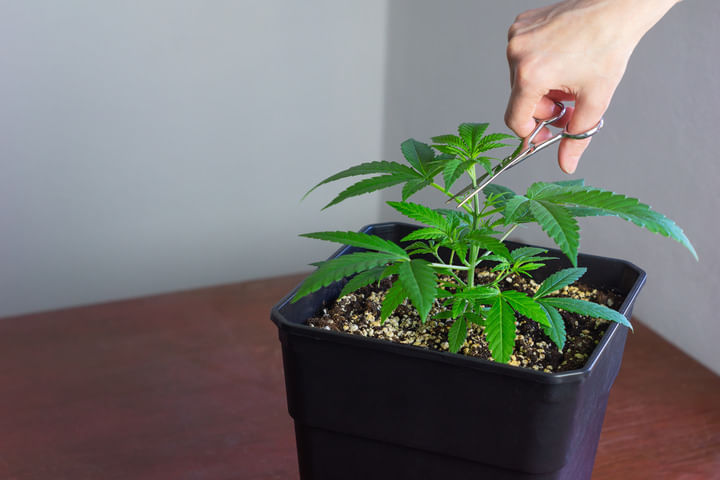
Why It Matters:
LST (bending and tying down branches) promotes even growth and prevents weak, lanky stems by redistributing growth hormone.
Topping (Cutting off the main shoot) encourages plants to grow multiple strong branches instead of one tall, thin stalk.
Super cropping (gently crushing stems) makes branches thicker and more durable by triggering stress responses that strengthen plant tissues.
Start training when plants are young and flexible, always give them time to recover, and be sure to provide proper nutrients to support new growth. Avoid excessive training all at once, as this can cause unnecessary stress. If you're growing autoflowering cannabis, exercise caution before carrying out any kind of high-stress training as the shortened life cycle may not provide adequate time for the plant to recover from stress. Some experienced growers can successfully top autoflowers, but there's a degree of debate over whether this is wise or not (it's only wise if it works!), so bear this in mind if you're a less experienced cultivator.
Keep Pests and Diseases Away
Early infestations or fungal infections can weaken stems and leaves, stunting plant growth. Preventative care is essential to keeping plants healthy.
Common cultivation problems faced by weed plants include environmental stress, which can lead to issues like three-fingered leaves, and harmful pests that cause symptoms such as curling leaves, and sub-optimal growth.
Why It Matters:
- Pests like aphids, spider mites, and thrips suck nutrients from your plants, leading to weak stems and leaf damage.
- Powdery mildew and mold can suffocate leaves, reducing their ability to absorb light and produce energy.
- Stress from infestations stunts growth and weakens overall plant resilience, making them more susceptible to future issues.
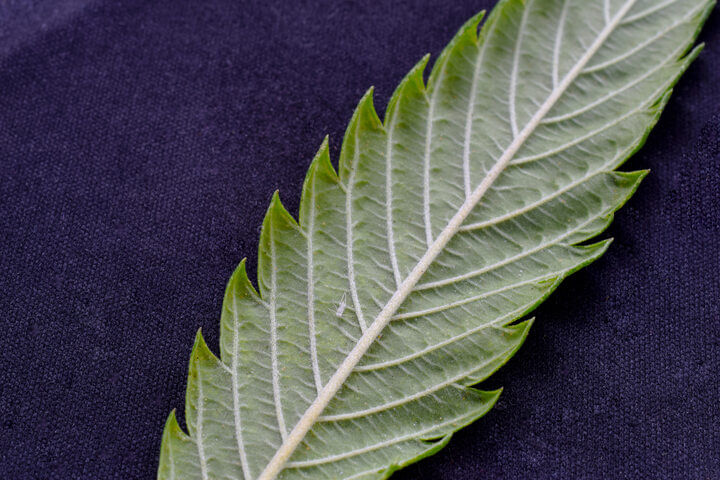
Use organic pest control measures like neem oil, beneficial insects (ladybugs, predatory mites) and companion planting with pest repelling plants like basil and marigold. Regularly inspect the undersides of leaves for signs of pests.
Strengthen Plants with Silica and Calcium
Supplementing with silica and calcium can give your plants an extra boost in structural strength, promoting the development of thick stems, especially in environments with heavy rain or strong winds.
Why It Matters:
- Silica makes cell walls tougher, preventing stems form bending and breaking under pressure.
- Calcium supports rapid new growth, ensuring that stems and leaves develop with maximum durability.
These nutrients help plants withstand environmental stress and reduce the risk of deformitiees or weak branches.
Try adding silica-rich amendments like diatomaceous earth or using liquid silica supplements for stronger, more resilient plants. Calcium can be supplemented with crushed eggshells or gypsum in the soil.
Harden Off Indoor-Grown Seedlings Before Moving Them Outside
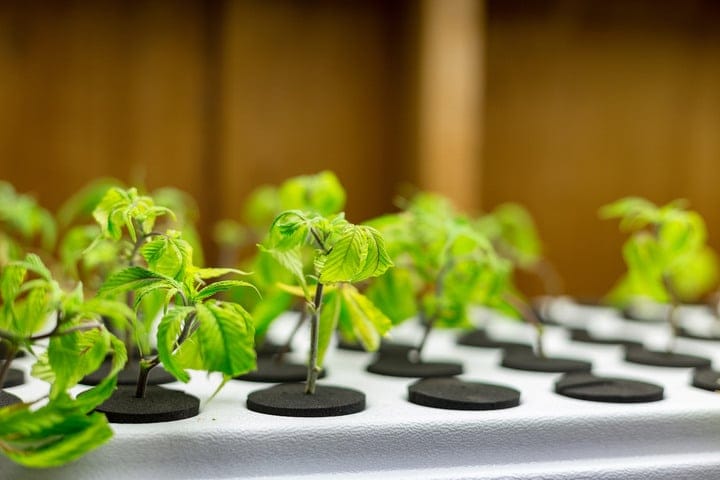
If you start your cannabis plants indoors, it’s important to gradually introduce them to outdoor conditions. This process, called ‘hardening off,’ prevents shock and helps them adjust smoothly. Various growth factors, including environmental conditions and plant genetics, can impact marijuana plant seedlings, causing them to stretch and necessitating careful nurturing and re-potting to enhance their growth stability.
Why It Matters:
- Sudden exposure to full sun and wind can stress young plants, leading to slower growth or leaf burn.
- A gradual transition helps stems and leaves toughen up before facing the elements full-time.
Start by placing plants outside for just a few hours in a shaded area each day, gradually increasing sun and wind exposure over a week. Avoid exposing them to extreme weather conditions right away.
Identifying Signs of Weak Stems in Cannabis Leaves
Weak stems can be a sign of underlying issues in cannabis plants. Identifying the signs of weak stems can help growers take corrective action to prevent further damage. Some common signs of weak stems include:
- Thin, spindly stems that are prone to breaking
- Stems that are too long or too short for the plant’s size
- Stems that are brittle or fragile
- Leaves that are droopy or wilted
- Stems that are discolored or have visible signs of damage
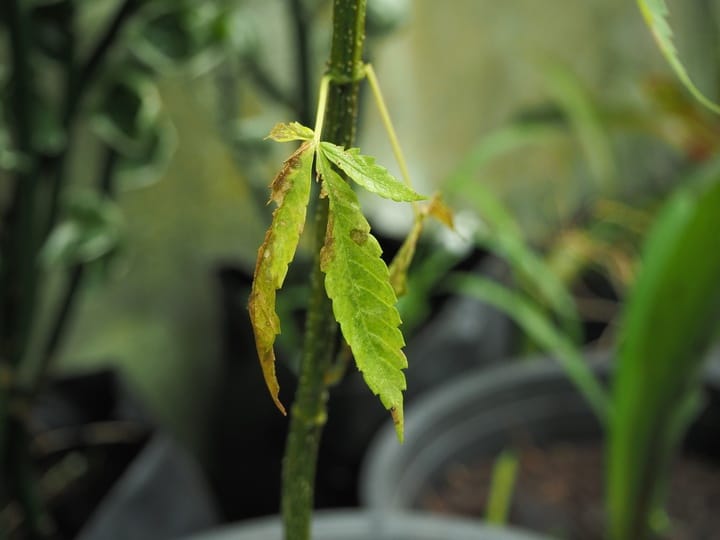
If you notice any of these signs, it’s essential to investigate the underlying cause and take corrective action to promote healthy stem growth. Weak stems can result from inadequate light, poor nutrition, or improper watering practices. By addressing these issues promptly, you can help your cannabis plants develop stronger, more resilient stems.
Monitoring Plant Health in a Grow Tent
Monitoring plant health is crucial for optimal growth and yields. Growing outdoors and indoors have similar control measures, but indoor growers can typically more easily tweak the environment. In a grow tent, growers can monitor plant health by:
Checking for Signs of Nutrient Deficiencies: Look for yellowing leaves, curling leaves, or other signs of nutrient deficiencies. Addressing these issues early can prevent more serious problems down the line.
Monitoring Temperature and Humidity: Keep temperatures between 65-75°F (18-24°C) and humidity levels between 40-60%. Maintaining the right environment helps prevent stress and promotes healthy growth.
Inspecting for Pests: Check for signs of pests, such as spider mites, aphids, or whiteflies. Early detection and treatment can prevent infestations from spreading and causing significant damage.
Monitoring Light Levels: Ensure that plants are receiving adequate light to promote healthy growth. Adjust light intensity and duration as needed to meet the plants’ needs.
Checking for Root Rot: Inspect roots for signs of rot or damage. Healthy roots are white and firm, while root rot can cause them to become brown and mushy. Addressing root rot early can save your plants from severe damage.
By monitoring plant health regularly, growers can identify potential issues early and take corrective action to prevent damage, ensuring that their cannabis plants remain healthy and productive throughout the growing cycle.
Strengthening Plant Roots with Healthy Growing Conditions
Healthy roots are essential for optimal plant growth. To strengthen plant roots, growers can focus on providing healthy growing conditions:
Use High-Quality Soil: Choose a well-draining potting mix that is rich in nutrients. This ensures that roots have access to all the nutrients they need without becoming waterlogged.
Water Deeply: Water plants deeply but less frequently to encourage root growth. Deep watering promotes the development of a robust root system that can support the plant’s needs.
Avoid Damaging Roots: Be very careful not to damage roots when transplanting. Damaged roots can lead to poor nutrient uptake and stunted growth.
Provide Adequate Nutrients: Use a complete fertilizer to provide all necessary nutrients for root growth. Making sure your plants have access to all the nutrients they need will support healthy root development.
Monitor pH Levels: Keep pH levels between 6.0-7.0 to promote healthy root growth. The right pH balance ensures that nutrients are available to the plant and can be absorbed efficiently.
By providing healthy growing conditions, growers can promote strong root growth and optimal plant development, leading to healthier, more productive cannabis plants.
Preventing Stem Stretching in Seedlings
Stem stretching can be a problem in seedlings, especially during the vegetative stage. To prevent stem stretching, growers can take several steps:
Provide Adequate Light: Make sure seedlings are receiving enough light to promote healthy growth. Aim for 18-24 hours of light per day to ensure they get the energy they need without stretching towards the light source.
Maintain Optimal Temperatures: Keep temperatures between 65-75°F (18-24°C) to promote healthy growth. Extreme temperatures can stress seedlings and cause them to stretch.
Avoid Overwatering: Overwatering can cause seedlings to stretch. Make sure to water seedlings only when the soil is dry to the touch, encouraging deeper root growth and stronger stems.
Provide Support: Use stakes or trellises to provide support for seedlings and prevent them from stretching. This physical support helps them grow upright and strong.
By following these tips, growers can prevent stem stretching and promote healthy growth in their seedlings, ensuring a strong start for their cannabis plants.
Encouraging Strong Stems and Leaves: Final Thoughts
Giving your cannabis plants a strong start during the early vegetative stage ensures a healthy and productive growing season. By focusing on proper sunlight, airflow, nutrition, watering, training, and pest prevention, you can create an environment that encourages sturdy growth. With the right care, your outdoor cannabis plants will be strong, healthy, and ready to support those big, dense buds that are ultimately what this is all about.
Happy Growing!