While not the preferred method, drying your harvest quickly is sometimes necessary. For growers who need a faster turnaround, whether due to space constraints, timing, climate, or mold issues, this may be the best option. However, rapid drying may have significant trade-offs regarding flavor, aroma, potency, and smoothness. This article will examine how to dry weed quickly, the scientific processes involved, the risks and benefits of faster drying methods, and how to optimize curing to maintain quality.
The Basics of Cannabis Drying
Drying cannabis is the process of removing moisture from the harvested buds, which is essential for preserving the cannabinoids (like THC and CBD) and terpenes responsible for the plant's effects, aroma, and flavor. Traditional drying methods typically involve hanging trimmed buds in a well-ventilated, dark room for 7-14 days around 60-70 F and 50-60% Relative Humidity. This process results in a smooth, finished product that preserves the unique flavors produced by terpenes and other secondary metabolites.

Why Dry Quickly?
Some reasons why growers may need to dry cannabis faster include:
Limited Space: A single drying room limits how much you can harvest and dry at once. Speeding up the process can allow for additional harvests.
Timing Constraints: Growers who work with staggered harvest schedules or face unexpected harvest times (such as due to mold or pest issues) may need to dry cannabis faster.
Climate Challenges: High humidity levels can make traditional drying more difficult, so some opt to speed up drying to avoid mold.
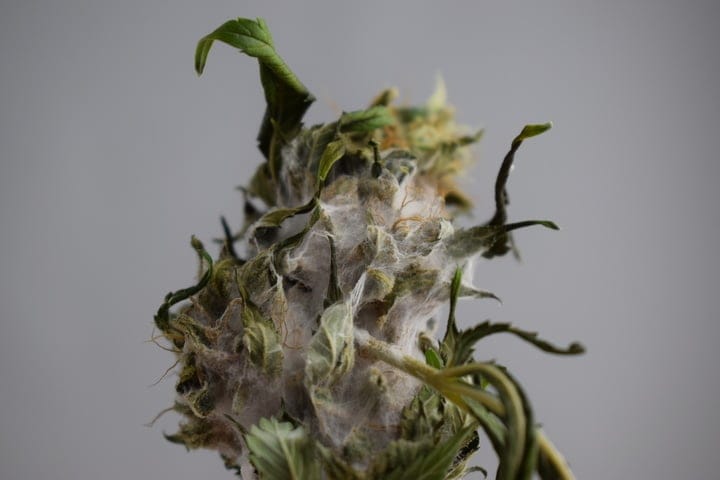
Mold Issues: If mold, such as bud rot, has been found in any of the crops, there is a significant chance that mould will spread in traditional drying environments.
Despite these valid reasons, quick drying can compromise several aspects of cannabis quality.
Risks of Fast-Drying Cannabis
The primary risks associated with fast-drying cannabis include:
Loss of Flavor and Aroma: Terpenes are the aromatic compounds that give cannabis its characteristic smell and taste. They are delicate and can quickly evaporate when exposed to high temperatures, which often happens with fast drying.
Reduced Smoothness: Fast drying can reduce the conversion of chlorophyll and other plant compounds that contribute to harshness, making the final product less pleasant to smoke.
Poor Bud Structure: Buds that dry too quickly can become brittle and lose their structure, making them prone to crumbling.
Let's break down the science behind these effects.
Chlorophyll Breakdown and Conversion
Chlorophyll is the green pigment in plants that plays a crucial role in photosynthesis. While essential for growth, its presence in dried cannabis leads to a harsh, grassy taste and aroma. Proper drying and curing break down chlorophyll, which helps smooth the smoke and enhances the flavor.
Chlorophyll breaks down through enzymatic activity, which continues post-harvest. This breakdown is slower under low temperatures and mild humidity levels, so traditional drying is done at around 60-70°F (15-21°C) with 50-65% humidity. When drying is rushed, chlorophyll may not fully degrade, resulting in a harsher flavor.
Aroma and Flavor Preservation
Terpenes, one of the main secondary metabolites responsible for flavour, are sensitive to heat and light, with some evaporating at temperatures as low as 68°F (20°C). Rapid drying, especially with higher temperatures, can cause terpenes to evaporate, reducing the aroma and flavour of the final product. Common terpenes like myrcene and pinene are particularly vulnerable to heat and can easily be lost with improper drying.
Methods for Fast-Drying Weed
For those needing to dry cannabis quickly, methods generally focus on increasing the temperature and reducing humidity to expedite moisture loss. By raising the temperature of the drying environment to around 70-80°F (21-27°C) and keeping humidity between 30-40%, you can accelerate the drying process. Placing a fan in the drying room or directly near the buds helps circulate air, further speeding up drying by whisking away moisture. However, position the fan so it doesn't blow directly onto the buds, which can cause uneven drying and make them brittle.

Another option is to dry it in a paper bag. Drying cannabis in a paper bag is a simple and effective method to speed the drying process by promoting gradual moisture loss. The paper bag absorbs excess moisture from the buds while allowing air to circulate, creating a controlled environment that dries cannabis more quickly than traditional hanging methods.
To use this method, place trimmed buds loosely in a brown paper bag and store them in a dark, well-ventilated area. Depending on the ambient humidity, this approach can reduce drying time to around 3-5 days. While this method speeds up the process, it still helps preserve some of the delicate terpenes and cannabinoids compared to higher-heat methods, although there's still a chance of uneven drying if buds are packed too closely.
Curing to Maintain Optimal Flavor and Potency
Even with a faster drying process, proper curing can improve the quality of the final product. Curing is the process of ageing dried buds in a controlled environment, allowing residual moisture and chlorophyll to break down fully.
The curing process for cannabis is a critical step that takes place after drying, during which several biochemical processes occur. These processes improve the overall quality of the buds by enhancing their flavor, potency, and smoothness. Scientifically, curing allows for the slow breakdown of sugars, chlorophyll, and other unwanted compounds while preserving and stabilizing desirable ones like cannabinoids and terpenes. Let's explore what happens scientifically during the curing process:
Breakdown of Chlorophyll and Other Pigments
During curing, chlorophyll and other pigments continue to degrade, reducing the "grassy" or "green" taste that is typical in freshly harvested cannabis. Chlorophyll is a green pigment involved in photosynthesis, and while it's vital during the plant's growth, it contributes to a harsh flavour when not fully broken down, which can happen when drying quickly.
Chemical Breakdown: Chlorophyll is composed of magnesium ions and other complex molecules. During curing, enzymes within the plant slowly break down these chlorophyll molecules into simpler, non-volatile compounds. This breakdown reduces the harshness associated with chlorophyll.
Time and Conditions: For chlorophyll to degrade properly, the cannabis must be stored in an environment with controlled humidity (ideally around 55-65%) and low temperatures (60-70°F or 15-21°C). This slow degradation process significantly improves the flavour profile by allowing the cannabis to lose the vegetal taste without losing moisture too rapidly.
Breakdown of Sugars and Starch
Carbohydrates like sugars and starches are in plant material, including cannabis buds. If not broken down, these compounds can make the smoke harsh and cause the cannabis to burn unevenly. The curing process facilitates the breakdown of these sugars and starches:
Anaerobic Respiration: After harvesting, plant cells are still alive for some time, even after drying. Without light and under controlled conditions, these cells continue to metabolize stored sugars through anaerobic respiration. As these sugars break down, they are converted into simpler compounds that don't contribute to harsh smoke.
Microbial Action: While the curing environment is low in humidity, there's still enough moisture to allow beneficial microbial activity. These microorganisms (mainly aerobic bacteria) help degrade the sugars and starches into simpler byproducts, further reducing the harshness of the smoke.
Terpene Preservation and Development
Terpenes are the aromatic compounds responsible for cannabis' unique flavors and scents. They are highly volatile and can degrade or evaporate quickly if not handled carefully. During curing, these terpenes are better preserved and further developed, enhancing the flavor and aroma of the final product.
Terpene Retention: During a proper curing process, the slow drying of buds in a controlled environment prevents the rapid evaporation of volatile terpenes. Lower temperatures and humidity help lock in these compounds, ensuring the final product has a complete flavour profile.
Oxidation and Polymerization: Some terpenes undergo mild oxidation or polymerization reactions during curing. This leads to more complex aroma and flavor profiles as terpenes interact with oxygen and other compounds. For example, monoterpenes like myrcene may oxidize into sesquiterpenes with more complex and desirable flavors.
Moisture Redistribution
While the drying process removes most of the water content from the outer layers of the buds, moisture remains inside the denser parts of the flower. During curing, this internal moisture is slowly redistributed throughout the buds.
Internal Moisture Evaporation: In an airtight container, the internal moisture within the bud slowly works out toward the surface. This redistribution allows the plant material to dry more evenly over time without becoming too brittle on the outside. This slow evaporation ensures that the cannabis doesn't overdry or degrade.
Burping Process: During curing, growers often "burp" their containers (open them briefly) to release excess moisture and prevent mold. This controlled moisture exchange is crucial for maintaining the proper humidity level in the curing jar (around 55-65%). If too much moisture is retained, mold can develop, while too little moisture will cause the buds to dry out prematurely.
Prevention of Mold and Decomposition
Curing cannabis in an airtight container with occasional "burping" helps balance moisture levels, preventing mold growth. Slowly releasing moisture also ensures the plant material doesn't break down into undesirable forms, such as mold or decomposition.
Controlled Environment: You can prevent mold growth by carefully managing temperature and humidity during curing. Curing in an airtight container keeps the buds safe from environmental contaminants, while periodic burping helps release excess moisture and prevent anaerobic conditions that lead to mold.
Oxidative Stress Prevention: In properly cured cannabis, oxidative degradation of cannabinoids and terpenes is minimized. Exposure to light, air, and heat can cause THC to degrade into CBN and terpenes to break down, which curing helps prevent by storing buds in a cool, dark, and airtight space.
Traditional Curing Process
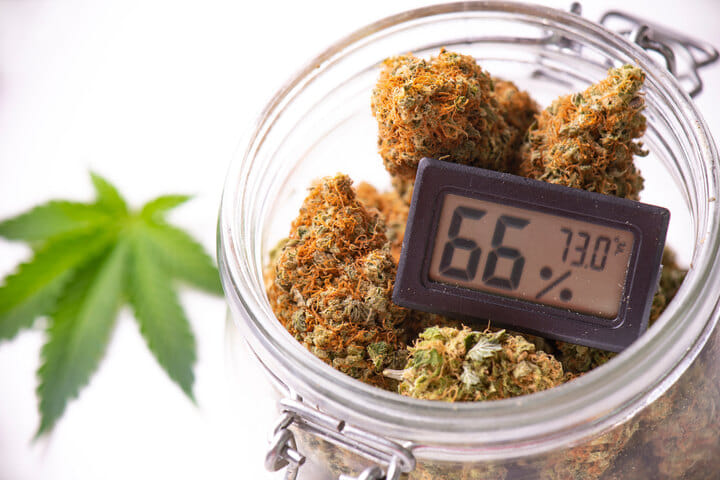
Storage: Place dried buds in a sealable container, such as an airtight glass jar, filling them about three-quarters full. You can also put bud inside a storage tote to cure larger quantities.
Burping: Open the containers daily for the first week to allow fresh air in and release any excess moisture.
Humidity Control: Use a hygrometer to monitor relative humidity in the jars, keeping it around 58-62%. Humidity packs can help maintain this level.
Cure Time: Continue curing for 2-4 weeks, but longer cures of 6-8 weeks can yield smoother and more flavorful cannabis.

Benefits of Proper Curing After Fast Drying
Even if the drying process was quick, proper curing can improve the final product by:
Chlorophyll Breakdown: Extended curing time allows residual chlorophyll to break down, reducing harshness.
Flavour and Aroma Development: Curing preserves terpenes and allows some flavors to become more pronounced as the cannabis ages.
Improved Smoothness: Curing reduces the harshness and enhances the smoothness of smoke by allowing moisture to balance evenly across buds.
When Should You Dry Weed Quickly?
Fast drying methods are typically not recommended for high-quality cannabis, but they may be necessary when:
You face high humidity or mold risks.
Space and time constraints prevent a slower drying process.
You're working with smaller, personal-use quantities where quality trade-offs are acceptable (especially if you've run out and need weed fast).
In general, slow drying and careful curing will always yield the best flavor, potency, and smoothness for cannabis. However, for small batches or specific circumstances, faster drying can still provide a decent product if done with care.
Final Thoughts
Drying cannabis fast has its benefits, but it also comes with risks, especially in terms of terpene loss, harshness, and overall quality. If you dry weed quickly, follow up with a proper curing process to maintain as much flavor, potency, and smoothness as possible. Always weigh the pros and cons before opting for a quick-dry method, and remember that patience often yields the best results in cannabis cultivation.