

By Jorge Cervantes, Cannabis Cultivation Expert with 40+ Years Experience and Dr. Gary Yates, PhD, cultivation manager.
The most complete study on flushing cannabis: a comprehensive guide based on thorough research and data analysis.
Legal Disclaimer: This educational content is intended for adults 21+ in jurisdictions where cannabis cultivation is legally permitted. Always check your local laws before growing cannabis plants.
What Does Flushing Do for Cannabis?

Flushing cannabis is one of the most debated topics in cannabis cultivation. After four decades of growing cannabis plants across five continents, I’ve seen countless growers argue about whether flushing cannabis plants actually works. Flushing is a common practice among cannabis cultivators, especially when using mineral fertilizers or inert substrates, as it is believed to improve the quality of the harvest.
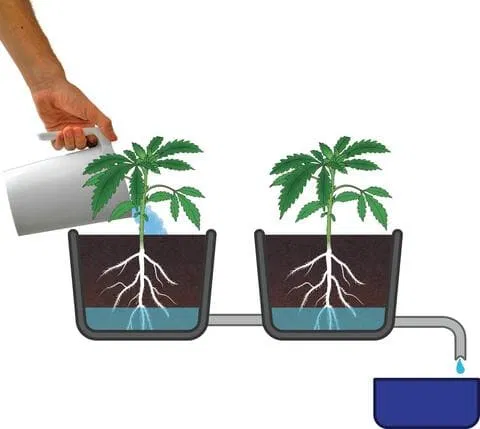
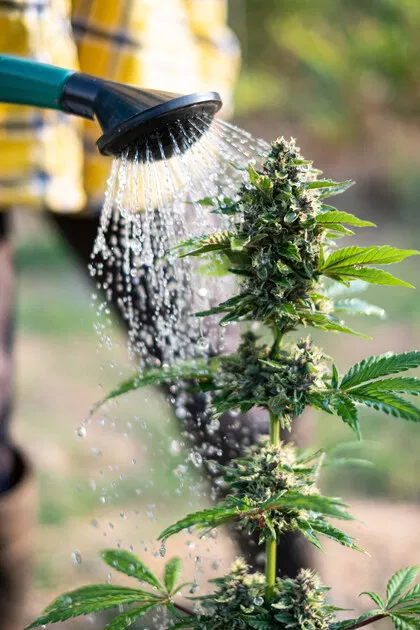
Flushing cannabis means giving your plants only plain water during the final weeks of the flowering stage. No nutrients, no fertilizers—just pH-adjusted water. The goal is to allow the plant to use up all the nutrients stored in its tissues before harvest. Many growers believe this “washes” nutrients out of cannabis buds, creating smoother, better-tasting cannabis by removing extra nutrients that could negatively affect taste and quality.
Flushing is also believed to prevent nutrient buildup in the growing medium, which can impact plant health and bud quality.
The Traditional Case for Flushing Cannabis Plants
Why Growers Have Always Flushed
For decades, cannabis growers have sworn by flushing cannabis plants before harvest. The conventional wisdom suggests that flushing removes excess nutrients from cannabis buds, resulting in smoother smoke and better flavor profiles. This belief has been passed down through generations of cultivators who observed visual improvements in their plants during the flushing process.
Traditional growers report several benefits from flushing cannabis plants:
The plant begins breaking down chlorophyll in its fan leaves. This creates the “fade” that many growers love to see. Yellow, purple, and orange colors appear as the plant redirects energy to the cannabis buds. Growers often monitor when leaves have turned yellow as a sign that the plant is nearing harvest.
Many experienced cultivators believe flushing improves the final smoking experience by removing harsh chemical tastes associated with synthetic nutrients. The theory suggests that excess minerals stored in plant tissues create harsh, unpleasant smoke when combusted.
Commercial growers often flush to achieve visual consistency in their products. The autumn-like colors that develop during flushing create an appealing appearance that consumers associate with high-quality cannabis.
How Traditional Flushing Works
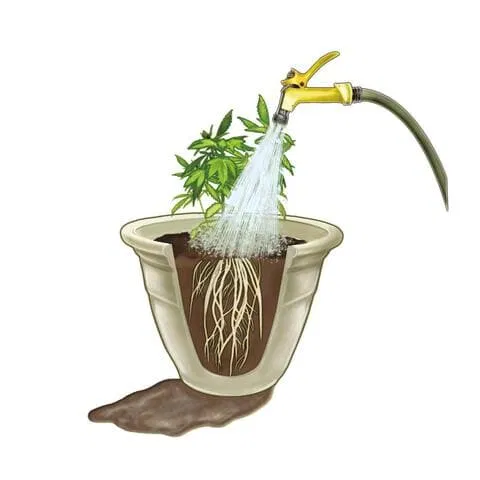
The conventional approach to flushing cannabis involves stopping all nutrient inputs during the final 7-14 days before harvest. Growers provide only pH-adjusted water, believing this forces the plant to consume stored nutrients from its tissues.
During this process, fan leaves typically turn yellow as the plant supposedly uses up nitrogen reserves. Purple and orange colors may appear as other nutrients are depleted. These visual changes have long been considered signs of successful flushing.
Traditional growers time their flush based on trichome development and overall plant appearance. Many also check the condition of all the leaves, including sugar and fan leaves, to ensure they are not yellowing or showing signs of overripe buds before starting the flush. When trichomes show mostly cloudy with some amber coloration, many cultivators begin their flushing period to coincide with the final ripening phase.
Enzyme Use During Cannabis Flushing
Breaking Down Undissolved Salts with Enzymes
Some growers use enzymes during flushing to break down undissolved salts in the growing medium. These specialized enzyme products work by converting accumulated mineral salts and organic residues into forms that are more easily flushed from the root zone. When synthetic nutrients build up over time, they can create salt deposits that interfere with water and nutrient uptake, even during the flushing process. Enzyme additives contain specific proteins that catalyze the breakdown of these salt accumulations, helping to clear the growing medium more effectively than plain water alone.
The science behind enzyme flushing involves enzymatic hydrolysis, where enzymes break the molecular bonds in accumulated salts and organic compounds. This process can be particularly beneficial in hydroponic systems and soilless growing mediums like coco coir, where salt buildup is more common than in living soil systems. By using enzyme products during the final flush, growers can ensure that their plants have access to clean water without the interference of residual nutrients or salt deposits that might affect the natural senescence process.
However, it's important to note that enzyme use during flushing should complement, not replace, proper feeding practices throughout the growing cycle. The most effective approach is to prevent excessive salt buildup by maintaining appropriate nutrient concentrations and regular monitoring of electrical conductivity (EC) levels in your growing medium. When enzymes are used during flushing, they should be applied according to manufacturer instructions, typically at reduced concentrations since the goal is to clean the medium rather than feed the plant. This technique can be especially valuable for growers who have experienced nutrient lockout or salt accumulation issues in previous grows, helping to ensure a cleaner transition to the final harvest phase.
Recent Scientific Studies Challenge Flushing Myths
The Rx Green Technologies Study: What the Research Really Shows
Recent research from Rx Green Technologies and other scientific studies on Cannabis sativa L. reveal surprising findings about flushing cannabis. The Rx Green Technologies research remains the most comprehensive scientific study on flushing cannabis plants. They tested different flushing times—specifically 0, seven days, 10, and 14 days—using Cherry Diesel plants in controlled conditions.
Data collected from this study revealed surprising results. Flushed and unflushed plants showed no meaningful differences in:
•THC content in the final product
•Terpene content and flavor profiles
•Mineral content in dried cannabis buds
•Overall quality ratings from expert panels
The blind taste test results were particularly interesting. In the Rx Green Technologies study, professional evaluators showed no consistent preference between flushed and unflushed cannabis, with some panels slightly favoring unflushed samples. This contradicts the common belief that flushing cannabis consistently improves the smoking experience.
The Real Science Behind Flushing Cannabis Plants
Scientific evidence from multiple studies shows that flushing cannabis plants affects the plant's behavior, not its nutrient content. Cannabis plants don't store excess nutrients in their buds like a warehouse. Essential nutrients become part of the plant's structure—they can't be "washed out" with plain water. This is basic plant biology that applies to all plants, not just cannabis.
When you flush plants, you're not removing nutrients from the cannabis buds. Instead, you're forcing the plant to use up nutrients stored in its leaves and stems. This process is called senescence—the natural aging that happens when plants prepare for winter. During senescence, the plant remobilizes nutrients from older tissues to support continued metabolic processes, but it doesn't use up all nutrients stored in its tissues. Many nutrients, particularly immobile elements like calcium and iron, remain permanently incorporated into cellular structures.
The Rx Green Technologies study found no significant difference in mineral content between flushed and unflushed cannabis. Outcomes such as THC and terpene content were determined through objective analysis. This research included a blind taste test where professional panels actually preferred unflushed samples.
What the Study Means for Growers
The Rx Green Technologies findings don't mean flushing is useless. Instead, they show that flushing works differently than most growers believe. The benefits aren't from removing nutrients—they come from triggering natural plant responses.
Some growers still prefer flushing cannabis plants because they observe visual changes like improved colors and faster ripening. These effects are real, but they happen because of stress responses, not nutrient removal.
Commercial growers often use this research to make decisions about their cultivation practices. Some continue flushing for the visual benefits, while others focus on proper curing to achieve smooth, high-quality cannabis.
Jorge Cervantes and Gary Yates: A Combined Perspective on Flushing
Flushing as a Cultivation Finishing Technique
While recent studies challenge traditional flushing beliefs, our decades of cultivation experience reveal that flushing serves important purposes beyond nutrient removal. The truth is more complex than most people think. Understanding this science helps growers make better decisions about their harvest.
When you start flushing your cannabis plants by providing water only, several things happen:
Root systems adapt to the nutrient-free environment. Healthy roots continue absorbing water and any remaining nutrients in the growing medium. However, roots cannot absorb nutrients from plant tissues—nutrient movement within the plant occurs through the vascular system, not through root uptake from internal plant structures. This process doesn't cause root rot if done properly.
The plant enters a stress response similar to autumn in nature. This can trigger faster ripening and enhanced color development in some cannabis strains.
Flushing for Accelerated Curing
One of the most overlooked benefits of flushing cannabis plants is its impact on the curing process. Proper curing has a much bigger impact on final quality than flushing cannabis plants. During curing, enzymatic processes and controlled bacterial activity break down chlorophyll, starches, and sugars while preserving cannabinoids and terpenes. This process typically takes 2-4 weeks under controlled temperature (60-70°F) and humidity (55-65% RH) conditions.
When plants undergo natural senescence during flushing, chlorophyll breakdown begins before harvest. This head start on the curing process can reduce the time needed for proper curing while maintaining the same quality standards.
Well-cured cannabis tastes smooth and flavorful regardless of whether it was flushed. Poor curing results in harsh, unpleasant smoke even from perfectly grown plants. However, flushing can complement proper curing by initiating some of these processes while the plant is still alive.
Understanding Cannabis Plant Biology and Nutrient Needs
Essential Nutrients and How Cannabis Uses Them
Cannabis plants need specific nutrients throughout their life cycle. During the vegetative stage, they require high nitrogen for leaf growth. In the flowering stage, they need more phosphorus and potassium for bud development.
Essential nutrients include nitrogen, phosphorus, potassium, calcium, magnesium, and sulfur. These macronutrients become part of the plant's cellular structure, with some being mobile (nitrogen, phosphorus, potassium) and others immobile (calcium, magnesium, sulfur) within the plant. Micronutrients like iron, zinc, and manganese support various plant functions, with most being relatively immobile once incorporated into plant tissues.
When growers provide too many nutrients, plants can experience nutrient lockout. This prevents the plant from absorbing what it actually needs, leading to nutrient deficiencies even when the growing medium has plenty of food available.
The Flowering Stage and Nutrient Changes
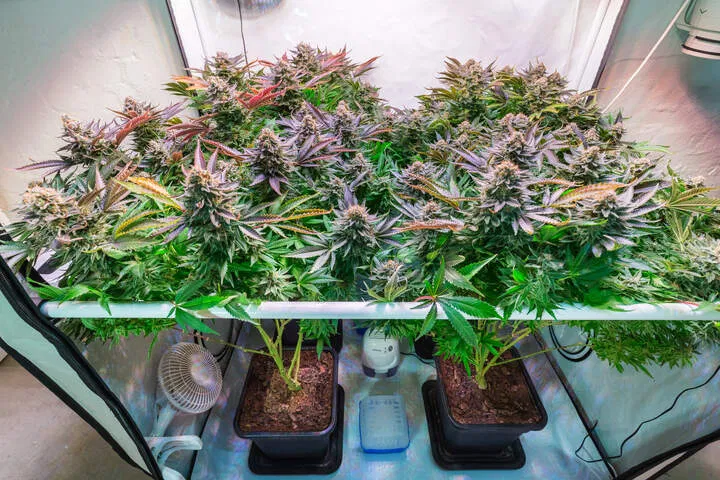
During the flowering stage, cannabis plants naturally reduce their nutrient needs. As buds develop and mature, the plant focuses energy on resin production rather than new growth. This natural process explains why many growers reduce feeding toward harvest.
Cannabis cultivation experts have observed that plants often show yellowing fan leaves during late flowering, even without flushing. This happens because the plant moves nutrients from older leaves to support bud development. It's a normal part of the cannabis plant's life cycle.
Understanding this natural process helps growers time their flush treatments appropriately. Monitoring when the plant reaches the optimal stage for harvest—by observing trichome development, leaf coloration, and overall plant appearance—ensures that flushing is started at the right time. Starting too early can negatively affect final yield, while waiting too long might not provide the benefits some growers seek.
How to Flush Cannabis Plants Properly
When to Start Flushing
The timing of your flushing period depends on your cannabis strain and growing conditions. Most photoperiod plants benefit from a seven to fourteen-day flush before harvest. Autoflowering varieties might need shorter flushing times due to their faster life cycle.
Watch your plants for signs they're approaching the harvest window. Trichomes should be mostly cloudy with some turning amber for optimal cannabinoid content. Fan leaves may start turning yellow naturally during late flowering, but this yellowing can occur for multiple reasons including natural senescence, nutrient deficiencies, or environmental stress. Trichome development is the most reliable indicator for harvest timing, not leaf coloration alone.
Start flushing when your plants are about one to two weeks from harvest. This gives enough time for the visual changes many growers want without negatively affecting final yield or quality.
The Proper Flushing Technique
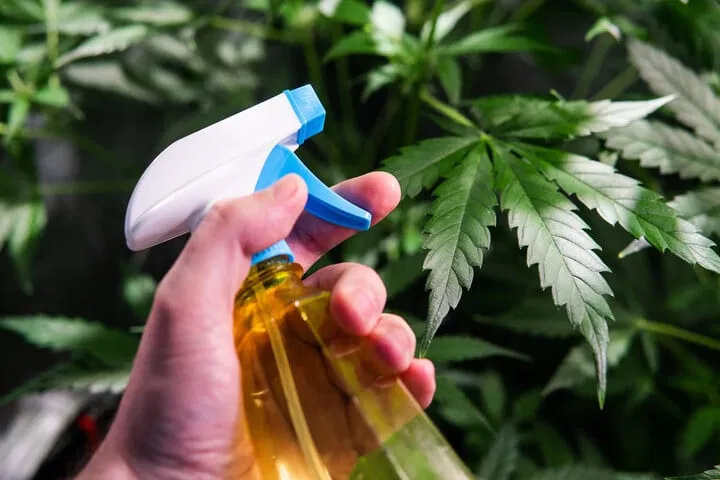
Flushing cannabis is an easy technique when done correctly. Use only plain water with the proper pH level (6.0-7.0 for soil, 5.8-6.2 for hydroponic systems). Check your pH level regularly to prevent nutrient lockout during the flush.
Give your plants the same amount of water you normally would, just without nutrients. Don't overwater or underwater during the flushing period. Maintain your regular watering schedule to keep roots healthy.
Monitor your plants daily during the flush. Some yellowing of fan leaves is normal and expected. However, too much yellowing or signs of severe stress might indicate you need to adjust your approach.
Test your water source before using it for flushing. Some tap water contains high levels of dissolved minerals (measured as total dissolved solids or electrical conductivity) that can affect plant health. Water with EC levels above 0.3-0.4 mS/cm may still provide significant nutrients even during a "flush." Consider using filtered or reverse osmosis water if your source has high mineral content.
Maintain proper watering practices during the flush. Don't change your watering frequency or amounts just because you're not adding nutrients. Consistent moisture levels help prevent stress and root problems.
Common Mistakes to Avoid
Many growers make mistakes during the flushing process that can hurt their final product. Here are the most common errors:
Starting the flush too early can reduce final yield. Cannabis buds continue growing and gaining weight during the final weeks. Cutting off nutrients too soon prevents this final bulking phase.
Using water with the wrong pH level can cause nutrient lockout. Even during a flush, proper pH helps the plant access any remaining nutrients in the growing medium.
Overwatering during the flush can cause root rot. Stick to your normal watering schedule and amounts. The goal is to remove nutrients, not drown the roots.
Different Growing Methods and Flushing Approaches
Soil Growers and Flushing
Soil growers often have the easiest time with flushing cannabis plants. Soil naturally buffers pH and provides some nutrients even during a flush. This makes it harder to cause severe nutrient deficiencies.
In soil, the growing medium contains organic matter that continues feeding the plant even when you use only water. This natural buffering effect means soil-grown cannabis plants typically handle flushing better than hydroponic systems.
Many soil growers flush for seven to ten days before harvest. The soil's natural nutrient reserves help prevent deficiencies while still allowing the visual changes that many cultivators want to see.
Hydroponic and Soilless Systems
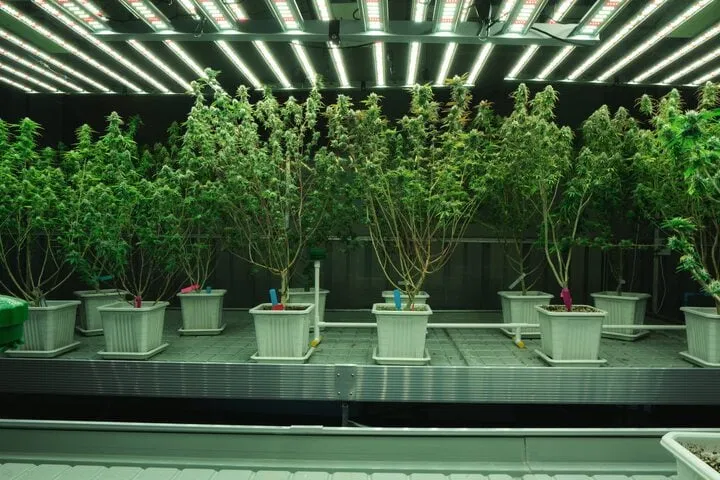
Hydroponic growers need to be more careful with flushing cannabis plants. Without soil's natural buffering, plants depend entirely on the nutrient solution you provide. Stopping nutrients completely can cause rapid deficiencies.
Some hydroponic growers use a gradual reduction approach instead of complete flushing. They slowly reduce nutrient levels over the final weeks rather than switching to plain water immediately.
Coco coir and other soilless growing mediums fall between soil and hydroponic systems. They provide some buffering but not as much as living soil. Adjust your flushing approach based on your specific growing medium.
Organic vs. Synthetic Nutrients
The question "Do I need to flush organic cannabis?" comes up frequently. Organic nutrients break down differently than synthetic fertilizers, leading some growers to skip flushing entirely.
Organic growing systems rely on soil biology to convert organic matter into plant-available nutrients. This process continues even when you stop adding organic fertilizers, providing a natural tapering effect.
Synthetic nutrients are immediately available to plants, making the transition to plain water more dramatic. This is why synthetic growers often see more pronounced effects from flushing cannabis plants.
Timing Your Cannabis Flush for Maximum Results

Reading Your Plants for Flush Timing
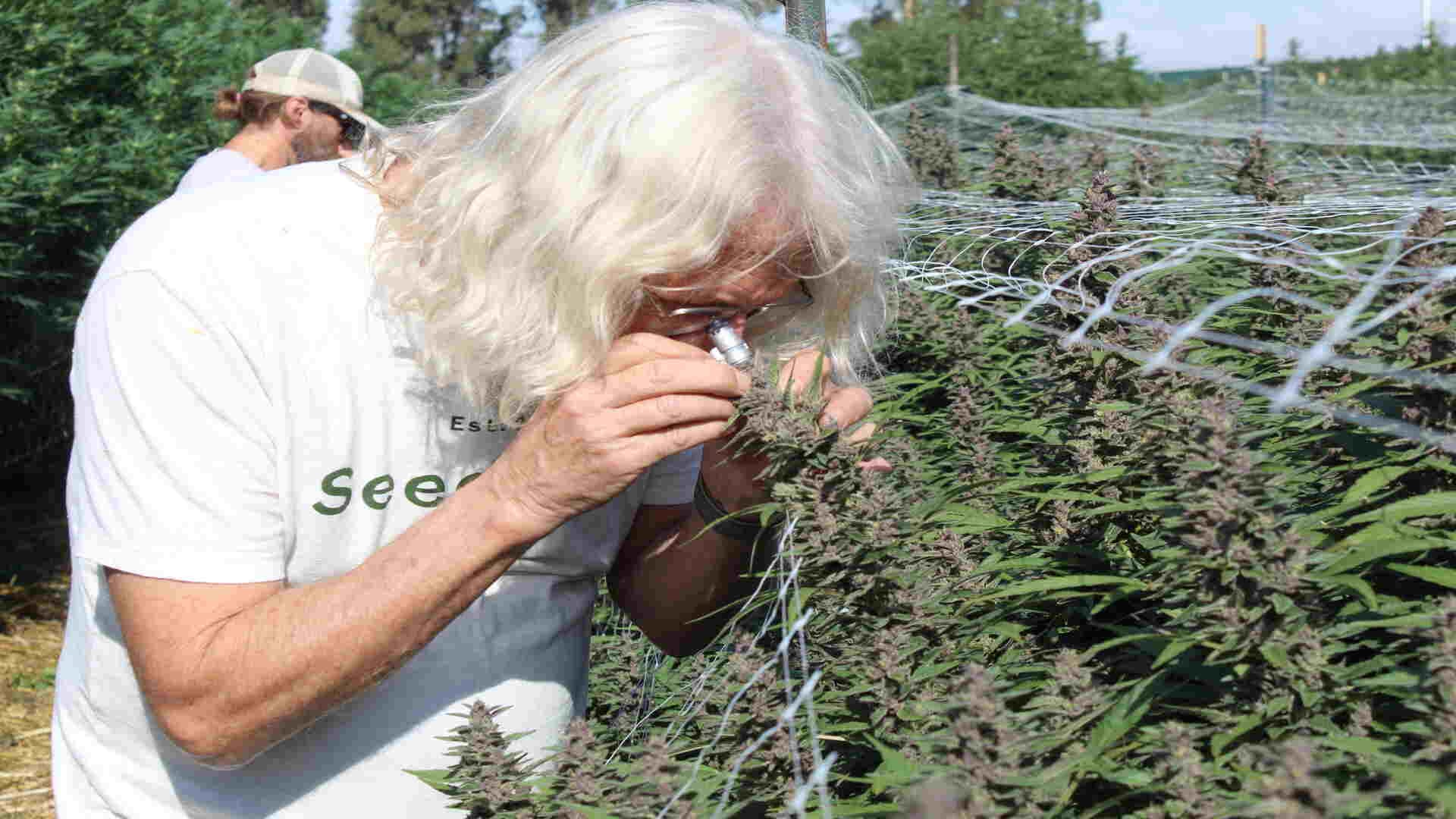
Successful flushing depends on proper timing. Start by examining your cannabis plants' trichomes with a magnifying glass. Clear trichomes indicate the plant isn't ready. Cloudy trichomes with some amber show optimal harvest timing.
Fan leaves provide another timing indicator. When lower leaves start turning yellow naturally, your plant is beginning its end-of-life processes. This is often the perfect time to start your flushing period.
Different cannabis strains mature at different rates. Indica-dominant varieties typically finish faster than sativa strains. Adjust your flushing times based on your specific genetics and growing conditions.
How Many Days Should I Flush Cannabis?
The ideal flushing period varies based on several factors. Most growers flush for seven to fourteen days, but this isn't a strict rule. Your plants, growing method, and desired results should guide your decision.
Short flushes (3-7 days) work well for growers who want minimal visual changes but still want to reduce nutrient inputs before harvest. This approach minimizes any risk to final yield.
Longer flushes (10-14 days) create more dramatic color changes and may enhance the autumn-like appearance many growers prefer. However, extended flushing periods can reduce final yield if started too early.
Some growers experiment with different flushing times to find what works best for their specific setup. Keep detailed notes about timing and results to improve your technique over time.
The Truth About Flushing and Cannabis Quality
Does Flushing Cannabis Improve Taste?
The relationship between flushing and taste is more complex than simple yes or no answers. Scientific studies, including the Rx Green Technologies research, found no consistent improvement in taste from flushing cannabis plants.
However, many experienced growers still report better-tasting cannabis after flushing. This might be due to other factors like improved curing practices or the psychological effect of seeing the plant's natural fade colors.
The finished product quality depends on genetics, growing conditions, harvest timing, drying, and curing. Flushing is just one small part of this complex process.
Do Buds Fatten Up During Flush?
Cannabis buds can continue developing during the flushing period, but they typically don't gain as much weight as they would with continued feeding. The plant redirects energy from new growth to ripening existing buds.
Some growers report that their buds seem denser after flushing, but this might be due to continued water loss and resin development rather than actual size increases. The final weeks of flowering naturally concentrate cannabinoids and terpenes.
For maximum final yield, avoid flushing too early. Cannabis buds can gain significant weight during their final weeks when properly fed. Balance your desire for visual changes against potential yield reductions.
Commercial Growers and Flushing Practices
Do Commercial Growers Flush?
Commercial cannabis operations have mixed approaches to flushing cannabis plants. Some large-scale growers flush to achieve visual consistency in their products, while others focus on maximizing yield and rely on proper curing for quality.
For commercial growers, the economics of flushing cannabis plants involve several factors. While nutrient costs are reduced during the flush period, these savings are typically minimal compared to overall production costs. The primary economic considerations are potential yield impacts and labor costs associated with timing and monitoring the flush process.
Many commercial operations test different approaches with small batches before implementing facility-wide changes. This allows them to evaluate the impact on both quality and profitability.
Large-Scale Flushing Considerations
Commercial growers face unique challenges when flushing cannabis plants. Managing hundreds or thousands of plants requires careful scheduling and monitoring to ensure consistent results across the entire crop.
Automated irrigation systems make large-scale flushing more manageable, but they require precise programming to deliver the right amount of plain water to each plant. pH monitoring becomes even more critical when dealing with large volumes of water.
Quality control testing helps commercial growers evaluate the effectiveness of their flushing protocols. Regular testing of cannabinoid and terpene levels provides objective data about the impact of different flushing approaches.
When Flushing Goes Wrong

Identifying Problems During the Flush
Sometimes flushing cannabis plants doesn't go as planned. If you see rapid yellowing, leaf drop, or other severe symptoms, you might need to adjust your approach.
Consider providing a light nutrient solution if plants show severe stress. A quarter-strength feeding can help stabilize plants without completely stopping the flushing process.
Learn from any problems and adjust your timing for future grows. Keep detailed notes about what works and what doesn't with your specific setup and genetics.
While some yellowing is normal during flushing cannabis plants, severe deficiencies can hurt your final product. Watch for signs of rapid leaf loss, brown or necrotic spots, stunted bud development, or premature leaf drop. These symptoms indicate that the flush may be too aggressive or started too early for the plant's current nutritional status.
Recovery Strategies
If your plants show signs of excessive stress during flushing, you have several options to help them recover:
Reduce the flushing period and return to light feeding if plants show severe deficiency symptoms. Sometimes a shorter flush is better than risking plant health.
Adjust environmental conditions to reduce additional stress. Maintain stable temperatures and humidity levels to help plants cope with nutrient stress.
Monitor plants more closely and be prepared to make adjustments based on their response. Every strain and growing environment is different.
The Future of Cannabis Flushing Research
New Scientific Studies
Cannabis research continues expanding as legalization spreads. New scientific studies on flushing cannabis plants will provide better understanding of this controversial practice.
Current research focuses on the biological mechanisms behind flushing effects. Scientists are studying how nutrient withdrawal affects plant metabolism, cannabinoid production, and terpene development.
Future studies might identify specific conditions where flushing provides measurable benefits. This research will help growers make evidence-based decisions rather than relying on tradition or anecdotal reports.
Evolving Growing Practices
As the cannabis industry matures, growing practices continue evolving based on scientific evidence. Many cultivators now focus more on genetics, environment, and post-harvest processing than on flushing.
New growing techniques and technologies might make traditional flushing less relevant. Precision nutrient delivery systems could provide the benefits growers seek without the potential drawbacks of complete nutrient withdrawal.
The focus is shifting toward understanding what actually improves cannabis quality. This science-based approach helps growers achieve better results with less guesswork and tradition-based practices.
Practical Recommendations for Home Growers
Should You Flush Your Cannabis Plants?
Based on current scientific evidence and forty years of growing experience, flushing cannabis plants is optional rather than essential. The choice depends on your goals, growing method, and personal preferences.
If you enjoy the visual changes that flushing creates, go ahead and flush. Just understand that you're triggering natural aging processes, not removing nutrients from your cannabis buds.
If maximizing yield is your primary goal, consider skipping the flush or using a shorter flushing period. Focus instead on proper harvest timing and excellent curing practices.
Alternative Approaches
Instead of traditional flushing, consider gradually reducing nutrient levels during the final weeks. This approach provides some of the visual benefits while minimizing potential yield impacts.
Some growers use "ripening" formulas designed for the final weeks of flowering. These products provide reduced nitrogen with maintained phosphorus and potassium to support final bud development.
Focus on mastering the fundamentals: genetics, environment, harvest timing, and curing. These factors have proven impacts on final quality that exceed any potential benefits from flushing cannabis plants.
Scheduling a Product Trial: How to Test Flushing Methods and Products
Scheduling a product trial is a smart way for growers to take control of their cannabis cultivation and make informed decisions about flushing cannabis plants. By setting up a structured trial, you can compare the effectiveness of different flushing methods or products—such as those from Rx Green Technologies—or even test whether to flush at all. Start by identifying your primary goals: Are you aiming to improve the taste and overall quality of your cannabis, reduce the risk of nutrient deficiencies, or simply see how a new flushing solution affects your plants?
Once your objectives are clear, select the specific product or method you want to test. This could be a commercial flushing solution, a new growing medium, or a change in your watering schedule. Plan your trial so you can accurately determine the impact of each variable. For example, you might compare your usual flushing process with a new product from Rx Green Technologies, or test different flushing periods to see which produces the best results in terms of bud quality and taste.
Careful scheduling ensures you can monitor your cannabis plants throughout the trial, collect meaningful data, and make adjustments as needed. By approaching flushing as an experiment, you'll gain valuable insights into how different techniques affect your cannabis buds, helping you optimize your cultivation practices for the best possible harvest.
Designing Your Own Flushing Experiment
Designing a successful flushing experiment starts with a clear plan and attention to detail. Begin by selecting a group of cannabis plants that are as similar as possible in size, age, and health. Divide into at least two groups: a control group that will not be flushed, and a treatment group that will undergo your chosen flushing method. This setup allows you to directly compare the effects of flushing on your plants.
Decide on the flushing period for your experiment—most growers test periods ranging from 7 to 14 days. Be consistent with your watering schedule during this time, using only water for the treatment group while maintaining normal nutrient levels for the control group. Monitor your cannabis plants closely for any signs of nutrient deficiencies, such as yellowing leaves or slowed growth, and watch for potential issues like root rot, especially if you're using a new growing medium.
Throughout the flushing period, keep detailed notes on how your plants respond. Are the flushed plants showing more vibrant colors or faster ripening? Are there any negative effects, such as too much yellowing or stunted bud development? By carefully observing and documenting these changes, you'll be able to determine which flushing practices work best for your specific setup and avoid common pitfalls that can negatively affect your final yield.
Tracking Results and Making Data-Driven Decisions
The key to improving your cannabis cultivation is tracking the results of your flushing experiment and using that data to guide your decisions. Collect information on important parameters such as plant growth rate, bud size and density, THC content, and any visible signs of nutrient deficiencies. Pay attention to changes in the growing medium and nutrient levels, as these can influence how your cannabis plants respond to the flushing process.
After harvest, evaluate the overall quality and taste of your cannabis buds. Blind taste tests can be especially useful for determining whether your flushing method has a noticeable impact on flavor or smoothness. Compare the results from your control and treatment groups to see if the flushing period led to improvements or if it caused any unintended issues, such as reduced yield or increased deficiencies.
By analyzing your data, you can determine whether your current flushing technique is delivering the results you want, or if adjustments are needed. For example, if a 14-day flush increases THC content but also causes more nutrient deficiencies, you might experiment with a shorter flushing period or tweak your nutrient regimen. This data-driven approach allows you to refine your methods, improve the quality and yield of your cannabis plants, and make confident decisions based on real-world results rather than guesswork.
Conclusion: Making Informed Decisions About Flushing Cannabis
After reviewing the scientific evidence and drawing from decades of cultivation experience, the truth about flushing cannabis plants is nuanced. Flushing doesn't remove nutrients from cannabis buds, but it can trigger visual changes that many growers value.
The decision to flush should be based on your specific goals and growing situation. If you want the autumn colors and don't mind potential yield reductions, flushing can be part of your cultivation practice. If maximum yield is your priority, focus on other proven techniques.
Remember that cannabis quality depends on many factors working together. Genetics, growing environment, harvest timing, drying, and curing all play larger roles than flushing in determining your final product quality.
Whatever approach you choose, base your decisions on scientific evidence rather than myths or tradition. Keep detailed records of your results and adjust your techniques based on what actually works in your specific situation.
The cannabis cultivation community benefits when growers share honest, evidence-based experiences. Continue learning, experimenting, and sharing knowledge to help advance our understanding of this fascinating plant.
Success in advanced cannabis growing comes from understanding that plants are living organisms that respond to their environment in predictable ways. By creating optimal conditions and working with the plant's natural growth patterns, growers can achieve exceptional results while maintaining the health and vigor that produces the highest quality cannabis flowers with maximum trichome production and potency.
Introduction to Cannabis Cultivation
Cannabis cultivation is the art and science of growing cannabis plants to produce high-quality buds for medicinal or recreational use. At its core, successful cannabis cultivation means providing your plants with the right balance of light, water, nutrients, and environmental conditions throughout their life cycle. One of the most critical periods is the flowering stage, when cannabis plants shift their energy toward producing buds, importantly, trichomes—the resinous structures that contain cannabinoids and terpenes responsible for potency and aroma.
Understanding the unique needs of cannabis plants during the flowering stage is essential for boosting trichome production and achieving potent buds. Growers who master the basics of plant care and environmental control can then move on to advanced techniques, such as plant training and low stress training (LST), to further enhance trichome development and bud quality. These methods gently guide plant growth, improve light distribution, and encourage the plant's natural defense mechanisms, resulting in more resinous, aromatic, and powerful flowers.
Whether you're a beginner or an experienced grower, focusing on the fundamentals of cannabis cultivation and learning how to apply advanced techniques will set the stage for consistently impressive harvests. By understanding how stress, training, and environmental factors influence your plants, you can unlock the full potential of your cannabis crop and enjoy buds that stand out in both quality and potency.
Low Stress Training (LST) Methods for Gentle Yield Enhancement

Low Stress Training (LST) is a favorite technique among cannabis growers who want to maximize yields and trichome production without subjecting their plants to excessive stress. This method involves gently bending and securing the main stem and lower branches, encouraging the plant to grow in a wider, bushier shape rather than a single tall stalk. By spreading out the plant structure, LST allows for improved light penetration to all bud sites, which is especially beneficial for indoor growers working with limited vertical space.
The process is simple: as your cannabis plant grows, you gently bend the main stem and lower branches outward, creating multiple colas and an even canopy. This approach increases the number of bud sites exposed to optimal light, leading to more uniform growth and higher trichome production across the entire plant. Because LST avoids the cutting or aggressive manipulation seen in high-stress training techniques, plants recover quickly and continue vigorous growth with minimal risk of stunting or shock.
LST is particularly effective for growers aiming to boost yields and resin production while maintaining plant health. By promoting an even canopy and maximizing light exposure, this technique helps ensure that every part of the plant receives the energy it needs to develop into dense, potent flower. For those seeking a gentle yet powerful way to enhance their cannabis crop, low stress training remains one of the most reliable and accessible training techniques available.
Putting it all Together: Synthesizing Advanced Methods for Maximum Yields
Achieving maximum yields in cannabis cultivation requires more than just one advanced technique—it's about synthesizing a range of proven methods to create a holistic, responsive approach. By combining plant training strategies like low stress training with carefully managed controlled drought stress, cannabis growers can unlock the plant's full potential for trichome production and bud quality.
Plant training, including LST and other gentle methods, shapes the plant's structure to maximize light penetration and increase the number of productive bud sites. This not only boosts overall yields but also encourages more uniform trichome development across the entire canopy. Controlled drought stress, when applied during the final weeks of flowering, can stimulate the plant's natural defense mechanisms, leading to a surge in resin and secondary metabolite production. However, it's crucial to apply drought stress with care—too much can cause excessive stress, harming plant health and reducing trichome output.
Environmental management is another cornerstone of advanced cannabis cultivation. By maintaining optimal temperature, humidity, and lighting conditions throughout the growing cycle, growers create the foundation for healthy plant development and maximum resin production. When these environmental factors are dialed in, advanced techniques like plant training and controlled stress become even more effective, allowing cultivators to push their plants to new levels of potency and yield while preserving the quality that makes truly exceptional cannabis.
References
[1] Hörtensteiner, S. (2006). Chlorophyll degradation during senescence. Annual Review of Plant Biology, 57, 55-77.https://doi.org/10.1146/annurev.arplant.57.032905.105212
[2] Serrano-Bueno, G., Romero-Campero, F. J., Lucas-Reina, E., Romero, J. M., & Valverde, F. (2021). Photoperiodic signaling and senescence, an ancient solution to a modern problem? Frontiers in Plant Science, 12, 634393.https://doi.org/10.3389/fpls.2021.634393
[3] Sanagi, M., Aoyama, S., Kubo, A., Lu, Y., Sato, Y., Ito, S., ... & Torii, K. U. (2021). Low nitrogen conditions accelerate flowering by modulating the phosphorylation state of FLOWERING BHLH 4 in Arabidopsis. Proceedings of the National Academy of Sciences, 118(19), e2022942118.https://doi.org/10.1073/pnas.2022942118
[4] Das, P. C., Vista, A. R., Tabil, L. G., & Baik, O. D. (2022). Postharvest operations of cannabis and their effect on cannabinoid content: A review. Bioengineering, 9(8), 364.https://doi.org/10.3390/bioengineering9080364
[5] Rx Green Technologies. (2019). Flushing study: The effects of different flushing times and solutions on cannabis flower. Retrieved fromhttps://www.rxgreentechnologies.com/rxgt_trials/flushing-trial/
About the Authors
Jorge Cervantes
Jorge Cervantes is a world-renowned cannabis cultivation expert with over 40 years of experience and author of "The Cannabis Encyclopedia." As publisher at Van Patten Publishing, he has educated millions of cultivators worldwide through his comprehensive books and instructional materials, earning prestigious recognition including the Benjamin Franklin Gold Award and Lester Grinspoon Lifetime Achievement Award.
A graduate of Portland State University with memberships in the National Writers Union and Society of Professional Journalists, Cervantes continues to advance cannabis cultivation science through his research and educational initiatives. His work has been translated into multiple languages and distributed globally, establishing him as the definitive authority on cannabis horticulture.
Connect with Jorge Cervantes:LinkedIn Profile
Dr. Gary Yates
Dr. Gary Yates is a cannabis genetics expert with a PhD from Durham University and BSc in Molecular Genetics from the University of Glasgow. Currently Head of Cultivation at Hilltop Leaf Ltd and Founder of DRG Scientific, he applies scientific research to cannabis cultivation and breeding, specializing in cannabinoid biosynthesis and therapeutic applications.
A former Chief Scientific Officer at PharmaSeeds and contributing author to Cannabis Health Magazine, Dr. Yates represents the new generation of scientifically-trained cannabis professionals. Recognized as a Biotech YES finalist, he advances the industry through evidence-based practices and genetic understanding of cannabis cultivation optimization.
Connect with Dr. Gary Yates:LinkedIn Profile