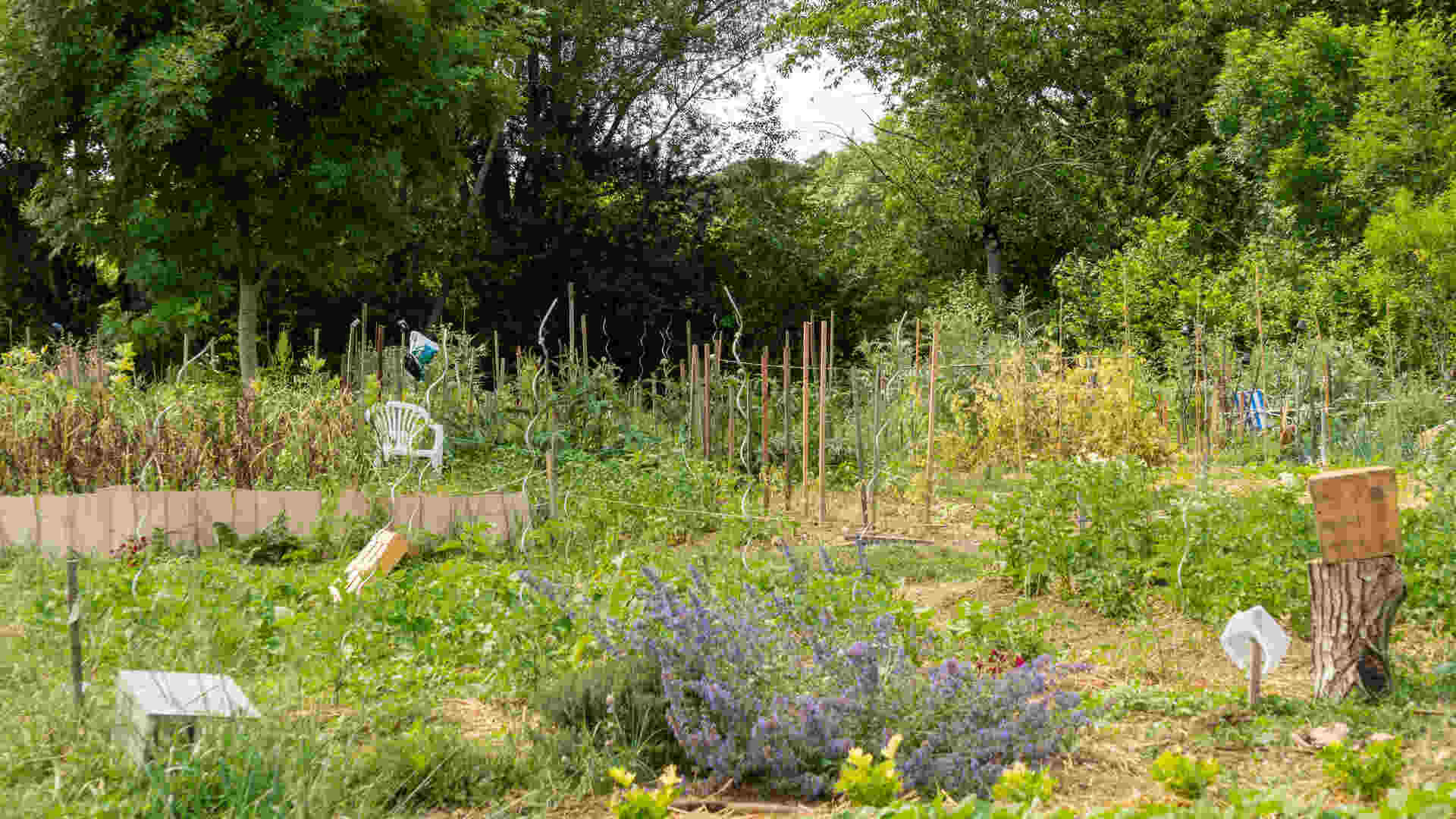
Companion planting is a tried-and-true agricultural practice that pairs plants together to enhance growth, improve soil health, deter pests, and even boost flavors and aromas. For cannabis growers, incorporating companion planting into their cultivation strategy can lead to a more sustainable and productive garden. Winter is the perfect time to plan—and sometimes even sow—companion plants for a successful outdoor cannabis season. This article explores how companion planting works, the best plants to choose from, and how to use the winter months to set your garden up for spring success.
What Is Companion Planting?
Companion planting is strategically placing plants together based on their beneficial relationships. In cannabis cultivation, companion plants can:
- Improve soil health through improved nutrient cycling, nitrogen fixation, reduced compaction, or erosion prevention.
- Attract beneficial insects like pollinators and predators of common pests.
- Repel harmful pests.
- Enhance the terpene profile of cannabis through the release of complementary chemicals.
- Act as living mulch, suppressing weeds and retaining soil moisture.
Soil Health
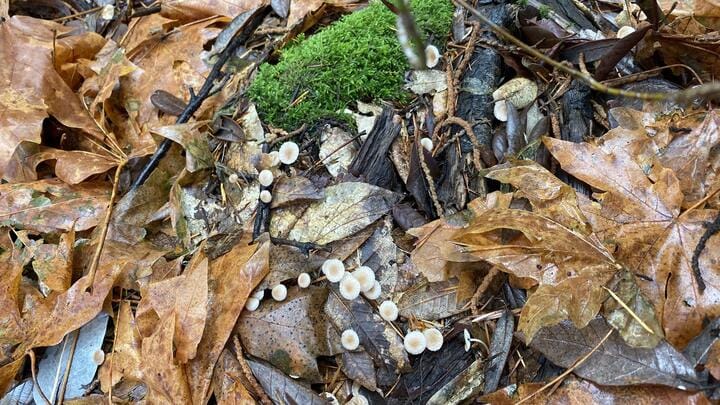
One of the best things a gardener can do is to cover their soil through the winter. Keeping your soil covered with decaying organic matter or living cover crops can improve your soil's health in various ways.
Nutrient Cycling
First, decaying organic matter is food for microorganisms. Bacteria feed on green material, while fungi prefer the older brown material. Other organisms, like earthworms and springtails, feed on the root balls. This process of decay and consumption fuels the nutrient cycle, enriching your soil with nutrients available to your plants.
Nitrogen Fixation
Certain species of cover crops can also fix atmospheric nitrogen into your soil through symbiotic relationships with bacteria. The most used cover crops for this purpose are legumes. Many varieties of peas can survive over winter in temperatures as low as 20°F. Yellow peas, fava beans, snap peas, bio-master peas, and frost-master peas are a few that can withstand freezing temperatures, and many are even edible.
Remember to inoculate your pea seeds with rhizobia, the specific bacteria species needed to form a relationship with these legumes. These bacteria live in the root of the pea plant and can pull nitrogen gas out of the atmosphere and store it in nodules on roots.
Reduced Compaction & Erosion
Companion planting can reduce compaction by filling the soil with root systems and covering the ground with organic material. This is especially useful during the winter months when there is precipitation since compaction is exacerbated when soil is waterlogged. Cannabis prefers loamy soil with a loose structure where its roots can easily grow. This can be achieved through companion planting, with species like winter rye, rather than tilling, which will disturb your fungal network, known as the mycelium.
By covering your soil's surface through the winter, you are also reducing erosion. Everyone has seen water run off bare ground and how it can create little canyons where sediment has washed away. As the soil washes away, so do the nutrients within it. It is best to keep that soil around. The easiest way to do that is to have plants growing within it. These plants will store the nutrients within their biomass, which can be chopped down and allowed to decay into the soil in the Spring, adding the nutrients back. The second-best method is to cover with mulch, such as dead leaves or straw.
Integrated Pest Management
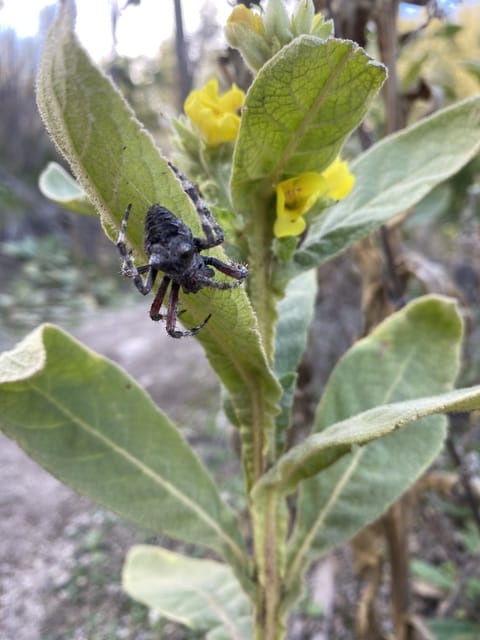
Companion planting is a crucial feature of integrated pest management (IPM). Check out our full article to explore its many benefits. Various species of plants can attract beneficial insects and deter pests. While most of these benefits are typically seen during the spring and summer months when your cannabis is growing, keeping plants in your garden over winter provides beneficial insects with a habitat, keeping them close by for the awakening of Springtime.
Terpenes
In recent years, studies conducted on cannabis terpenes have found that organically sun-grown weed is more diverse in its range of secondary metabolites responsible for flavour and aroma. These compounds, like terpenes, are how plants communicate with each other and with other species. Increasing biodiversity within your garden will make your plants' flavour profiles more diverse.
Certain plant species, especially native wildflowers, can contribute to increased terpenes and prefer to be sown in the fall. This allows the seeds to undergo cold stratification, a process of enduring freezing temperatures before germinating. Planting native species is especially useful because they evolved in your local environment to thrive without being cultivated and are well-known by the local beneficial insect population. Consider sowing native species this fall for a beautiful and diverse garden next Spring.

Living Mulch
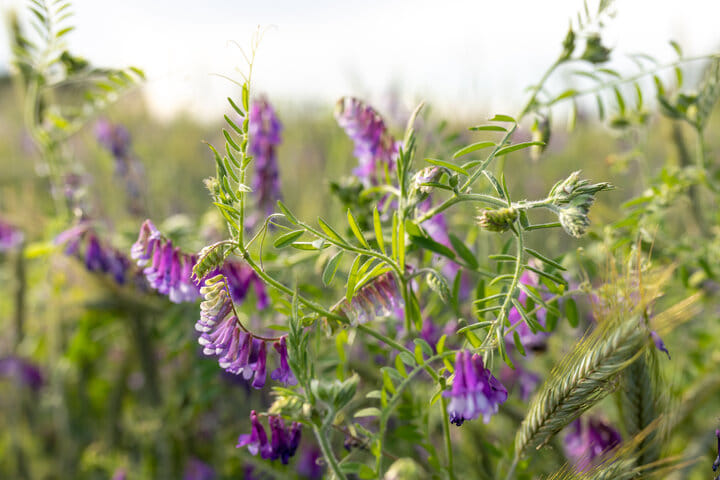
Companion planting for living mulch involves growing low-growing plants alongside your main crops to cover the soil and create a protective layer. This practice reduces soil erosion, suppresses weeds, retains moisture, and moderates soil temperatures. Living mulch plants, such as clovers and vetch, can be planted in the fall to fix nitrogen in the soil or improve its structure.
The Benefits of Winter Planning
Winter is more than just the off-season for cannabis growers. It's an opportunity to:
1. Prepare the Soil: Certain companion plants, such as cover crops, can be sown in late fall or early winter to improve soil health.
2. Plan the Layout: Mapping out your cannabis and companion plant placements now ensures efficient use of space and resources.
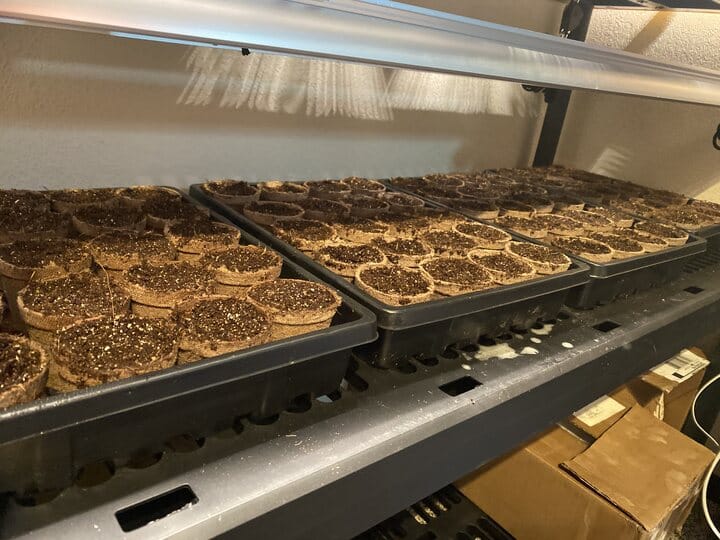
3. Start Seeds Indoors: Hardy perennials and slow-growing plants can be started indoors during winter for transplanting in Spring.
Companion Planting Strategies for Winter
Winter is the perfect time to strategize for the upcoming growing season, ensuring your garden starts off strong in spring. Begin by analyzing your past garden performance, noting pest issues, soil health, and crop yields to identify areas for improvement. Plan your companion planting layout, considering which plants will provide benefits such as pest control, nutrient cycling, or weed suppression. Use winter to sow cover crops like clover or winter rye to protect and enrich the soil. Indoors, start slow-growing seeds like marigolds or chamomile, so they’re ready to transplant in spring. Finally, assess your tools and resources, ensuring everything is prepared for efficient planting and maintenance once the ground thaws. Thoughtful winter planning sets the stage for a thriving, sustainable garden.
Sow Cover Crops
Plant cover crops like clover or winter rye in late fall. These will grow through the winter, protecting your soil from erosion and enriching it with organic matter. In Spring, they can be mowed and incorporated into the soil as green manure.
Start Seeds Indoors
Plants like marigolds, basil, dill, thyme, calendula, lemon balm, and chamomile can be started indoors under grow lights. By the time spring rolls around, you'll have strong, healthy transplants ready to be placed alongside your cannabis plants. To learn more about specific species check out our article, “A Guide to Companion Planting with Cannabis.”
Plan Your Garden Layout
Use winter to map out your garden. Consider factors such as sunlight, spacing, and the specific needs of your cannabis strains. Companion plants should be placed where they can provide maximum benefit without overcrowding your cannabis plants.
Prepare Raised Beds or Planting Areas
If you're growing in raised beds, you can enrich them with compost, mulch, or other organic matter. Adding organic amendments during winter allows them to break down and become bioavailable by Spring.
If you are interested in learning the best ways to nurture and protect your soil with various composting methods, biochar, and more check out The Winter Soil Wellness Class.
Companion Planting Pitfalls to Avoid
Companion planting offers numerous benefits, but it's not without its pitfalls, mainly if plant species are chosen or managed improperly. For instance, while nasturtiums can deter some pests, they also attract imported cabbage moths, which can lay eggs that hatch into damaging larvae. Similarly, hairy vetch, often used as a nitrogen-fixing cover crop, can create problems if you plan to use a rototiller—it's a vining plant that can become tangled in the tines, making tilling difficult.
Knowing how to terminate your companion plants is essential for effective management. For example, some cover crops may need mowing, rolling, or cutting before incorporation into the soil. Proper planning ensures companion plants provide their intended benefits without creating new challenges.
Final Thoughts: Winter Planning for Spring Success
Companion planting is a powerful tool for cannabis growers seeking a sustainable and productive garden. By taking advantage of the winter months to sow cover crops, start seeds indoors, and plan your garden layout, you can set the stage for a thriving outdoor season. With the right companion plants, your cannabis will benefit from improved soil health, natural pest control, and enhanced flavours and aromas.
Whether you're a seasoned grower or new to companion planting, winter planning ensures your cannabis garden is ready for spring success. Embrace the synergy between cannabis and its companions, and you'll reap the rewards of a healthier, more resilient garden come harvest time.