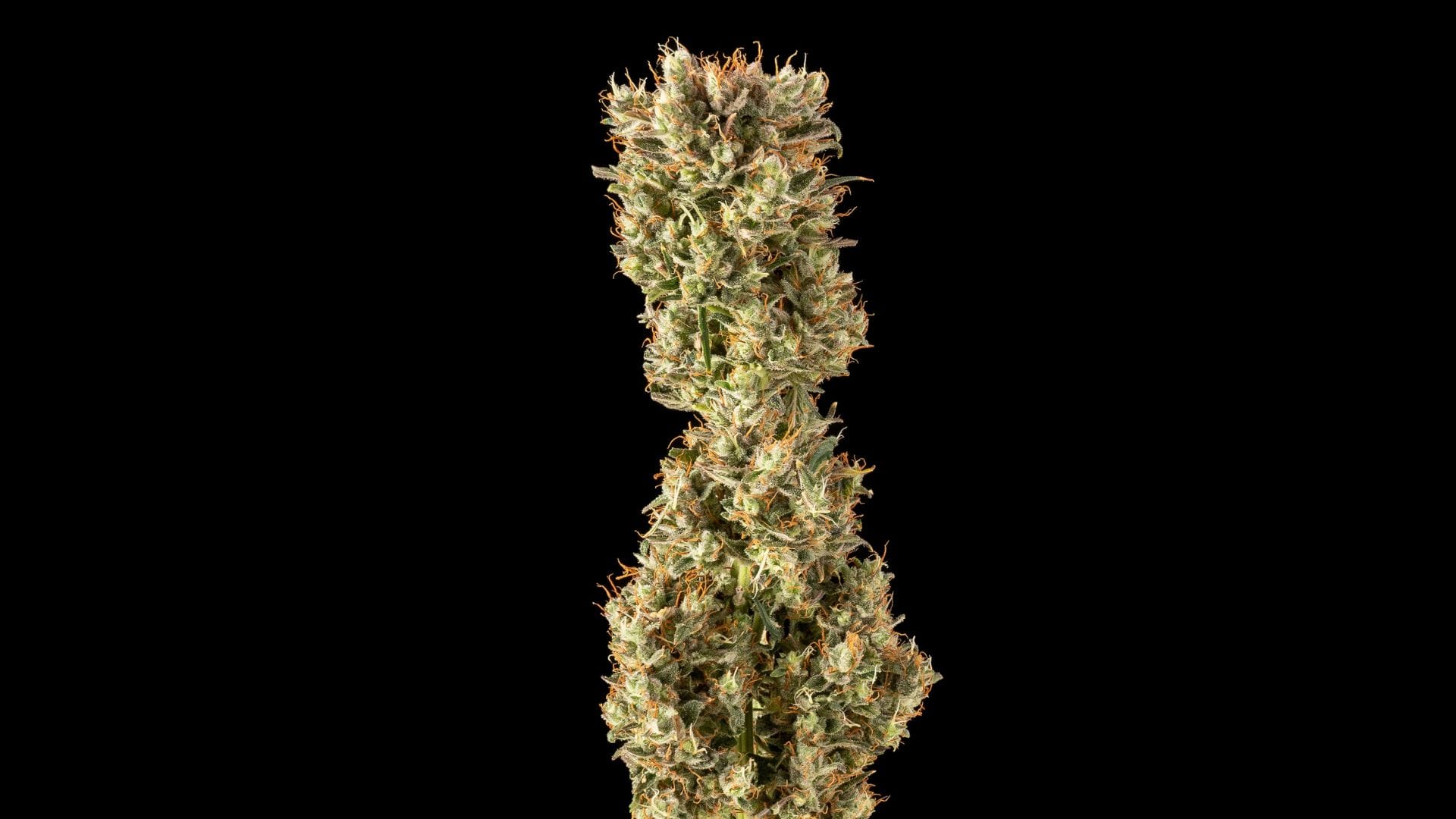
Cannabis is a versatile plant that has been used for thousands of years for medicinal, spiritual, and recreational purposes. Cannabis is known for its psychoactive and therapeutic effects, which are due to the presence of compounds called cannabinoids. Cannabis seeds are an integral part of the cannabis plant, and they play a vital role in the reproduction and cultivation of the plant. In this article, we’ll answer the question, “What are cannabis seeds?” and provide a comprehensive guide to help you understand the basics of cannabis seeds.
What are Cannabis Seeds?
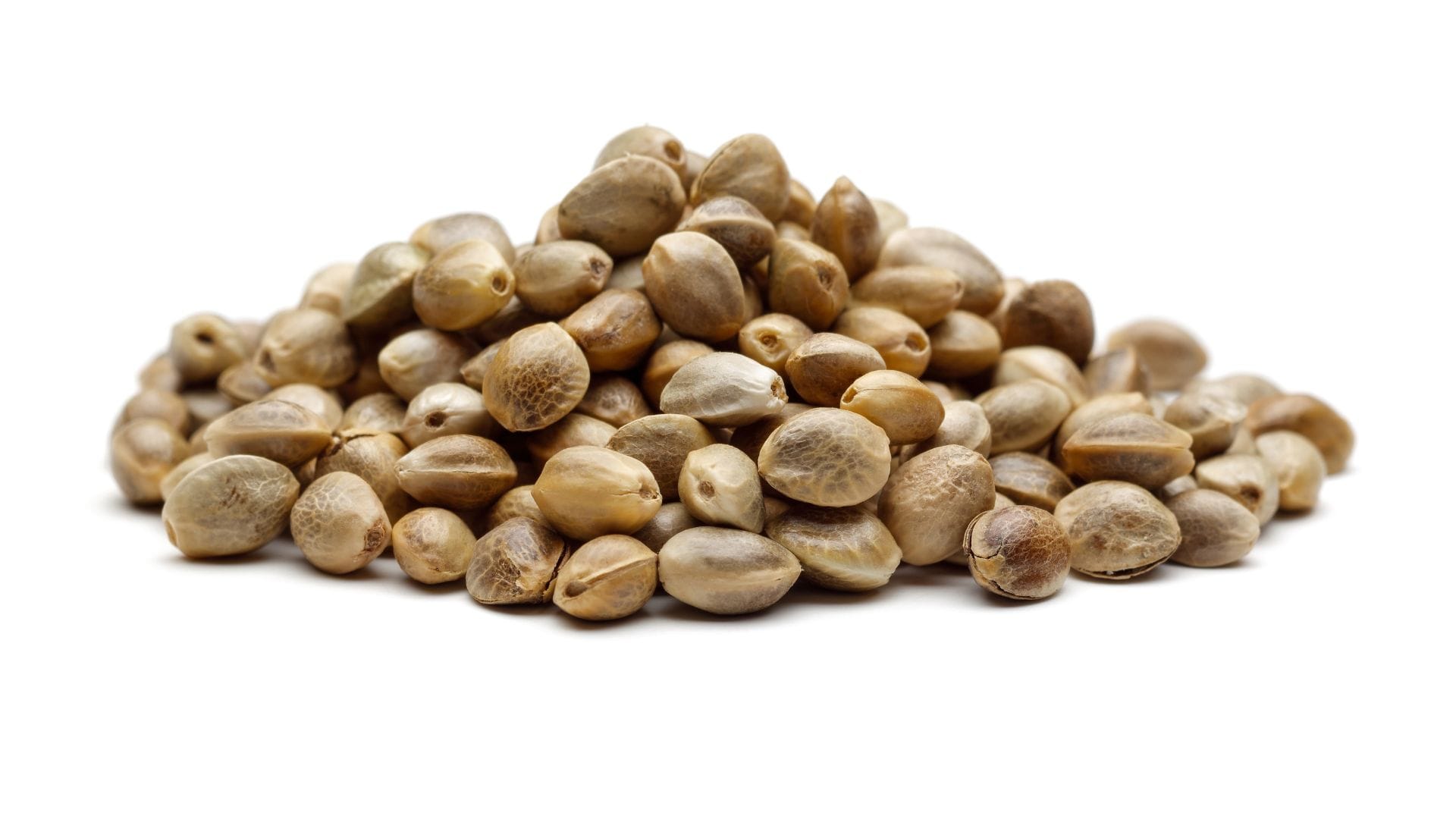
Cannabis seeds are the reproductive structures of the cannabis plant. The seeds are formed inside the plant's female flowers, which are pollinated by male flowers or by artificial means. Cannabis seeds come in different shapes, sizes, and colours, depending on the strain and genetics of the plant. Cannabis seeds are also used for breeding and cultivation purposes and are an essential part of the cannabis industry.
How Are Cannabis Seeds Used?
Cannabis seeds are used for various purposes, including:
Breeding: Cannabis seeds are used to create new strains of cannabis. Breeders cross different strains of cannabis to create new hybrids with desirable traits, such as high potency, flavour, and aroma.
Cultivation: Cannabis seeds are used to grow cannabis plants. Cannabis plants can be grown indoors or outdoors, and they require specific conditions, such as light, temperature, humidity, and nutrients, to thrive.
Food: Cannabis seeds are a nutritious food source and are high in protein, fibre, and essential fatty acids. Cannabis seeds can be eaten raw, roasted, or ground into flour and added to baked goods, smoothies, and salads.
A Brief History of Cannabis Seeds
In China, hemp seeds were used for food, medicine, and textiles as early as 6000 BCE. The Chinese also used cannabis seeds for breeding, selecting plants with desirable traits such as fibre quality and oil content.
The ancient Egyptians also used cannabis seeds for food and medicine, and they believed that the plant had medicinal properties that could cure various ailments.
In Greece, cannabis seeds were used for their medicinal properties, and the famous physician Galen used cannabis seeds to treat various ailments such as gout, inflammation, and joint pain.
During the Middle Ages, cannabis seeds were used for their medicinal properties in Europe, and they were also used to make textiles and paper.
In the 20th century, cannabis seeds were used for breeding and cultivation, and the first feminized cannabis seeds were developed in the 1980s.
With the legalization of cannabis in some countries, cannabis seeds have become more widely available, and there is a growing interest in breeding and cultivating cannabis for medicinal and recreational purposes.
Today, cannabis seeds are an integral part of the cannabis industry, and there are thousands of different strains of cannabis available, each with its unique properties and effects. Whether for breeding, cultivation, or consumption, cannabis seeds continue to play a significant role in the history and future of cannabis.
Understanding the Anatomy of Cannabis Seeds
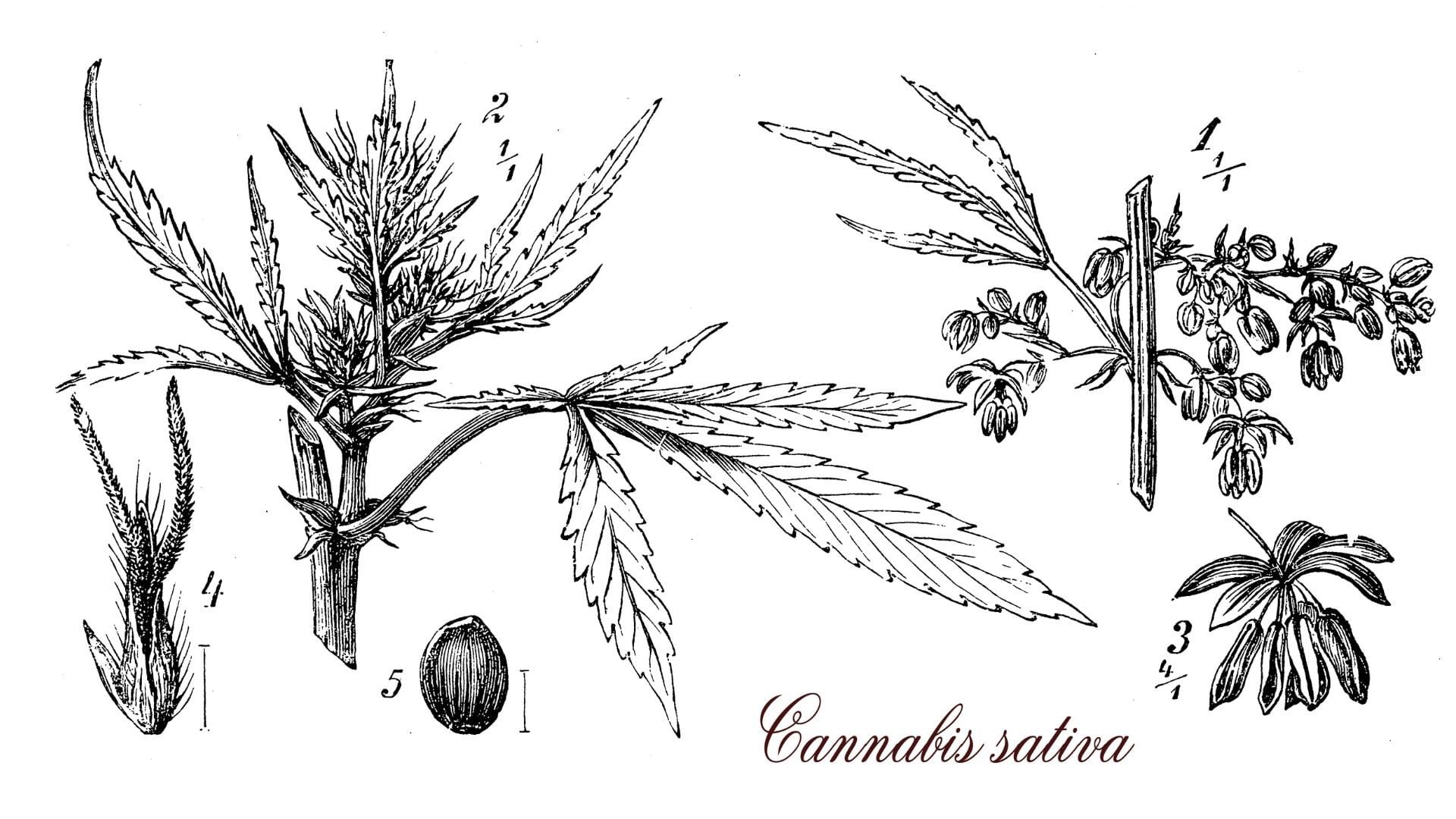
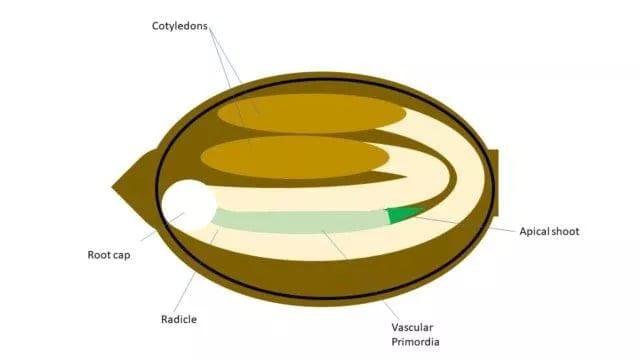
Cannabis seeds have a unique anatomy that is essential to understanding their role in the cannabis plant's life cycle. Here is a brief overview of the different parts of a cannabis seed:
Seed Coat: The seed coat is the seed's outer layer that protects the embryo inside. It is made up of two layers: the testa and the tegmen. The seed coat is tough and durable, which helps the seed to survive in harsh conditions.
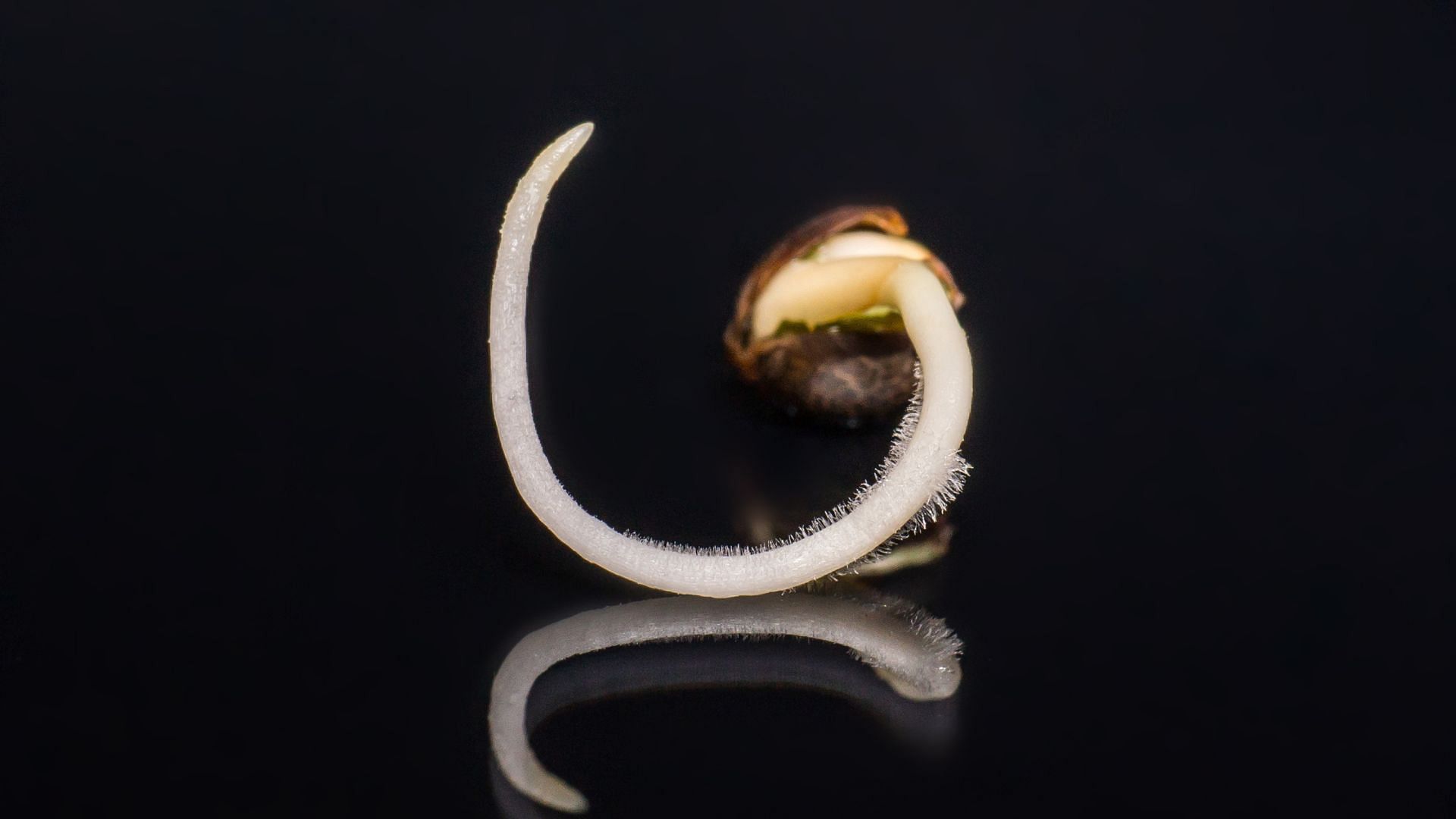
Embryo: The embryo is the miniature cannabis plant that is contained within the seed. It consists of three main parts: the radicle, the hypocotyl, and the cotyledons. The radicle is the embryonic root that emerges from the seed first. The hypocotyl is the embryonic shoot that emerges next. The cotyledons are the two seed leaves that provide the initial food source for the developing plant.
Endosperm: The endosperm is the tissue that surrounds the embryo and provides it with nutrients during germination. It is made up of carbohydrates, proteins, and lipids, and it is essential for the early growth of the cannabis plant.
How do Cannabis Seeds Differ from One Another?
Cannabis seeds come in different sizes and shapes, depending on the strain and genetics of the plant. Some seeds may be round and plump, while others may be oblong and tapered. Some seeds may be dark brown or black, while others may be light tan or green.
The anatomy of a cannabis seed is crucial for successful cultivation and breeding. When breeding cannabis, it is important to select seeds with desirable traits, such as high potency, flavor, and aroma. Understanding the anatomy of cannabis seeds can also help growers identify problems, such as poor germination or seedling development, and take steps to address them.
In conclusion, the anatomy of cannabis seeds is essential to understanding their role in the life cycle of the cannabis plant. By understanding the different parts of a cannabis seed, growers and breeders can select and cultivate high-quality cannabis plants with desirable traits.
Factors to Consider When Selecting Cannabis Seeds
Selecting the right cannabis seeds is crucial for successful cultivation and breeding. Here are some factors to consider when selecting cannabis seeds:
Genetics: The genetics of a cannabis seed determine its characteristics, such as potency, flavour, and aroma. When selecting cannabis seeds, choosing seeds with desirable genetics that are well-suited for your specific needs is essential.
Type of Seed: There are three main types of cannabis seeds: regular seeds, feminized seeds, and autoflowering seeds. Regular seeds produce male and female plants, while feminized seeds produce only female ones. Autoflowering seeds are genetically engineered to flower automatically, regardless of the light cycle.
Seed Bank: It's important to purchase cannabis seeds from a reputable seed bank that offers high-quality, genetically stable seeds. A reputable seed bank will also provide information about the strain's genetics, growing conditions, and expected yield.
Yield: The yield of a cannabis plant is an important factor to consider when selecting seeds. Some strains produce higher yields than others, and choosing seeds that are well-suited for your growing environment and goals is essential.
Growing Conditions: The growing conditions, such as temperature, humidity, and light, can significantly impact the growth and yield of cannabis plants. It's important to choose seeds that are well-suited for your specific growing environment to ensure a successful harvest.
THC and CBD Levels: THC and CBD are two of the most well-known cannabinoids in cannabis. THC is responsible for the psychoactive effects of cannabis, while CBD is known for its therapeutic properties. When selecting cannabis seeds, it's important to consider the strain's THC and CBD levels to ensure they meet your specific needs.
Feminized Seeds vs Regular Seeds
When it comes to growing cannabis, there are two main types of seeds: feminized seeds and regular seeds. Each seed type has advantages and disadvantages, depending on the grower's goals and preferences.
Feminized Seeds
Feminized seeds are bred to produce only female plants. Female plants are desirable for cultivation because they produce the buds that are used for consumption. By using feminized seeds, growers can avoid the hassle of identifying and removing male plants, which can be time-consuming and reduce the overall yield. Feminized seeds are also more predictable, as they are guaranteed to produce female plants.
Regular Seeds
Regular seeds produce a mix of male and female plants. Male plants are typically used for breeding, while female plants are used for consumption. While regular seeds require more work to identify and remove male plants, they can be useful for breeding and developing new strains. Regular seeds can also be more stable and less prone to genetic abnormalities than feminized seeds.
When deciding between feminized seeds and regular seeds, it's essential to consider your specific goals and growing conditions. Feminized seeds can be more convenient and predictable, making them well-suited for indoor cultivation and small-scale grows. Regular seeds can be useful for breeding and developing new strains, making them well-suited for more advanced growers and those with larger grow operations.
Autoflowering Seeds vs Photoperiod Seeds
When it comes to growing cannabis, there are two main types of seeds: autoflowering seeds and photoperiod seeds. Each seed type has advantages and disadvantages, depending on the grower's goals and preferences.
Autoflowering Seeds
Autoflowering seeds are genetically engineered to flower automatically, regardless of the light cycle. This means that growers do not need to worry about providing a specific light schedule for their plants to flower. Autoflowering plants typically have a shorter growth period and produce smaller yields, but they are easier to grow and require less maintenance.
Photoperiod Seeds
Photoperiod seeds require a specific light cycle to flower. Typically, photoperiod plants require 12 hours of darkness per day to initiate flowering. Photoperiod plants can produce larger yields and are often more potent than autoflowering plants, but they require more maintenance and attention to detail.
When deciding between autoflowering seeds and photoperiod seeds, it's essential to consider your specific goals and growing conditions. Autoflowering seeds can be more convenient and require less maintenance, making them well-suited for beginner growers and those with limited space or time. Photoperiod seeds can produce larger yields and more potent buds, making them well-suited for more advanced growers and those with larger grow operations.
Indica vs Sativa vs Hybrid Strains
Cannabis strains can be broadly categorized into three main types: Indica, Sativa, and hybrid strains. Each type has unique characteristics, effects, and growing requirements.
Indica Strains: Indica strains are known for their relaxing and sedative effects. They typically have a higher CBD-to-THC ratio and produce a body high that can be useful for pain relief and insomnia. Indica strains are also known for their shorter stature and broader leaves, making them well-suited for indoor cultivation.
Sativa Strains: Sativa strains are known for their uplifting and energizing effects. They typically have a higher THC-to-CBD ratio and produce a cerebral high that can be useful for creativity and productivity. Sativa strains are also known for their taller stature and narrower leaves, making them well-suited for outdoor cultivation.
Hybrid Strains: Hybrid strains are a combination of Indica and Sativa genetics. They are bred to produce specific effects and characteristics, such as high potency, unique flavours, and aromas. Depending on the genetics, hybrid strains can be further categorized into Indica-dominant, Sativa-dominant, or balanced hybrids.
When selecting a cannabis strain, it's essential to consider the specific effects, flavours, and aromas you are looking for, as well as your growing conditions and experience level. Indica strains are well-suited for indoor and nighttime use, while Sativa strains are better suited for outdoor and daytime use. Hybrid strains can offer the best of both worlds, providing a unique combination of effects and growing characteristics.
Germinating Cannabis Seeds
Germinating cannabis seeds is the first step in growing healthy, productive cannabis plants. Here is a step-by-step guide on how to germinate cannabis seeds:
- Choose a Germination Method: There are several different methods for germinating cannabis seeds, including the paper towel method, the water glass method, and the soil method. Each method has its advantages and disadvantages, so it's essential to choose the method that works best for you.
- Gather Supplies: You will need a few supplies to germinate cannabis seeds, including seeds, water, paper towels, a plate or container, and a warm, dark place to keep the seeds.
- Pre-Moisten the Paper Towels: If using the paper towel method, moisten the paper towels with water and wring out any excess water.
- Place the Seeds: Place the cannabis seeds on the moistened paper towels, leaving enough space between them so that they don't touch.
- Keep the Seeds Warm and Moist: Place the plate or container in a warm, dark place like a cupboard or closet. Check the seeds daily to ensure that they are moist and have not dried out.
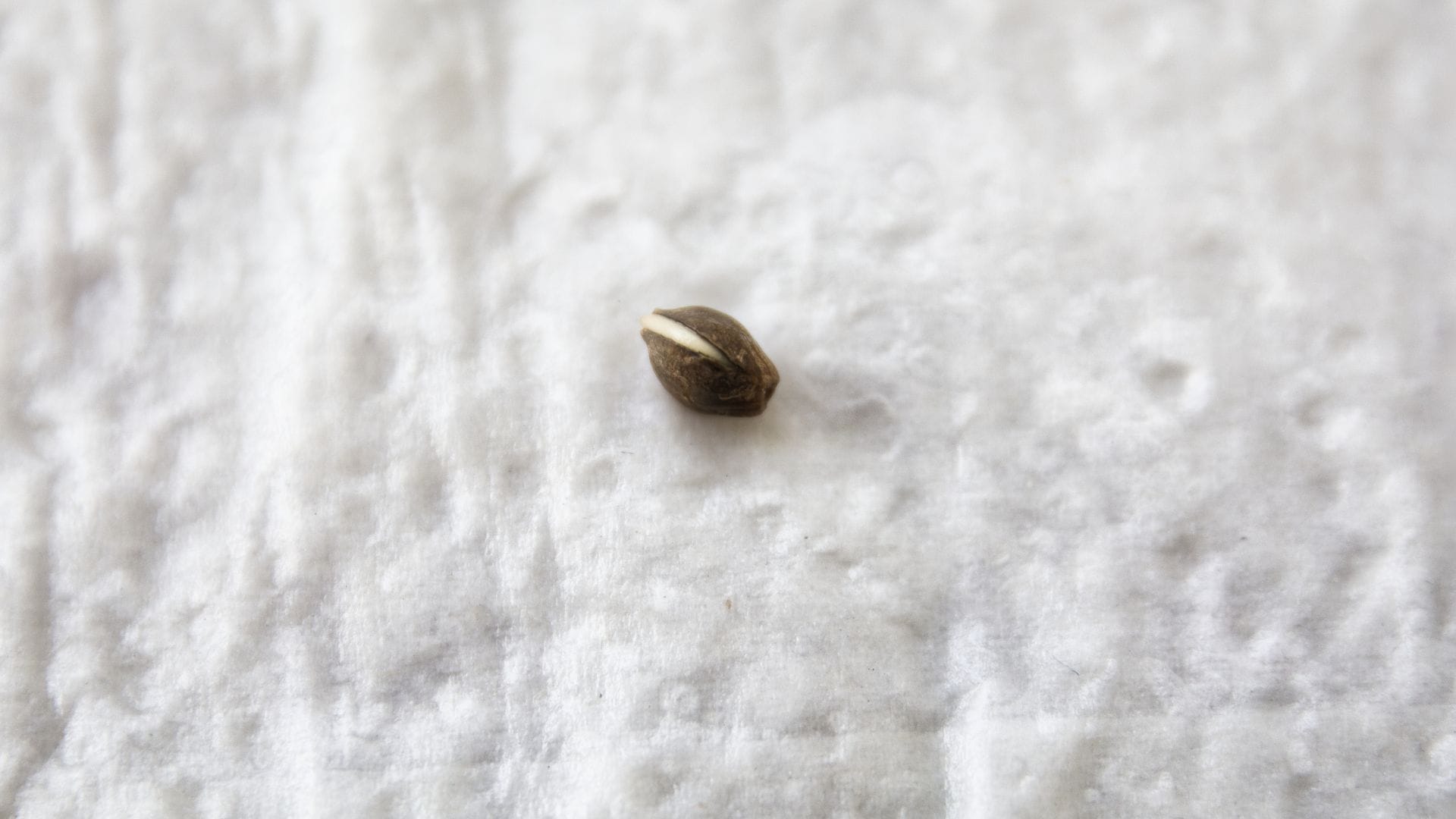
- Wait for Germination: After a few days, the seeds should start to germinate. Once you see the taproot emerge from the seed, it's time to plant the seed in the soil.
- Plant the Seeds: Plant the germinated seeds in the soil, covering the taproot and leaving the seedling exposed. Water lightly and place the soil under a grow light or in a sunny window.
Growing Cannabis from Seeds
Growing cannabis from seeds can be a rewarding and fulfilling experience. Here is a step-by-step guide on how to grow cannabis from seeds:
- Germinate the Seeds: The first step in growing cannabis from seeds is to germinate the seeds using one of the methods outlined in the previous section.
- Plant the Seeds: Once the seeds have germinated and the taproots have emerged, plant them in the soil. Use a high-quality potting mix rich in nutrients and good drainage.
- Provide Adequate Light: Cannabis plants require a lot of light to grow and thrive. If growing indoors, use a grow light that provides the correct spectrum of light for the different stages of growth. If growing outdoors, ensure the plants receive at least six hours of direct sunlight daily.
- Water the Plants: Cannabis plants require regular watering, but it's important not to overwater them. Allow the soil to dry out slightly between waterings to prevent root rot. Water the plants when the top inch of the soil feels dry.
- Provide Adequate Nutrients: Cannabis plants require a balance of nutrients to grow and produce healthy buds. Use a high-quality fertilizer that is specifically designed for cannabis plants and follow the manufacturer's instructions for application.
- Monitor the Plants for Pests and Diseases: Cannabis plants are susceptible to pests and diseases, so monitoring them regularly for any signs of damage or infestation is important. Use natural pest control methods, such as neem oil or insecticidal soap, to treat any pests or diseases.
- Harvest the Buds: Cannabis plants are typically ready for harvest after 8-12 weeks of flowering, depending on the strain and growing conditions. Harvest the buds when the trichomes are fully developed, and the pistils have turned brown or orange.
Storing Cannabis Seeds
Storing cannabis seeds properly is essential to ensure their viability and quality. Here are some tips on how to store cannabis seeds:
- Keep Them Dry: Moisture can quickly degrade cannabis seeds, so keeping them dry is essential. Store your seeds in an airtight container with a desiccant, such as silica gel or rice, to absorb any moisture.
- Store Them in a Cool, Dark Place: Heat and light can also degrade cannabis seeds, so storing them in a cool, dark place is essential. Keep your seeds in a refrigerator or freezer as long as the temperature is consistently below freezing.
- Label Your Seeds: It's important to label your seeds to keep track of their genetics and origin. Use a permanent marker or label to indicate the strain, storage date, and any other relevant information.
- Don't Touch Them: Handling cannabis seeds too much can damage them, so it's important to avoid touching them as much as possible. Use tweezers or a spoon to handle the seeds, and try not to shake or disturb them too much.
- Check Them Regularly: It's important to check your seeds regularly for any signs of moisture, mould, or damage. If you notice any issues, remove the affected seeds and transfer the rest to a new container.
By following these tips, you can store your cannabis seeds properly and ensure their viability and quality for years to come.
Common Problems with Cannabis Seeds
Here are some common problems with cannabis seeds:
- Poor Germination: Poor germination is a common problem with cannabis seeds. Factors such as improper storage, incorrect temperature, and insufficient moisture can all contribute to poor germination rates. To avoid this problem, make sure to store your seeds properly, use a reliable germination method, and monitor the seeds regularly for any signs of moisture or mould.
- Damping Off: Damping off is a fungal disease that can affect cannabis seedlings. It typically occurs in humid environments and can cause the seedling to wilt and die. To avoid damping off, make sure to use a well-draining soil mix, avoid overwatering, and provide good ventilation to reduce humidity.
- Nutrient Deficiencies: Nutrient deficiencies can occur if the soil or growing medium does not contain the proper balance of nutrients. Common nutrient deficiencies in cannabis plants include nitrogen, phosphorus, and potassium deficiencies. To avoid nutrient deficiencies, use a high-quality soil mix or growing medium and follow a regular fertilization schedule.
- Pest Infestations: Cannabis plants are susceptible to pest infestations, such as spider mites, aphids, and thrips. These pests can damage the plant's leaves, stem, and buds and significantly reduce the yield. To avoid pest infestations, use natural pest control methods, such as neem oil or insecticidal soap, and monitor the plants regularly for any signs of damage.
- Overwatering: Overwatering is a common problem with cannabis plants, especially in the early stages of growth. Overwatering can lead to root rot, nutrient deficiencies, and other problems. To avoid overwatering, make sure to use a well-draining soil mix, allow the soil to dry out between waterings, and use a moisture meter to monitor the soil's moisture levels.
The Legal Considerations of Cannabis Seeds
In some places, cannabis seeds are legal to buy, sell, and possess, while in others, they are illegal.
In countries where cannabis is legal for medical or recreational use, it is typically legal to buy and possess cannabis seeds. However, in some places, it is illegal to buy or sell cannabis seeds under federal law, even if cannabis is legal at the state level.
In countries where cannabis is illegal, buying, selling, or possessing cannabis seeds can be a criminal offense. In some cases, even transporting cannabis seeds across international borders can result in severe penalties, including imprisonment.
It's essential to research and understand the laws in your country or jurisdiction before buying or possessing cannabis seeds. Even if it's legal to buy and possess seeds, it's important to use them for legal purposes, such as growing cannabis in a legal and regulated manner.
Tips for Buying Cannabis Seeds
Here are some tips to help you choose the right cannabis seeds for your needs:
- Research Different Strains: There are thousands of different cannabis strains available, each with its unique characteristics and effects. Research different strains to determine which ones are best suited for your needs and preferences.
- Choose a Reputable Seed Bank: Choose a reputable seed bank with a good reputation for quality and reliability. Look for seed banks with positive customer reviews, secure payment methods, and discreet shipping options.
- Consider the Type of Seeds: Consider the type of seeds you want to buy, whether they are feminized, regular, autoflowering, or photoperiod. Each type of seed has its advantages and disadvantages, so choose the one that best suits your growing conditions and goals.
- Check the Genetics and Breeder: Check the genetics and breeder of the seeds to ensure that they are of high quality and have not been crossbred or hybridized with inferior strains.
- Look for High Germination Rates: Look for seeds with high germination rates to increase your chances of success. Quality seeds should have a germination rate of 80% or higher.
- Check the Price: Consider the price of the seeds, but don't let it be the only factor in your decision. Quality seeds are often more expensive, but they are worth the investment for a successful and productive grow.
Popular Cannabis Strains to Grow from Seeds
OG Kush Auto
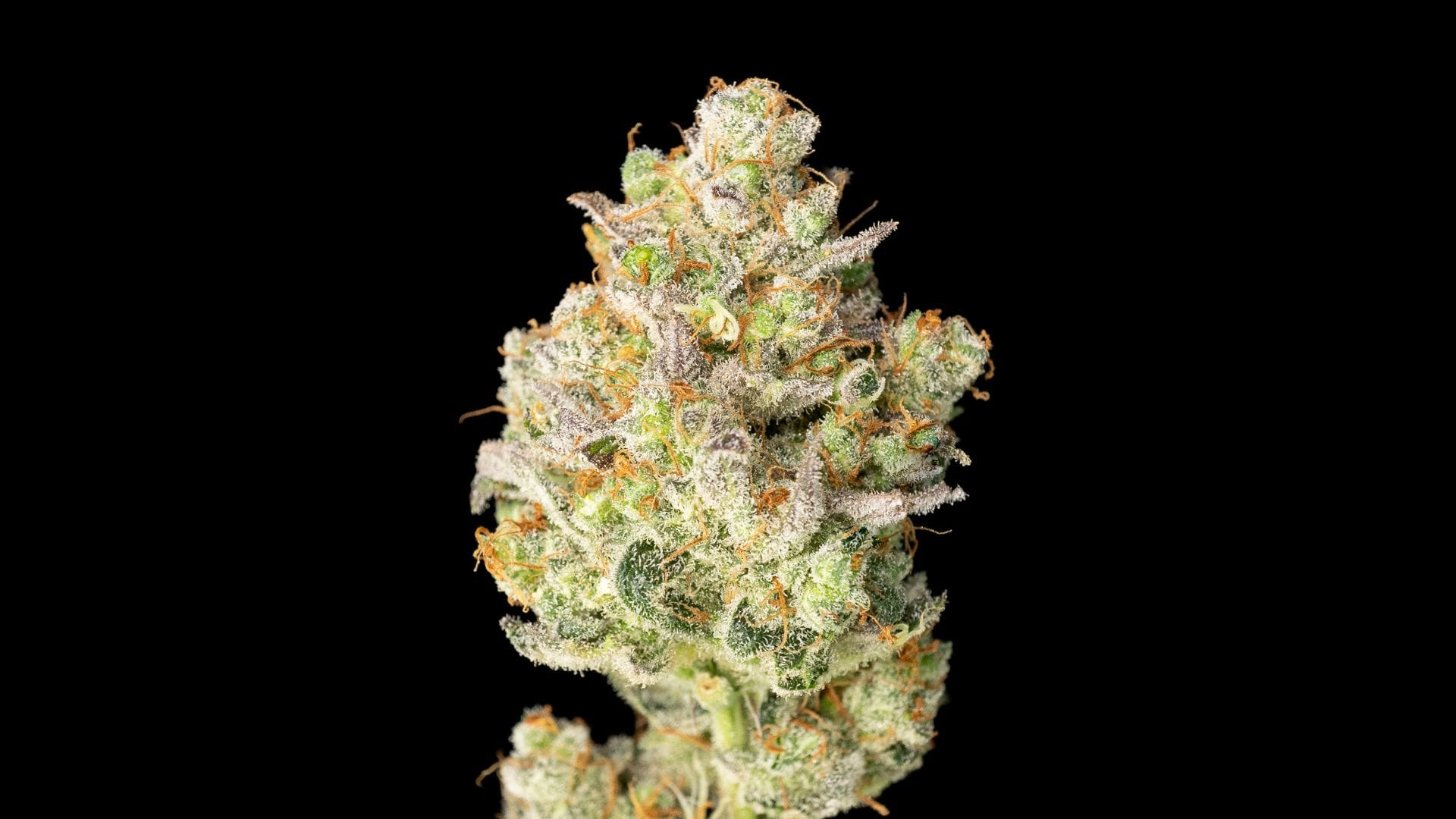
This strain is known for its potent and long-lasting effects, which can help with relaxation and pain relief.
Blue Dream
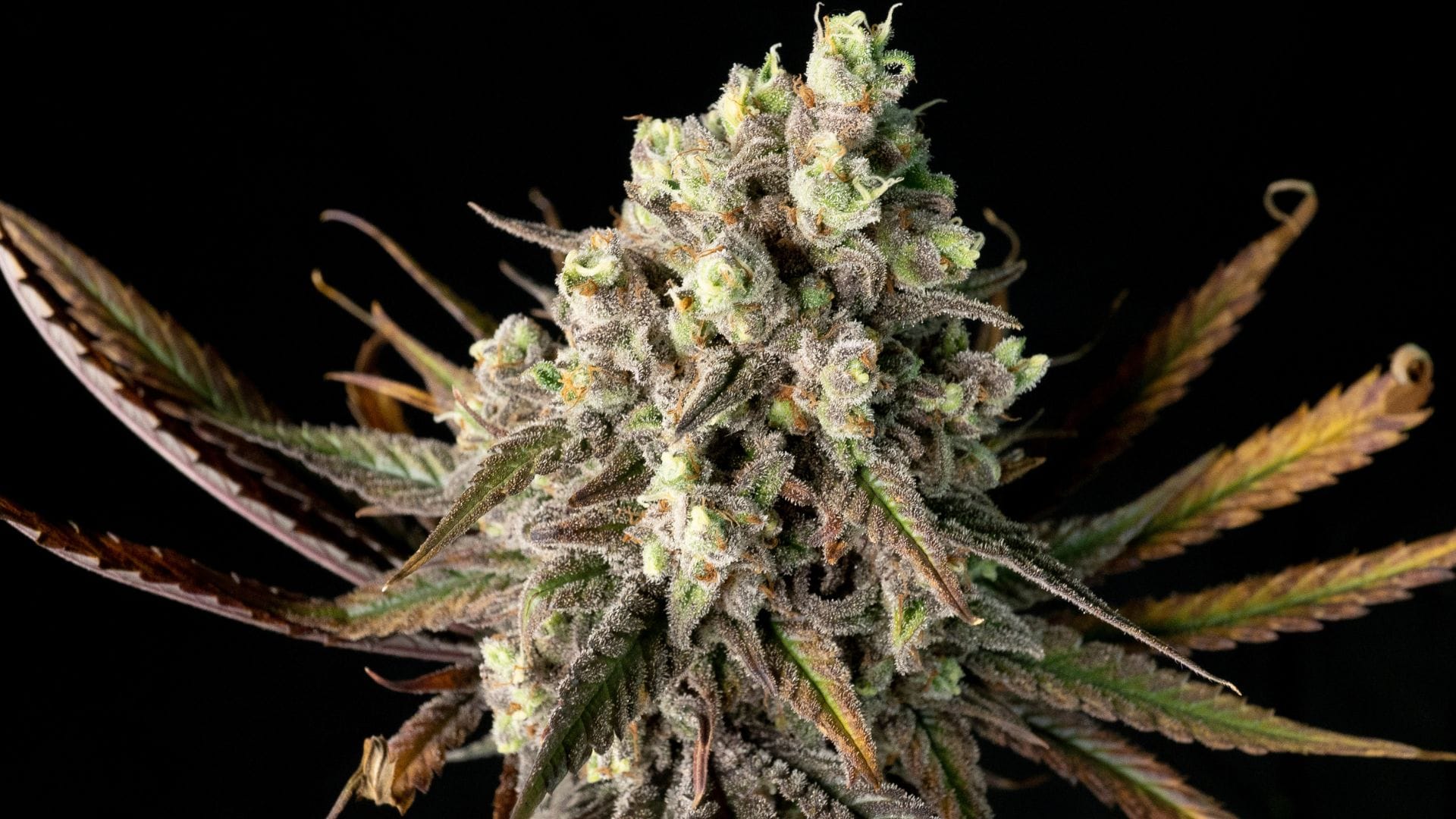
This hybrid strain has a sweet and fruity aroma, and is often used for its balanced effects that can help with both relaxation and creativity.
Northern Lights
This indica strain is known for its potent sedative effects, and is often used to help with insomnia and pain relief.