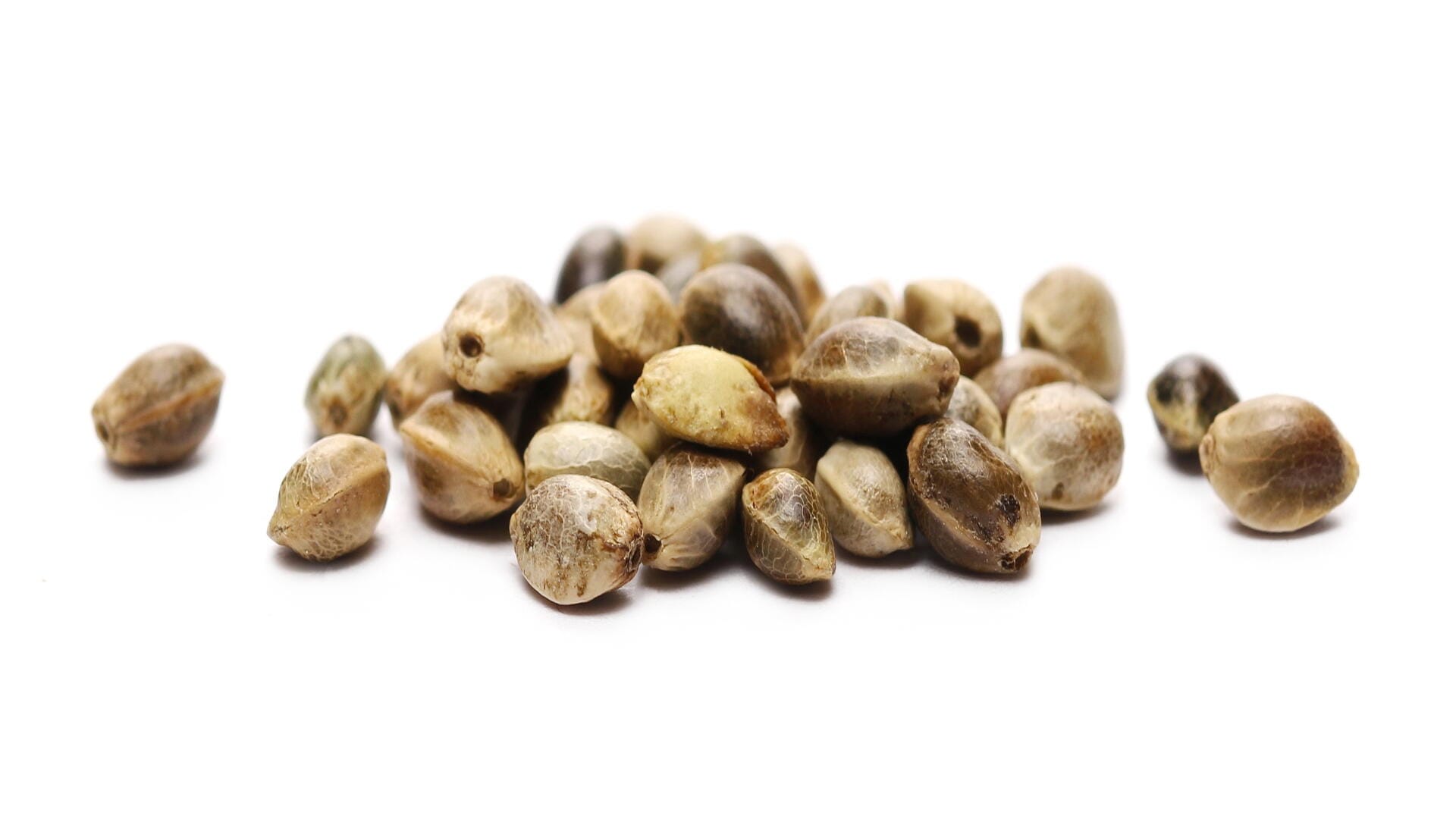
If you’re growing cannabis to produce buds, there’s a high chance you're using feminized seeds. Once a niche technique known only to expert breeders, feminized cannabis seeds are now the industry standard for growers seeking consistent, high-quality yields. It makes sense - using high quality feminized seeds can mitigate risks such as genetic instability and intersex traits, leading to a more successful and abundant harvest. But how did we get here? And how is cannabis seed feminization done?
In this article, we’ll explore the fascinating journey of feminized seeds – from their origin and technological breakthrough to the detailed methods used today. Whether you’re a hobbyist grower or a commercial cultivator, understanding this process is vital to understanding your plants.
What Are Feminized Cannabis Seeds?
Feminized cannabis seeds are seeds that have been bred to produce exclusively (or almost exclusively) female cannabis plants. This is significant because in cannabis cultivation, female plants are the ones that produce the resinous buds rich in cannabinoids like THC and CBD – the very reason most people grow cannabis in the first place.

Male cannabis plants, on the other hand, produce pollen and are primarily used in breeding programs. If left unchecked, males can pollinate females, leading to seed production instead of potent, seedless (sinsemilla) buds. For most growers, this is undesirable. More accurately, if you're checking up on your grow one morning and start findinf signs of males, it's a nightmare.
Feminized seeds remove that uncertainty. When you plant feminized seeds, you can expect close to 100% female plants, dramatically improving efficiency and crop quality.
Feminized vs Regular Cannabis Seeds: What’s the Difference?
To appreciate the impact of cannabis seed feminization, we have to contrast feminized seeds with their predecessor: regular cannabis seeds, which are essential for breeding new cannabis strains.
Regular Cannabis Seeds:
- Come from the natural pollination between a male and a female plant.
- Yield roughly 50% male and 50% female plants.
- Require early sex identification and removal of male plants to prevent pollination.
- More suitable for breeders aiming to create new strains or maintain genetic lines, as regular seeds are considered by some growers to produce more robust plants.
Feminized Seeds:

- Created through controlled processes that induce femlae plants to produce pollen.
- Result in seeds that carry only female chromosomes.
- Produce 99% female plants, minimizing waste and labor.
- Ideal for growers focused on bud production rather than breeding.
For commercial growers, this distinction is crucial. Feminized seeds reduce space, time, and resource investment, making operations more predictable and profitable.
A Brief History of Cannabis Seed Feminization
Cannabis seed feminization may seem like a product of modern innovation, but its roots trace back several decades. The technique first gained traction in the 1990s thanks to pioneering work by Dutch cannabis seed banks, which led to the development of feminized seeds created through meticulous breeding processes.
One of the earliest and most significant contributors was Dutch Passion Seed Company, which began experimenting with feminized seeds in the early 1990s. The founder of Dutch Passion, Henk van Dalen, introduced the first commercially successful feminized seeds around 1998. Despite initial skepticism from the cannabis community – some growers feared feminized seeds might be unstable or hermaphroditic – the results were undeniably impressive.
The innovation caught on quickly, and other seed banks followed suit, refining the process and improving genetic stability. Today, thanks to decades of selective breeding and scientific experimentation, feminized seeds are as reliable as their regular counterparts – if not more so.
Why Feminized Seeds Became the Industry Standard
It’s no coincidence that cannabis seed feminization has become the backbone of the modern cannabis industry. Here’s why:
Efficiency: No more wasting time and resources growing male plants that must be culled.
Consistency: Uniform crops with fewer variables mean more predictable yields and quality.
Higher Yields: Since every plant contributes to flower production, growers can maximize output.
Ideal for Indoor Cultivation: In tightly controlled indoor environments, space is precious. Feminized cannabis seeds ensure every square foot is used efficiently.
In legal and medical markets especially, where regulations are tight and margins matter, female cannabis seeds offer a clear competitive edge.
Benefits of Using Feminized Seeds
The benefits of using feminized seeds are numerous and impactful for both small-scale and commercial growers. One of the primary advantages is the elimination of the need to identify and remove male plants. This is particularly crucial for large-scale operations where managing hundreds or thousands of plants can be labor-intensive. By planting feminized seeds, growers can ensure that their crop consists only of female plants, which are the ones that produce buds.
Feminized seeds also contribute to higher crop quality by reducing the risk of pollination. Male plants produce pollen, which can fertilize female plants and lead to seed production, potentially lowering the potency and flavor of the buds. By using feminized seeds, growers can focus on cultivating only female plants, which results in a more potent and flavorful harvest. Additionally, feminized seeds can increase yields, as every plant in the grow room contributes to bud production. Overall, feminized seeds offer a convenient and efficient way to grow high-quality cannabis.
Methods of Cannabis Seed Feminization
So, how is the cannabis seed feminization process actually done?
There are a few established methods that breeders use to create feminized seeds. Each involves manipulating the female plant to produce pollen, which is then used to pollinate another female. The result will only carry XX chromosomes – resulting in female offspring.
1. Colloidal Silver Method
The colloidal silver method is one of the most popular and accessible ways to feminize cannabis seeds.
How it works:
- A colloidal silver solution (usually 30ppm or higher) is sprayed onto a flowering female plant.
- The silver ions disrupt the plant’s ethylene production, a hormone critical for female flower development.
- As a result, the plant begins to develop male pollen sacs.
- This “male” pollen, containing only X chromosomes, is used to pollinate another female plant, producing feminized seeds.
Advantages:
Easy to execute with minimal equipment.
Highly effective and widely used by both hobbyists and professionals.
Caution: Plants treated with colloidal silver should not be consumed, as the chemical is not safe for ingestion.
2. Silver Thiosulphate (STS) Method
Silver thiosulfate is considered the gold standard (ironically) for commercial feminization due to its high efficacy.
How it works:
- A solution of silver thiosulfate is sprayed on a female plant early in flowering.
- Like colloidal silver, STS suppresses ethylene, triggering the plant to produce male pollen.
- Pollen is collected and used to feminize a female plant.
Advantages:
More reliable and consistent results than colloidal silver.
Used by most professional seed banks.
STS is more potent and complex to mix, requiring care in handling and application. But the payoff is worth it – higher success rates and healthier, viable feminized seeds, crucial for producing seeds that yield only female plants.
3. Rodelization (Stress-Induced Hermaphroditism).

Rodelization is a natural feminization method that relies on stress.
How it works:
- A female plant is kept flowering long past its typical harvest time.
- In response to the lack of fertilization, it may produce male pollen sacs as a last-ditch effort to reproduce.
- This pollen can then be used to pollinate other female plants.
Advantages:
No chemicals involved – completely natural.
Easy for small-scale growers to try.
Drawbacks:
Less reliable and more likely to produce hermaphroditic offspring.
Often discouraged for serious breeding purposes due to the significantly lower amount of pollen produced compared to male plants.
Is Feminization Foolproof?
While cannabis seed feminization is highly reliable, it’s not without caveats. Poor technique, unstable genetics, or environmental stress can sometimes result in hermaphroditic plants – those that develop both male and female flowers. This is rare with high-quality feminized seeds but still possible under extreme conditions. If a plant expresses both male and female flowers, it may self pollinate, potentially affecting the quality of the yield, so it's essential to know the early signs of hermaphrodite cannabis plants.

How do you minimize the risks?
- Only ever buy seeds from reputable breeders
- Avoid stressing plants during growth to minimize the risk of self pollination
- Ensure proper application of feminization methods
Growing Feminized Plants
Growing feminized plants is similar to growing regular cannabis plants, but with a few key differences that require careful attention. Feminized seeds are typically more sensitive to stress, necessitating more meticulous handling throughout the cultivation process. Ensuring a stable environment with optimal conditions is crucial to prevent any stress-induced issues.
During the vegetative stage, feminized plants require a longer period to develop a strong root system and robust plant structure. This foundation is essential for supporting the heavy buds that will form during the flowering stage. As the plants transition to the flowering stage, they will begin to produce buds, which should be closely monitored for ripeness to ensure a high-quality harvest.
It’s also important to keep an eye out for any signs of male flowers or hermaphroditism, as these can negatively impact the crop. By following proper growing techniques and providing the right conditions, feminized plants can produce high-quality buds rich in THC and flavorful terpenes.
Feminized Seed Production and Quality Control
Feminized seed production involves several meticulous steps to ensure the highest quality seeds. The process begins with selecting high-quality mother plants known for their robust genetics and desirable traits. These mother plants are then treated with a feminization solution, such as colloidal silver or silver thiosulfate, to induce the production of male flowers. The pollen from these male flowers, which contains only female chromosomes, is used to pollinate other female plants.
The resulting seeds are harvested and undergo rigorous quality control measures to ensure their stability, potency, and health. Reputable seed banks test the seeds for germination rates, plant health, and cannabinoid content to guarantee that they meet high standards, which is a reassurance cultivators need. This thorough quality control process ensures that growers receive feminized seeds that will produce robust and potent plants with stable genetics.
The Future of Feminized Cannabis Seeds
As cannabis legalization expands globally, so does the demand for efficient, reliable cultivation methods. Feminized seeds will continue to dominate, especially as biotech advances enable even greater control over plant sex expression. We’re also seeing innovation in autoflowering feminized seeds, which combine the benefits of feminization with the convenience of automatic flowering – no light cycle changes required.
In a world that increasingly values sustainability, precision, and yield, cannabis seed feminization stands as a shining example of how science and nature can align to transform an industry.
Cannabis Seed Feminization – Final thoughts
From underground grow rooms to cutting-edge agricultural facilities, cannabis seed feminization has earned its place as a foundational technique in modern cannabis cultivation. By understanding how it works, where it came from, and how to do it right, growers can harness its full potential. Whether you're chasing the perfect personal harvest or managing acres of legal grow operations, feminized marijuana seeds take the guesswork out of the equation – and put the control back in your hands.