
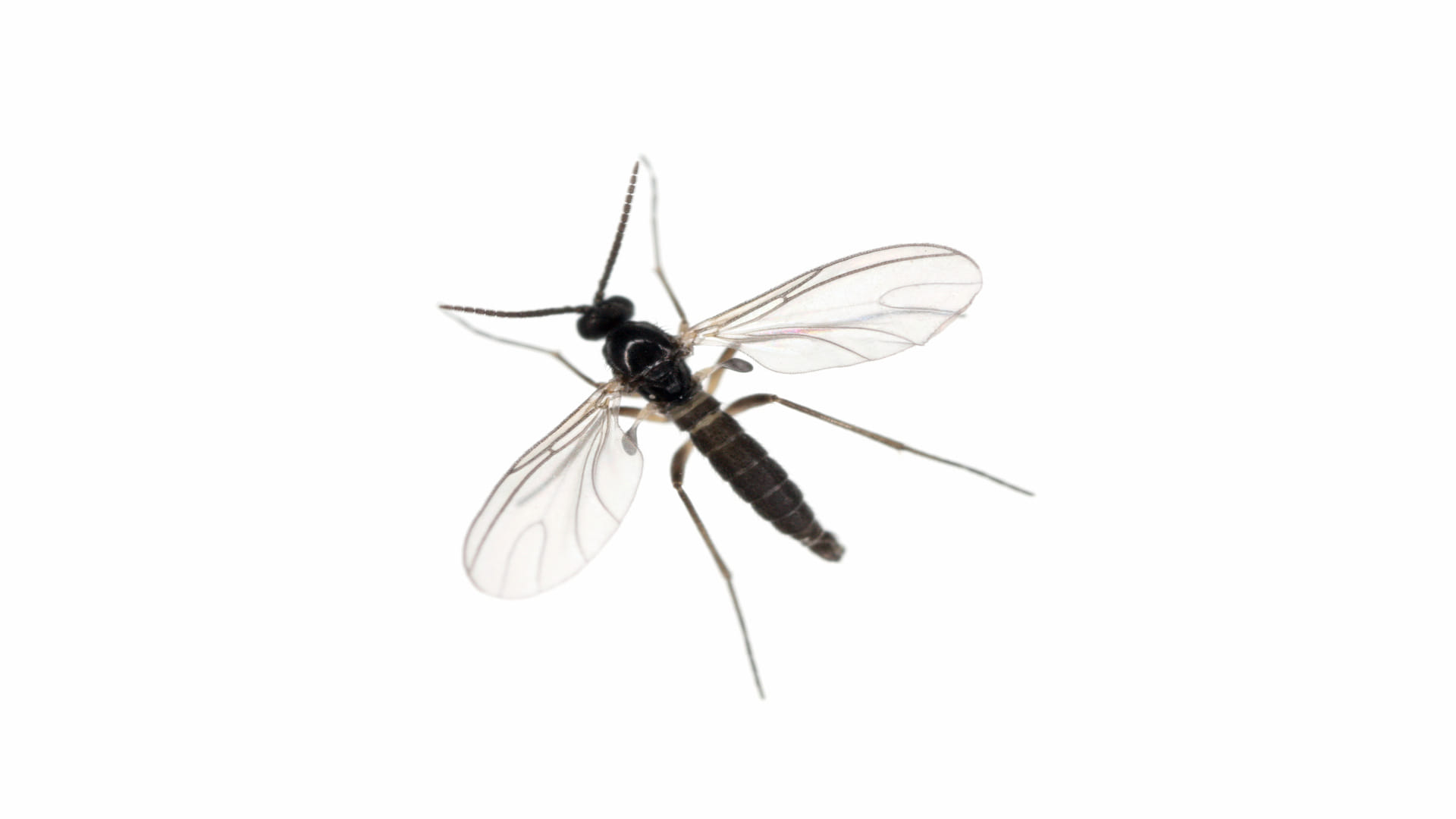

Fungus gnats are one of the most common pests cannabis growers encounter, particularly in indoor spaces. At first glance, they might seem more irritating than harmful. Tiny dark flies that drift around pots, hover near the growing medium, and occasionally appear in larger numbers when plants are watered. While adult fungus gnats are mostly a nuisance, their larvae can cause genuine problems beneath the surface,
The good news is thet cannabis fungus gnats are usually manageable when caught early. Understanding how to identify them, what attracts them, and how their life cycle works can help growers respond quickly and restore a healthy growing environment.
In this guide, we'll explain how to identify cannabis fungus gnats, remove existing infestations, and prevent them from returning.
What Are Cannabis Fungus Gnats?

Fungus gnats, also known as sciarid flies, are small flying insects belonging to several families of flies that thrive in damp, organic-rich growing environments [1]. Adult fungus gnats are usually dark grey or black, measuring only 2-4mm in length. Body-wise, they resemble tiny mosquitoes and are often seen flying close the surface of pots or resting on leaves, tent walls, or nearby surfaces. They're a pest.
While adult fungus gnats rarely damage cannabis plants directly, their larvae can create big problems in a cannabis grow. These small, translucent worm-like creatures live in the growing medium feeding on fungi, algae, decaying organic matter, and in some cases, feasting on tender root tissue [2].
In healthy cannabis plants, minor feeding damage may go unnoticed. However, larger populations can stress young seedlings, clones, and plants with developing root systems.
The Fungus Gnat Life Cycle
Understanding the life cycle of cannabis fungus gnats is essential for effective control because treating adults alone rarely solves the problem [3].
A typical life cycle includes four stages:
Eggs
Adult female fungus gnats lay eggs in moist growing media. A single female can deposit hundreds of eggs over her lifespan under favourable conditions [4]. That's potentially a real headache for your plants.
Larvae
Eggs hatch into larvae within just a few days. This stage causes the majority of plant-related issues. Larvae feed within the root zone and can remain active for up to two week depending on environmental conditions - and two weeks is plenty of time to do damage to plants.
Related Article:6 Tips To Understand The Cannabis Root Zone
Pupae
After feeding, larvae enter the pupal stage within the growing medium - that's the transformative stage where they undergo metamorphosis into what will emerge as a fully-formed fungus gnat.
Adults
Adult fungus gnats emerge from the medium and begin reproducing shortly afterwards, restarting the entire cycle [4]. Before you know it, there can be fungus gnats everywhere.
Under warm growing conditions, the entire process can take as little as three to four weeks, allowing populations to expand rapidly if left unchecked.
How To Identify Cannabis Fungus Gnats
Early detection is often the difference between a minor inconvenience and a persistent infestation.
Adult Fungus Gnats
Adult fungus gnats are usually the first sign growers notice. initial observations may include:
- Tiny dark flies hovering around pots
- Insects emerging after plants are watered
- Small flies resting on tent walls or near lights
- Increased insect activity around drainage trays
Fungus gnats are notoriously weak fliers. Because of this, they tend to stay close to the growing medium rather than flying all around the room [5].
Fungus Gnat Larvae

Fungus gnat larvae are harder to spot because they remain below the surface, but they typically appear as:
- Small translucent worms
- Black or dark-coloured heads
- Lengths of approximately 5-8mm
Growers may notice larvae when inspecting the upper layer of the growing medium or examining runoff trays [2].
Symptoms In Cannabis Plants
There are common signs growers should look for to indicate a larger infestation of cannabis fungus gnats.
These include:
- Slower growth
- Reduced vigour
- Wilting despite adequate moisture
- Increased susceptibility to root diseases
Seedlings and clones are often the most vulnerable because their root systems are still developing [6].
What Causes Cannabis Fungus Gnats?
A fungus gnat infestation isn't a case of good or bad luck. Fungus gnats thrive in conditions that growers inadvertently create. This means maintaining vigilance around multiple environmental aspects of the grow space.
Overwatering
Consistently wet growing media provides the perfect environment for egg-laying and larval development [5]. If you've accidentally overwatered your plants, learn how to fix overwatering ASAP and put the fundamentals into practice.
Poor Drainage
Containers that retain excessive moisture or have inadequate drainage can encourage fungus gnat populations.
Organic Matter Breakdown
Decaying leaves , dead roots, algae, and other organic material create attractive feeding grounds for larvae [7].
High Humidity
Although fungus gnats primarily depend on moist growing media, persistently humid environments can support population growth.
Contaminated Growing Media
Occasionally, fungus gnat eggs or larvae may already be present in growing media before planting begins [8].
Are Cannabis Fungus Gnats Dangerous To Plants?
A small number of fungus gnats is unlikely to cause specific harm to haalthy, established cannabis plants. However, larger infestations should not be ignored.
Larvae can damage delicate root hairs needed for water and nutrient uptake [2]. This damage can reduce growth rates and place plants under stress. Feeding wounds may also create entry points for certain soil-borne pathogens [7].
The younger the plant, the greater the potential impact. Seedlings, clones, and recently transplanted plants are generally at the highest risk.
How to Get Rid of Cannabis Fungus Gnats
Successful fungus gnat control focuses on disrupting the life cycle rather than simply eliminating flying adults. Here's a step-by-step guide to how to tackle fungus gnats in your grow area:
Allow The Growing Medium To Dry Slightly
One of the simplest and most effective strategies is adjusting watering practices.
Fungus gnats depend on moist conditions for reproduction. Allowing the upper few centimetres of growing media to dry between watering sessions can make the environment far less attractive for egg-laying [5].
This doesn't mean allowing plants to become drought-stressed. Instead, focus on maintaining appropriate wet-dry cycles.
Use Yellow Sticky Traps
Yellow sticky traps are widely used to monitor and reduce adult fungus gnat populations [9]. Insects are attracted to these brightly-coloured strips as their vibrant yellow appearance mimics the appearance of nutrient-rich flowers.

Placed near the growing medium, these adhesive traps capture flying adults before they can reproduce. Once they land, they become permanently stuck and eventually die.
While sticky traps alone rarely eliminate an infestation, they provide valuable insight into population levels and help interrupt breeding cycles.
Introduce Beneficial Nematodes
Beneficial nematodes are microscopic organisms that naturally target fungus gnat larvae in the root zone [10]. Applied through irrigation water, they actively seek out larvae and can significantly reduce fungus gnat populations without harming cannabis plants.
Related Article:How To Optimize Your Garden With Irrigation
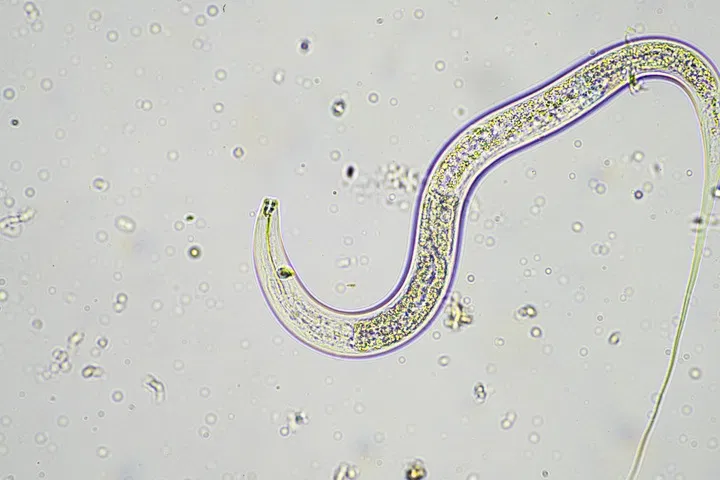
Many growers view beneficial nematodes as one of the single most effective biological controls available for handling cannabis fungus gnats.
Use BTI-Based Products
Bacillus thuringiensis israelensis (BTI) is a naturally occurring bacterium commonly used to control various types of insect larvae [11].
When applied correctly, BTI targets fungus gnat larvae within the growing medium while leaving plants unaffected. Because BTI focuses on the larval stage, it works best as part of a broader integrated pest management approach.
Improve Grow Room Hygiene
Good grow room sanitation can make a significant difference in the battle against cannabis fungus gnats. To minimise risk, growers should consider the following:
- Removing dead plant material promptly
- Cleaning runoff trays regularly
- Preventing standing water
- Disinfecting growing equipment between cycles
Reducing organic debris removes many of the resources fungus gnats depend on [7].
Related Article:How To Clean A Grow Tent
Improve Airflow
Better airflow in the grow room can help the surface of the growing medium dry more consistently between waterings. Oscillating fans and appropriate ventilation may help create conditions that are less favourable for fungus gnat reproduction.
Can Hydrogen Peroxide Kill Fungus Gnats?
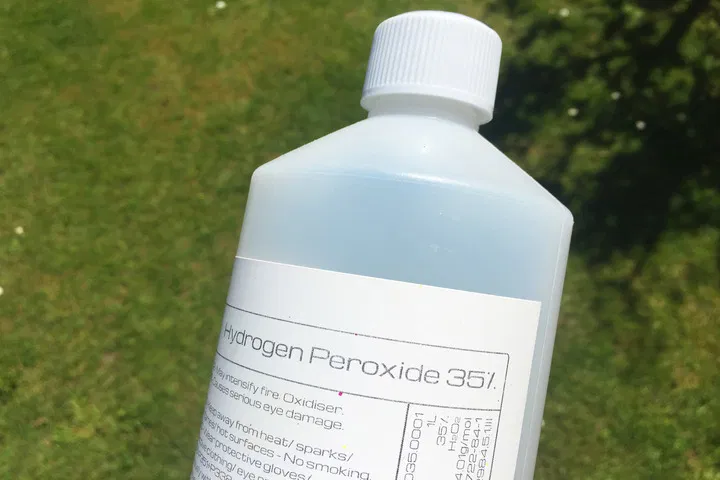
Hydrogen peroxide is sometimes used as a temporary control measure for fungus gnat larvae. When diluted appropriately and applied as a soak. it may help reduce larval populations by creating an inhospitable environment [12]. However, hydrogen peroxide should generally be viewed as a short-term intervention rather than a complete solution. It doesn't address adult populations and may affect beneficial microorganisms if overused.
For long-term control, addressing watering practices and targeting larvae directly usually produces more reliable results.
Common Cannabis Fungus Gnat Treatment Mistakes
Many growers struggle with recurring infestations because only part of the problem is addressed. Here are some of the mistakes growers should make sure to avoid:
Treating Adults Only
Eliminating the flying adult fungus gnats without targeting larvae allows the infestation to continue their work below the surface.
Continuing To Overwater
Even effective treatments can fail if growing conditions remain favourable for fungus gnat reproduction.
Ignoring Hygiene
Dead leaves, algae growth, and standing water can quickly undermine efforts to control outbreaks.
Stopping Treatment Too Early
Because cannabis fungus gnats exist in multiple life stages simultaneously, control measures often need to continue for several weeks to break the cycle completely [3].
Final Thoughts
Fungus gnats are a common challenge for cannabis growers, but the good news is that they're rarely unbeatable. The key is understanding their life cycle and focusing on the root cause rather than simply chasing flying adults around the room with a rolled-up magazine.
By improving watering practices, maintaing a clean growing environment, and targeting larvae where they live, growers can often bring infestations under control without major disruption. Early intervention remains the most effective strategy, helping plants maintain healthy root systems and continue growing with minimal stress.
Cannabis Fungus Gnat FAQs
Are fungus gnats harmful to cannabis plants?
Adult fungus gnats cause little direct damage, but their larvae can feed on roots and root hairs. Large infestations may slow plant growth, reduce nutrient uptake, and stress young cannabis plants.
How do I know if I have fungus gnats or fruit flies?
Fungus gnats usually stay close to pots and growing media, while fruit flies are more commonly found around ripening fruit and food waste. Fungus gnats also have longer legs and a mosquito-like appearance.
Will fungus gnats go away on their own?
Small populations may decline if growing conditions become less favourable, but established infestations rarely disappear completely without intervention. Addressing excess moisture is usually necessary.
What is the fastest way to get rid of fungus gnats in soil?
Combining yellw sticky traps with larval controls such as beneficial nematodes or BTI products is often one of the fastest and most effective approaches.
What causes cannabis fungus gnats?
Cannabis fungus gnats are usually attracted to consistently moist growing media, excess organic matter, poor drainage, and overwatering practices.
Can cannabis fungus gnats live in coco coir and hydroponic systems?
Yes. Fungus gnats can establish themselves in coco coir and some hydroponic environments if moisture, organic matter, and breeding conditions are present.
---------------------------------------------------------
References:
[1] University of California Integrated Pest Management (UC IPM) – Fungus Gnats
https://ipm.ucanr.edu/PMG/PESTNOTES/pn7448.html
[2] Cornell University College of Agriculture and Life Sciences – Fungus Gnat Biology and Management
https://ecommons.cornell.edu/items/4f1a0e95-bd92-4d66-8f8d-f6a9a7d1a9d0
[3] Michigan State University Extension – Managing Fungus Gnats in Greenhouses
https://www.canr.msu.edu/resources/fungus_gnat_control_in_greenhouse_crops
[4] Penn State Extension – Fungus Gnats and Shore Flies in Greenhouses
https://extension.psu.edu/fungus-gnats-and-shore-flies
[5] Royal Horticultural Society (RHS) – Fungus Gnats (Sciarid Flies)
https://www.rhs.org.uk/biodiversity/fungus-gnats
[6] University of Massachusetts Amherst Greenhouse Crops and Floriculture Program – Fungus Gnats
https://ag.umass.edu/greenhouse-floriculture/fact-sheets/fungus-gnats
[7] North Carolina State Extension – Greenhouse Sanitation Practices
https://content.ces.ncsu.edu/greenhouse-sanitation
[8] Ohio State University Extension – Managing Insects in Growing Media
https://u.osu.edu/greenhouse/
[9] University of Minnesota Extension – Using Sticky Traps for Monitoring Greenhouse Pests
https://extension.umn.edu/plant-diseases/monitoring-greenhouse-insects
[10] University of California Integrated Pest Management – Beneficial Nematodes
https://ipm.ucanr.edu/TOOLS/TURF/PESTS/beneficialnematodes.html
[11] United States Environmental Protection Agency – Bacillus thuringiensis israelensis (BTI) Fact Sheet
https://www.epa.gov/mosquitocontrol/bti-mosquito-control
[12] Washington State University Extension – Hydrogen Peroxide Use in Horticulture
https://s3.wp.wsu.edu/uploads/sites/2079/2014/02/Hydrogen-Peroxide.pdf