

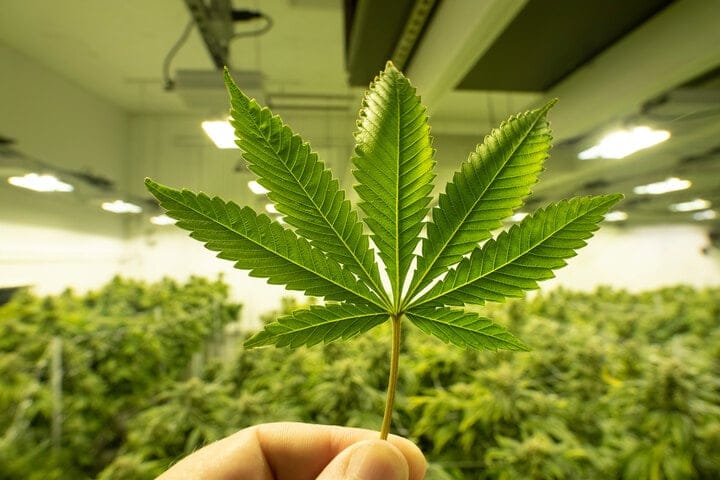
It’s Auto May at Seedsman, and that means there’s no better time to stock up on premium autoflowering cannabis genetics. Visit our promotions page for the latest and greatest deals on top-tier autoflowering seeds - strains you love from breeders you trust.
Growing cannabis plants is a bit like raising kids: every one of them has its own personality, some are taller than others, and there's always one that just wants to hog the light. Whether you’re grow cannabis in a closet, a tent, or the great outdoors, maximizing your plant’s potential often comes down to a few key strategies – one of which is defoliation.
If you’re working with autoflowering cannabis, you’ve probably wondered whether this technique is safe, helpful, or a one-way ticket to a stunted, scraggly harvest. After all – autoflowering cannabis plants have a shorter lifecycle and thus don’t have the necessary time to recover from certain plant stresses.
Let’s clear the air (and the canopy): can you defoliate autos? Should you defoliate autos? And can you do it without giving your plants a mid-life crisis?
What is Defoliation?
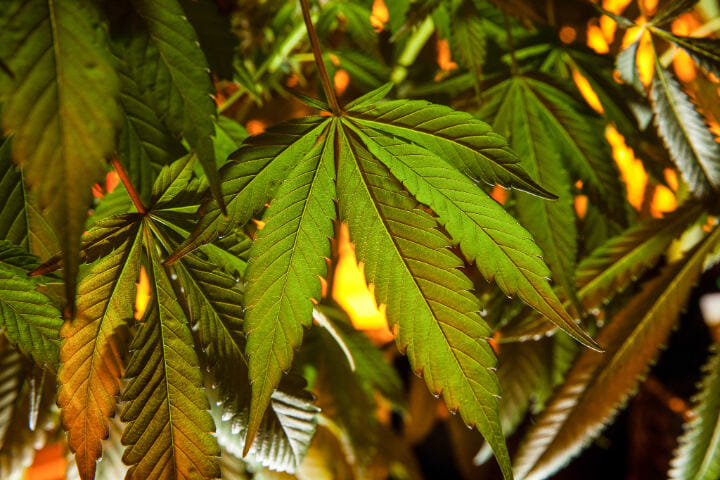
Defoliation is a controlled form of leaf removal, usually targeting the fan leaves – those big solar panels that look like they’re ready to take flight. The goal is to open up the plant to more light and airflow, especially by removing lower leaves that receive less light and do not significantly contribute to bud development. This can help improve light penetration and airflow, and sometimes, encourage the plant to stop being so lazy about its lower buds.
In theory, fewer leaves mean less energy spent on maintenance and more directed toward bud production. In practice, it’s something of a delicate operation. For photoperiods plants, you’ve got time to recover if you mess up. But with autos? You’re on a timer, and that timer is ticking from day one.
Benefits of Defoliation for Cannabis Plants
Defoliation is a technique used to improve light penetration and airflow within the plant canopy, promoting healthy growth and development. By removing unnecessary foliage, you help redirect the plant’s energy towards bud production, resulting in bigger and more potent buds. This is particularly beneficial for autoflowering cannabis plants, which have a rapid growth cycle and smaller size.
Defoliation can also help prevent pest and disease issues by reducing moisture and increasing air circulation around the plant. This is especially important in dense canopies where stagnant air can lead to mold and mildew. Improved light exposure and airflow not only enhance overall plant health but also contribute to increased yields.
For autoflowering cannabis plants, the benefits of defoliation include improved light exposure, increased yields, and enhanced overall plant health. However, due to their shorter growth cycle, a nuanced approach is necessary. Defoliation can be tailored to address specific issues, such as reducing stress or promoting flowering, and can be adjusted to the individual needs of the plant.
Can You Defoliate Autoflowers?
Yes – you can defoliate autoflowers. But just because you can doesn’t always mean you should. Autoflowers have a fast, fixed schedule – often just 10-12 weeks from seed to harvest. That leaves a narrow window for them to grow, bloom, and party before the lights go out. Stress your autoflowers out at the wrong time, and you might end up with a decidedly lacklustre yield. This is a different question to "should you top autoflowers?", which is an altogether more perilous task.
That said, when done correctly, light, thoughtful defoliation can help you make the most of your limited grow space, improve bud quality, and keep your plants healthier. However, excessive defoliation can hinder the plant's ability to photosynthesize and produce energy, which is critical for its growth and development.
Introduction to Autoflowering Cannabis Plants
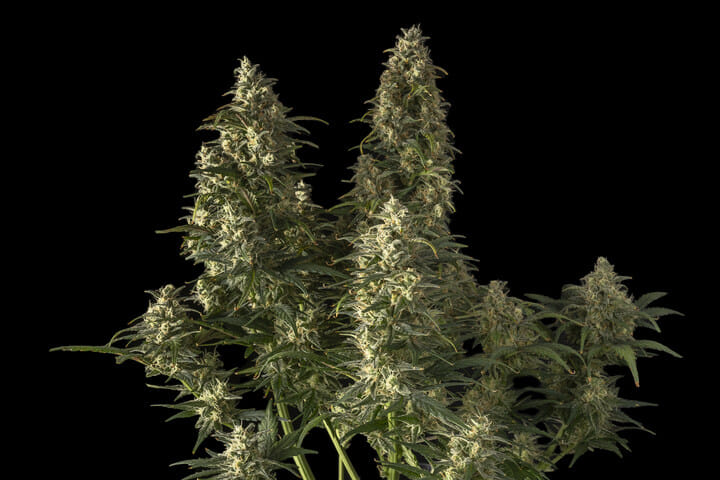
Autoflowering cannabis plants have become increasingly popular among growers due to their unique characteristics and advantages. Unlike photoperiod strains, which rely on light cycles to transition from the vegetative stage to the flowering stage, autoflowering cannabis plants make this switch automatically. This means you don’t have to worry about adjusting light schedules – they’ll flower on their own.
See Also:What Does Autoflower Mean?
These plants are generally smaller in size and have a shorter growth period compared to their photoperiod counterparts. This makes them ideal for growers with limited space or those who are just starting out. Their compact size and low maintenance requirements also make them perfect for discreet cultivation.
Understanding the life cycle and growth patterns of autoflowering cannabis plants is crucial for effective pruning and defoliation techniques. Because they grow and flower so quickly, any stress can have a more significant impact. Therefore, defoliation and pruning should be done gently to avoid stressing the plant and to promote healthy growth. Knowing when and how to defoliate autoflowers requires a thorough understanding of their growth stages and specific traits.
Should You Defoliate Autoflowers?
This is where things get a little nuanced. Should you defoliate autoflowers? Maybe. But it depends on the following:
The strain (some are naturally airy and don’t need much pruning)
The grow environment (tight spaces and high humidity often benefit from more airflow)
The plant’s overall health and vigor, considering that reduced foliage impacts the plant's water usage and nutrient needs. Care should be taken to avoid overwatering due to the slower water uptake resulting from the reduction in foliage.
Then there's your own ability to resist the urge to play about with the plants.
Done correctly, defoliation can:
Improve light penetration to lower bud sites
Enhance airflow, reducing risks of mold, mildew, and uninvited fungal guests
Help redirect energy to buds, rather than overgrown foliage
But here’s the catch: autoflowers don’t bounce back from stress like photoperiod plants do. One wrong snip and your plant might sulk its way through flowering. So treat every cut as though your plant's life depends upon it - because it actually just might.
When Should You Defoliate Autoflowers?
Timing is everything. Defoliate too early and you’re removing critical solar panels before they’ve finished charging. Defoliate too late, and your plant’s already invested in those leaves and won’t forgive you for the betrayal. Defoliating during the early flowering stage, however, can help the plant recover and focus energy on bud production, ensuring a better yield.
Best Times to Defoliate Autoflowers
Late Veg (weeks 2.5-3.5)
At this stage, the plant is just getting its feet under it. A few gentle snips can help open up the canopy and give lower bud sites a chance to shine.
Early Flower (weeks 4-5)
Once pistils are showing, you’re entering the ‘act with caution’ zone. Some light defoliation here is fine – just enough to improve light and air penetration. Focus on removing lower branches and foliage while leaving the upper part of the plant intact. This promotes larger bud development and enhances energy concentration towards the topmost buds. If you find yourself holding a fistful of leaves at the end, you’ve probably gone too far,
Avoid Late Flowering (week 6+)
By this point, your plant is laser-focused on bud production. Interrupting that process is most likely going to end in disaster for your yield.
How To Safely Defoliate Autoflowers
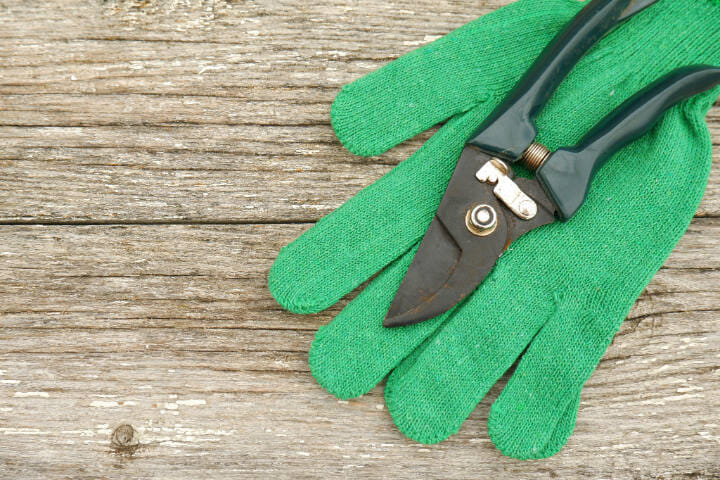
If you’ve decided to go ahead and defoliate your auto, here’s how to do it like a pro:
Step 1: Assemble Your Tools
Use clean, sharp scissors or pruning shears. Sterilize them with isopropyl alcohol before use. Clean tools help prevent infection or disease transmission between plants.
Step 2: Assess The Situation
Only defoliate plants that are clearly healthy and growing vigorously. If your auto is small, stunted, or struggling with nutrients, defoliation may only compound the problem and hinder the plant's potential for yield.
Be strategic. You’re not just cleaning up; you’re sculpting airflow and sunlight pathways.
Step 3: Start Low and Go Slow
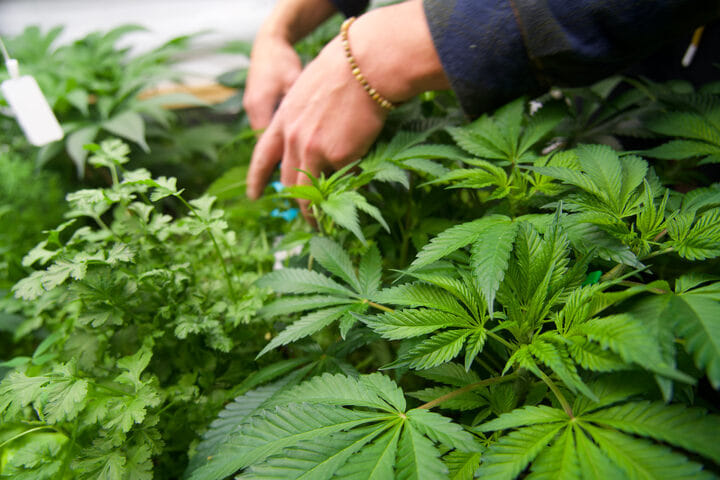
Begin with the bottom fan leaves, especially those that aren’t getting light. These are often just draining energy without giving anything back. Managing the lower canopy by removing these leaves can significantly improve light penetration and airflow, enhancing overall plant health and productivity.
Then, carefully work your way up, removing large fan leaves that are directly shading bud sites. If tucking or training the leaf works instead of cutting it, even better – this is a much lower-stress method. Move to the interior of the plant, gently thinning leaves that create excessive density. You want to open the plant up, allowing light and air to move through freely.
Step 4: The 10-20% Rule
Never remove more than 10-20% of the plant’s foliage in one go. This isn’t a buzzcut – it's more like a delicate trim, a maintenance operation at best. You can always come back and defoliate a little more later, but you can’t un-snip what’s already been removed, so exercise caution and think “less is more”. It’s often better to defoliate lightly across several days than to perform one aggressive pruning event.
Step 5: Observe and React
After defoliation, keep a close eye on your plants for 2-3 days. Managing the plant's energy is crucial for optimal growth and recovery. If growth continues without signs of stress, you may perform a second light defoliation session – but only if needed. If your plants start to show signs of drooping, yellowing, or leaf curl, you may have gone too hard. Either way, give it a few days of consistent light, proper airflow, and loving care.
See Also: A Guide To Cannabis Defoliation
Post-Defoliation Care

After defoliating autoflowering cannabis plants, it’s essential to provide proper care to ensure the plant recovers quickly and continues to thrive. Monitor the plant closely for signs of stress, such as yellowing leaves or reduced growth, and adjust the care routine as needed. Providing optimal growing conditions, including adequate light, water, and nutrients, is crucial to support the plant’s recovery and continued growth.
See Also:Why Your Autoflowering Leaves Are Turning Yellow
Avoid over-watering, which can exacerbate stress and lead to root rot and other problems. Maintain good air circulation around the plant to prevent moisture buildup and reduce the risk of pest and disease issues. Consider adjusting the nutrient regimen to provide additional support during the recovery period, taking care not to over-fertilize. Keep the growing area clean and tidy, removing any debris or dead plant material to prevent the spread of disease.
By providing proper post-defoliation care, growers can help their autoflowering cannabis plants recover quickly and continue to produce healthy, potent buds. This attention to detail ensures that the plants remain stress-free and can maximize their growth potential, leading to a successful and bountiful harvest.
Defoliation Tips and Tricks
Pair defoliation with LST (low-stress training) to shape the canopy more naturally. Bending branches outward can often achieve more than scissors alone.
Additionally, the leaf tuck technique can be a beneficial alternative to defoliation. This method involves tucking fan leaves under branches to improve resource penetration without inducing the stress associated with trimming, particularly when managing autoflowers in both indoor and outdoor settings.
Strain Matters
Some autoflowers take defoliation better than others while others respond poorly. Sativa-dominant autos often grow taller and airier, requiring less defoliation, while indica-dominant autos tend to get bushy and may benefit more from thinning. Consider your strain’s make-up before you employ defoliation tactics.
Let Humidity and Airflow Guide You
In damp climates or packed grow tents, defoliation may be essential to prevent fungal outbreaks. For indoor plants, which typically face fewer pest pressures, this practice can be influenced by the controlled environment. In dry, breezy setups, you may be able to skip it altogether, cutting out any potential risk to your plants’ wellbeing.
Avoid Unnecessary Pruning
Every leaf contributes to the plant’s energy cycle. If your plant is growing well and airflow seems adequate, defoliation may be unnecessary. It is crucial to avoid defoliating without a good reason, as doing so can stress the plant, especially during sensitive stages like flowering, and reduce yield.
Avoid Pruning Sugar Leaves
These are the little leaves nestled in your buds – they're essential for trichome production and shouldn’t be touched unless diseased or dead.
Final Thoughts: Can You Defoliate Autoflowers?
Can you defoliate autoflowers? Yes. Should you defoliate autoflowers? That one has some caveats to it, and as we’ve discussed, it depends on some important factors. Defoliation is neither essential nor inherently harmful – it’s a tool, and like any tool, it works best when used thoughtfully. Autoflowering cannabis plants can be defoliated, but the success of this technique depends entirely on how, when and why it’s done.
Light, strategic defoliation performed at the right time can enhance airflow, improve light exposure, and contribute to more even bud development. However, aggressive or poorly-timed pruning can stunt growth, reduce yields, and do more harm than good. The key is to evaluate each plant individually, make small changes, and always observe how your plant responds before continuing.
If you’re growing for quality and consistency, rather than experimentation, err on the side of caution. A healthy, stress-free plant will often outperform one that’s been over-managed. But for those willing to master the nuances of their strain and grow setup, the versatility of defoliation makes it a valuable part of the autoflower grower’s playbook.


