
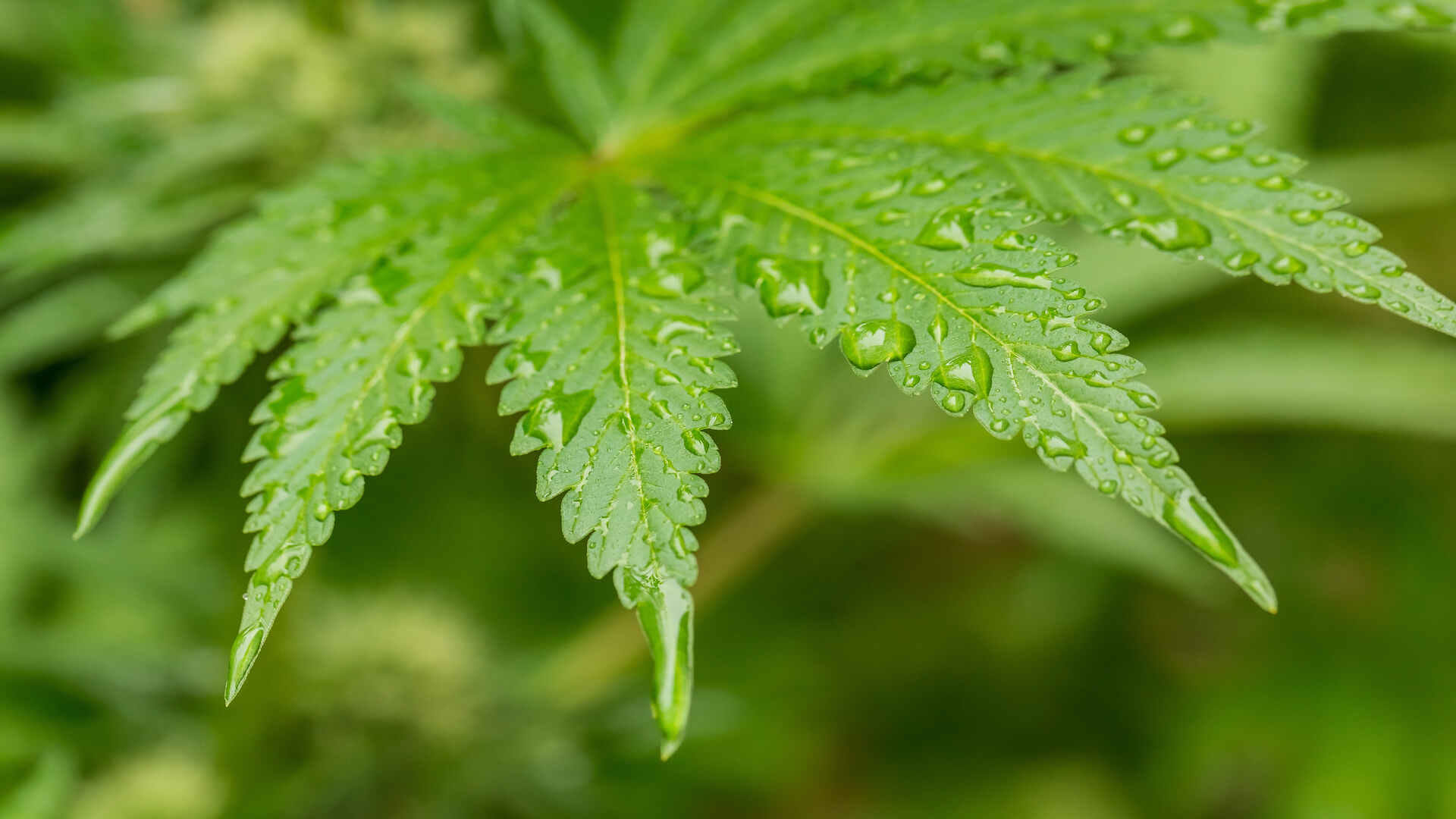

Outdoor growing seasons don't always arrive gently. Some begin slowly, with cool mornings and hesitant light. Others shift without warning - long, bright days giving way to sudden rain just as plants begin to find their stride.
For outdoor growers, this kind of variability isn't unusual. It's part of the rhythm. A season shaped by change asks for a different kind of preparation - one that starts not with control, but with understanding. Because while the weather can't be controlled, the genetics you choose can determine how well your grow responds to it.
Growing In An Ever-Changing Climate

Outdoor cultivation in temperate, changeable climates follows a familiar pattern. Early progress can feel slow, momentum builds through the middle of the season, and by late summer, conditions begin to tighten again. Across that window, growers often encounter:
- Cool, inconsistent starts in spring
- Periods of steady rainfall and rising humidity
- Warm, occasionally intense summer days
- Increasing moisture as plants approach maturity
- A narrowing window to finish before condtitions turn
None of these factors are unusual on their own. It's the way they overlap - and sometimes arrive all at once - that defines the challenge.
This is where the right genetics make a difference.
What Makes A Strain Built For The Elements?

Not all cannabis strains are shaped for variability. Some perform best under stable, controlled conditions. Others are more forgiving, able to adapt as the environment shifts around them. Understanding that difference can be what separates a smooth season from a difficult one.
Adaptability over perfection
The most reliable outdoor strains aren't necessarily the most specialised. They're the ones that maintain steady development even when conditions fluctuate. They handle cooler starts, variable light, and uneven weather without stalling.
Comfort in Moisture and Humidity
Late-season conditions often bring increased moisture. Strains that perform well here tend to show:
- More open bud structures that allow airflow
- Balanced growth that avoids excessive density
- Natural resilience in damp, humid environments.
Rather than resisting moisture outright, these plants are simply better suited to it.
Finishing Before the Season Turns
As the season progresses, timing becomes critical. Strains with shorter flowering periods reduce exposure to late-stage moisture and cooler conditions.
A slightly earlier finish can make a meaningful difference - not only to yield, but to overall bud quality.
Strength in Structure
Outdoor plants face more challenges than just the change in weather. Wind exposure, rain weight, and rapid growth all place phsyical demands on plant structure. Knowing how to protect outdoor cannabis plants from extreme weather is important - but some strains have an advantage.
Strains with strong branching and balanced growth are better equipped to handle:
- Sudden gusts
- Heavy rainfall
- The weight of developing flowers
This kind of resilience often goes unnoticed until it's needed.
Tolerance Across Temperature Swings
Cool nights followed by warmer days are common in many outdoor seasons. Genetics that can operate comfortably across that range tend to maintain more consistent growth, avoiding the stress that can come with abrupt shifts.
Autoflower vs Photoperiod: A Question of Timing
When choosing seeds, there's the choice of autoflowers vs photoperiod strains. Both have a place outdoors, but they serve different approaches.
Photoperiod varieties typically provide:
- Larger potential yields
- More control over plant size and development
- Strong performance when the season holds steady

Autoflowering varieties offer:
- Faster life cycles
- Greater flexibility in planting time
- The ability to finish before late-season conditions arrive
- A decent base level of resilience, thanks to ruderalis genetics

Choosing between them often comes down to how much certainty the season offers - and how much flexibility you want in return. From a yield perspective, some modern autoflowers are closing the gap on photoperiods - but photoperiods generally still lead the way. In locations with long, reliable summers, some growers are able to reap multiple harvests using autoflowers.
Related Article: Why You Should Grow Autoflowers
Working With the Season, Not Against It
Rather than looking at the grow as a single stretch of time, it helps to think of it as a progression - one that changes pace as conditions evolve.
Early Season: Establishment (April-May)

Growth begins gradually. Soil temperatures are lower, daylight is increasing, and plants focus on establishing roots and structure.
At this stage, steady, resilient genetics matter more than speed. A strong start here sets the tone for everything that follows.
Mid Season: Expansion (June-July)

With longer days and increased light intensity, growth accelerates. Plants gain size, structure strengthens, and momentum begins to build.
Conditions can be generous - but not always predictable. Period of warmth may be interupted by rain or wind, making balanced, adaptable growth key.
Late Season: Completion (August-October)

This is where pressure typically builds for growers. Moisture levels often rise now, daylight begins to shorten again, and the margin for error is narrowing.
Bud structure, airflow, and finishing time all come into focus. Strains that carry too much density or require extended flowering can struggle here, or at the very least, require additional management and care. Meanwhile, those varieties that finish cleanly and efficiently tend to stand out.
Strains That Match the Conditions
With all of this in mind, certain types of cannabis genetics naturally lend themselves to outdoor success in variable climates. Rather than focusing on a single 'best' option, it's more useful to match strains to the conditions you're most likely to face. This is where understanding local climate and weather patterns through the growing season is key. Conducting a little research ahead of time makes it easier to navigate the wealth of options at your fingertips.
For Faster Finishes Before Conditions Turn
Strains in this category are defined by efficiency. They move through flowering with purpose, reducing exposure to late-season moisture and cooler temperatures.





For Humid, Moisture-Prone Conditions
These genetics tend to favour airflow and balance over density, making them better suited to environments where damp conditions are part of the season.
Explore Seedsman Jelly Cake





For Cool, Dry Conditions
Steady growth and temperature tolerance define these strains. They maintain development in coller air and don't rely on humidity to perfrom, making them well-suited to drier, slower-moving periods.


For Hot Summers
Heat tolerance and balanced growth define these strains. They continue developing through higher temperatures without excessive stress, maintaining structure and stability during intense periods of sun.


A More Considered Approach to Outdoor Growing
No two seasons unfold in the exactly the same way. Some offer long, stable stretches of ideal conditions. Others require a more measured approach, where adaptability matters as much as ambition.
Choosing the right strain isn't about chasing perfection. It's about recognising the conditions you're likely to face, and selecting genetics that can meet them with confidence. When that alignment is in place, the process feels different. Less reactive. More intuitive. And ultimately, more rewarding for it.