

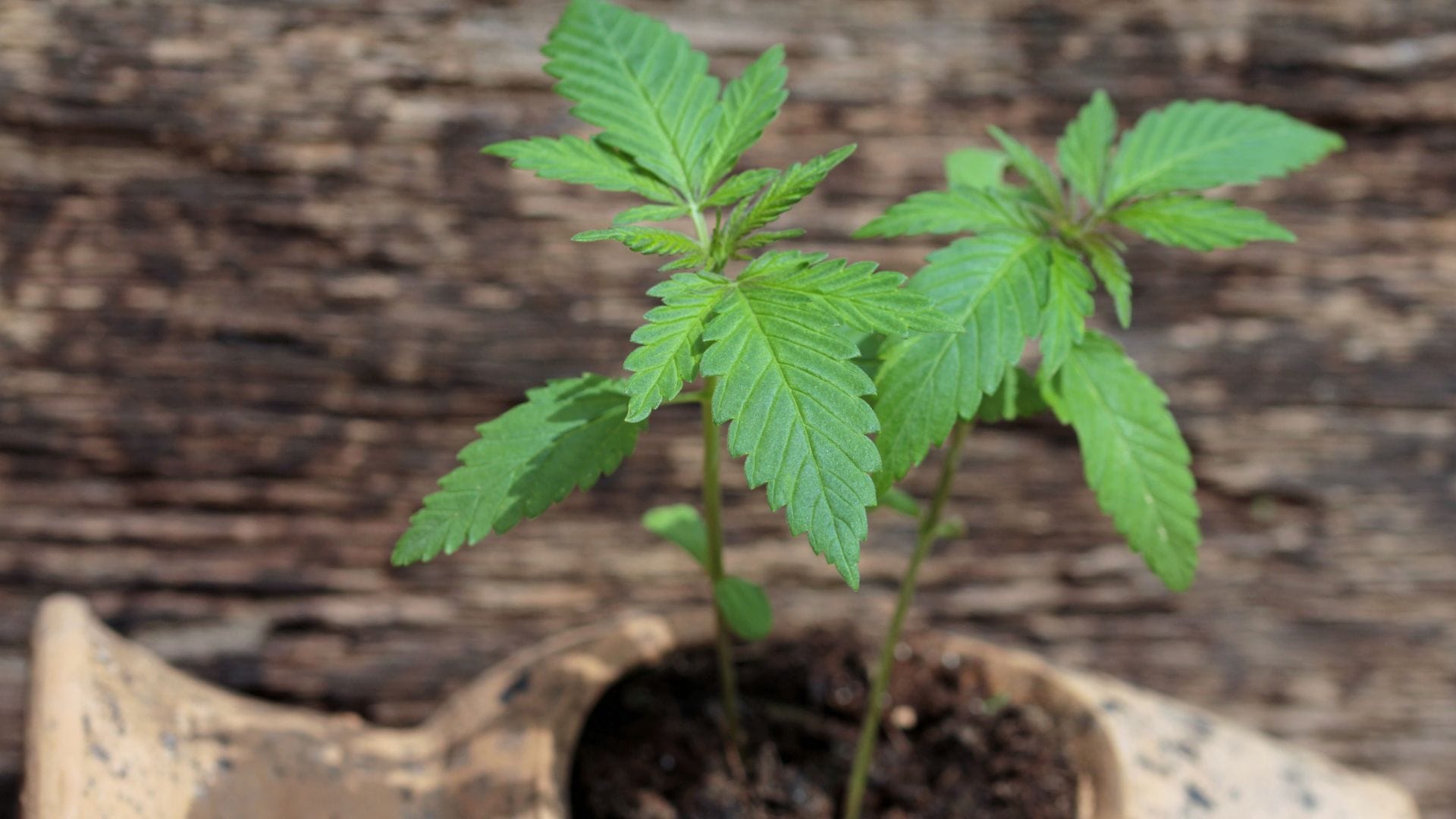
The proper nourishment of soil is the cornerstone of successful cannabis growth, robust yields, and potent, aromatic buds. Growers should, therefore, be taking great care to ensure nutrient delivery is on point. In this comprehensive guide, we will delve even deeper into the intricacies of nutrient-rich soil for thriving cannabis cultivation, incorporating additional content and scientific insights to bolster your expertise. Understanding the importance of nutrient balance, exploring advanced delivery methods, and harnessing the power of beneficial microorganisms are all key components in how you feed your plants for successful growth.
While general guidelines will be provided, tailoring nutrient delivery to your specific strain and environment is essential for achieving the best results. Some strains are more nute-hungry than others, and some strains get by on significantly lower amounts of nutrients. Underfeed your plants, and you hinder growth. Overfeed them, and you risk nutrient burn, yellowing leaves, and other issues. So, let's get a deeper understanding of this art and grow cannabis that stands above the rest.
Understanding The Essential Nutrients
To grasp the significance of nutrient delivery, let's delve into the fundamental elements that cannabis plants depend upon for optimal growth. Extensive research and scientific studies have shed light on the vital macronutrients and micronutrients necessary for their development:
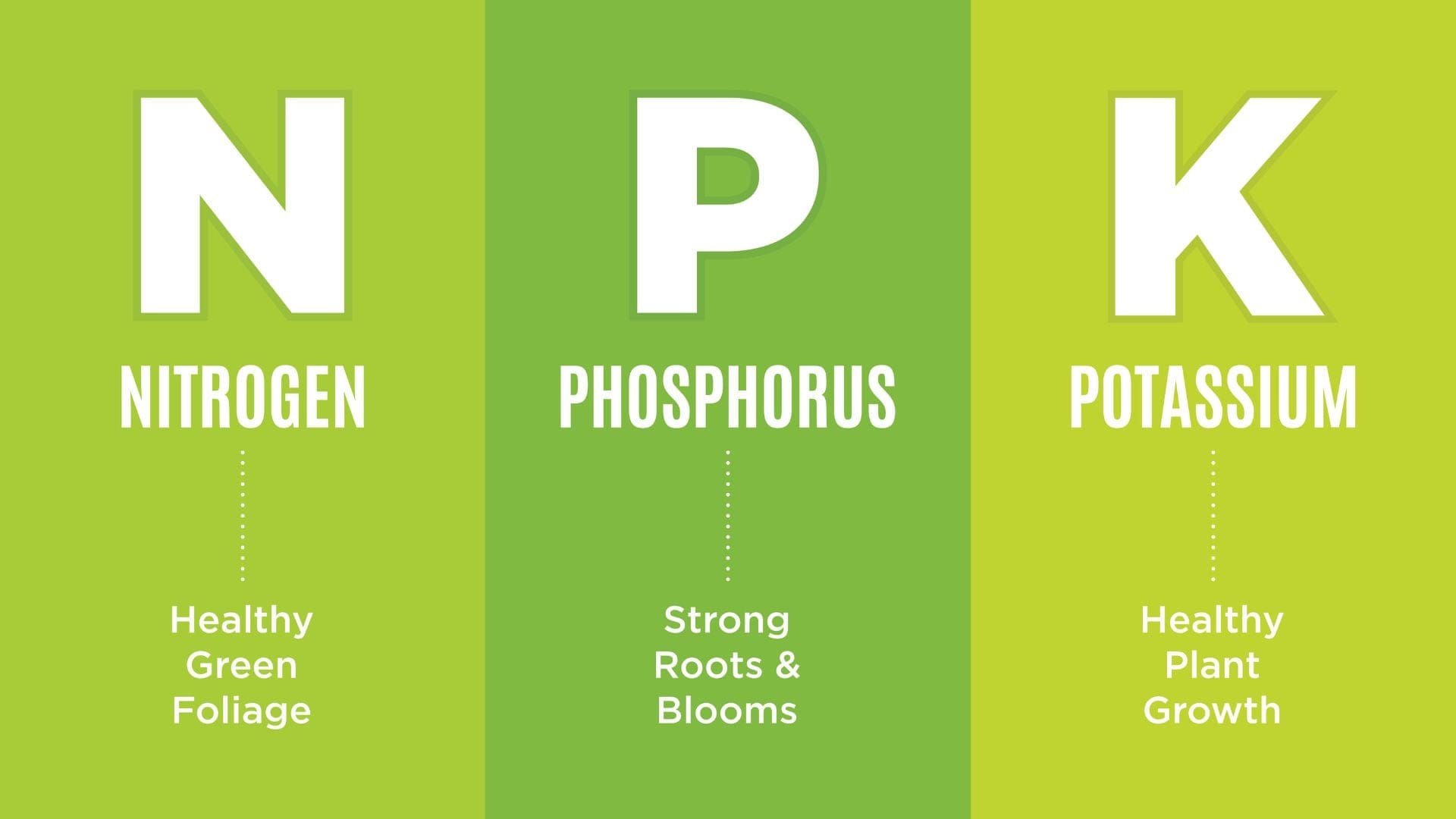
Macronutrients (NPK):
Nitrogen (N): As the key building block for proteins, nitrogen plays a crucial role in promoting leaf and stem development, essential for robust vegetative growth.
Phosphorus (P): Essential for energy transfer, phosphorus aids in root development, flowering, and the production of abundant, high-quality buds.
Potassium (K): Known as the "flower nutrient," potassium contributes to overall plant health, bolstering disease and pest resistance while promoting healthy bud development.
Micronutrients:
Calcium (Ca): Regulating cell wall structure and nutrient uptake, calcium is integral to plant strength and resilience.
Magnesium (Mg): An essential component of chlorophyll, magnesium is crucial for photosynthesis, leaf health, and vibrant green foliage.
Iron (Fe): Required for enzyme functions and chlorophyll synthesis, iron prevents leaf yellowing and ensures robust growth.
The array of micronutrients you can feed your cannabis plants is not limited to these; there are significantly more options you can employ to bolster your plants, such as molybdenum, manganese, boron, and more – so much so that it can be a complete minefield if you’re a newcomer to growing cannabis. We’ve kept it relatively simple for now.
The Delicate Balance Of Nutrient Ratios
As experienced cannabis cultivators know, achieving the perfect nutrient balance in soil is akin to a chef creating a perfect menu. Each element plays a crucial role in supporting various stages of plant growth, and like the chef, knowing when to add a pinch extra or a teaspoon less can make or break the end result. The correct balance of macronutrients and micronutrients ensures optimal nutrient uptake, minimising the risk of nutrient deficiencies or toxicities. However, it’s important to note that nutrient ratios might differ depending on the soil type, pH levels, and strains being cultivated.
Cannabis Soil pH: An Often Overlooked Factor
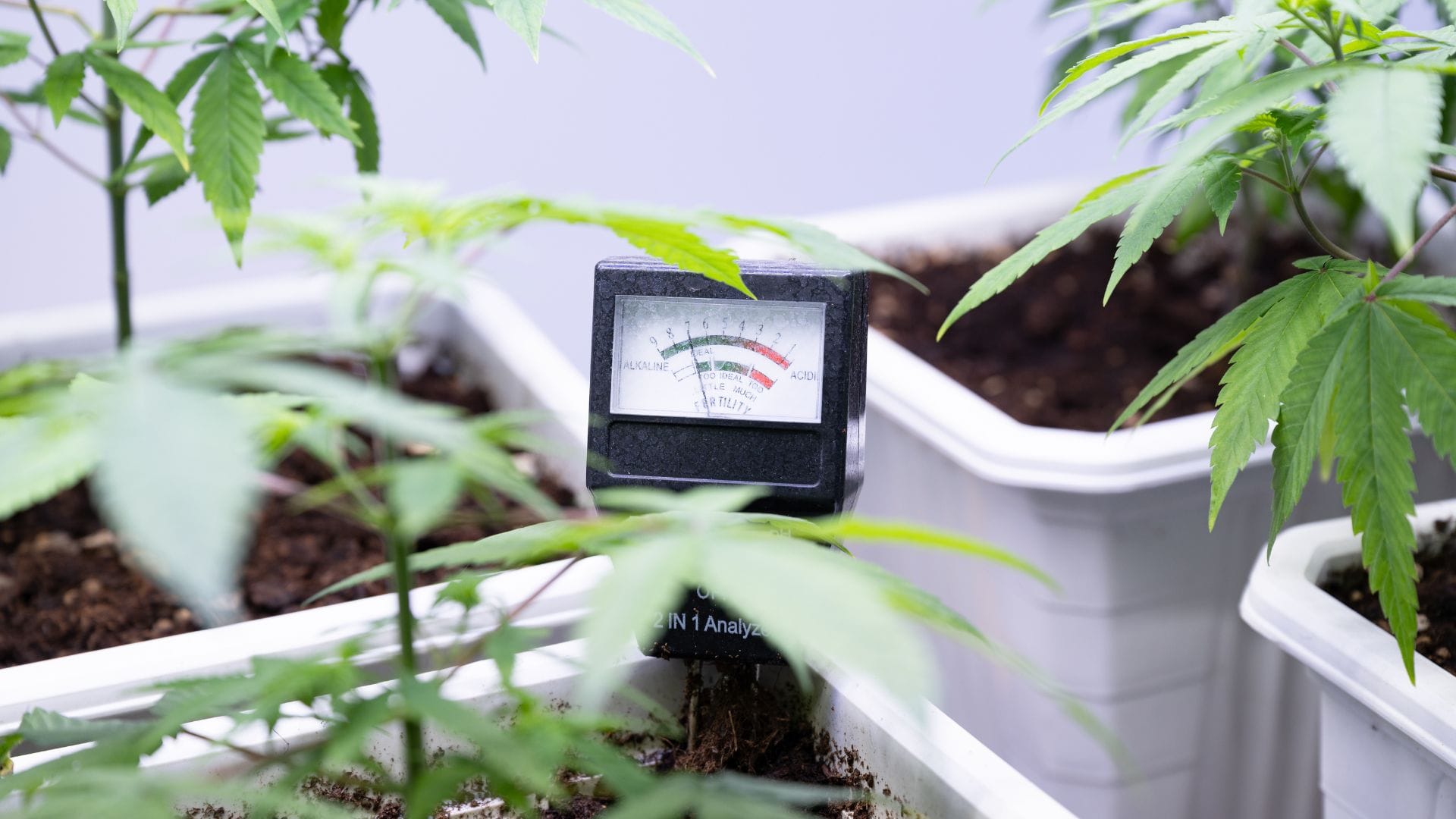
The pH level of the soil profoundly influences nutrient availability to your cannabis plants. A pH range of 6.0 to 6.8 is generally considered ideal for cannabis cultivation, as it allows for optimal nutrient absorption and microbial activity. Maintaining the correct pH balance ensures that nutrients remain in a form easily accessible to the plants, maximizing their growth potential. Regularly testing and adjusting the pH of your soil will guarantee that your cannabis plants receive the nutrients they need in the right proportions. Have a pH meter, and use it often.
Harnessing The Power Of Beneficial Microorganisms
The health of cannabis soil relies heavily on the invisible allies working beneath the surface - beneficial microorganisms. Mycorrhizal fungi, beneficial bacteria, and other microorganisms form symbiotic relationships with cannabis roots, enhancing nutrient absorption, improving soil structure, and suppressing harmful pathogens. Using organic amendments and avoiding harmful chemical pesticides allows these microorganisms to flourish, creating a thriving soil ecosystem that nurtures your cannabis plants from within.
Composting: Nature's Soil Amendment
Composting stands as a cornerstone of organic cannabis cultivation. By recycling organic waste and kitchen scraps, you can create a nutrient-rich compost that benefits your cannabis soil in numerous ways. Compost introduces a wealth of beneficial microorganisms, increases soil fertility, and improves water retention. Furthermore, the slow-release nature of composted nutrients ensures a steady supply of essential elements to your plants throughout their lifecycle. Who would have thought one of your most powerful allies in the quest for better cannabis was lurking in your kitchen waste bin?

The Impact Of Environmental Factors On Nutrient Needs
Beyond strain-specific nutrient requirements, environmental factors significantly influence the nutrient needs of cannabis plants. Light intensity, temperature, humidity levels, and air circulation all play a role in plant nutrient uptake and overall growth. Adapting your nutrient delivery strategy to these conditions ensures optimal plant health and can guard against potential nutrient imbalances caused by fluctuations in the growing environment.
Cannabis Nutrient Needs During Each Stage Of The Lifecycle
To effectively nurture your cannabis plants, it is crucial to understand their evolving nutrient requirements throughout their lifecycle. Let's explore the distinct stages of growth and the corresponding plant needs:
Seedling Stage: You won’t need to start feeding your cannabis seedlings until they’re around 3-4 weeks old. During this initial phase, prioritize root development and establish a strong foundation. Provide a light feeding regimen rich in nitrogen, phosphorus and potassium, promoting vigorous root growth and overall plant vitality. Typically, nitrogen ratios will be double that of phosphorus until late veg.

Vegetative Stage: As your cannabis plants transition into the vegetative phase, they demand higher nitrogen levels to facilitate lush foliage growth. A well-balanced nutrient regimen, incorporating nitrogen alongside phosphorus and potassium, supports healthy leaf development and plant vigour.
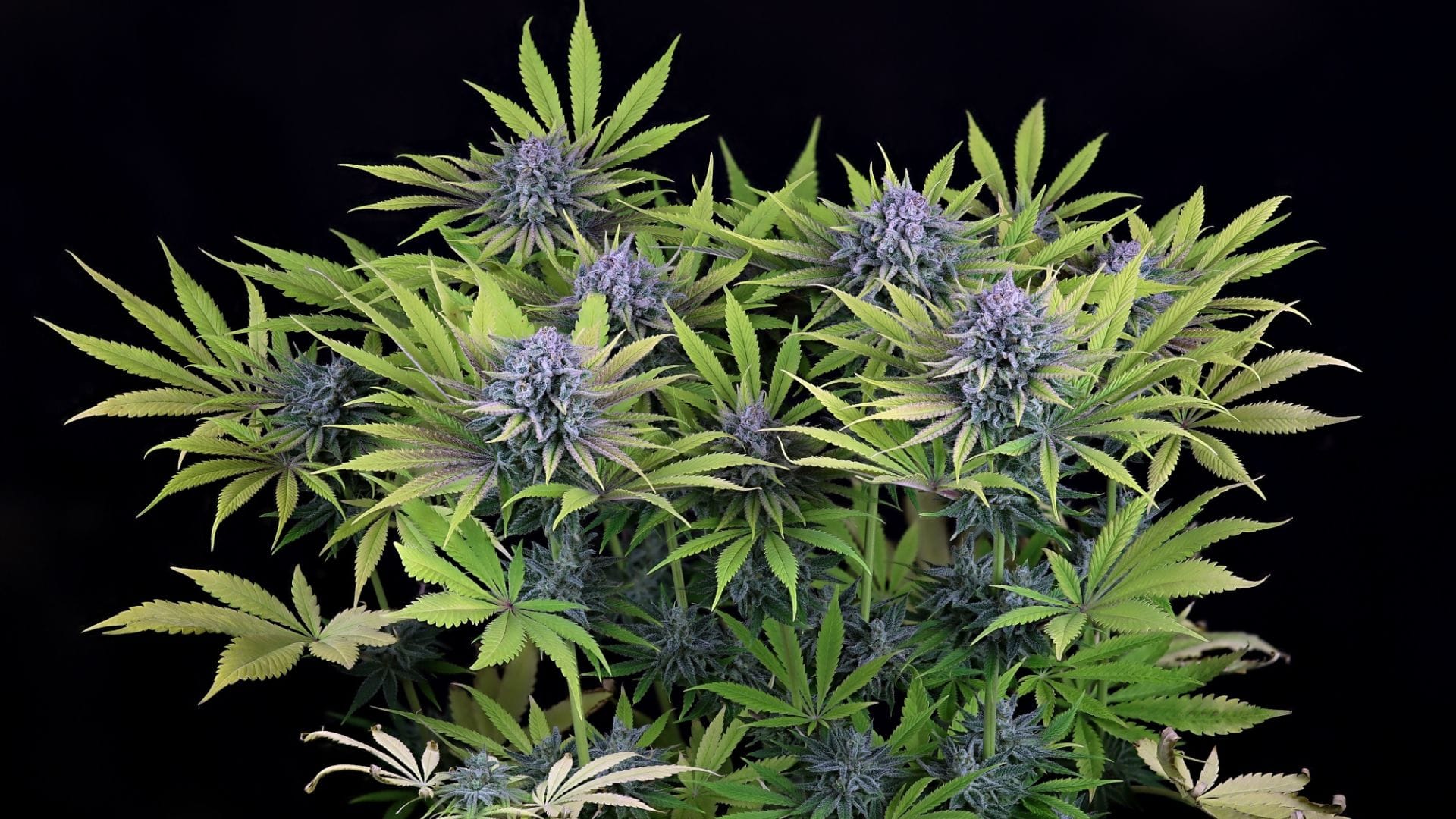
Flowering Stage: With the onset of the flowering stage, adjusting the nutrient composition becomes crucial. Cannabis plants thrive on higher levels of phosphorus and potassium to encourage abundant bud development, resin production, and overall flower quality. Gradually reduce nitrogen levels to limit excess foliage growth and focus the plant's energy on blooming.
Suggested Feeding Regimens:
Before we go any further, it’s important to consider some caveats. First, do your research, and if you can, learn about the specific nutrient needs of the strain that you’re growing. As previously specified, there aren’t hard and fast rules for what each strain of cannabis needs to optimize growth. Check the website of your seedbank for strain-specific nutrient info before commencing nutrient delivery.
Secondly, it’s best to follow the manufacturer of your nutrients’ instructions. You will find their recommended feeding schedule on the packaging, and following that is your best bet.
To aid your nutrient delivery endeavors, consider the following feeding regimens, tailored to different stages of the cannabis plant's lifecycle:
Early Growth Regimen:
Seedling Stage (Week 1-2): Introduce a light nutrient solution with a ratio of 2:1:1 (N:P:K) to establish robust root development.
Vegetative Stage (Week 3-4): Transition to a balanced nutrient solution with a ratio of 3:1:2 (N:P:K) to promote vigorous foliage growth.
Flowering Stage (Week 5-6): Gradually shift to a bloom-specific nutrient solution with a ratio of 1:3:4 (N:P:K) to optimize flowering and bud formation.
The art of nutrient delivery in cannabis cultivation can be intimidating to a beginner, seemingly requiring a deep understanding of nutrient balance, soil pH, and innovative delivery systems to ensure healthy plants. Embracing the power of beneficial microorganisms, composting, and adapting feeding regimens to environmental conditions can lead to extraordinary growth and abundant yields.
With the knowledge gained from this extended guide, you can embark on a rewarding journey of cannabis cultivation, nurturing your cannabis plants to flourish with vitality and potency. Happy growing!


