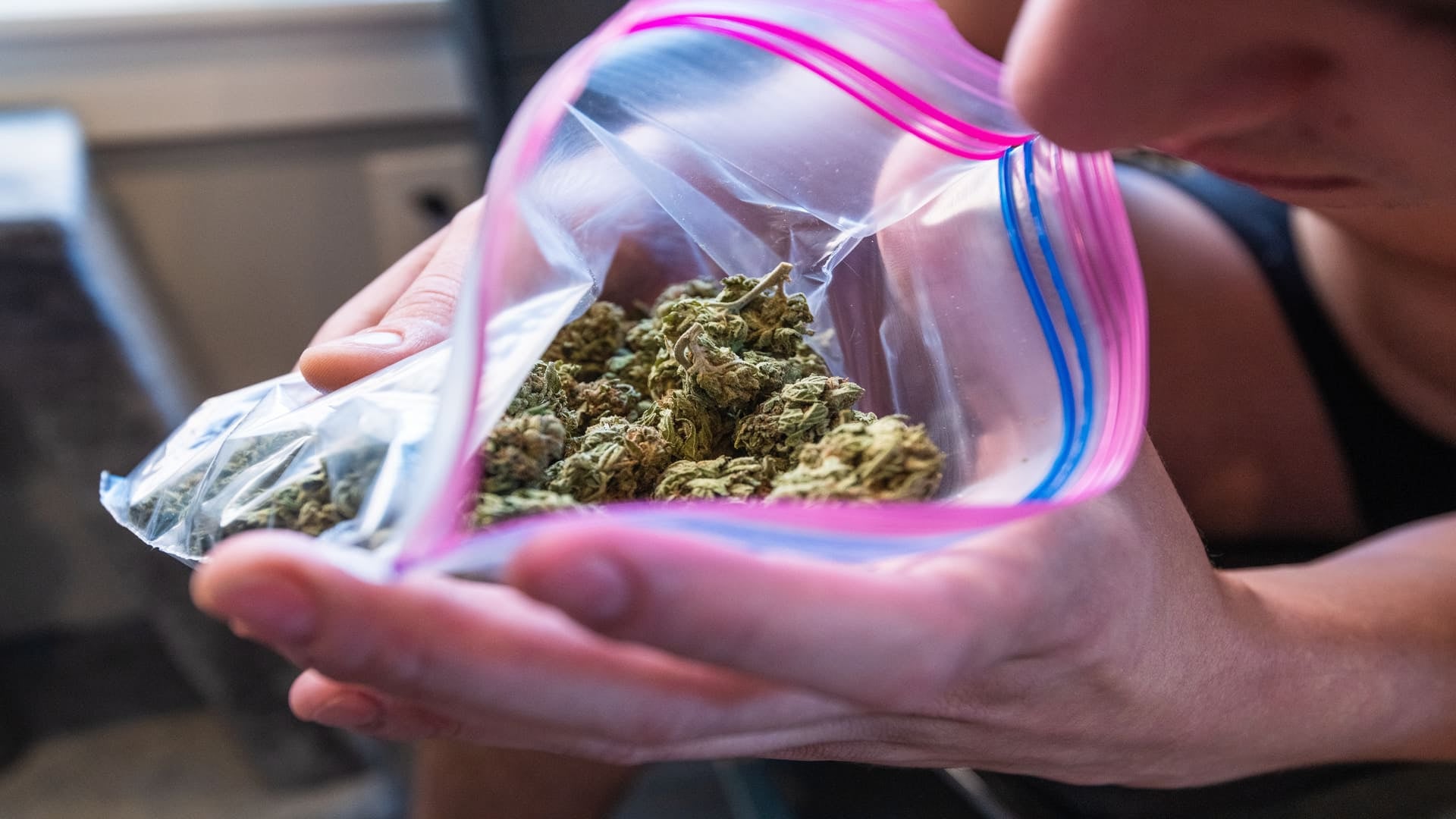

If you’ve been around weed long enough, you’ve probably smelled the unwanted hay scent and wondered what separates bland flower from cannabis so loud you can smell it before you even open the bag. Understanding how to grow cannabis for better flavor starts with understanding where those powerful aromas actually come from, and it is much more complicated than simply increasing terpenes.
Genetics establishes the chemical potential of the plant, while cultivation influences how that potential is expressed. Light, nutrition, water availability, microbes, plant hormones, harvest maturity, and postharvest handling can all influence secondary metabolism. Increasingly, research also shows that cannabis aroma is much more complex than the total terpene percentage printed on a certificate of analysis.
Key Takeaways
| At a glance | Summary |
| Genetics establish flavor potential | Genetics primarily determine a cultivars potential for aroma and flavor. |
| Terpene percentages don't tell the whole story | Other volatile compounds also shape cannabis aroma and flavor. |
| Microbes influence plant chemistry | Beneficial microbes can influence terpene production. |
| Stress isn't automatically beneficial | Excessive stress can harm plant healthy and production. |
| Balanced nutrition matters | More fertilizer doesn't necessarily mean more flavor.. |
| Harvest timing affects aroma | Maturity influences aromatic compounds development. |
| Postharvest handling affects flavor | Controlled drying, curing, and appropriate storage help protect volatile compounds |
Cannabis Flavor Is More Than Terpenes
For years, growers have treated terpene content as the benchmark for how flavorful or aromatic cannabis will be, but the chemistry behind what we smell is far more complex. Terpenes such as myrcene, limonene, β-caryophyllene, pinene, and terpinolene certainly contribute recognizable aromas, but they are only part of the story.
Researchers comparing cannabis with dramatically different aromas found that major terpene profiles could remain relatively similar even when the samples smelled completely different. Minor nonterpenoid volatile compounds, including sulfur compounds, esters, alcohols, and aldehydes, were strongly associated with some of the distinctive sweet, tropical, savory, chemical, and skunky aromas found in modern cannabis.
A flower with a higher total terpene percentage is therefore not automatically a flower with better or more complex flavor. If we want to cultivate for aroma intentionally, we have to think beyond a single number and consider the plant's broader aromatic chemistry. That chemistry begins with genetics.
Start With Genetics: You Can't Grow Flavor That Isn't There
You can dial in every aspect of a grow, but you cannot coax a plant into producing aromas it does not have the genetic potential to express. The cultivar determines much of the biochemical machinery available to produce terpenes, sulfur compounds, cannabinoids, and other secondary metabolites. This is why two cultivars grown side by side under the same conditions can smell completely different.
If flavor is the goal, breeder descriptions, lineage, phenotypic variation, resin characteristics, and sensory selection all matter. A grower hunting through a population should pay attention to aroma throughout flowering, not just potency at harvest. Genetics sets the vocabulary, while cultivation influences how that vocabulary is expressed.
Terpenes Are Part of a Plant's Chemical Communication System
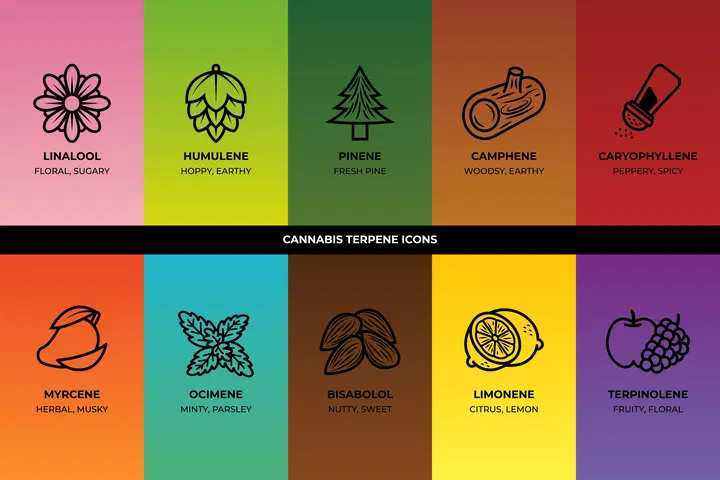
Terpenes do more than give cannabis its distinctive aroma. They play an active role in how plants respond to and interact with their environment. Terpenes are one group within a much larger family of volatile organic compounds, or VOCs, many of which contribute to plant defense and communication.
One example is a plant's response to herbivory, damage caused by insects or other animals feeding on plant tissue. When feeding occurs, plants can change the blend of volatile compounds they release. Those compounds may help defend the plant directly, attract predators or parasitoids of the herbivore, or influence responses in other parts of the plant and neighboring plants.
Some of the same chemistry we experience as aroma is therefore tied to how plants sense and respond to their environment. Cannabis was producing these compounds as part of its biology long before humans began selecting cultivars for lemon, gas, fruit, or candy aromas. Environmental signals have to be translated into biological responses, and plant hormones are an important part of that process.
Jasmonic Acid, Chitin, and Biological Elicitation
Jasmonic acid, or JA, is one of those hormones. It is heavily involved in wound and defense signaling, and certain forms of herbivory or tissue damage can activate jasmonate pathways associated with defense and secondary metabolism.
Researchers are beginning to test this relationship directly in cannabis. In a 2023 study, methyl jasmonate, or MeJA, produced a dose dependent response in flowering Cannabis sativa. The highest treatment nearly doubled phytocannabinoid content and caused broader changes in the plant's metabolome. A 2025 field study also reported nearly 95% more total terpenes in hemp treated with 10 mM MeJA.
This is not a recommendation to start spraying plants with MeJA. Other application rates have produced very different responses, including decreases in terpene concentrations. What these studies show is that jasmonate signaling can influence specialized metabolism in cannabis, but the response depends on dose, timing, genetics, and growing conditions.
Plants can also recognize biological compounds as signals of potential herbivory or pathogen pressure. These compounds are known as elicitors. Chitin, a structural component of fungal cell walls and arthropod exoskeletons, is one of the most studied.
This is where insect frass becomes interesting. Frass can contain chitinous insect residues, nutrients, organic matter, and microorganisms. A popular cultivation theory suggests that frass provides chitin, chitin stimulates defense signaling, JA increases, and terpene production follows. The biology behind that idea is plausible, but the complete chain has not been demonstrated in cannabis.
A cannabis study comparing chitin and chitosan illustrates why we need to be careful. Chitosan activated several defense responses in cannabis roots, while chitin did not significantly alter the measured defense parameters. Insect frass is better understood as one potential component of a biologically active soil system rather than a proven terpene booster. The broader interactions within the soil food web may ultimately be more important than any single input.
Your Cannabis Plant Isn't Growing Alone
A cannabis plant may look like a single organism above ground, but below the soil surface it exists within an entire biological community. Bacteria, fungi, protozoa, and other organisms in the rhizosphere can influence nutrient availability, plant growth, hormone signaling, stress responses, and secondary metabolism.
In cannabis, we now have direct evidence that specific microbes can influence terpene production. Researchers working with CBD Kush found that Mucilaginibacter and Pseudomonas applied during flowering increased total measured terpene accumulation by approximately 23% and 18%, respectively. Mucilaginibacter also produced roughly twice the β-caryophyllene accumulation of uninoculated plants.
Mycorrhizal fungi add another layer to this relationship. Cannabis research has shown that arbuscular mycorrhizal fungi can influence plant growth and cannabinoid accumulation, while research in other plant species has demonstrated interactions between mycorrhizal colonization and jasmonate signaling. Together, these findings suggest another potential connection between the rhizosphere and plant secondary metabolism, although that complete pathway has not yet been demonstrated in cannabis.
None of this proves that every microbe increases terpenes or that living soil automatically produces better tasting cannabis. It does show that the rhizosphere is doing more than supplying mineral ions. Root associated organisms can influence chemistry above ground, which gives us a biological reason to investigate why cannabis grown in different root environments may develop different secondary metabolite profiles.
Does Organic Cannabis Actually Taste Better?
That brings us to one of the biggest debates among growers. Living soil and organic growers frequently describe their flower as more aromatic, complex, or flavorful. I have certainly had those experiences myself, but personal experience is not the same as a controlled sensory study.
Biologically active soils can influence plant chemistry through microbial metabolites, nutrient cycling, hormone signaling, plant growth promoting rhizobacteria, and changes in nutrient availability. What we cannot currently say with confidence is that organic nutrient sources inherently produce better tasting cannabis than well managed mineral nutrition.
There is also an important difference between chemical and sensory changes. A treatment could increase a particular terpene without producing a meaningful difference to the person smelling or smoking the flower. Conversely, a compound present at an extremely low concentration can have a large effect on aroma if its odor threshold is low enough. The root environment is only one part of the equation. Above ground, light and mineral nutrition are two of the strongest cultivation variables growers control.
Join the conversation in the Seedsman Community where we share exclusive content, photos, videos, and keep the conversation going.
Light and Nutrition Shape How Genetics Are Expressed
Light provides the energy cannabis uses to grow, but it also acts as an environmental signal that can influence secondary metabolism. Cannabis experiments comparing different light spectra have found significant differences in terpene concentrations, although responses vary among cultivars and even among flower positions on the same plant. That variability suggests there probably is not one universal spectrum that maximizes aroma across every cultivar.
Research comparing genetically identical cannabis grown indoors with plants grown outdoors under natural sunlight and living soil has also found differences in cannabinoid and terpene profiles. However, sunlight was not the only variable. Soil biology, temperature, environmental fluctuations, ultraviolet exposure, and other conditions changed at the same time. The study supports the idea that cultivation environment matters, but it does not prove that one method universally produces better flavor.
Nutrition follows the same principle. More fertilizer does not automatically mean more secondary metabolites. Nitrogen research in cannabis has shown that very low nitrogen can increase concentrations of some secondary metabolites while restricting plant growth. Increasing nitrogen improves growth to an optimum, while concentrations of many measured cannabinoids and terpenoids can decline.
Concentration and total production are not the same thing. A smaller stressed plant can contain a higher concentration of a compound while producing less flower overall. Phosphorus tells a similar story. Controlled studies show that relatively modest phosphorus concentrations can support substantial yield, while excess phosphorus does not automatically improve quality. The goal is balanced nutrition that supports healthy metabolism, not forcing as much fertilizer into the plant as possible. The same restraint matters when growers begin manipulating stress.
Stress Isn't Automatically Quality
Growers have intentionally stressed cannabis in pursuit of more resin and terpenes for decades, and the idea is not entirely baseless. Water deficit research shows that drought can alter terpene and cannabinoid metabolism, but the response depends on developmental stage, severity, duration, and cultivar.
A plant responding chemically to stress is not the same thing as a plant becoming higher quality. I prefer to think about crop steering as creating controlled environmental signals while maintaining plant health, rather than trying to beat a plant into producing resin.
Flushing belongs in this conversation too. The traditional explanation is that withholding nutrients before harvest somehow cleans the flower by forcing the plant to remove stored minerals, resulting in smoother, better tasting cannabis. A 2024 peer reviewed study found only minimal effects of nutrient flushing on plant physiology, yield, cannabinoids, and terpenoid concentrations.
Reducing unnecessary fertility as a crop approaches maturity can make sense because nutrient demand changes throughout the plant's life cycle. That is different from claiming that starving the root zone pulls stored mineral nutrients out of mature flowers. As the crop approaches harvest, maturity itself becomes a much more meaningful part of the flavor equation.
Harvest Timing Captures the Chemistry
Cannabis chemistry continues changing during late flowering, which means harvest timing affects more than cannabinoid maturity or the percentage of amber trichomes. Terpenes and other volatile compounds are still changing as the flower matures.
Volatile sulfur compounds are a particularly interesting example. Researchers investigating the characteristic skunky aroma of cannabis identified a family of prenylated VSCs associated with that aroma and found that their abundance changed substantially through late flowering and postharvest processing.
The practical point is not that every cultivar should be harvested as late as possible. Weather, pests, disease pressure, flower structure, cannabinoid maturity, and cultivar all matter. It means aroma is another part of maturity worth paying attention to instead of treating trichome color as the only harvest signal.
Check out our full article on When to Harvest Cannabis.
Once the plant is cut, however, the goal changes. You are no longer influencing how the plant builds its aromatic chemistry. You are trying to preserve what you spent the entire grow developing.
Postharvest Determines What Survives
Cannabis aroma comes from volatile compounds, and volatility is exactly what makes postharvest handling so important. Heat, aggressive airflow, oxygen exposure, light, and time can all work against aroma preservation. A compound's boiling point also does not tell us when it is safe from loss because volatile molecules can evaporate at temperatures far below their boiling points.
Drying should be treated as a controlled transition from living plant tissue to a stable product. Dry too aggressively and you increase the opportunity for volatile loss. Keep flower too wet for too long and microbial risk increases. Flower density, airflow, temperature, relative humidity, starting moisture, and the drying environment all influence how quickly water leaves the plant. Water activity is especially useful because it describes how available water is for microbial growth and chemical reactions rather than simply measuring total moisture.
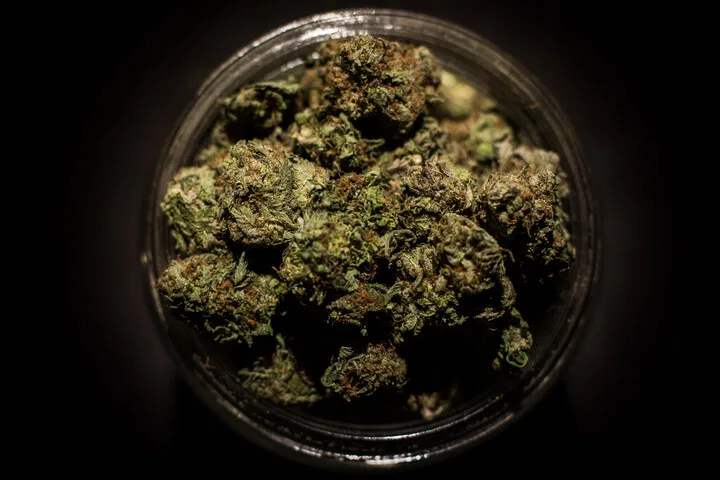
Curing does not manufacture flavor that was never there. Moisture continues to redistribute and chemical changes continue after drying, while some volatile compounds can transform or disappear. The aroma of cured cannabis can evolve, but curing cannot replace chemistry that was never produced or that was lost during an overly aggressive dry.
Once flower reaches a stable condition, storage becomes about slowing degradation and volatile loss. Heat, light, oxygen, repeated air exchange, and unnecessary handling all work against quality. Genetics establishes the chemistry, cultivation influences its expression, harvest captures it, and postharvest handling determines how much survives long enough for us to experience it.
Growing Flavor Means Growing an Ecosystem
Put all of this together and cannabis flavor looks much less like something we can increase with one bottle, additive, or NPK ratio. A cannabis plant is continuously interpreting information from its environment. Light influences metabolism. Roots interact with microorganisms. Herbivory activates defense pathways. Plant hormones such as jasmonic acid coordinate responses. Nutrient and water availability alter chemical allocation, while developmental stages change what the plant produces.
If the goal is better flavor, start with expressive genetics. Build a healthy root environment, maintain balanced nutrition, provide appropriate light, and encourage beneficial biological relationships without assuming that every stress or additive is beneficial. Allow the plant to reach appropriate maturity, then protect the volatile chemistry through drying, curing, and storage.
Most importantly, stop judging flavor potential by total terpene percentage alone. Cannabis aroma is the chemical record of genetics interacting with an ecosystem. The more we understand that interaction, the closer we get to cultivating for flavor intentionally instead of trying to pour it out of a bottle.
Frequently Asked Questions
How can you grow cannabis with better flavor?
Start with genetics known for expressive aromas, then focus on a healthy root environment, balanced nutrition, appropriate lighting and consistent growing conditions. Harvest maturity, drying, curing and storage also influence the final flavor.
Do higher terpene levels mean better-tasting cannabis?
No. Terpenes contribute to cannabis aroma, but other volatile compounds, including sulfur compounds, esters, alcohols and aldehydes, also influence flavor. Total terpene percentage alone cannot predict sensory quality.
Does organic cannabis taste better than cannabis grown with mineral nutrients?
There is currently insufficient controlled sensory evidence to establish that organic cultivation produces better-tasting cannabis. Living soils can influence plant chemistry through microbial activity and nutrient cycling, but well-managed mineral nutrition can also support healthy growth.
Do living soils increase cannabis terpene production?
Soil microorganisms can influence nutrient availability, plant growth and secondary metabolism. Research has identified specific bacteria that increase measured terpene accumulation in cannabis, but not every living soil system will produce higher terpene levels or better-tasting flower.
Does flushing cannabis before harvest improve flavor?
There is little scientific evidence that flushing removes stored nutrients from cannabis flowers or improves flavor. A 2024 peer-reviewed study found minimal effects of nutrient flushing on plant physiology, yield, cannabinoids and terpenoid concentrations.
Does drying and curing affect cannabis flavor?
Yes. Drying and curing influence how aromatic compounds are preserved and how flower aroma develops after harvest. Aggressive drying can cause volatile losses, while excessive moisture increases microbial risks. Proper storage also helps protect aroma from heat, light and oxygen.
-----------------------------------------------------
References
1. Minor, Nonterpenoid Volatile Compounds Drive the Aroma Differences of Exotic Cannabis (2023)
8. Induction of Jasmonate Biosynthesis in Arbuscular Mycorrhizal Barley Roots (2002)
17. Postharvest Operations of Cannabis and Their Effect on Cannabinoid Content: A Review (2022)