
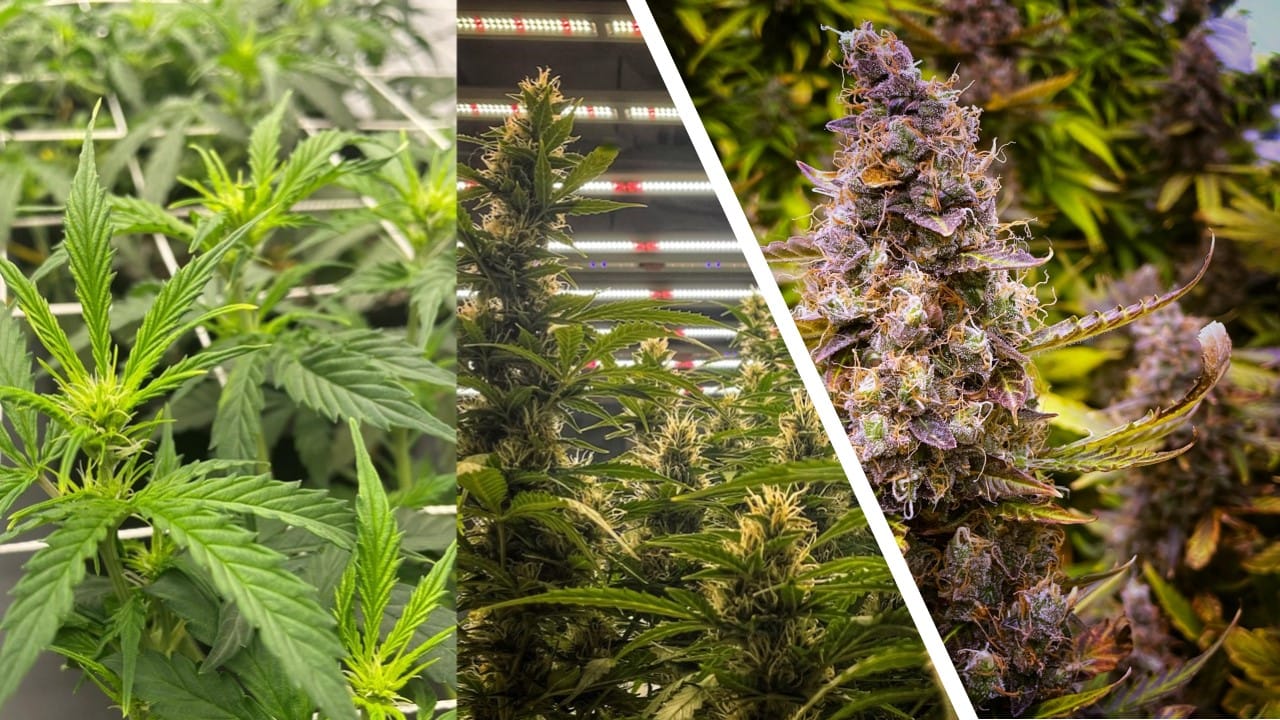

Understanding the genetic origins of the cannabis strains chosen by growers can significantly impact their potential success, particularly when dealing with challenging or adverse conditions. Grasping key genetic concepts such as Inbred Lines (IBLs), F1 hybrids, homozygotes, and true hybrid vigor is crucial for making informed cultivation decisions. It's also important to recognize the value of elite cannabis cuts in breeding. These cuts are frequently utilized in less rigorous breeding methods but still manage to produce high-quality hybrids that inherit the desirable characteristics of the elite parent used in the cross. This balanced understanding of both traditional genetic principles and the practical application of elite cuts is essential for optimizing the quality and success of cannabis cultivation.
Inbred Lines (IBLs) and Homozygotes: Stability in Genetics
Inbred Lines (IBLs) are developed through successive generations of inbreeding, resulting in plants that are genetically uniform. This means that the breeder starts with two parent lines that they want to cross, and they go through several rounds of selecting and crossing the offspring, generation after generation. Once the parents are crossed initially, the seeds produced are then crossed with each other. Traditionally, this is brother and sister crossing, hence the term inbred. Using this process enhances homozygosity, (or reduces variability) where the plants possess identical versions of their genes leading to a consistent expression of traits. Some crop plants will be crossed like this up to 10 or 12 times, (F10, F12) to ensure many of the desired traits are genetically stable.

In cannabis breeding, generating IBLs of this generational succession is difficult because of what is called inbred regression. Inbred regression is a loss in vigor caused by too much inbreeding, stifling genetic diversity. Many breeders who opt for this method will see inbred regression take hold as early as F5 and F6, perhaps due to too much emphasis on cannabinoid production and terpene profiles. However, having stable IBL’s from which to generate new crosses remains a massive advantage. As selecting for the desired traits over many generations ensures consistency, this is essential for breeders aiming to maintain specific traits in their cannabis strains.
F1s and Hybrid Vigor: Maximizing Potential
F1 hybrids, representing the first generation from crossing two genetically distinct parent lines, are often highly vigorous. If done correctly, F1 plants exhibit superior qualities and increased growth, resilience, and productivity compared to their parent strains. However, F1’s are not good breeding stock, and if a breeder wants to stabilize and continue to develop the genetic lines, these F1’s must be taken down the generations as described above in order to drive out the variability and increase the homozygous nature of their genetic makeup. This is why some F1’s are not true breeding F1s. If using non-stable parent lines, i.e. the parents are not IBL’s, then true hybrid vigor will not necessarily play out. Furthermore, the result of the cross could be highly inconsistent making it a nightmare for growers growing from seeds. In nearly all crop plants, F1’s are the most productive and use seeds due to their enhanced vigor, called hybrid vigor because they are combining the best of both parent lines. The genetic diversity found in these F1 hybrids is the key to this enhanced performance, making them highly valuable in cannabis breeding for combining and amplifying desirable traits.
Elite Cannabis Cuts: Exceptional Genetic Contributions
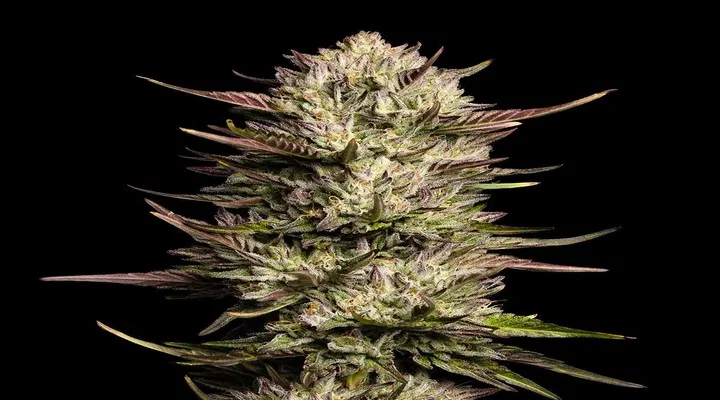
Going against this common wisdom, and in many ways, a remarkable observation from breeding cannabis, is the use of exceptional performing plants selected in a single cross. This is contrary to the traditional approach of developing IBLs or creating F1 hybrids, the use of elite cannabis cuts in breeding demonstrates a unique aspect of the cannabis plants' extremely plastic genetics. These cuts, known for their exceptional robustness or high cannabinoid production for example, can remarkably influence the offspring in even less controlled breeding scenarios. This is due to the strength of the selection, and the preservation of the desirable traits passed to the offspring who inherit these genetic qualities, independent of generational inbreeding. This showcases the elite cut's strong genetic influence when used as a parent plant. However, the biggest difference between this method and more traditional methods of generational selection is the overall vigor and the plants ability to deal with different environmental challenges. This method has dominated cannabis seed production largely due to the use of cuttings (asexual propagation) in the industry. Using cuts is a way to shorten the selection and preservation process in a way, meaning one good plant, can be used to generate an army of clones with the same characteristics.
The Impact of Breeding Choices
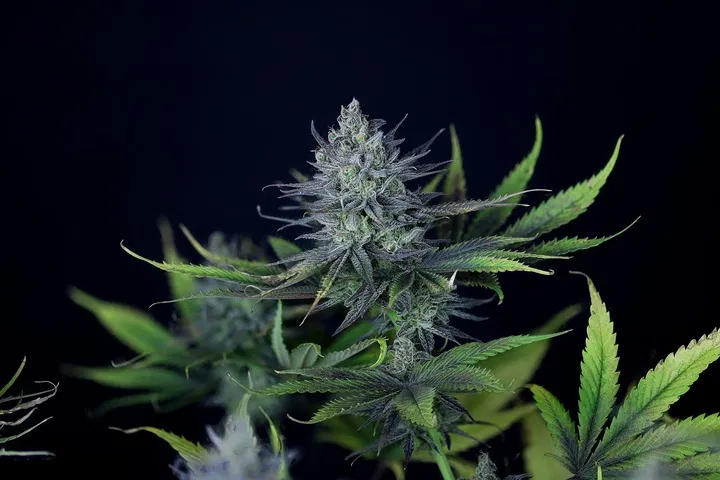
It’s not just a case of which method is better. The growing environment is as important a factor as the genetics used. Depending on a growers situation, they might opt for seeds produced with one method over another. But the most important point to remember is as follows: if a plant is to be grown in a highly controlled and consistent environment such as an indoor garden with climate control etc, then the genetics they choose can be much less ‘hardy’ or robust than the equivalent growing outdoor in Canada, for example. The use of landraces, F1’s and seeds set from outdoor production, will often be much more ready for different environmental stresses than those bred indoors. Having said that, to dial in and really twist the screw on a genetics output, indoor gardeners will often turn to elite cuts which can produce big when stress factors are removed from the equation. So, growers should always try to match the genetics to the environment as best as possible, allowing them to reach the maximum success.
What If Your Moto Is Auto?
Autoflowering varieties, with the ability to flower independently of light cycles, should undergo the same rigorous attention to breeding strategies that applies to traditional photoperiod cannabis. The process of selecting parent lines, managing and selecting desirable traits, is fundamental to the quality and consistency of the final product independent of the flowering type the grower has to use. The creation of an IBL involves multiple generations of selective breeding to ensure a stable and uniform genetic profile. This method can be applied to autoflowering to enhance specific traits like growth rate, resilience, or cannabinoid content and even time to maturity. Similarly, developing F1 hybrids, known for their hybrid vigor, demands a strategic cross between two genetically distinct parent strains, a practice equally applicable to autoflowering plants for maximizing their potential.
Conclusion
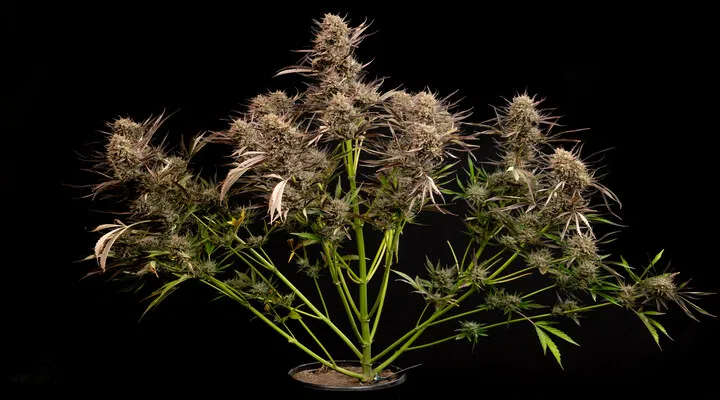
For growers, the main takeaway is to align the choice of cannabis genetics with their specific cultivation environment and goals. If operating in a controlled environment like an indoor grow, elite cannabis cuts can offer high-quality results with less emphasis on plant hardiness. In contrast, for outdoor or variable environments, opting for genetics from landraces or F1 hybrids, which are bred for environmental resilience, might be more advantageous. Ultimately, matching the genetics to the growing conditions is essential for achieving optimal growth and yield in cannabis cultivation.