


Cannabis is a complex plant and many of its constituents are thought to have beneficial properties. Most people are aware of THC and CBD and that the latter is not about getting you high but has numerous medicinal applications.
CBD isn’t the only part of the cannabis plant that has been getting attention in recent years. Cannabinol or CBN is another potential therapeutic constituent which could be used for a variety of medical issues such as pain relief, insomnia, promoting healthy bones and as an anti-convulsant.
It’s a little different from other cannabis products – for one, you don’t find it much in fresh plants. You have to basically ‘cook’ the THC to get it.
This article takes a closer look at CBN and it’s potential therapeutic properties.
What is Cannabinol?
CBN is formed when THC, the compound responsible for delivering the cannabis high, undergoes oxidation. If you have old or poorly stored cannabis, while the THC might have degraded, you can often get CBN from it. It’s is only mildly psychoactive and can be produced by exposing your cannabis plant to light.
The biggest and most notable affect of CBN is its ability to sedate. Some people suggest that just 5mg of CBN is the equivalent of 10mg of diazepam, though there has been little research done in this area. While many use cannabis because they have trouble sleeping, CBN could well be a great alternative to taking more traditional sedatives that may have other side-effects.
We’ve actually known about the existence of CBN for a good few decades – it was first isolated at the turn of the 20th Century. It’s structure was understood by the 1930s and shortly afterwards scientists were able to synthesize it in the laboratory.
More recently, particularly with the legalization of cannabis and it’s increasing medical use, people have once again started taking an interest in it.
The Research on CBN
While CBD and THC are most commonly known to anyone who uses cannabis, CBN was actually the first substance to be properly identified by scientists. Since we’ve known about its existence for over 60 years, not a lot has been done until recently with respect to research.
As with most areas of cannabis when it comes to therapeutic effects, there still needs to be a lot more work done before we fully understand the potential of cannabinol. But there have been some very interesting studies undertaken to date and these do suggest that CBN could have a lot of promise.
Research has shown that both THC and CBN can combine to have an analgesic effect. Many people who suffer from chronic pain conditions opt for cannabis because it has less side-effects than many other pharmaceutical drugs on the market today. Letting your cannabis harvest cure in the light, at least for part of the time, could well increase levels of CBN if you want to boost the analgesic properties.
Other research has indicated that CBN may well play a role in helping to repair bone. It’s been known for a while that CB1 and CB2 receptors in the body are involved in the modulation of bone formation. A range of cannabinoids, including CBN, may influence this process in some way. There may be another way in which CBN works in the body, this time inhibiting the growth of skin cells, something which may assist with conditions such as psoriasis.
Similar to the more well-known CBD, CBN has anti-inflammatory effects and there is research currently looking how these two together can be used to help burn patients.
A lot of the small amount of research that has been carried out in recent times suggests that cannabinoids like CBN may have multiple therapeutic effects. There’s even some research that show it works as a vasorelaxant which reduces blood pressure and perhaps has a role to play in the eye condition glaucoma.
The Benefits of CBN
Overall the benefits that have been claimed for CBN include:
- Pain relief
- Insomnia relief
- Anti-bacterial and anti-inflammatory effects
- Anti-convulsant
- Stimulating appetite
CBN is a cannabinoid and the potential for it to be used therapeutically is looking increasingly positive. It may even overtake CBD in the future. The truth is there are a lot of other cannabinoids that we still need to investigate. According to the research some 100 have already been identified. Our understanding of these and substances such as terpenes so far is just the tip of the iceberg.
CBN may just be one of many different cannabis products that we will be using in the future. For the moment, there is a growing list of anecdotal ‘evidence’ that it is able to help with a variety of health issues.
The Difference Between CBN, THC and CBD
As we all know the main component of cannabis that delivers the high and creates euphoria is THC. If CBN is made from oxidizing THC, then does it produce the same effect? The answer is no. Well, slightly.
THC appears to be the only compound that brings the mind-altering psychoactive change that many recreational users associate with the plant. The amount of THC that you find in a particular plant will largely determine the strength of the high.
CBD is also non-psychoactive. In actual fact, the CBD content in a particular strain can often off-set the effect of the THC, even for fairly high percentages.
CBD does produce calming affects though their route is different to THC, which is why those using medical cannabis tend to go for high CBD strains.
Not everyone agrees 100%, however. A recent bit of research concluded that CBN does have some mild psychoactive effects but nowhere near that of THC.
How exactly it does this, we don’t know, but CBN is thought to interact with our natural endocannabinoid system and may influence areas such as hormones and the work of neurotransmitters. It’s quite chemically similar to CBD so you might expect both compounds to share similar effects, which they do.
There’s no doubt the research in this area is beginning to heat up. There’s still a long way to go but recent studies have been pretty interesting.
Giving CBN to rats in a laboratory setting led them to sleep longer which could have implications for dealing with problems such as insomnia. That sedative effect may well be boosted when taken in conjunction with THC.
There has been some research done on the potential impact of CBN in dealing with some cancers, though this is far from definitive. Cannabinoids in generally are being better researched because they may actually be able to inhibit the growth of cancer cells and may even reduce tumor size. Much of the work here has been done on animals such as mice which rarely translates to how things would be affected if used on humans.
Where Can I Find CBN?
There aren’t many supplements containing CBN at the moment but you can expect this to change over the next few years. For now, you will probably have to wait until oils, tinctures, creams and other products start to come onto the market.
The truth is that most cannabis strains have some level of CBN but this is usually much less than 1%. The main way to improve CBN yields is through the natural decarboxylation of THC. This happens to a higher degree in strains that have been left or improperly stored or cured or exposed to light after the harvest process.
Related Post
You might think that letting your cannabis crop go stale on purpose is sacrilege but it’s the only real way to boost CBN levels. The key it so put your curing jar in a warm place where there is plenty of light. As with curing, you want this process to take as long as possible and you don’t want your crop to dry out too quickly.
It’s not an exact science and there’s no real way to tell by how much you have boosted levels of CBN. The good news is that there should be more manufactured products becoming available in the next few years which should mean you don’t have to worry about the hassle of making your own.
By then, we may also know a lot more about how CBN works as a medical remedy.
Cannabis is a complex plant, and many of its constituents have been shown to have beneficial properties. Most people know of THC and CBD, and the latter is not about getting you high but has numerous medicinal applications, where the former does both.
CBD isn’t the only part of the cannabis plant that has been getting attention in recent years. Cannabinol, or CBN, is another potential therapeutic constituent that could be used for various medical issues such as pain relief and insomnia, promoting healthy bones, and has great potential as an anticonvulsant. It’s a little different from other cannabis products – for one, you don’t find it much in fresh plants. You have to basically ‘cook’ the THC to get it.
Related Article:
Cannabis Know-How: What is Decarboxylation, and why is it important?
What is Cannabinol?
CBN is formed when THC, the compound responsible for delivering the cannabis high, undergoes oxidation. If you have old or poorly stored cannabis, while the THC might have degraded, you can often get CBN from it. It is only mildly psychoactive and can be produced by exposing your cannabis plant to light.
The most significant and notable effect of CBN is its ability to sedate. Some people suggest that just 5mg of CBN is the equivalent of 10mg of diazepam, though little research has been done in this area. While many use cannabis because they have trouble sleeping, CBN could well be a great alternative to taking more traditional sedatives that may have other side effects.
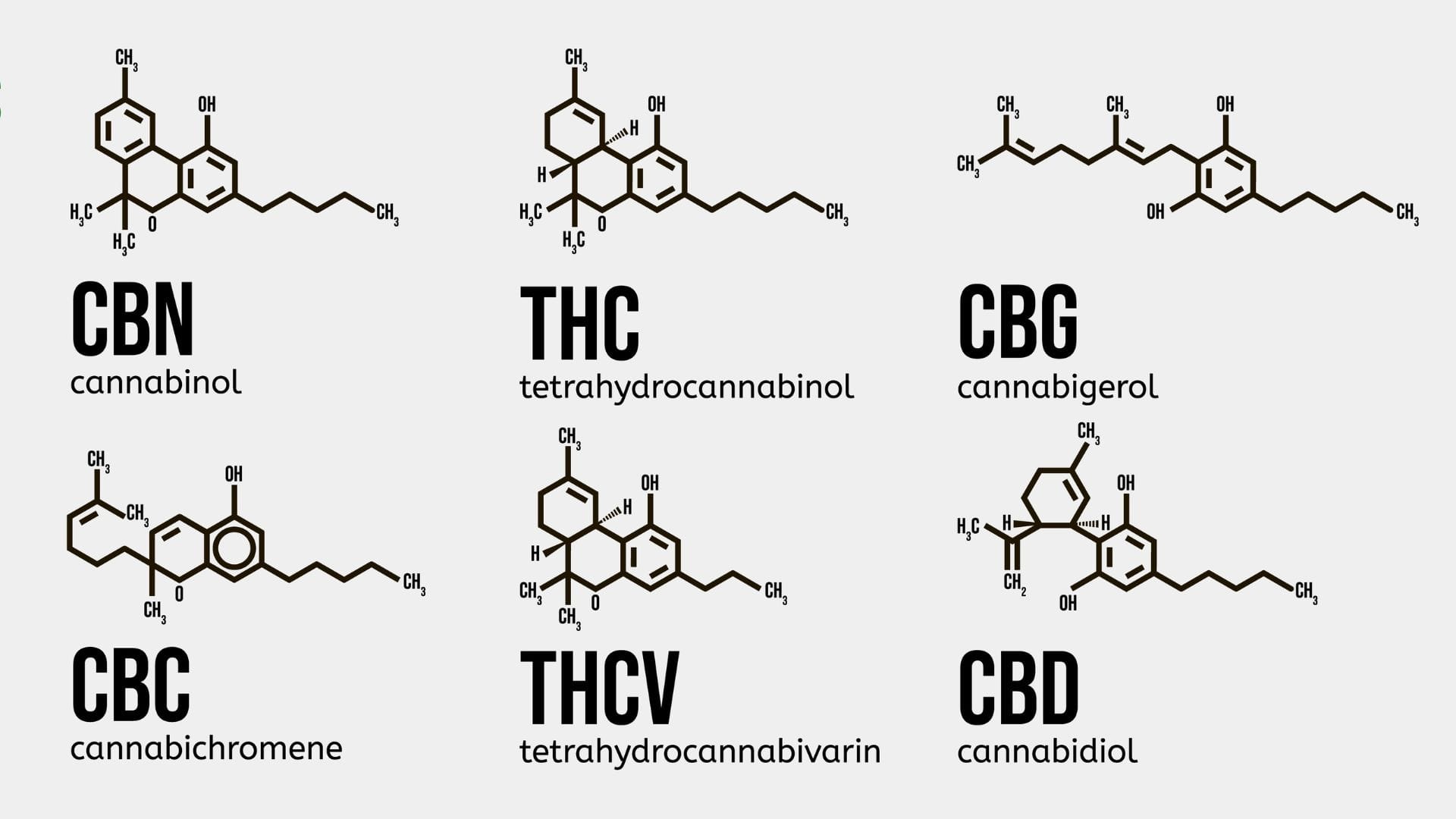
We’ve known about CBN's existence for a good few decades – it was first isolated at the turn of the 20th Century. By the 1930s, scientists understood the structure of CBN, and shortly after, they could synthesize it in the laboratory. More recently, particularly with the legalization of cannabis and its increasing medical use, people have again started taking an interest in CBN.
The Research on CBN
While CBD and THC are most commonly known to anyone who uses cannabis, CBN was the first substance to be correctly identified by scientists. Since we learned about its existence over 60 years ago, not a great deal of research has taken place.
As with most areas of cannabis, when it comes to therapeutic effects, we must await further research before fully understanding cannabinol's potential. But some fascinating studies have been undertaken to date suggesting that CBN could have a lot of promise.
Research has shown that THC and CBN can combine to have an analgesic effect. Many people suffering from chronic pain opt for cannabis because it has fewer side effects than many other pharmaceutical drugs on the market today. Letting your cannabis harvest cure in the light, at least for part of the time, could increase CBN levels if you want to boost the analgesic properties.
Other research has indicated that CBN plays a role in helping to repair bone. It’s been known for a while that CB1 and CB2 receptors in the body are involved in the modulation of bone formation. A range of cannabinoids, including CBN, may influence this process somehow. There may be another way CBN works in the body, this time inhibiting the growth of skin cells, which may assist with conditions such as psoriasis.
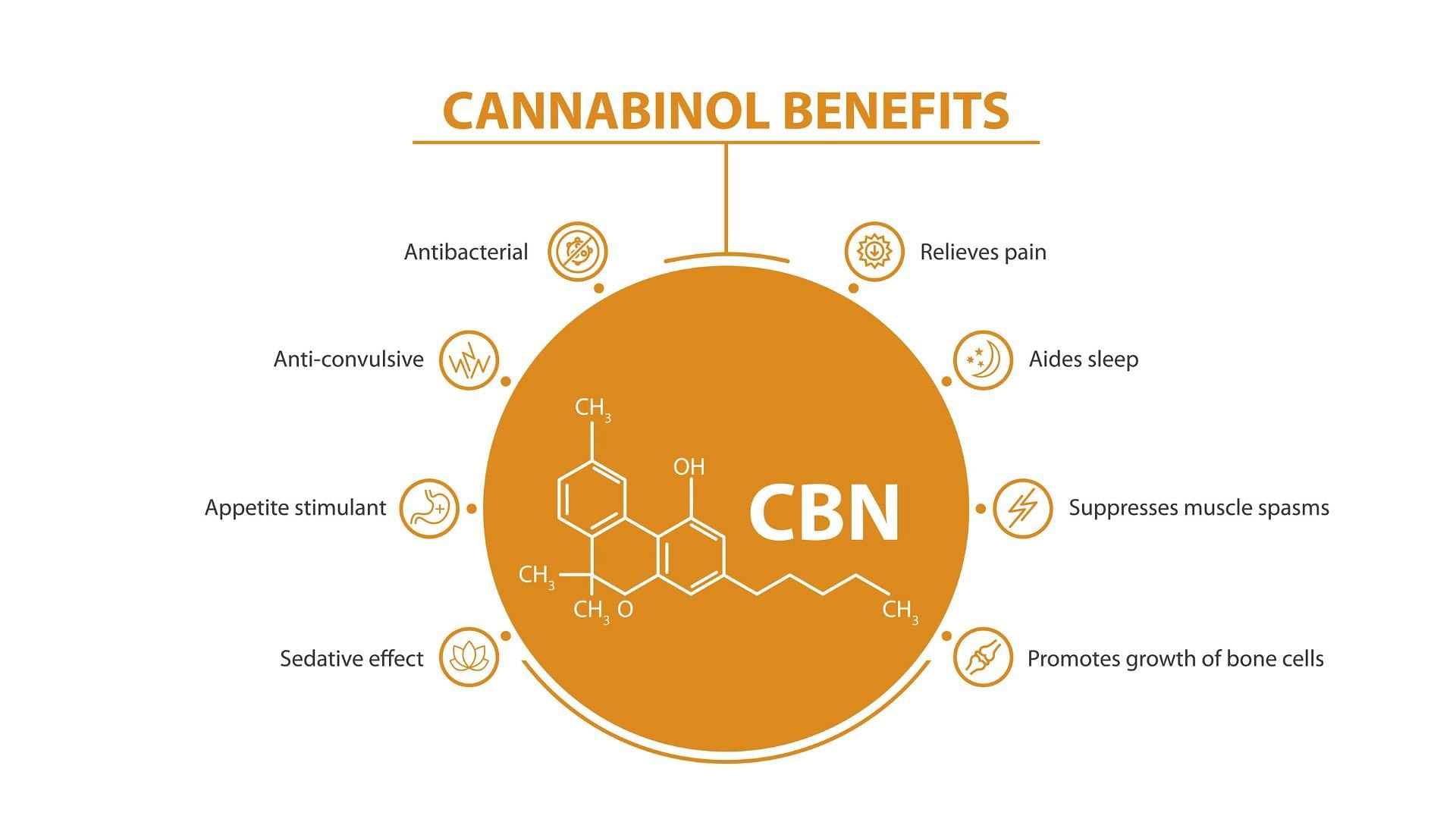
Like the more well-known CBD, CBN has anti-inflammatory effects, and research is currently looking at how these two compounds can help burns patients. Much of the research that has taken place in recent times suggests that cannabinoids like CBN may have multiple therapeutic effects. Some research shows that it works as a vasorelaxant that reduces blood pressure and may play a role in the eye condition of glaucoma.
The Benefits of CBN
Suggested benefits of CBN include the following:
- Pain relief
- Insomnia relief
- Anti-bacterial and anti-inflammatory effects
- Anticonvulsant properties
- Stimulating appetite
The potential for CBN to be used therapeutically is looking increasingly positive, with some suggesting it may even overtake CBD in the future. Cannabinol is just one of many cannabinoids that we still need to investigate. According to research, some 100 have already been identified. Our understanding of these cannabinoids, and substances such as terpenes, is still only at the tip of the iceberg.
CBN may just be one of many different cannabis products we will use in the future. For the moment, there is a growing list of anecdotal evidence that it can help with various health issues.
The Difference Between CBN, THC, and CBD
It's relatively common knowledge that the main component of cannabis that delivers the high and creates euphoria is THC. You may wonder, if CBN is made from oxidizing THC, does it produce the same effect? The answer is "only slightly".
THC appears to be the only compound that brings the mind-altering psychoactive change that many recreational users associate with the plant. The amount of THC you find in a particular cannabis strain will largely determine the strength of the high.
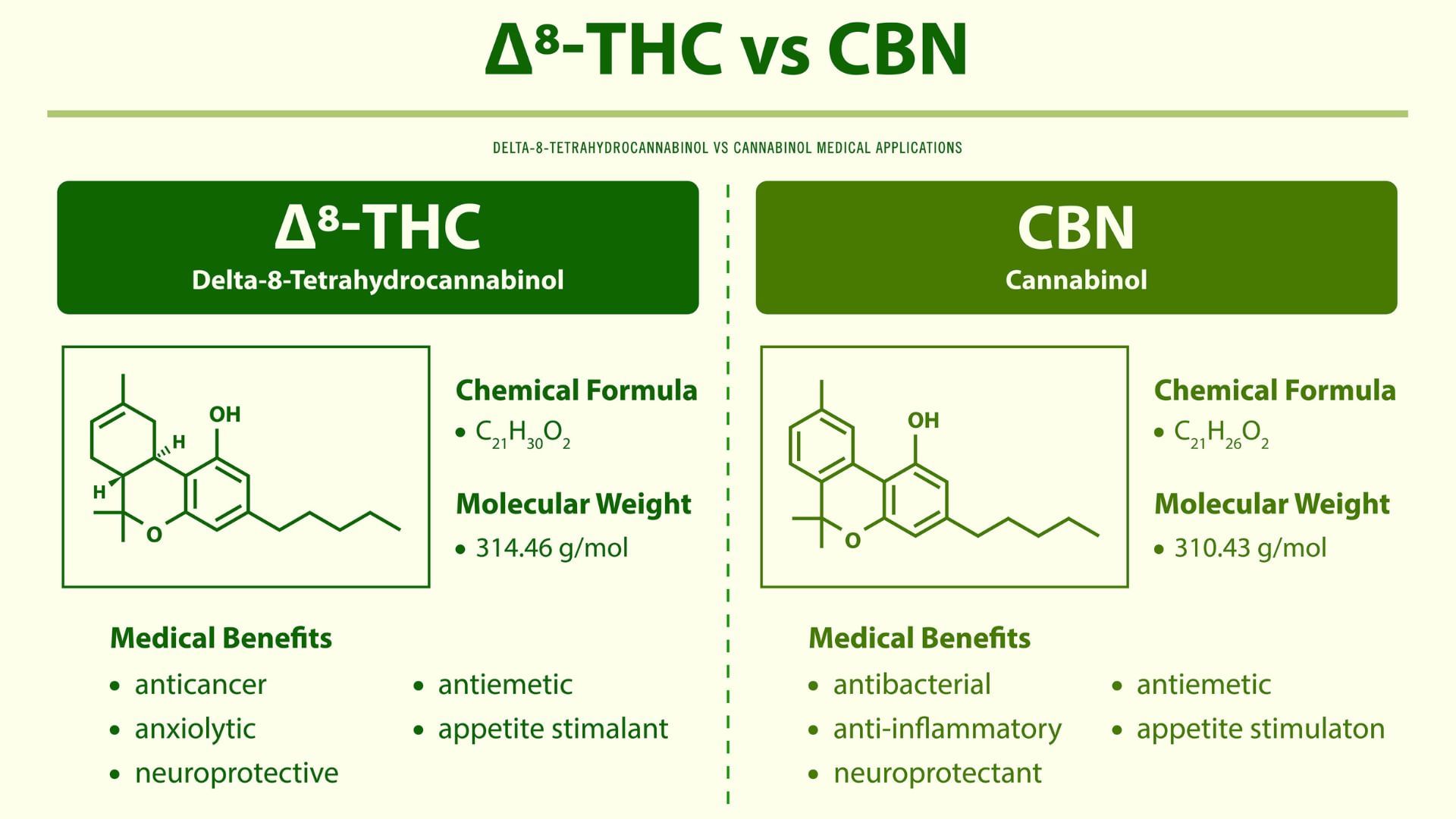
CBD is non-psychoactive, and the CBD content in a particular strain can often offset the effect of the THC, even for reasonably high percentages. CBD produces calming effects though the route taken differs from THC, which is why those using medical cannabis tend to go for high-CBD strains.
Not everyone agrees 100%, however. A recent piece of research concluded that CBN does have some mild psychoactive effects but nowhere near that of THC. How exactly it does this, we don’t know, but CBN is thought to interact with our natural endocannabinoid system and may influence areas such as hormones and the work of neurotransmitters. It’s pretty chemically similar to CBD, so you might expect both compounds to share similar effects, which they do.
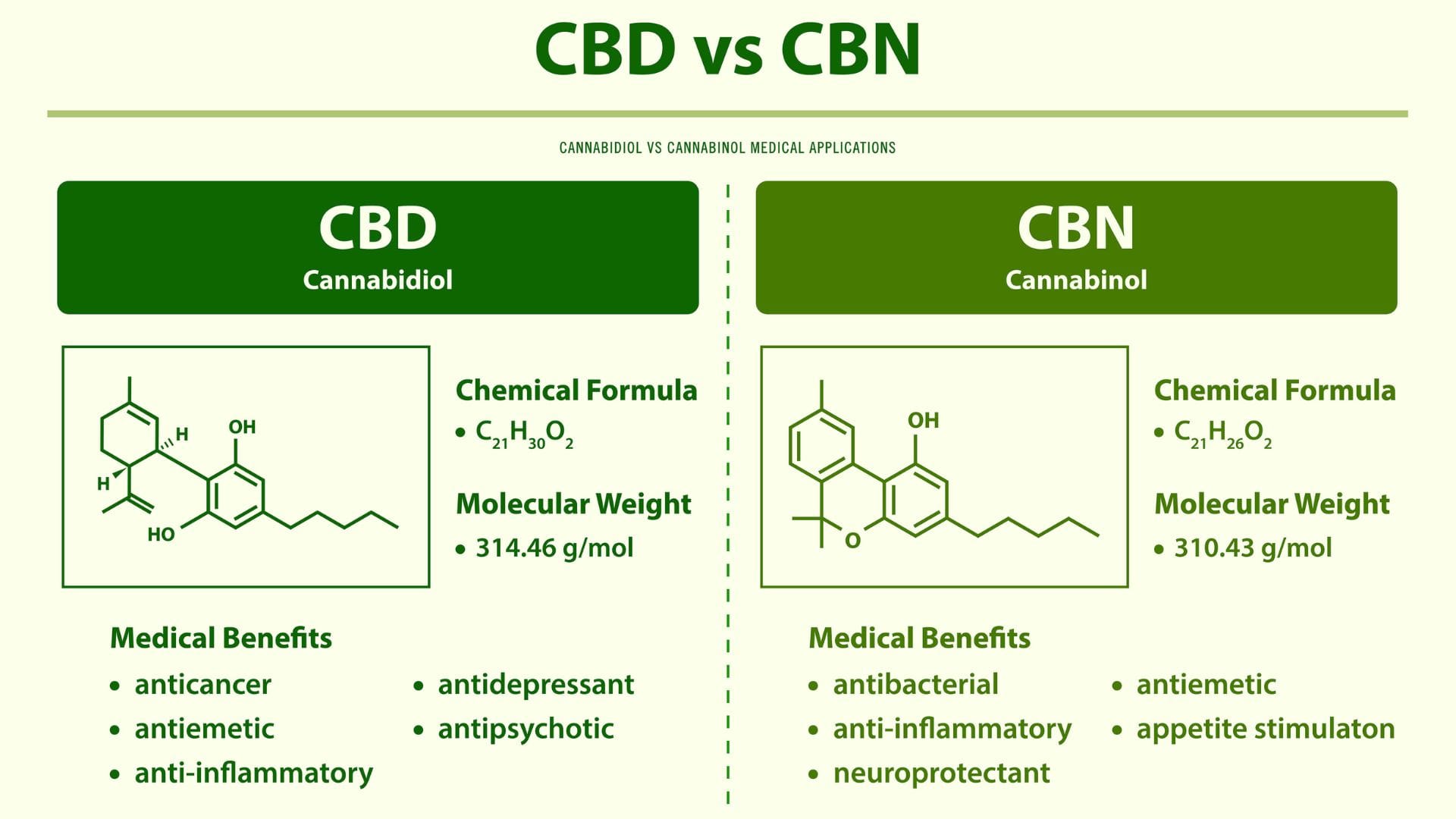
Undoubtedly, research in this area is beginning to heat up. There’s still a long way to go, but recent studies have been interesting. Giving CBN to rats in a laboratory setting led them to sleep longer, which could have implications for dealing with problems such as insomnia. That sedative effect may well increase when taken in conjunction with THC.
There has been some research on the potential impact of CBN in dealing with some cancers, though this is far from definitive. Cannabinoids, in general, are being better researched because they may actually be able to inhibit the growth of cancer cells and may even reduce tumour size. Much of the work here has involved animals such as mice, which rarely translates to exactly how things would be affected if used on humans.
Where can I find CBN?
Supplements containing CBN still aren't widely available, but you can expect this to change over the next few years. For now, there are CBN gummies, chocolate bars, capsules, and tinctures available online, largely marketed as products for improving sleep.
The truth is that most cannabis strains have some level of CBN but this is usually much less than 1%. The primary way to improve CBN yields is through the natural decarboxylation of THC. This happens to a higher degree in strains that have been left, improperly stored, cured, or exposed to light after harvest.
You might think that letting your cannabis crop go stale on purpose is sacrilege, but it’s the only natural way to boost CBN levels. The key is to put your curing jar in a warm place with plenty of light. As with curing, you want this process to take as long as possible, and you don’t want your crop to dry out too quickly.
It’s not an exact science, and there’s no real way to tell by how much you have boosted levels of CBN. The good news is that more manufactured products should become available in the next few years, meaning you don’t have to worry about the hassle of making your own. By then, we may know much more about how CBN works as a medical remedy.


