

Cannabis is traditionally associated with smoking, vaping, and delicious treats like brownies, so the thought of consuming it in raw form may initially strike some as unconventional. But, the trend of consuming uncooked cannabis leaves, buds, or stems has indeed emerged and is claiming potential health benefits. Are there legitimate grounds for chomping on raw plant matter, or is it merely this year’s Tide Pod challenge? Seedsman examines the scientific evidence and the curious interplay of cannabinoids and the human body.
What Is Raw Cannabis?
Raw cannabis, as its name suggests, refers to the unprocessed plant material directly harvested from the cannabis plant. While it lacks the intoxicating effects usually associated with the decarboxylated form, raw cannabis is still a rich source of cannabinoids, terpenes, and other bioactive compounds [1]. Unlike cannabis consumed via smoking or edibles, which undergo a process called decarboxylation to activate THC (delta-9-tetrahydrocannabinol) and CBD (cannabidiol), raw cannabis contains predominantly THCA (tetrahydrocannabinolic acid) and CBDA (cannabidiolic acid) [2].
These acid-form cannabinoids are considered inactive precursors to their more famous counterparts, and the effects of consuming raw cannabis differ significantly from traditional methods. Put it this way, if you’re looking to walk among the clouds or talk to the creator, eating raw cannabis won’t get you there.
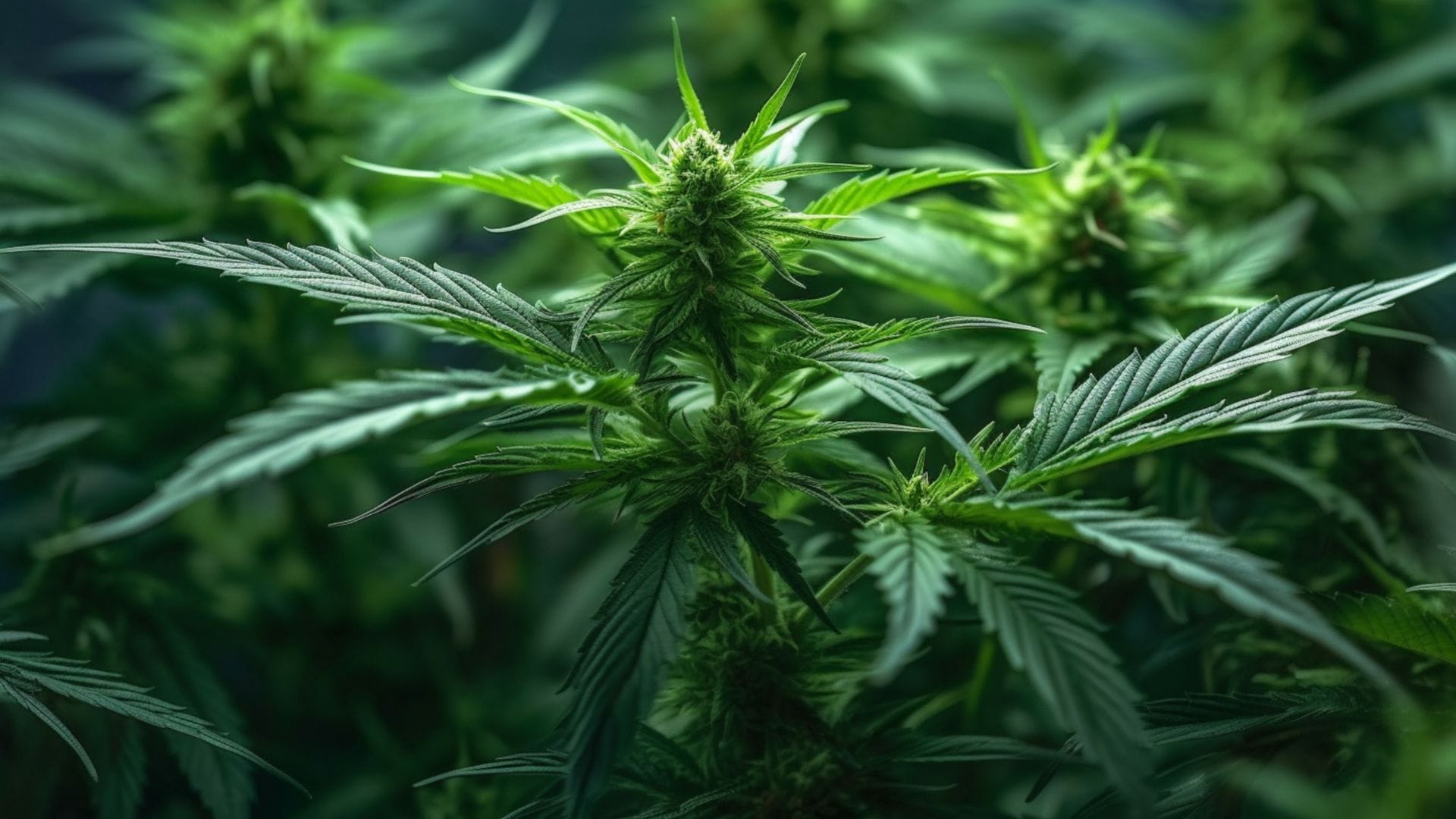
Raw cannabis leaves are typically dark green in colour, coated in a fine layer of resinous trichomes that house the plant's valuable compounds. The taste of raw cannabis is often described as earthy, vegetal, and slightly bitter, which doesn’t sound particularly appetising for anyone. So, a strain known for its fruity flavour won’t taste like a nice handful of berries if you consume it in raw form. Nonetheless, for those intrigued by the potential health benefits, exploring raw cannabis consumption opens new doors to a deeper understanding of the marvellous Miss Mary Jane.
Pros And Cons Of Consuming Raw Cannabis
Pros: A Nutrient-Packed Plant
One of the key advantages of eating raw cannabis is its nutrient profile. Raw cannabis is a veritable treasure trove of essential vitamins, minerals, and fibre [3]. Cannabis leaves contain significant amounts of vitamin C, vitamin K, iron, and calcium, giving them at least potential as a dietary supplement. Additionally, fibre in raw cannabis can contribute to digestive health and aid in maintaining a balanced gut microbiome.
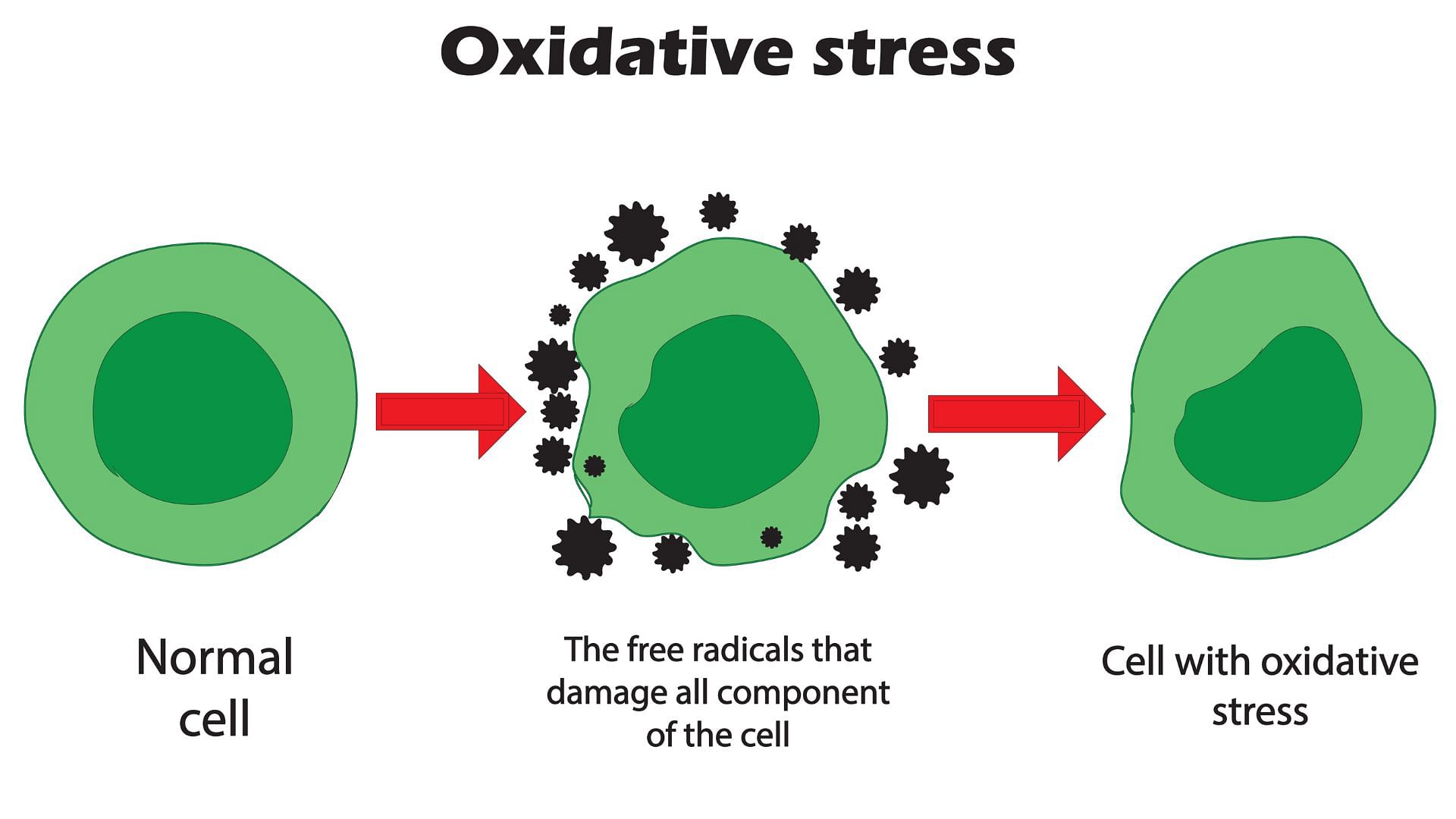
Beyond vitamins and minerals, raw cannabis is also a source of phytochemicals like flavonoids and polyphenols, known for their antioxidant properties – the same as a lot of plants. These compounds can help combat oxidative stress and promote overall well-being. But due to the presence of cannabinoids, when consumed as part of a balanced diet, raw cannabis may offer unique health benefits rarely found in other plant-based foods.
Cons: Unlocking The Potential
While raw cannabis holds promise as a nutritional supplement, it's essential to acknowledge some caveats. The acidic cannabinoids in raw cannabis, THCA and CBDA, are not directly intoxicating or mind-altering. Therefore, those seeking the euphoric high associated with THC may not find the experience they seek when consuming raw weed. Additionally, raw cannabis can be harsh on the digestive system due to its tough cellulose structure. This can lead to discomfort or gastrointestinal upset in some individuals. At this point, you should begin asking yourself if it’s worth it.
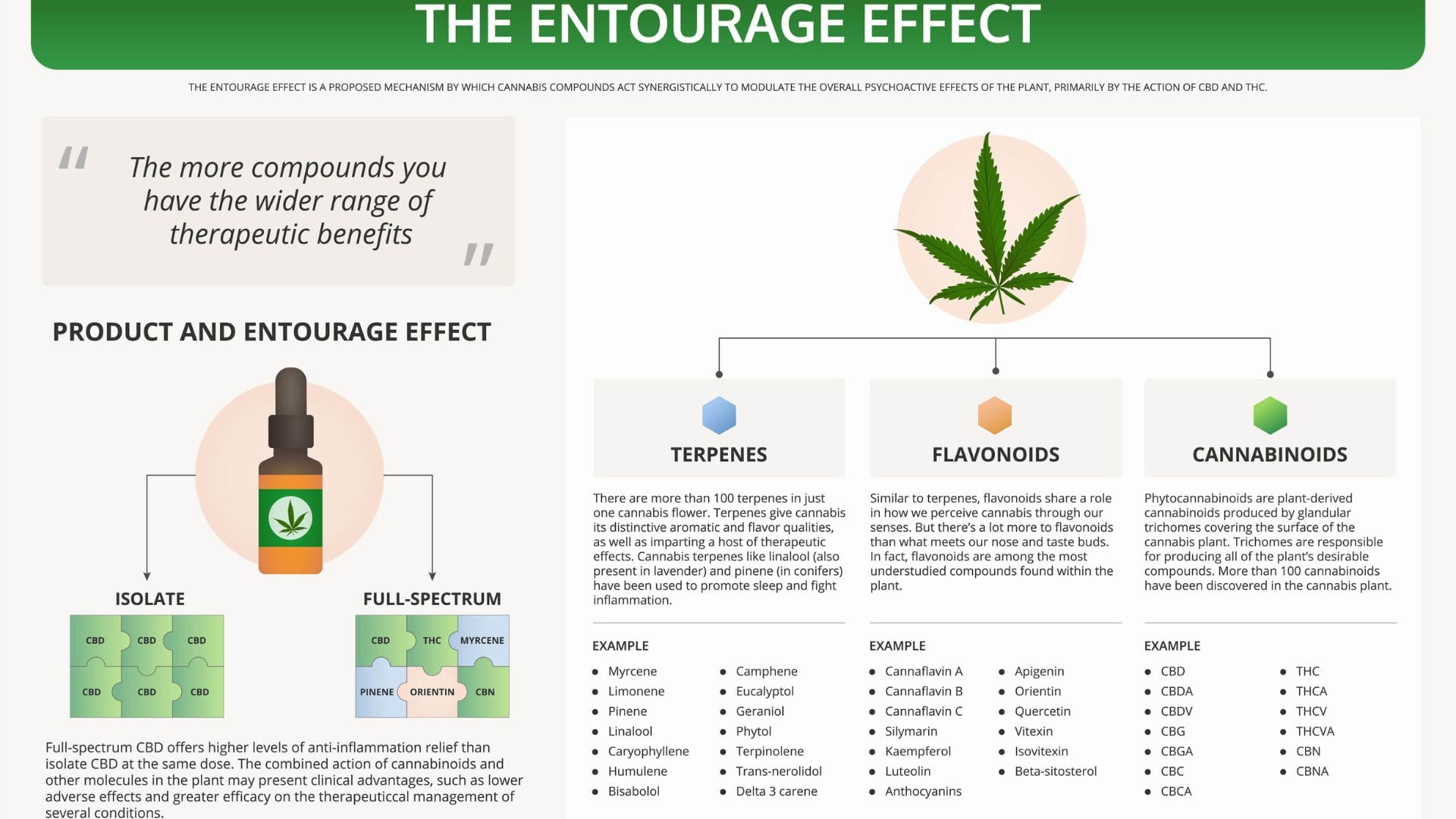
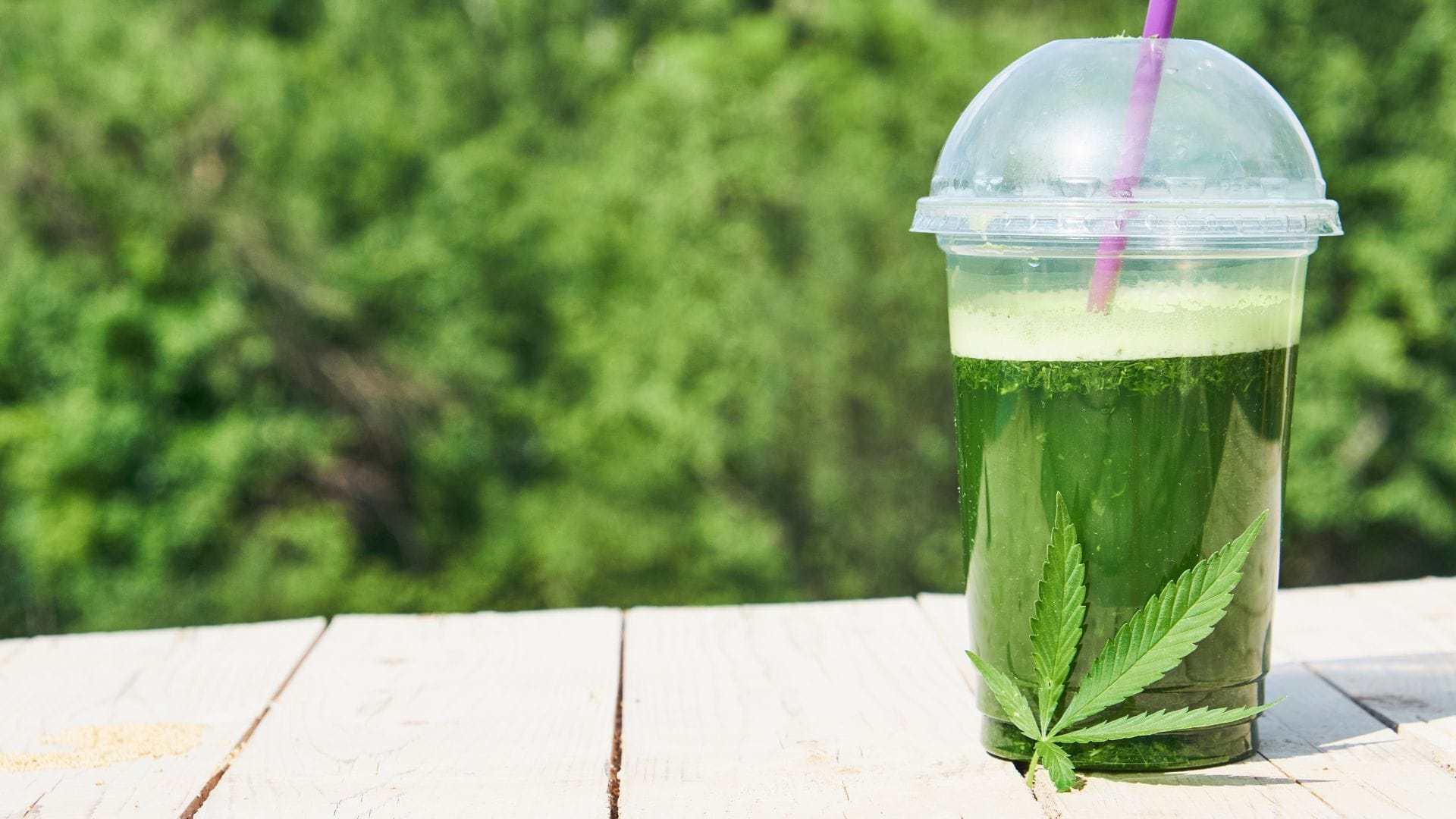
Many consumers believe that raw, juiced cannabis is the most therapeutic form of the plant. The advantage lies in there being very little decarboxylation. This means high ratios of the acidic forms of cannabinoids, as well as numerous other plant compounds providing a wide array of potential therapeutic benefits such as described by the entourage effect.
It's worth noting that the bioavailability of certain cannabinoids and other bioactive compounds might be lower when consuming raw cannabis. The human digestive system is not optimised to extract all the compounds efficiently, leading to potential losses during digestion. Heating or processing cannabis through other methods allows for better absorption of cannabinoids, which is why it remains the preferred consumption method for those seeking the psychoactive effects of THC.
How Body And Brain Deal With Raw Cannabis
Eating raw cannabis triggers a unique interaction between the human body and the cannabinoids within. Once ingested, the acidic cannabinoids THCA and CBDA encounter the human digestive system, and the liver plays a crucial role in this interaction. Research shows that the liver can convert THCA to THC through decarboxylation, other known factors include UV exposure, heat and prolonged storage. THCA-A can represent up to 90% of total THC content in the plant, with between a 70%-90% conversion rate into THC when smoked. Still, this process is limited or negligible when consuming raw cannabis. Similarly, CBDA can be converted to CBD in certain conditions.
The absence of significant levels of THC in raw cannabis means that consuming it is unlikely to cause intoxication. Depending on an individual's intentions, this can be both advantageous and disadvantageous. On the one hand, raw cannabis consumption allows for a non-intoxicating experience while still benefiting from the potential therapeutic effects of other cannabinoids. On the other hand, it might not provide relief for those seeking the specific psychoactive effects associated with THC. THC reacts on the same receptors as THCA, although provides a different outcome.
The presence of CBD in raw cannabis, even in its inactive form (CBDA), opens the door to exploring its potential health benefits. Preclinical research has suggested that CBDA exhibits anti-inflammatory and analgesic properties, making it an intriguing candidate for further investigation in pain management and inflammation-related conditions. CBDA targets different pathways in the body than CBD, and this causes different effects as shown in animal studies, such as antiemetic and anti-inflammatory benefits.
Evidence On Raw Cannabis Consumption
Medical research on raw cannabis consumption is still in its early stages, but some studies shed light on its potential effects. A study published in the Journal of Agricultural and Food Chemistry found that raw cannabis leaves contained substantial levels of cannabinoids, particularly CBDA, along with other beneficial compounds like flavonoids and polyphenols [4].
Another study in the Journal of Ethnopharmacology explored the antioxidant potential of raw cannabis, suggesting its possible role in combating oxidative stress [5]. These studies point to potential benefits from the consumption of raw plant matter, but it’s early days yet, and more studies would help make a concrete assessment as to whether or not this practice makes good sense.
While research on raw cannabis is steadily advancing, most studies in this area have been conducted in preclinical settings or through observational studies. As medical professionals and researchers continue to examine the complexities of cannabis consumption, it’s important to interpret the available evidence cautiously and await the results of more comprehensive clinical trials. Many case studies from around the world show the acidic forms of the cannabinoids being highly therapeutic in certain circumstances,
often raw juiced cannabis will result in a higher ratio of acids than the decarboxylated form.
Here are several diseases where raw juicing, ie, the acidic forms of cannabinoids, are thought to be the driver of wellness:
Crohn’s Disease
Post-viral syndrome (including Long Covid)
Epilepsy
Cancer
Muscular Fatigue
Why Choose To Consume Raw Cannabis?
The reasons for consuming raw cannabis vary among individuals, and several motivations drive this trend:
Health Enthusiasts And Nutrition Buffs
Some health-conscious individuals see raw cannabis as a unique superfood due to its impressive nutrient content, leading them to incorporate it into their diet for potential health benefits. As awareness of the nutritional value of raw cannabis grows, it could emerge as a valuable addition to various dietary regimes. Just imagine – a handful of cannabis counting as one of your five a day!
Non-Psychoactive Relief
For those seeking relief from various ailments without the intoxicating effects of THC, raw cannabis offers a potential avenue. Preclinical research cited in the Journal of Cannabis Research highlights the analgesic properties of CBDA [6]. As researchers continue to explore the therapeutic potential of cannabinoids, raw cannabis may become a focal point in the search for alternative treatment options.
Exploration Of New Frontiers
With the expanding legal status of cannabis in some regions, curiosity about its lesser-known forms and potential benefits attracts both enthusiasts and researchers alike. As more individuals venture into raw cannabis consumption, it encourages the scientific community to invest further in understanding the potential implications of this novel approach.
The Trend Of Raw Cannabis Consumption
The trend of raw cannabis consumption has gained momentum in recent years, spurred by the expanding acceptance of cannabis as a medicinal and recreational substance in various regions. The rise of wellness culture and the increasing interest in holistic health practices have also contributed to the popularity of raw cannabis as a potential dietary supplement. But while the trend is intriguing, it's essential to approach it with a critical eye. The claims of its potential health benefits should be interpreted cautiously until further research validates them. As with any dietary or health-related change, consulting with a qualified healthcare professional is crucial, especially for individuals with pre-existing medical conditions or those taking medications.
Conclusion: Should You Eat Your Greens?
The concept of eating raw cannabis presents a fascinating exploration into the world of cannabinoids, nutrition, and human physiology. As we await further scientific evidence, it's crucial to remember that raw cannabis is not a shortcut to a high but rather an enigma worthy of further investigation.
As cannabis research continues to flourish, understanding the potential benefits and risks of raw cannabis consumption will become more nuanced. For now, raw cannabis serves as a new window into the diverse possibilities of this remarkable plant, captivating both enthusiasts and scientists with its leafy green embrace. And, while health benefits may well be achieved through ingesting the plant in its raw form, it does fall a long way short of a delicious weed brownie.
__________________________________________________________________________________
Sources:
https://pubmed.ncbi.nlm.nih.gov/21655623/
https://pubmed.ncbi.nlm.nih.gov/30669154/
https://pubmed.ncbi.nlm.nih.gov/19908375/
https://pubmed.ncbi.nlm.nih.gov/19678754/
https://pubmed.ncbi.nlm.nih.gov/21856483/
https://pubmed.ncbi.nlm.nih.gov/33403174/
Disclaimer: This article is for informational purposes only and should not be considered medical advice. As with any dietary or health-related change, consult with a qualified healthcare professional before incorporating raw cannabis into your routine.
